What a Conveyor Carrying Bracket Does on the Load Side
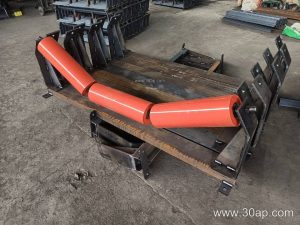
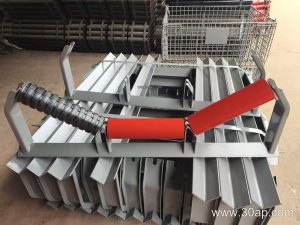
A conveyor carrying bracket is the structural frame that holds the load-side idlers in their working position along a belt conveyor. On a troughing conveyor, this bracket — often called a troughing idler support or carrying idler frame — sets the trough angle, keeps the three rolls evenly spaced, and transfers the weight of the belt and material into the conveyor stringer. In a quarry, a coal preparation plant, or a cement kiln feed line, the carrying bracket is the part that quietly decides how well the belt keeps its shape under load.
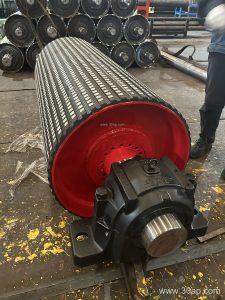
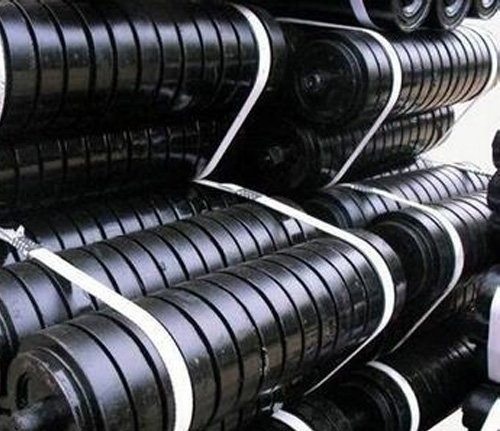
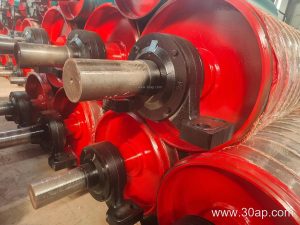
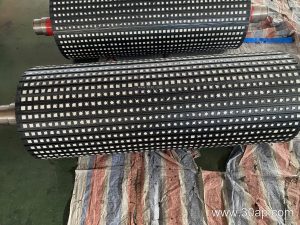
Because it sits directly beneath the loaded run, the bracket works together with the conveyor belt, the idler roller and the conveyor pulley at each end of the run. A poorly aligned or undersized carrying bracket shows up quickly as belt wander, spillage and uneven roll wear.
How the Bracket Is Built
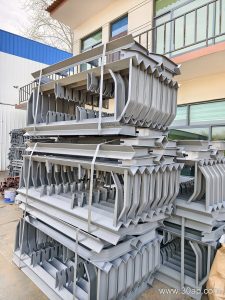
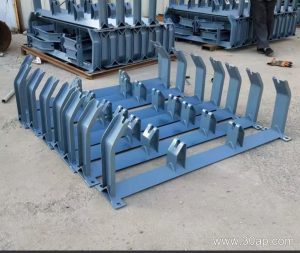
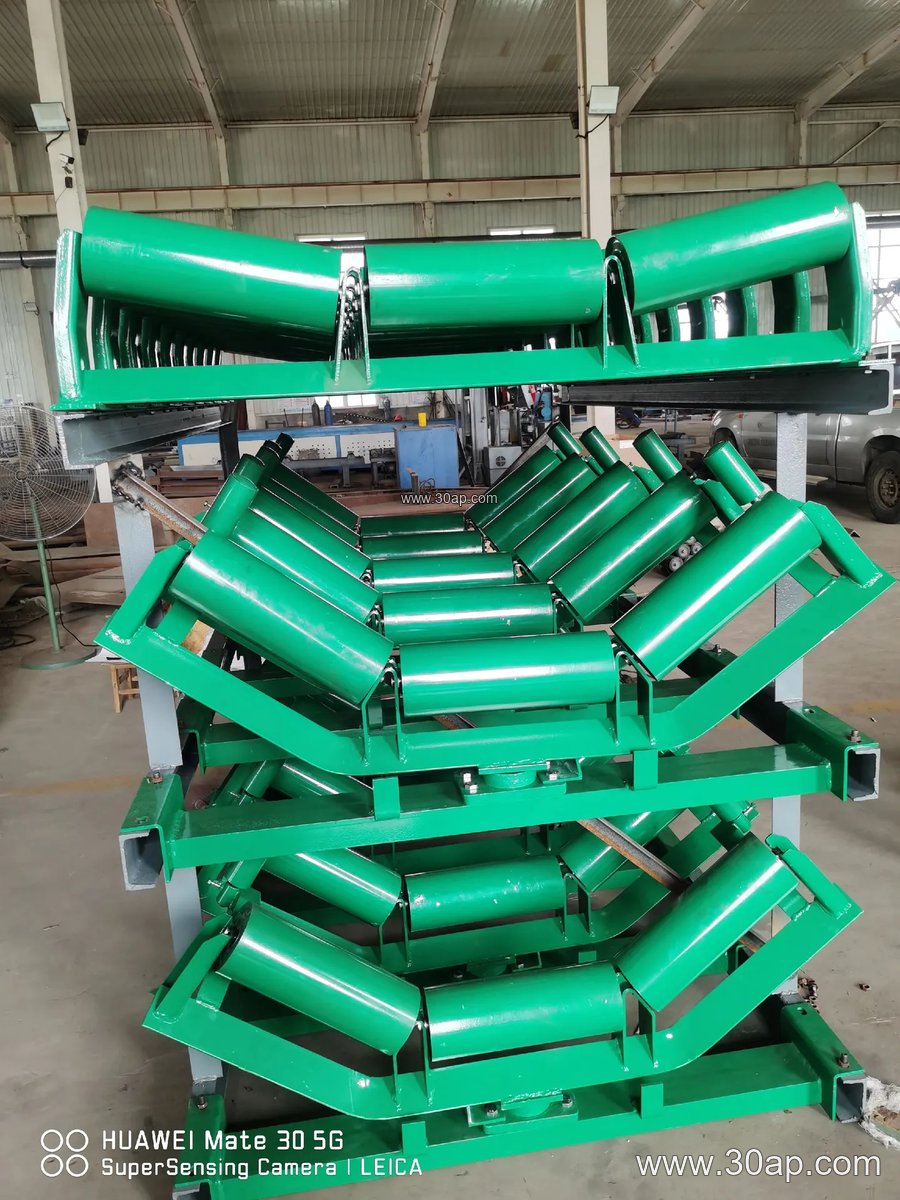
Most carrying brackets are fabricated from angle steel, channel steel or folded steel plate, then drilled, welded and coated. The frame usually consists of a cross beam, two end supports that bolt to the stringer, and angled seats that locate the side rolls. The center roll sits in a lower cradle.
- Cross beam and end plates carry the vertical load
- Angled roll seats define the trough angle
- Slotted or multi-hole mounts allow adjustment
- Welded gussets add stiffness at the corners
The bracket must match the idler shaft ends used on site. A Ø108 roll and a Ø159 roll need different seat geometry, so the bracket, roll diameter and belt width are normally specified as one package.
Trough Angle and Roll Diameter Choices
Trough angle controls how much the belt is cupped. Common values are 20, 30, 35 and 45 degrees. A 20-degree frame suits flatter, wider belts carrying light bulk material, while 35 or 45 degrees is often chosen where capacity matters and the belt is flexible enough to close around the load. Adjustable brackets let maintenance teams move between these angles without replacing the whole frame.
Roll diameter is chosen from load and belt speed, not from belt width alone. Typical carrying roll sizes are Ø89, Ø108, Ø133, Ø159 and Ø194. A B650 conveyor might run Ø89 rolls at 30 degrees, while a B1200 frame at 45 degrees may use Ø133 rolls. These are examples, not fixed pairings.
| Belt Width | Typical Trough Angle | Common Roll Diameter |
|---|---|---|
| B500–B650 | 20–30 degrees | Ø89, Ø108 |
| B800–B1000 | 30–35 degrees | Ø108, Ø133 |
| B1200–B1400 | 35–45 degrees | Ø133, Ø159 |
| B1600–B2000 | 35–45 degrees | Ø159, Ø194 |
Installation hole spacing and cross beam length change with belt width and trough angle, so the bracket should be ordered against the actual conveyor drawing rather than a generic list.
Where Carrying Brackets Are Used
You will find these frames on the load-carrying side of almost every bulk conveyor. In an iron ore or limestone mine, heavy-duty carrying brackets support abrasion resistant conveyor belt under sharp, dense rock. In a power plant coal yard, flame retardant conveyor belt runs on brackets that must stay aligned through long shifts. Sand and gravel lines, crusher discharge conveyors and port ship-loading systems all rely on the same principle.
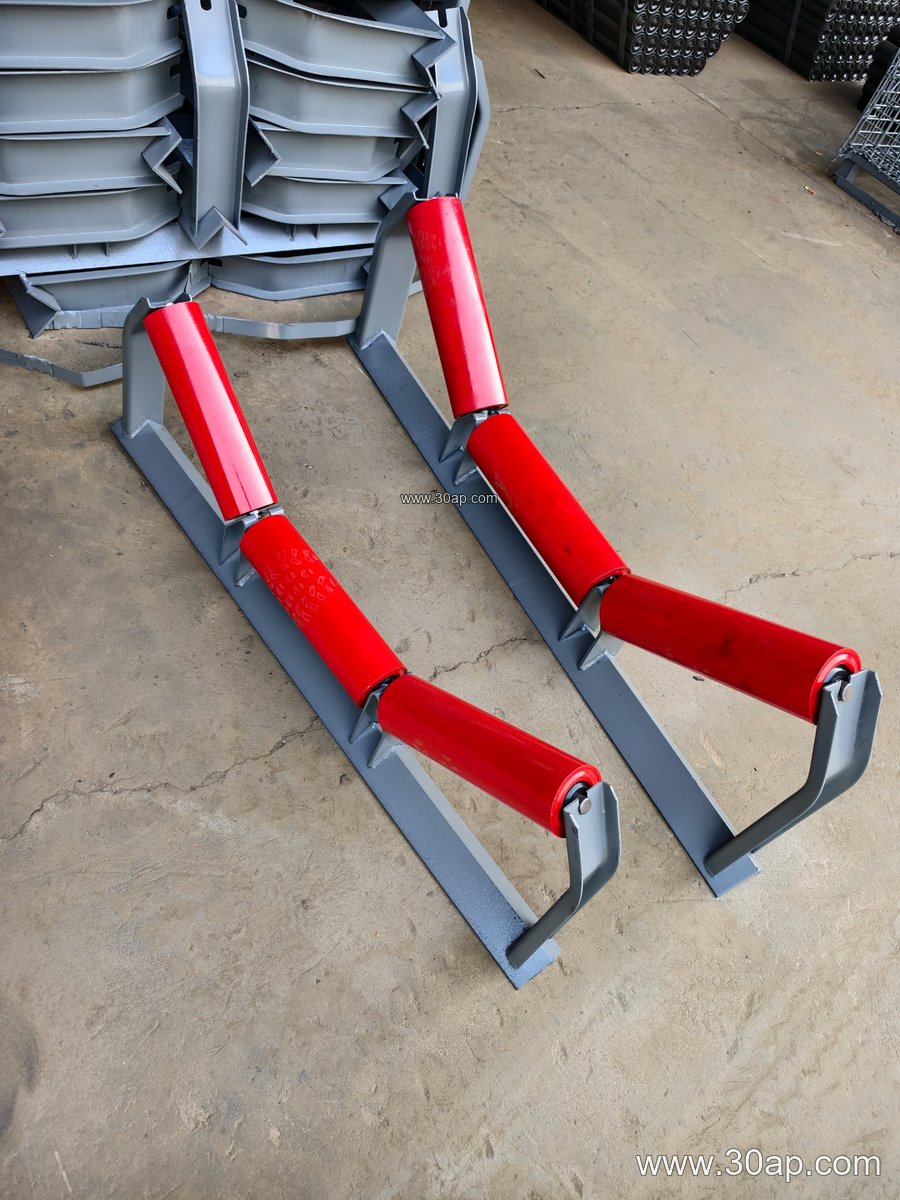
On inclined or curved routes, transition and self-aligning brackets are used near the feed point and around bends to guide the belt gently. Where impact is severe at a transfer chute, impact-resistant brackets with cushion rolls are fitted instead of standard carrying frames.
Fixed, Adjustable and Self-Aligning Variants
A fixed carrying bracket holds one trough angle for life and is the simplest, most economical choice. An adjustable bracket allows the angle to be changed on site, which helps when a conveyor is upgraded or when belt tracking needs fine tuning. Self-aligning and forward-leaning brackets add a small lead angle, often around 1.5 to 2 degrees, to correct belt drift.
These variants are not interchangeable with return brackets or bend pulley assemblies — each has its own job on the conveyor.
What Buyers Should Check
- Confirm belt width and trough angle from the conveyor drawing
- Match the bracket seats to the actual idler shaft and roll diameter
- Check material and coating for dusty, wet or corrosive sites
- Ask how the frame mounts to the stringer and whether slots allow adjustment
- Verify that spare rolls can be replaced without removing the whole bracket
Buyers comparing suppliers often find that a bracket built for a B1000 frame will not fit a B1400 stringer without new holes. Getting the drawing right at the quotation stage avoids downtime later. For conveyors handling sticky or wet material, a skirted conveyor belt or corrugated sidewall conveyor belt may be combined with the same carrying frames, provided the roll seats and clearances are checked.
Whether the plant is a gold mining conveyor, a fertilizer handling line or a recycling sortation floor, the carrying bracket remains a small but decisive part of belt support. Choosing it together with the idler roller and conveyor pulley keeps the whole load side consistent.