What the Tail Pulley Assembly Does
A tail pulley assembly is the return-end package that keeps a conveyor belt tracking, tensioned, and turning smoothly after it has discharged its load. It is not just a bare shell at the back of the frame. The assembly normally combines the tail pulley itself, the shaft and bearing housings, bearing seals, the take-up or tensioning connection, and often a transition or guide arrangement that helps the belt enter the return run without edge damage. In a quarry, a coal preparation plant, or a power plant coal yard, this component sits at the quiet end of the machine, yet it has a direct effect on belt life and on how often maintenance crews are called out.
Because the tail pulley is a distinct position in the conveyor, it should not be confused with a drive pulley or a bend pulley. A drive pulley transmits torque; a bend pulley changes belt direction; the tail pulley mainly supports and guides the returning belt and works with the tensioning system. That difference matters when specifying spares and when talking to a supplier about a replacement assembly.
Construction Details That Matter
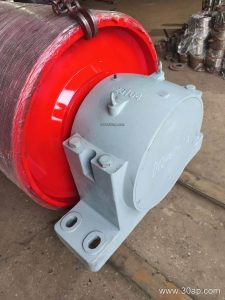
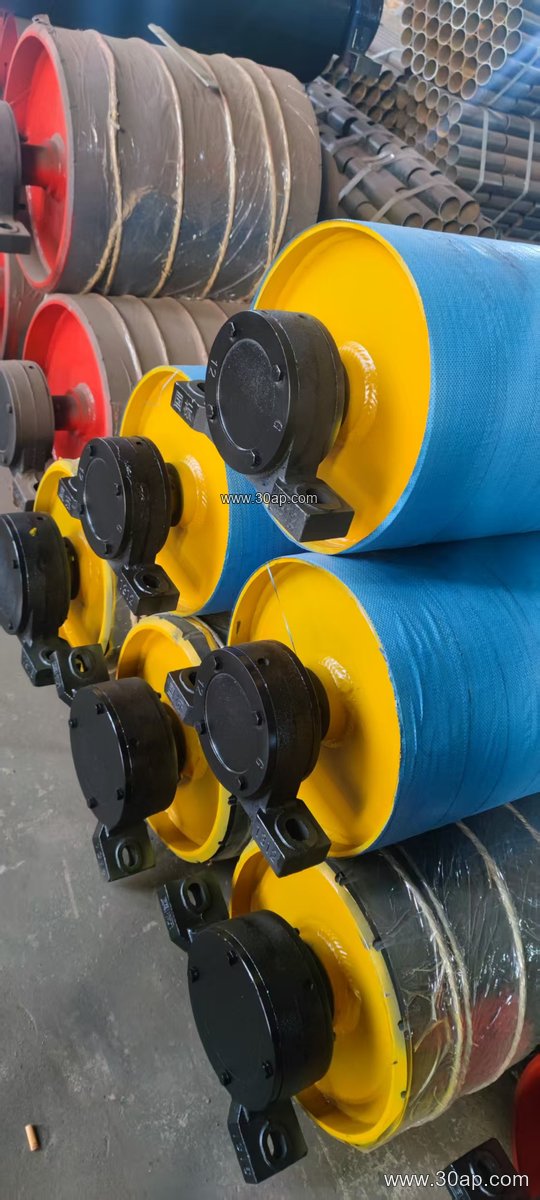
A typical assembly starts with a welded steel drum with machined end discs and a shaft that is sized by torque and radial load rather than by belt width alone. Bearing housings are usually bolted to the frame or to sliding take-up blocks, and labyrinth or contact seals protect the bearings from dust, water, and fines. In aggregate and cement plants, that sealing detail often decides how long the assembly lasts between overhauls.
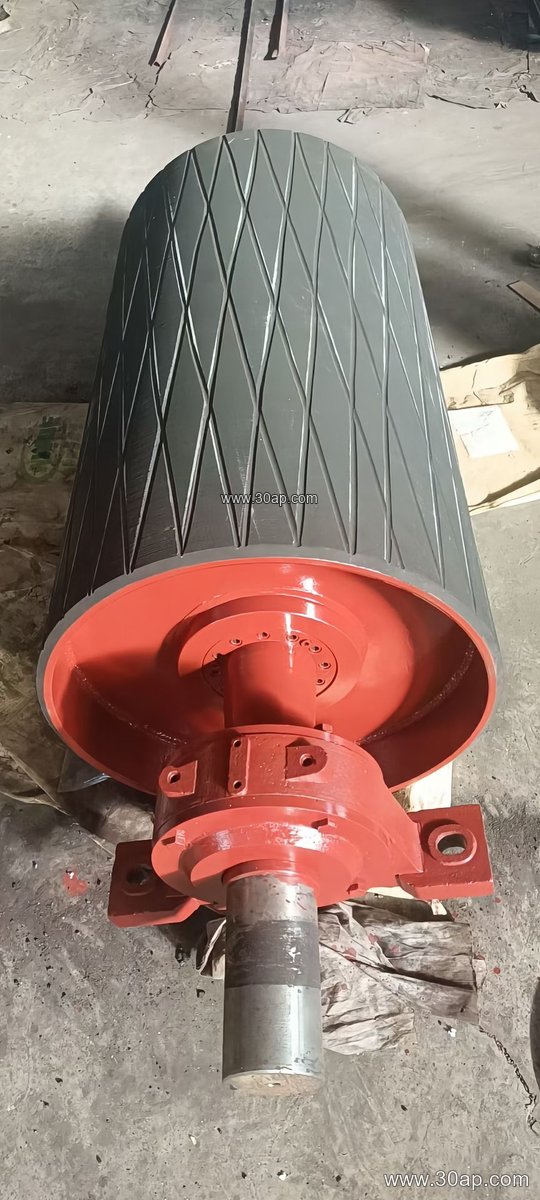
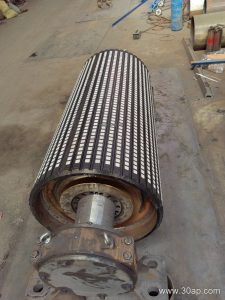
Surface treatment depends on duty. Plain finish is common where the belt is clean and well supported. Rubber lagging, cold-bonded or hot-vulcanized, improves grip and protects the shell in dusty service. Diamond or herringbone patterns help shed material and improve tracking on shorter centers. Ceramic lagging is chosen where abrasive carryback is heavy. Lagging thickness commonly ranges from 8 mm to 20 mm, and the choice should follow the actual wear pattern rather than a habit.
- Shell diameter and face width matched to the belt and frame
- Shaft diameter determined by load and torque calculation
- Bearing type and sealing suited to dust and moisture
- Lagging profile and thickness matched to tracking needs
- Take-up interface compatible with the existing tensioning stroke
Sizing the Assembly Without Guesswork
Buyers often ask for a simple belt-width-to-diameter rule. It is better to treat the following values as common reference combinations, not fixed matches. A B800 tail pulley might be supplied around Ø500, a B1200 unit around Ø1000, and a B1400 unit around Ø800, but the final diameter depends on belt tension, wrap angle, available space, and the take-up travel. The pulley face is usually wider than the belt, for example about 950 mm for B800 and about 1400 mm for B1200.
| Reference item | Common range |
|---|---|
| Belt width | B400 to B2400 |
| Pulley diameter | Ø200 to Ø1800 |
| Shaft diameter | Ø50 to Ø200, by design |
| Lagging thickness | 8, 10, 12, 15, 20 mm |
| Surface options | plain, rubber lagged, diamond, herringbone, ceramic |
Do not assume that one belt width can only pair with one pulley diameter, and do not derive a shaft size from belt width alone. A heavy-duty mining conveyor belt carrying iron ore at high tension may need a larger shaft and bearing than a lighter installation of the same width. Share the belt tension data, the duty, and the existing frame dimensions with the supplier.
Where It Fits in the Plant
In a limestone quarry or a sand and aggregate line, the tail pulley assembly usually sits under the crusher discharge or at the start of a transfer conveyor, where dust and fines are constant. In a coal handling system feeding a power plant, flame retardant conveyor belt and anti-static properties are often specified for the belt, while the tail pulley assembly is selected for dust sealing and easy bearing access. In a cement plant clinker circuit, heat and abrasion influence both the belt grade and the lagging choice.
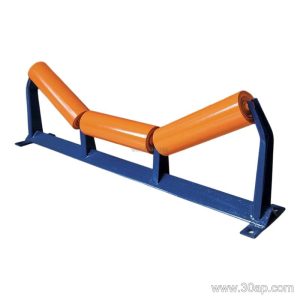
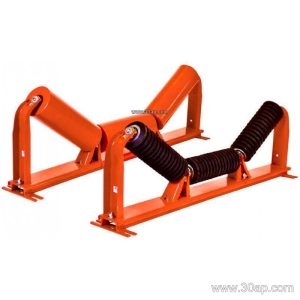
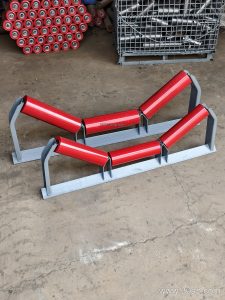
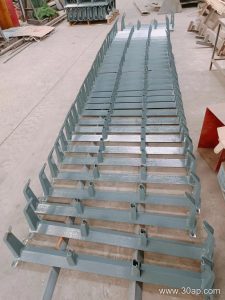
The assembly also has to work with its neighbors. A misaligned tail pulley will fight the conveyor idler roller set and wear the belt edges, while a worn return roller nearby can make a new pulley appear faulty. Check the frame, the conveyor bracket, and the transition idlers before blaming the pulley alone.
Buyer Checklist
- Confirm the position: tail, not drive or bend
- Provide belt width, belt type, and measured tension
- State the existing shaft and bearing housing dimensions
- Describe the material and the dust or moisture level
- Choose lagging by wear pattern, not by default
- Ask for the take-up connection detail and seal type
- Plan bearing access for routine greasing or replacement
A well-matched tail pulley assembly is a small part of the conveyor cost but a large part of its uptime. Matching the assembly to the belt, the frame, and the real operating environment is more useful than copying a catalog number from another plant.