What a Pipe Conveyor Belt Does
A pipe conveyor belt is a specialised conveyor belt that transitions from a flat shape at the loading point into a closed tube along the carrying run, then opens again at the discharge point. This design encloses the material, protecting it from wind, rain, and spillage while protecting the environment from dust. Unlike a standard rubber conveyor belt that remains troughed, the pipe conveyor belt relies on a series of idler rollers arranged in a hexagonal or circular pattern to form the tube. The same belt also functions as the return run, often running inside the same idler frame, which reduces the structural footprint compared with two separate conventional belts.
Construction and Key Components
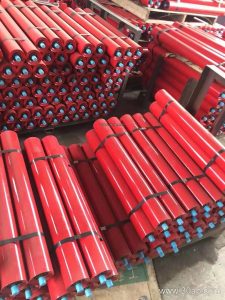
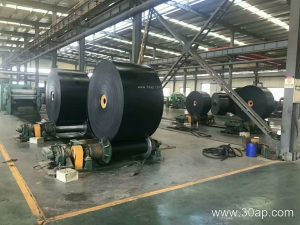
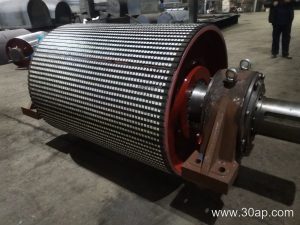
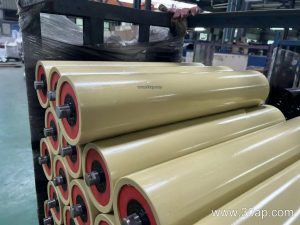
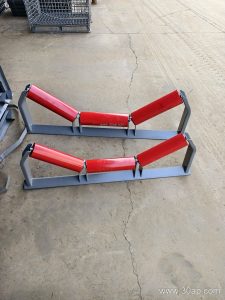
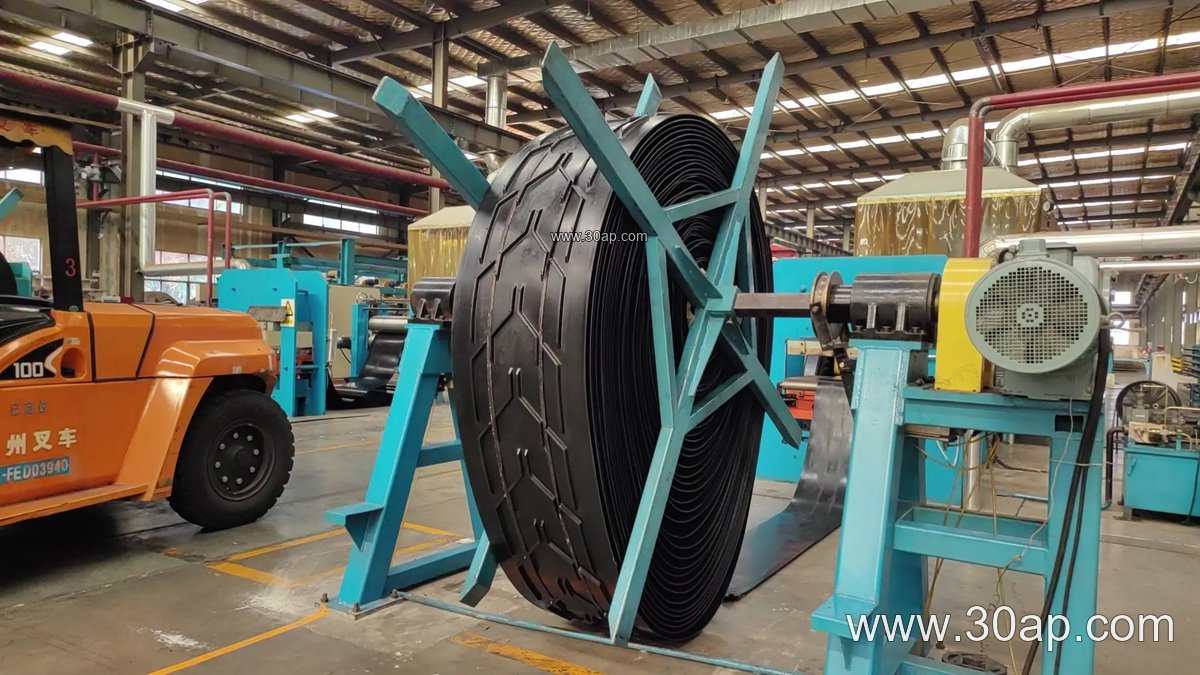
The belt itself is typically a fabric-cored or steel-cord construction with special edge profiles and overlap zones that allow the edges to interlock without clamping. Common carcass options include EP conveyor belt (polyester-nylon) and NN conveyor belt (nylon-nylon), with steel cord conveyor belt used for longer distances and higher tensions. The top and bottom covers are selected for the material – abrasion resistant, heat resistant, oil resistant, or flame retardant grades are available. The pipe is formed by idler roller assemblies mounted on conveyor bracket frames; the drive, tail, and bend pulleys are not interchangeable, and each has a distinct role in maintaining belt tension and transition geometry. A conveyor pulley with adequate lagging helps prevent slip at the drive.
Typical Industrial Applications
Pipe conveyor belts are common in cement plants, coal-fired power stations, steel works, ports, and mining operations where dust control and material containment matter. In a quarry or sand making plant, a pipe conveyor can carry crushed aggregate on a curved route around obstacles. Underground coal mining and tunnel projects use flame retardant and anti-static pipe belts to meet safety requirements. Ports and ship loading facilities favour pipe conveyors for handling bulk materials such as iron ore, copper ore, and fertiliser without generating airborne dust. The enclosed design also suits food grade and chemical resistant applications where contamination must be minimised.
Specifications and Selection Factors
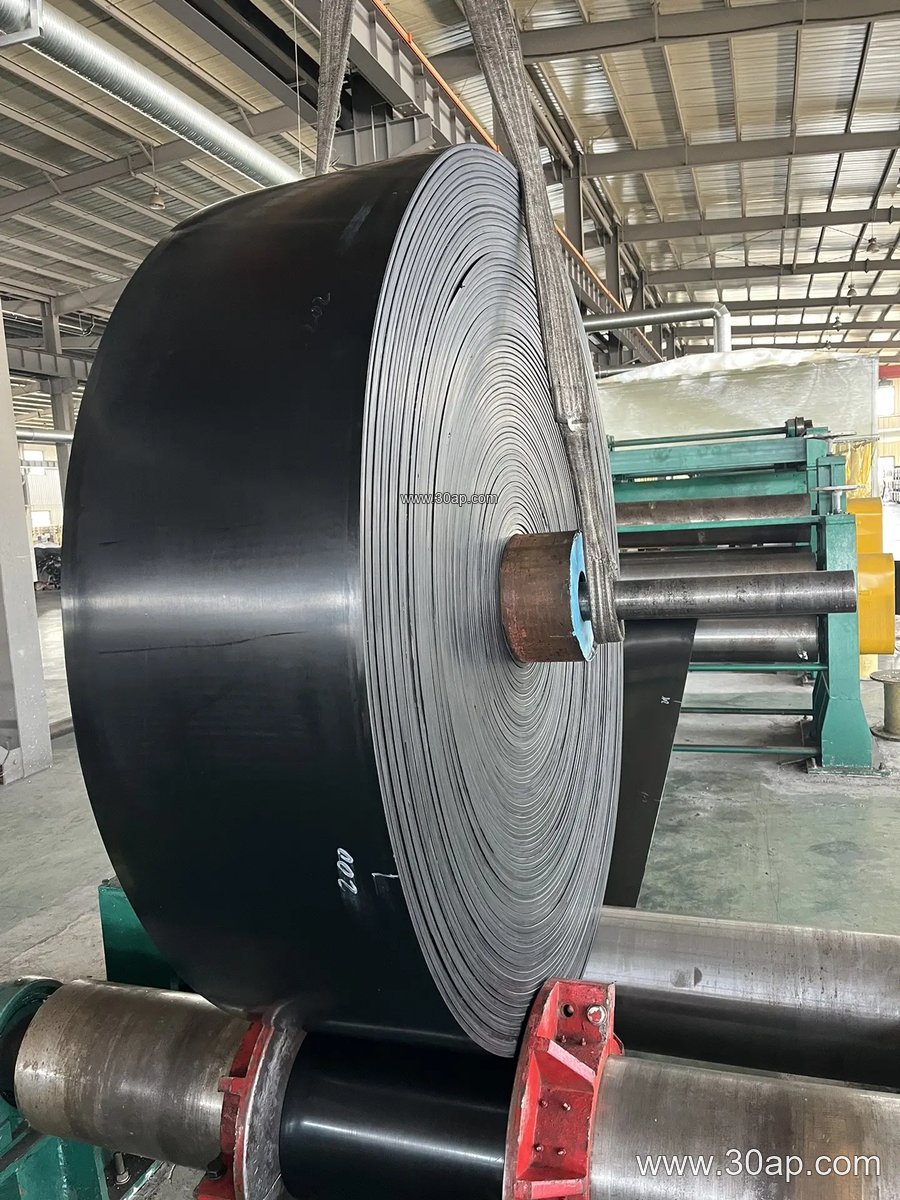
Buyers should match belt strength to the required tension and distance. Fabric-core pipe belts are often specified in EP grades such as EP200, EP400, EP630, EP800, or EP1000, while steel cord grades like ST1000, ST1600, or ST2500 may be needed for high-capacity, long-run systems. Belt width is selected according to the pipe diameter and material lump size; common widths include B800, B1000, B1200, B1400, and B1600. Cover thickness is usually expressed as top plus bottom, for example 4+2 mm or 6+2 mm, with 2 to 6 fabric plies typical for fabric-core constructions. The table below lists representative values for reference only – actual specifications are determined by the conveyor design.
| Parameter | Common reference values |
|---|---|
| Belt type | EP, NN, steel cord, PVC, PVG |
| Strength grade | EP200 to EP2000; ST1000 to ST3150 |
| Belt width | B500, B650, B800, B1000, B1200, B1400, B1600, B1800, B2000 |
| Cover thickness | 3+1.5, 4+2, 5+2, 6+2, 8+3 mm |
| Fabric plies | 2 to 6 |
Specialty grades include heat resistant conveyor belt for clinker and sinter, oil resistant conveyor belt for recycled materials, and abrasion resistant conveyor belt for sharp rock. A chevron conveyor belt or corrugated sidewall conveyor belt may be considered for steep inclines, but these are different belt types and cannot replace a pipe conveyor belt where full enclosure is required. Similarly, a skirted conveyor belt offers containment on a flat run but does not form a closed pipe.
Buyer Checklist and Maintenance Notes
- Confirm the pipe diameter and idler arrangement with the conveyor designer, as belt width alone does not dictate pulley or shaft dimensions.
- Check that the belt edge profile matches the idler panel geometry to avoid edge damage during closing and opening.
- Specify cover grade according to material temperature, oil content, and flammability requirements.
- Plan for belt turnover and alignment checks at the transition zones, where most wear occurs.
- Keep spare idler roller and conveyor bracket components for routine replacement.
For more information on pipe conveyor belt options and related components, visit example.com/pipe-conveyor-belt or example.com/conveyor-belt.