What a Return Idler Set Does on a Conveyor
A return idler set is the group of rollers mounted under the carrying side of a conveyor belt to support the empty strand on its way back to the tail end. While the upper troughing idlers carry the loaded belt, the return idler set keeps the returning belt from sagging, reduces friction, and helps the belt track in a stable line. In a quarry, a cement plant, or a power plant coal yard, this lower support group is easy to overlook, yet it directly affects belt life and drive power consumption.
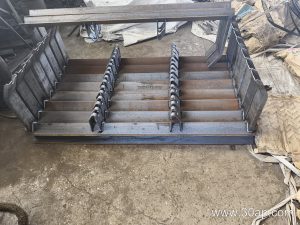
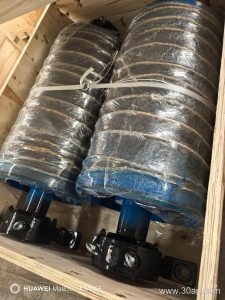
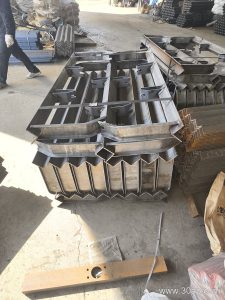
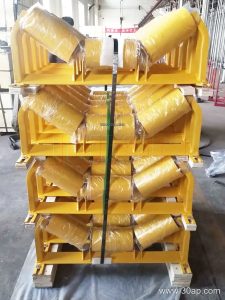
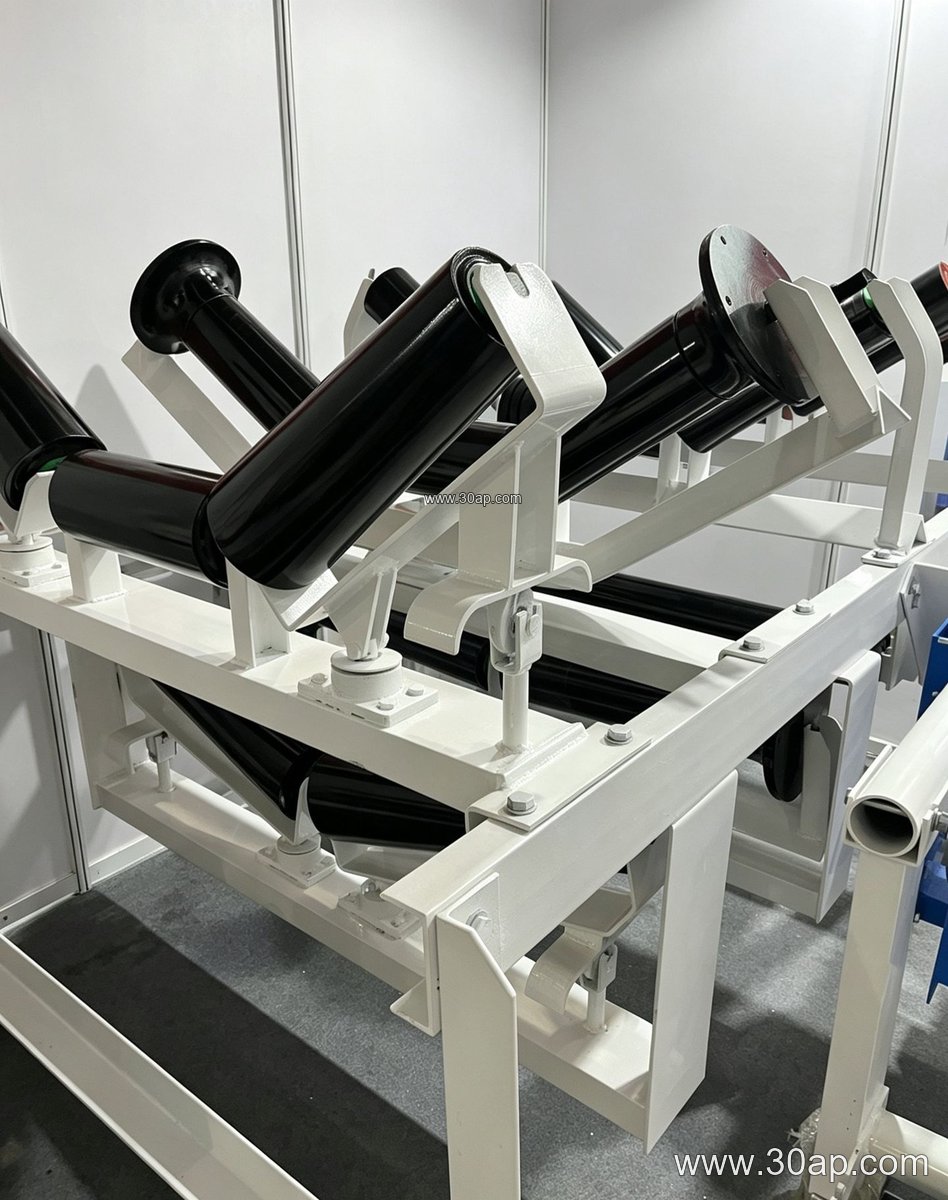
The set usually consists of one or more rollers, their shafts, bearing housings, and the mounting frames or brackets that fix them to the conveyor structure. Depending on the design, the set may be a single flat roller, a two-roller V arrangement, or a multi-roller group. It is a distinct product from the drive pulley, tail pulley, or bend pulley, and none of these can be swapped for another.
Construction and Common Configurations
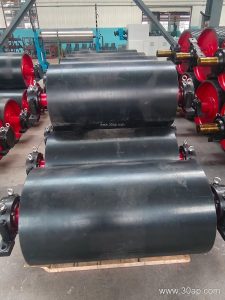
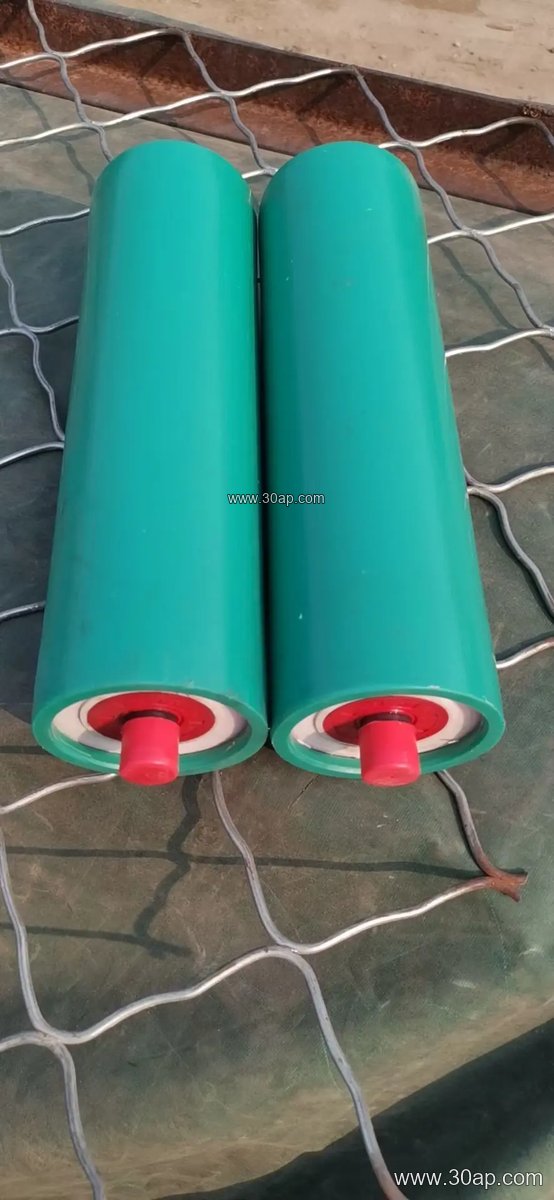
Most return idler sets use a steel tube shell with welded end caps and sealed bearings. Roller surfaces may be plain steel, nylon, or rubber-covered, and rubber rings are sometimes used where material buildup or impact is a concern. Bearing sizes commonly include 6204, 6205, 6305, 6306, 6308, and 6310, matched to the roller diameter and load rather than to belt width alone.
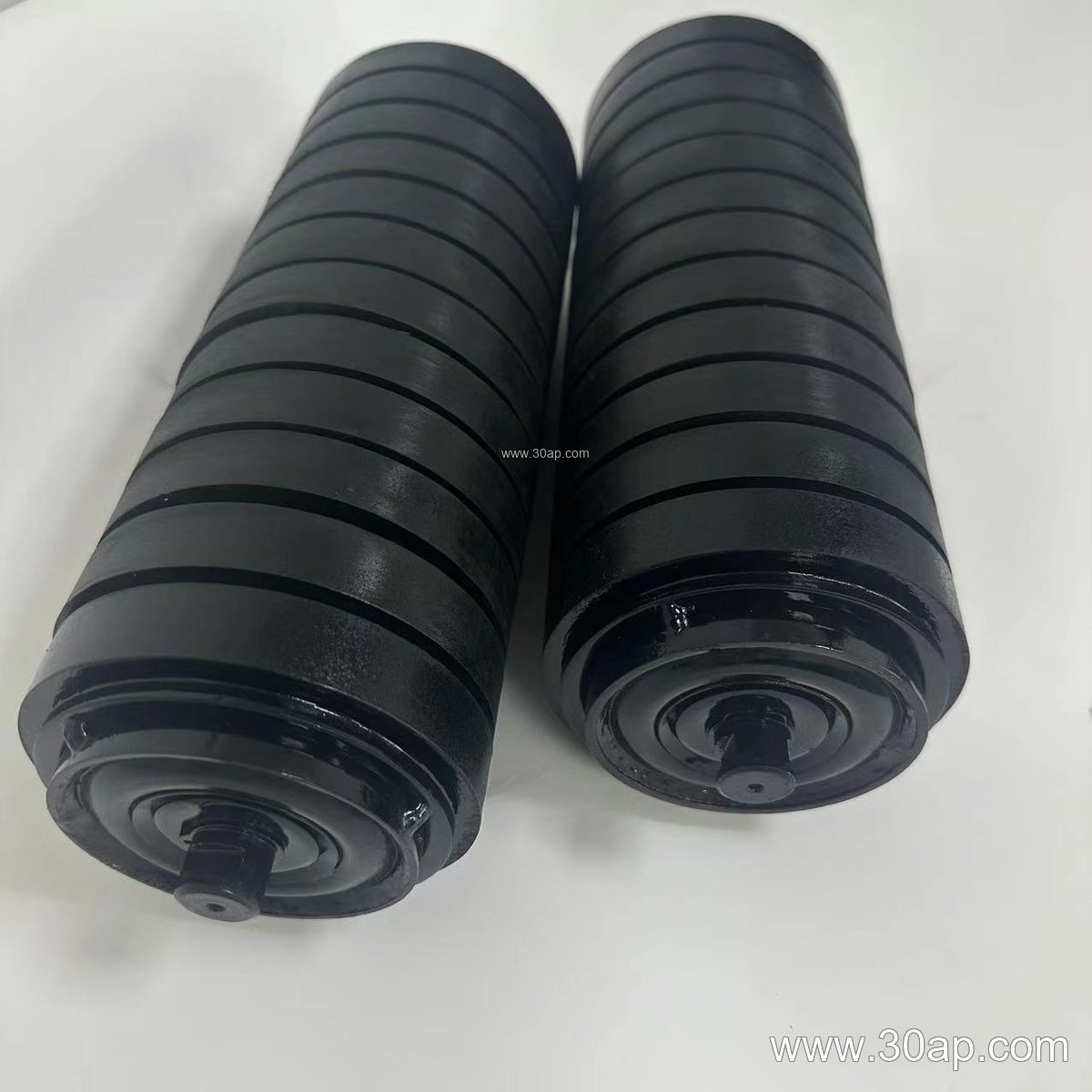
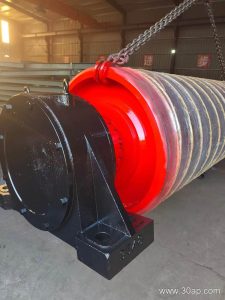
Common roller diameters include Ø63, Ø76, Ø89, Ø102, Ø108, Ø127, Ø133, Ø159, Ø178, Ø194, and Ø219 mm. The set can be supplied as a single-roller flat return, a two-roller V-type, or a self-aligning group with tapered rollers. Where sticky material tends to wrap around the shell, a spiral or disc return roller may be chosen instead of a plain flat roller.
| Item | Common Range | Notes |
|---|---|---|
| Roller diameter | Ø63 to Ø219 mm | Selected by load and belt speed |
| Belt width | B400 to B2400 | Roller length follows belt width and frame form |
| Bearing | 6204, 6205, 6305, 6306, 6308, 6310 | Not fixed to one roller diameter |
| Surface form | Steel, nylon, ceramic, rubber ring | Rubber ring helps with buildup and impact |
Roller length is usually set by belt width, trough angle, and the number of rollers in the group. For reference, a three-roller troughing set might use a roller length of about 200 mm at B500, 250 mm at B650, 315 mm at B800, 380 mm at B1000, 465 mm at B1200, 530 mm at B1400, 600 mm at B1600, 670 mm at B1800, and 750 mm at B2000. These are typical examples only; side rollers and center rollers can differ, and the return set itself follows its own frame design.
Where the Set Fits in Different Industries
In a limestone quarry or an aggregate crushing line, the return idler set sits below a belt that may be carrying abrasive rock, so a robust shell and good sealing matter. In a coal washing plant or a power plant coal handling system, flame retardant and anti-static properties are often required from the belt itself, and the return rollers should be selected to suit the same dusty, sometimes wet environment.
Heavy-duty mining conveyors that run a steel cord conveyor belt or a thick EP conveyor belt place higher loads on every roller, so the return group needs adequate bearing capacity and a sturdy bracket. In a cement plant, fine dust can enter bearing seals, and a well-sealed return roller reduces maintenance stops. Ports and ship loading lines may use very wide belts, where a multi-roller return set distributes the belt weight more evenly than a single roller.
Where the belt is a pipe conveyor belt or a corrugated sidewall conveyor belt, the return arrangement follows the special belt profile and should be confirmed with the conveyor designer. The same applies to a heat resistant conveyor belt or an oil resistant conveyor belt, where the roller surface and bearing lubricant should tolerate the local conditions.
Selection Points for Buyers
- Match the frame, not just the roller. Confirm the bracket hole spacing, shaft ends, and mounting height so the return idler set fits the existing conveyor bracket.
- Check belt width and roller length together. A B800 belt does not automatically dictate one roller diameter, and a given roller diameter does not lock the set to one belt width.
- Consider the environment. Dust, moisture, and temperature affect seal choice and surface form. A rubber-covered roller can help in wet or sticky service.
- Look at the whole belt line. A return set works with the conveyor pulley, the troughing idlers, and the belt itself. A mismatch in one part shows up as belt wander or edge wear.
- Plan for replacement. Standardized roller diameters and bearing sizes make future spare parts easier to source.
Installation and Maintenance Notes
Align the return idler set square to the belt centerline and check that all rollers turn freely before tensioning. A return roller that seizes will flat-spot the belt and can damage the nearby conveyor pulley. During routine inspection, listen for bearing noise, check for material wrap on the shell, and confirm that the set still sits firmly in its bracket. On abrasive duties such as an iron ore or copper ore line, shorter inspection intervals are sensible.
For more on matching belts and rollers, see the conveyor components information at www.beltconveyorsolution.com and the roller guidance at www.beltconveyorsolution.com. A return idler set chosen with the belt width, load, and site conditions in mind will give longer service than one picked by roller diameter alone.