What a Belt Tracking Idler Does
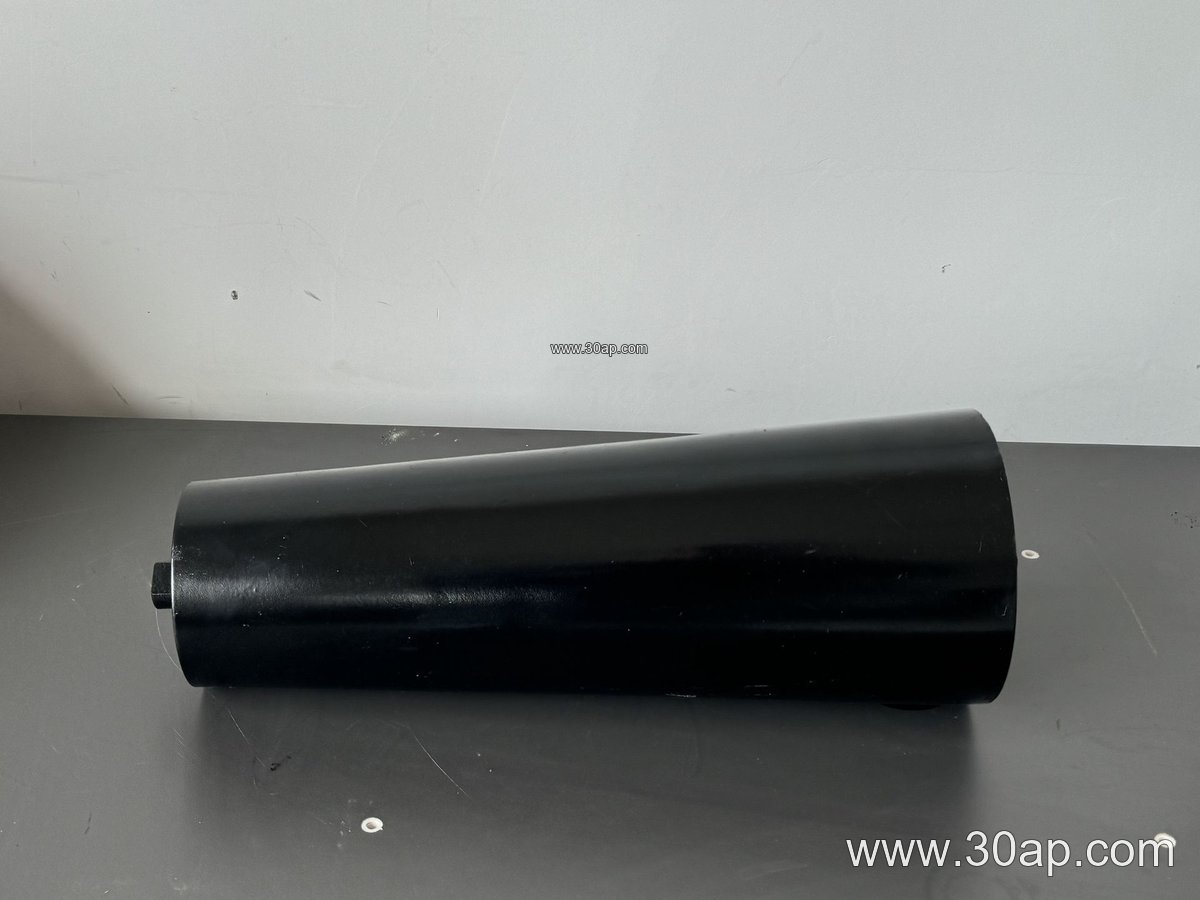
A belt tracking idler is a specially arranged idler roller that guides the conveyor belt back to the center of the carrying run. Instead of supporting the belt with a fixed flat or troughed profile, this idler uses a slight forward tilt or a tapered roller shape to create a gentle steering effect. In a quarry, a cement plant, or a coal mining conveyor system, even a small misalignment can cause edge wear, spillage, and premature damage to the conveyor belt. The tracking idler corrects that drift before it becomes a bigger problem.
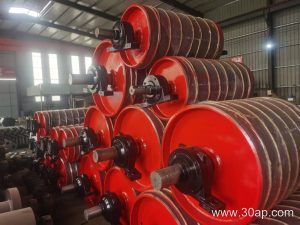
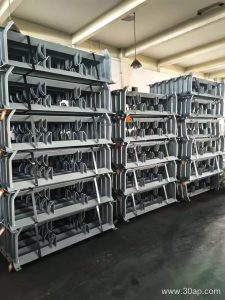
Although the name sounds similar to a standard carrying idler, the belt tracking idler is a distinct component. It is often installed in pairs or as a group on the return side or along the carrying side where the belt tends to wander. It works alongside the conveyor pulley, conveyor bracket, and main idler roller frame, but it should not be confused with a drive pulley or tail pulley, which serve different mechanical roles.
How the Tracking Idler Is Built
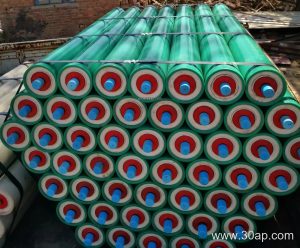
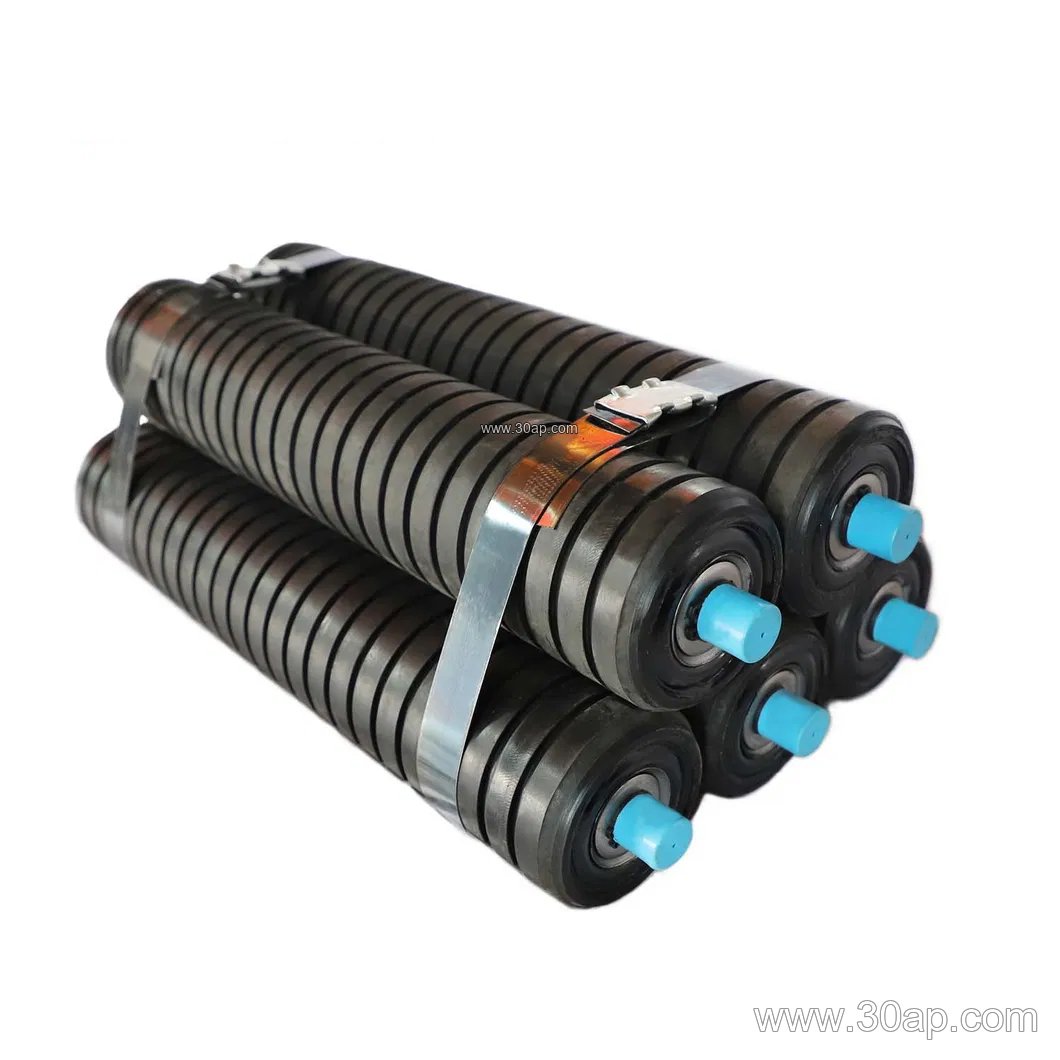
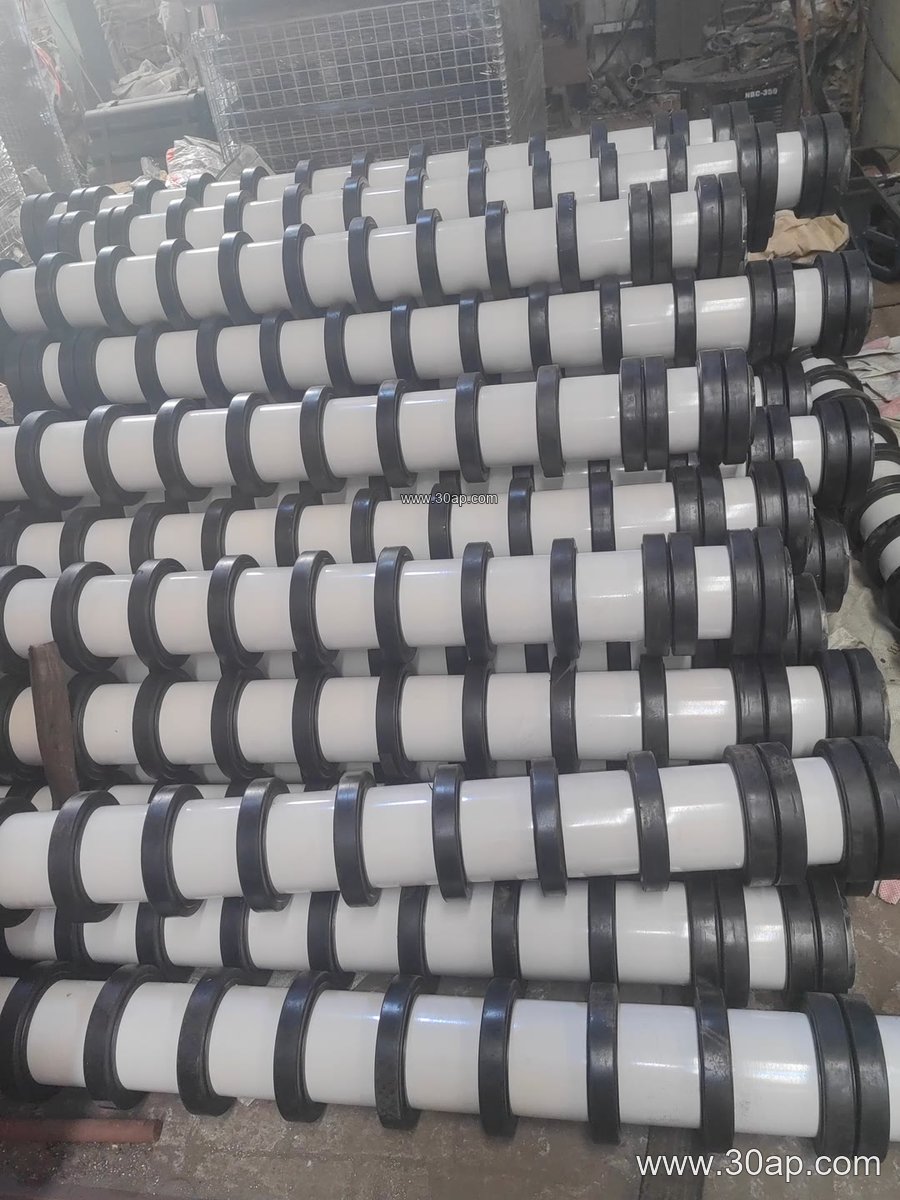
Most belt tracking idlers share the same basic construction as other idler rollers: a steel tube shell, bearing housings, a shaft, and a sealing system. What sets them apart is the roller surface and mounting angle. Common surface forms include plain steel, nylon, rubber lagging, and ceramic tiles. The rubber or ceramic versions are often chosen in abrasive conditions such as iron ore or copper ore handling, where a standard steel roller may wear quickly.
The idler group may be a single roller, a two-roller arrangement, or a three-roller troughed set. For tracking purposes, the side rollers are frequently tilted forward by about 1.5 to 2 degrees. This small lead angle is enough to nudge the belt back toward the center line. Bearing sizes such as 6204, 6205, 6305, 6306, 6308, and 6310 are common in these rollers, but the bearing number should always be matched to the actual load and shaft design, not chosen from belt width alone.
Where It Fits on the Conveyor
A belt tracking idler is typically placed at points where belt alignment is most critical: after the loading point, before the head pulley, and along long straight sections. In a stone crushing plant or sand making line, the belt can shift after receiving uneven material from a crusher. In a power plant coal handling system, wind and variable feed rates can push the belt off center. The tracking idler responds to these conditions without needing constant manual adjustment.
It is important to remember that the tracking idler is not a replacement for a bend pulley or a snub pulley. Those pulleys change the belt path, while the tracking idler controls lateral position. A well-designed conveyor may use both: a conveyor pulley to route the belt and a set of tracking idlers to keep it centered.
Common Sizes and Arrangements
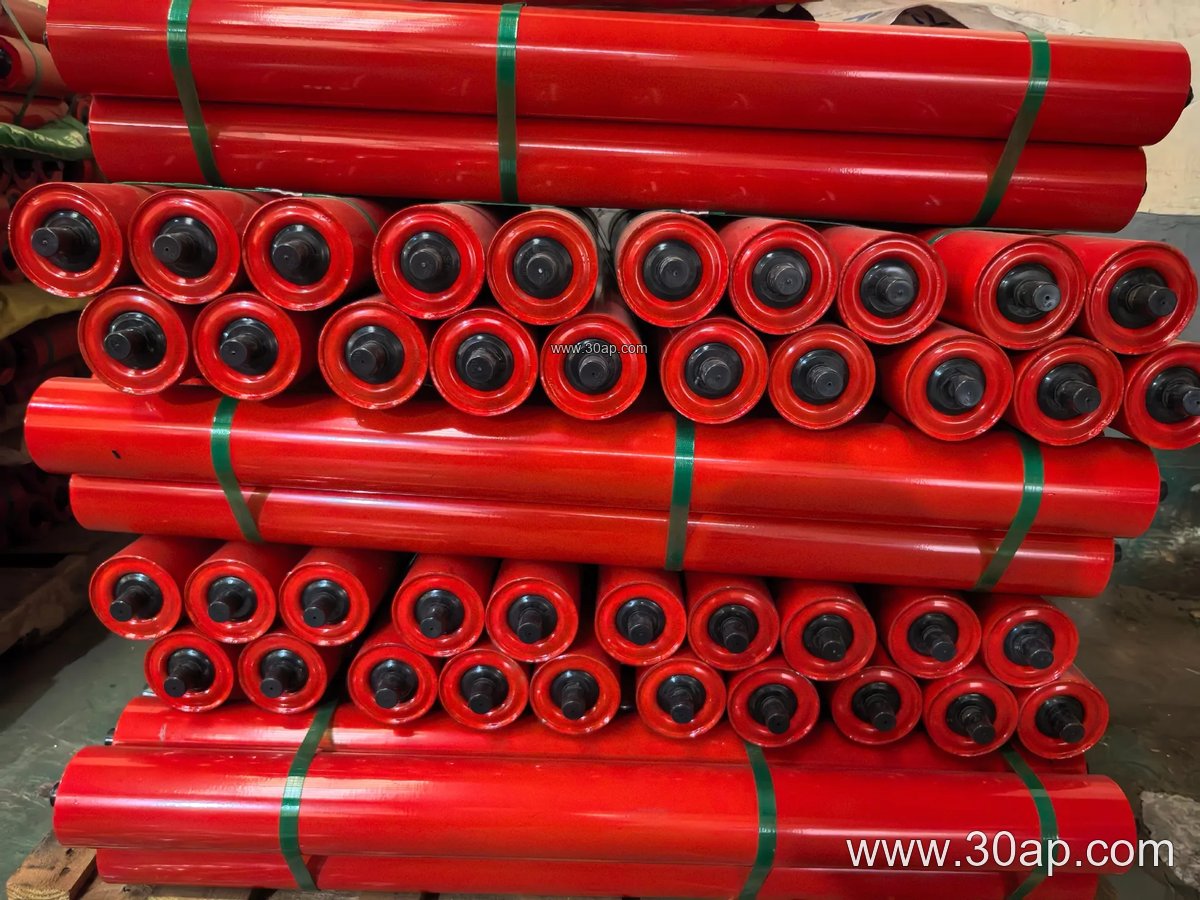
Belt tracking idlers are available for a wide range of belt widths, from B400 up to B2400. The roller diameter is usually selected according to the belt width, load, and speed. Typical diameters include Ø63, Ø76, Ø89, Ø102, Ø108, Ø127, Ø133, Ø159, Ø178, Ø194, and Ø219. The table below shows common reference values for troughed idler sets; these are examples, not fixed rules, and side rollers may differ from center rollers.
| Belt Width | Common Roller Length (three-roll trough) | Typical Roller Diameter Range |
|---|---|---|
| B500 | 200 mm | Ø63 to Ø89 |
| B650 | 250 mm | Ø76 to Ø108 |
| B800 | 315 mm | Ø89 to Ø127 |
| B1000 | 380 mm | Ø108 to Ø133 |
| B1200 | 465 mm | Ø108 to Ø159 |
| B1400 | 530 mm | Ø127 to Ø178 |
| B1600 | 600 mm | Ø133 to Ø194 |
| B1800 | 670 mm | Ø159 to Ø219 |
| B2000 | 750 mm | Ø178 to Ø219 |
These dimensions are for general reference. The actual roller length depends on belt width, trough angle, and the idler group design. Trough angles of 20, 30, 35, and 45 degrees are common, and the chosen angle affects how the belt sits on the rollers. A forward tilt of about 1.5 to 2 degrees is often used on tracking idlers, but the exact setting should follow the conveyor designer’s recommendation.
Selection and Maintenance Notes
When choosing a belt tracking idler, consider the conveyor belt type and the material being handled. A rubber conveyor belt carrying hot clinker in a cement plant may need heat resistant idler surfaces, while a coal mining conveyor belt with flame retardant properties may require idlers that do not generate sparks. In a port handling bulk material conveyor belt, corrosion-resistant coatings can extend service life. The idler should match the belt width and the load, but there is no single belt width that dictates one pulley diameter or one shaft size.
Maintenance is straightforward: check for free rotation, worn roller surfaces, and damaged seals. A tracking idler that stops turning can flat-spot the belt or cause friction. Inspect the mounting brackets and frame for loose bolts, especially in high-vibration areas such as a crusher discharge. Replacing a worn tracking idler early is cheaper than replacing a damaged conveyor belt.
For more information on idler rollers, conveyor pulleys, and conveyor brackets, visit www.example.com/belt-tracking-idler.