What the Feed-End Pulley Does
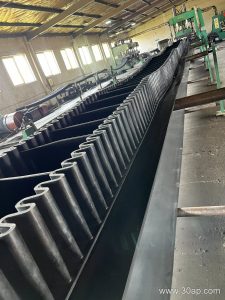
The feed-end pulley is the roller at the loading point of a belt conveyor, where bulk material first lands on the belt. In many layouts it also acts as the tail pulley, supporting the return side and helping to keep the belt tracking straight as it comes back around. Its position makes it a reference point for the whole loading zone, so alignment here affects belt life, spillage, and how evenly the load sits on the belt.
This roller is often grouped with other conveyor pulleys, but it should not be confused with a drive pulley or a bend pulley. The drive pulley transmits torque; the feed-end pulley mainly guides and supports. A bend pulley changes belt direction elsewhere along the run. Each has its own job, and swapping roles in a design creates tracking and tension problems.
Construction and Surface Options
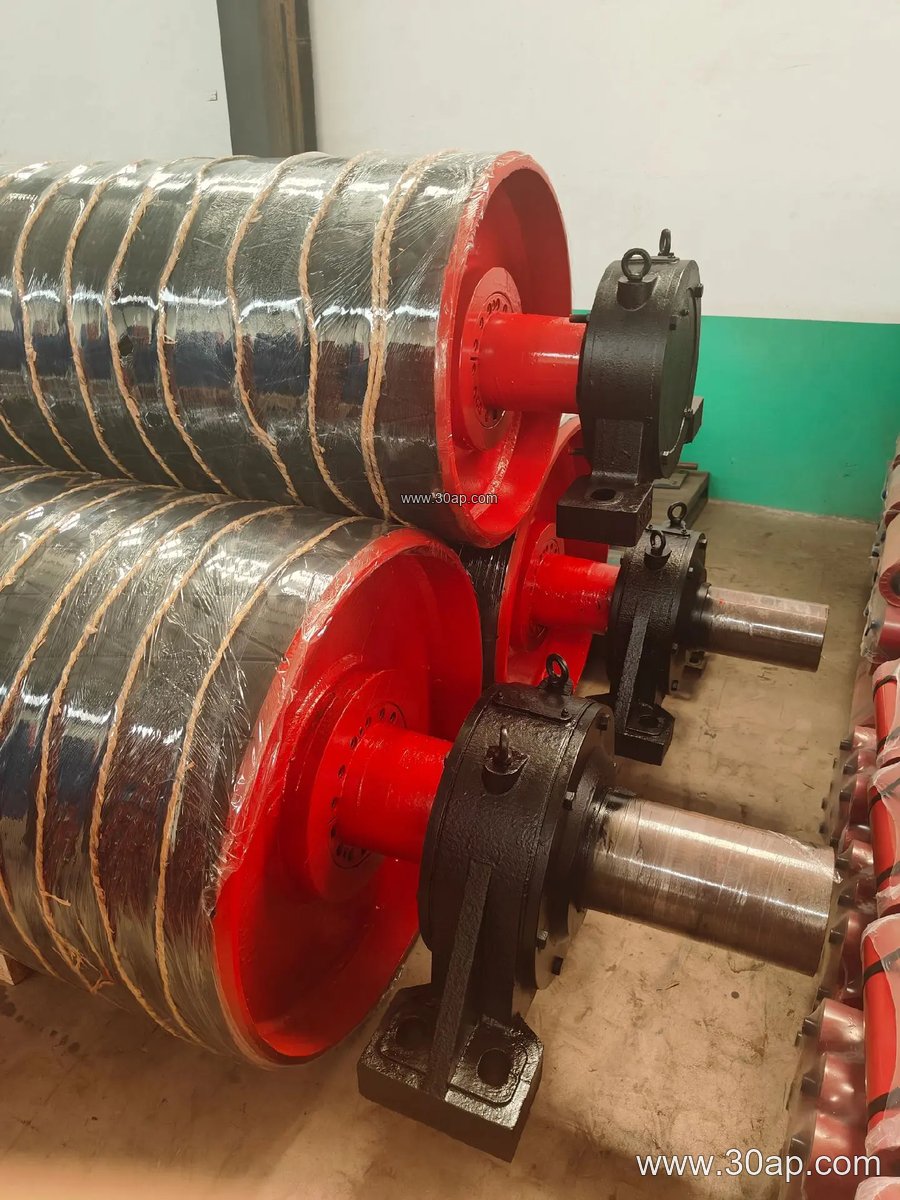
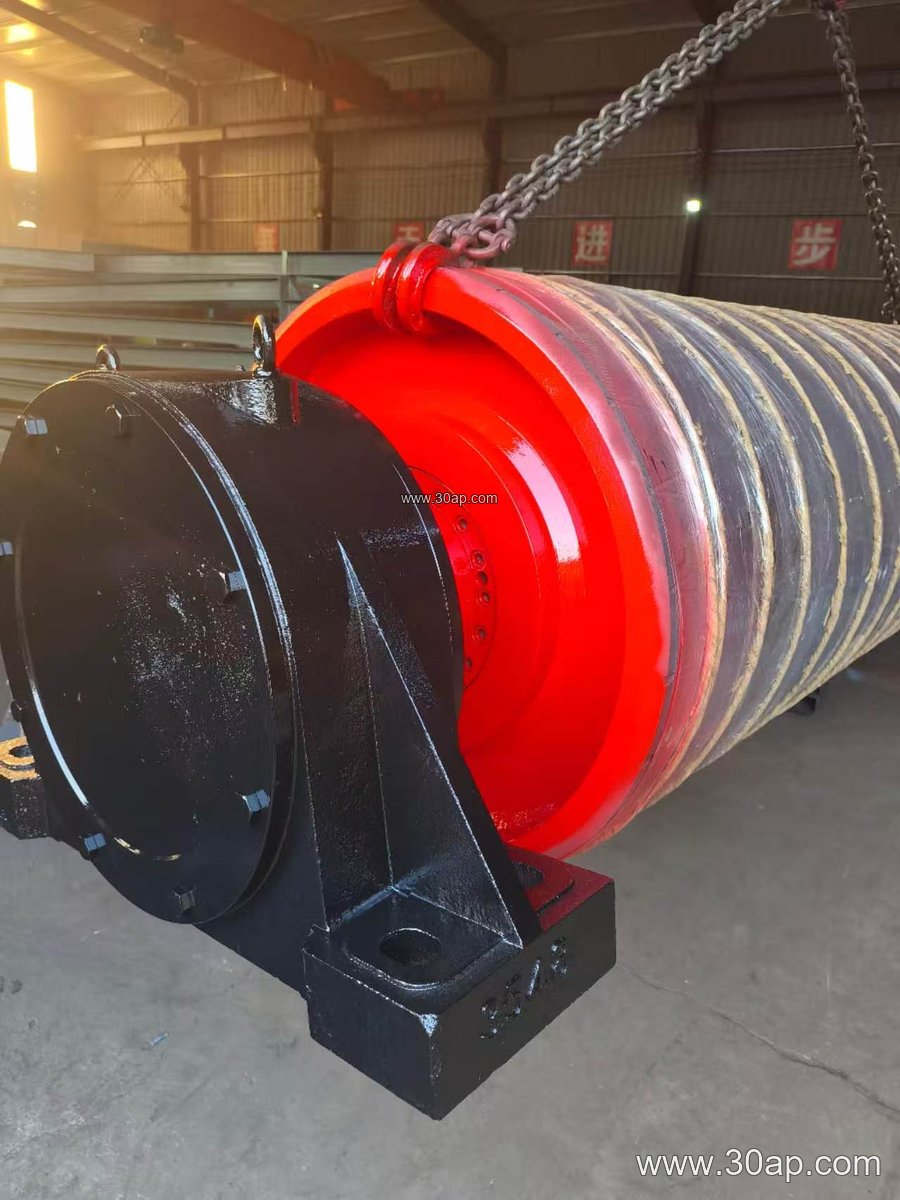
Most feed-end pulleys are built around a steel drum with welded end discs and a through shaft, machined for balance. The shell may be plain, rubber lagged, or ceramic lagged, depending on whether grip and wear protection matter at the loading point. Lagging thickness commonly runs 8, 10, 12, 15, or 20 mm, with diamond or herringbone patterns used where slip and material build-up are concerns.
- Plain shell for light, clean duty
- Cold-bonded or hot-vulcanized rubber lagging for general grip
- Diamond or herringbone lagging for wet or dusty conditions
- Ceramic lagging for high-wear loading zones
Shaft diameter is set by torque and load, not by belt width alone. Common shaft sizes range from Ø50 to Ø200 mm, and the final value should come from the conveyor designer. Shell diameter is often chosen between Ø200 and Ø1800 mm depending on belt tension and space.
Matching Belt Width to Pulley Dimensions
The pulley face width is usually a little wider than the belt so the belt is fully supported without edge rubbing. Reference combinations such as B800 × Ø500 or B1200 × Ø1000 are useful starting points, but no single diameter is mandatory for a given width. A wider belt does not automatically mean one fixed shaft size either.
| Belt width | Typical pulley face width | Example diameter range |
|---|---|---|
| B500 | about 600 mm | Ø250 to Ø400 |
| B650 | about 750 mm | Ø315 to Ø500 |
| B800 | about 950 mm | Ø400 to Ø630 |
| B1000 | about 1150 mm | Ø500 to Ø800 |
| B1200 | about 1400 mm | Ø630 to Ø1000 |
| B1400 | about 1600 mm | Ø800 to Ø1250 |
The belt itself matters too. A heavy-duty mining conveyor belt or a steel cord conveyor belt carries more tension than a light fabric core belt, which influences the pulley diameter needed to limit bending stress. In coal mining and quarry work, abrasion resistant conveyor belt grades are common, and the pulley lagging should be selected to match that wear environment.
Where It Fits in the Plant
Feed-end pulleys appear across bulk handling industries. In a limestone quarry or aggregate line, they sit under the crusher discharge where impact and dust are constant. In a coal washing plant or power station coal yard, they handle steady streams of fuel with a flame retardant conveyor belt nearby. Cement plants use them on clinker and raw meal circuits, and port bulk terminals rely on them at ship loading points.
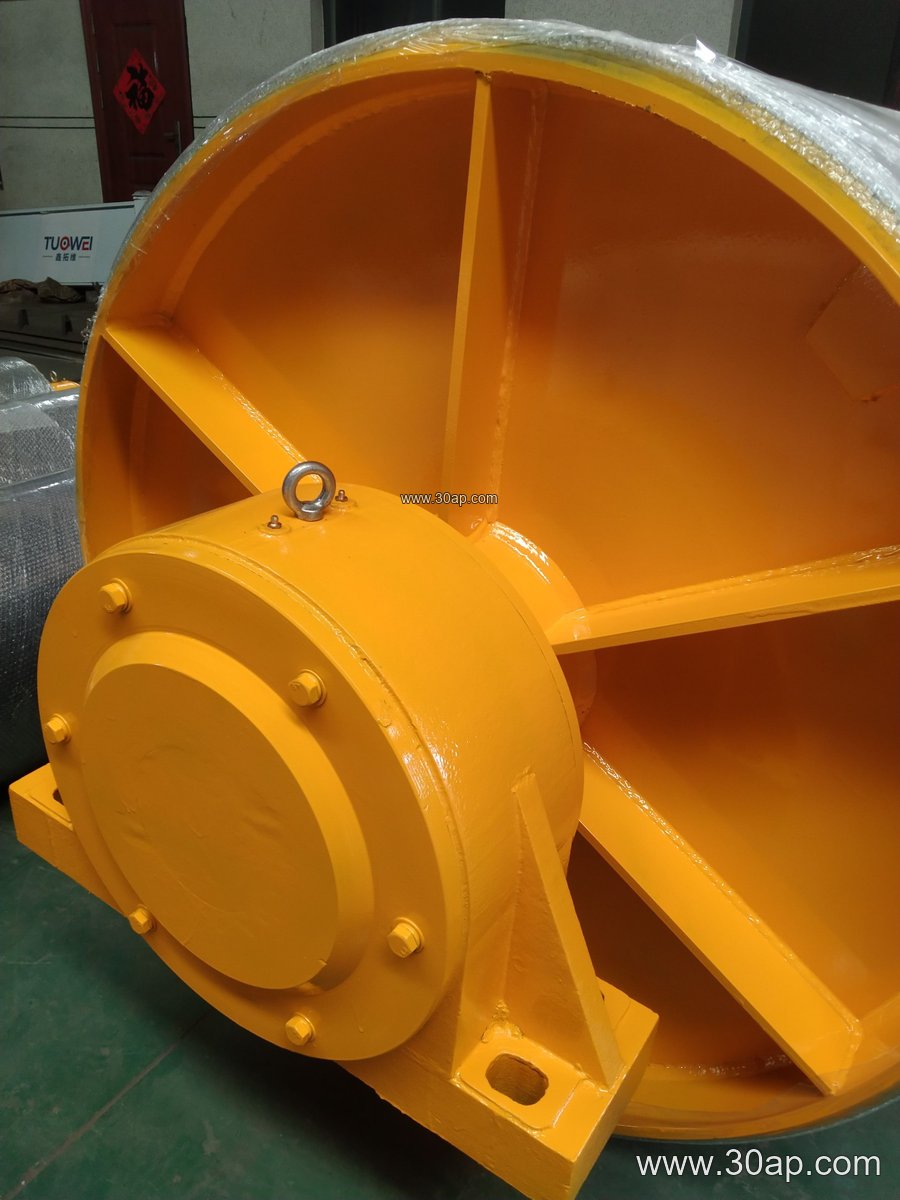
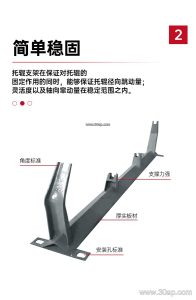
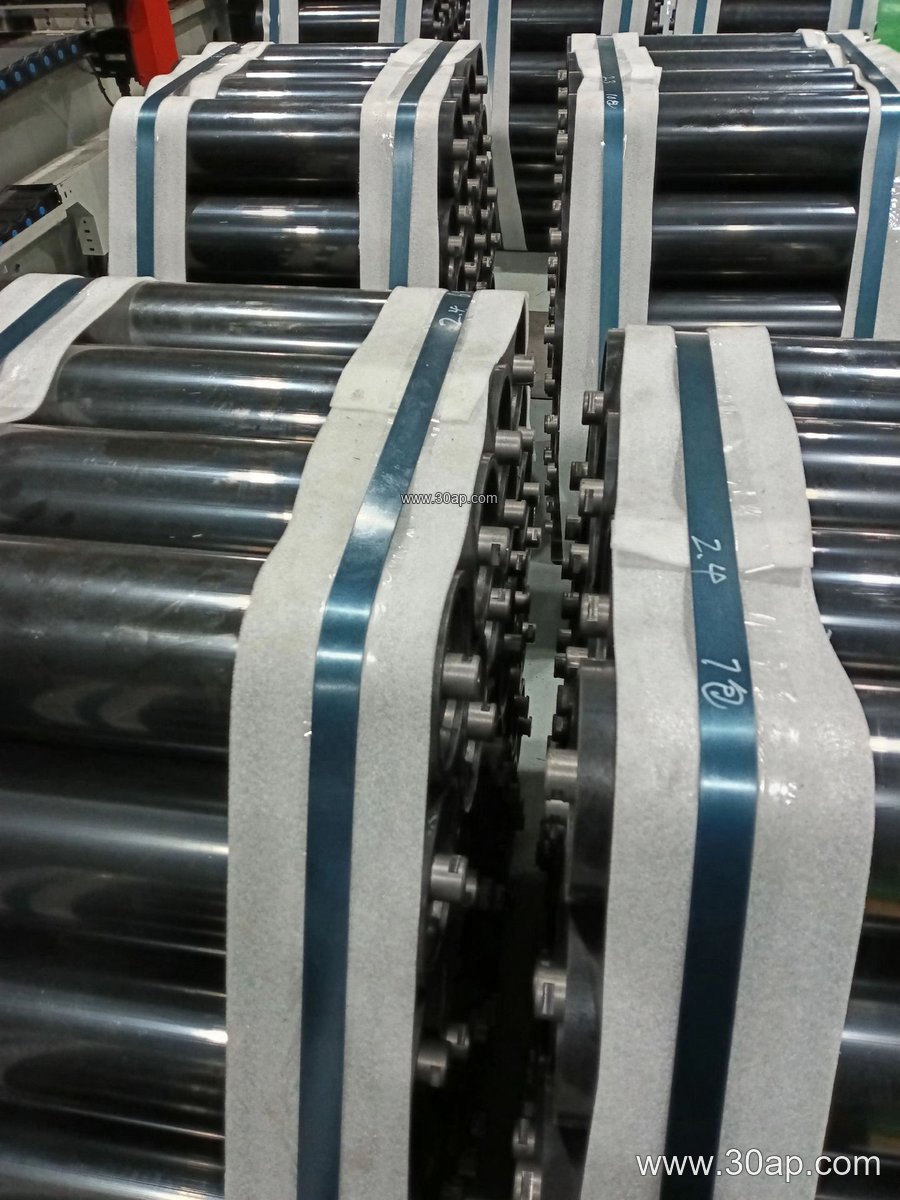
Good practice at the loading point includes checking that the conveyor bracket and frame are square, that the idler roller set just after the pulley supports the belt properly, and that skirt rubber does not press too hard against the belt. A feed-end pulley that is out of line will pull the belt sideways even if every other roller is correct.
Buyer Checklist
- Confirm the actual belt width, not just the nominal figure
- State the lagging type and thickness required
- Provide shaft diameter and bearing size from the conveyor design
- Check face width and whether the pulley needs a crown
- Match lagging to the material, such as oil resistant or heat resistant conveyor belt duty
- Ask for balance and runout details before installation
For related components, buyers often source conveyor belt, idler roller, and conveyor pulley together so dimensions stay consistent. A feed-end pulley is a small part of the total cost but a large part of loading zone reliability, so it deserves the same careful specification as the belt it supports.