What a Construction Industry Conveyor Belt Has to Handle
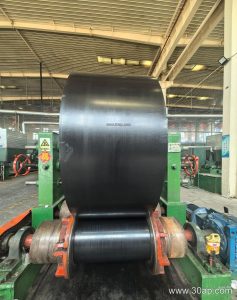
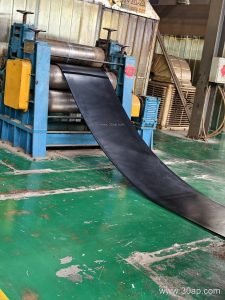
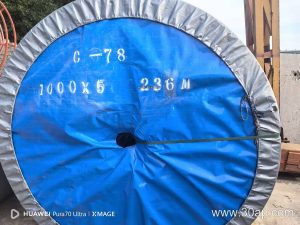
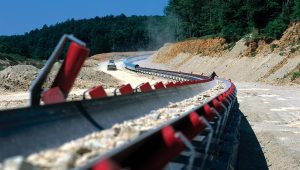
A Construction Industry Conveyor Belt is the heavy-duty link between a crusher, a screen, a batching plant, and the stockpile. On a quarry floor or a sand and gravel yard, the belt may carry sharp crushed rock, wet sand, cement clinker, or recycled demolition debris. Every stop and start loads the carcass, and every lump of stone tests the cover. That is why buyers in this sector rarely pick a belt by width alone. They match the belt construction to the material, the incline, the pulley layout, and the hours of daily service.
Construction and Common Belt Types
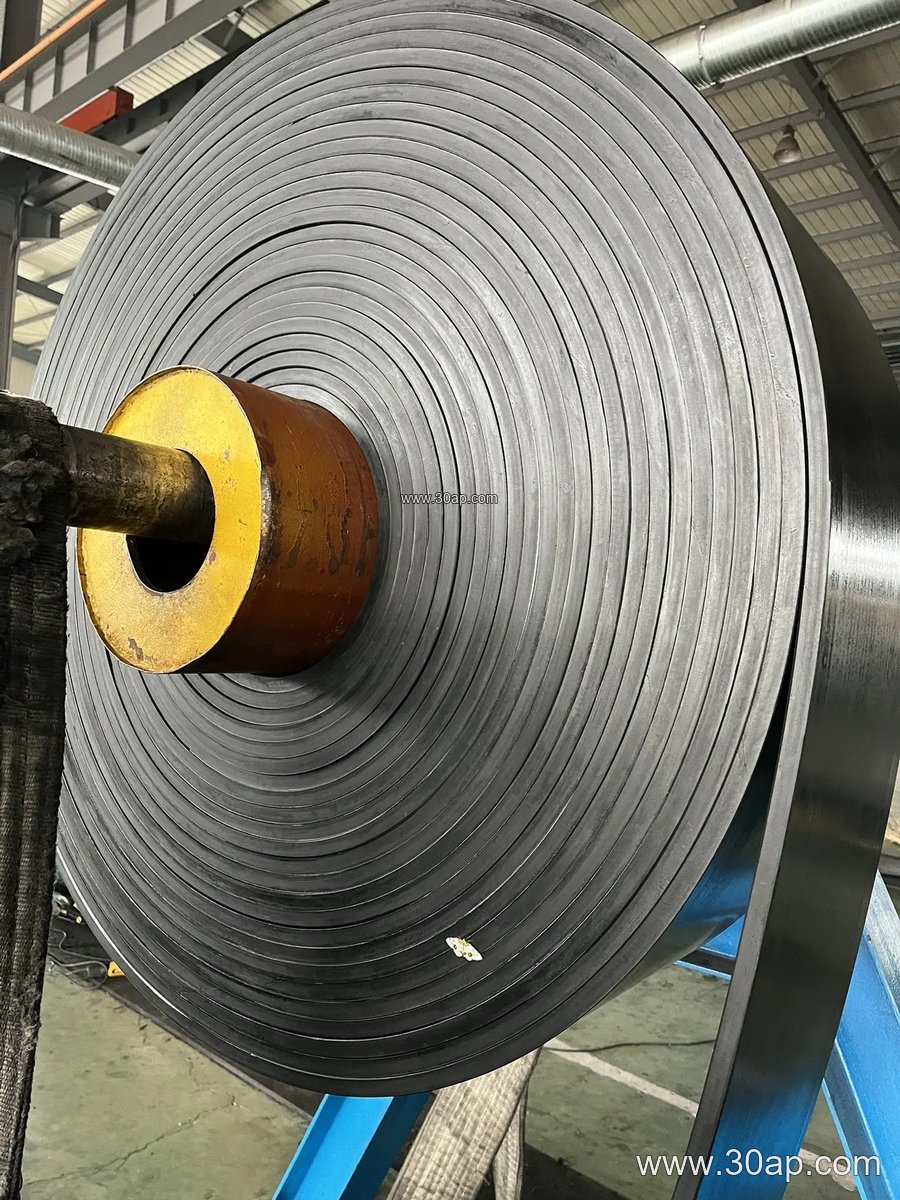
The carcass carries the tension, while the cover rubber takes the abrasion. In construction work, the most common choices are fabric core and steel cord designs.
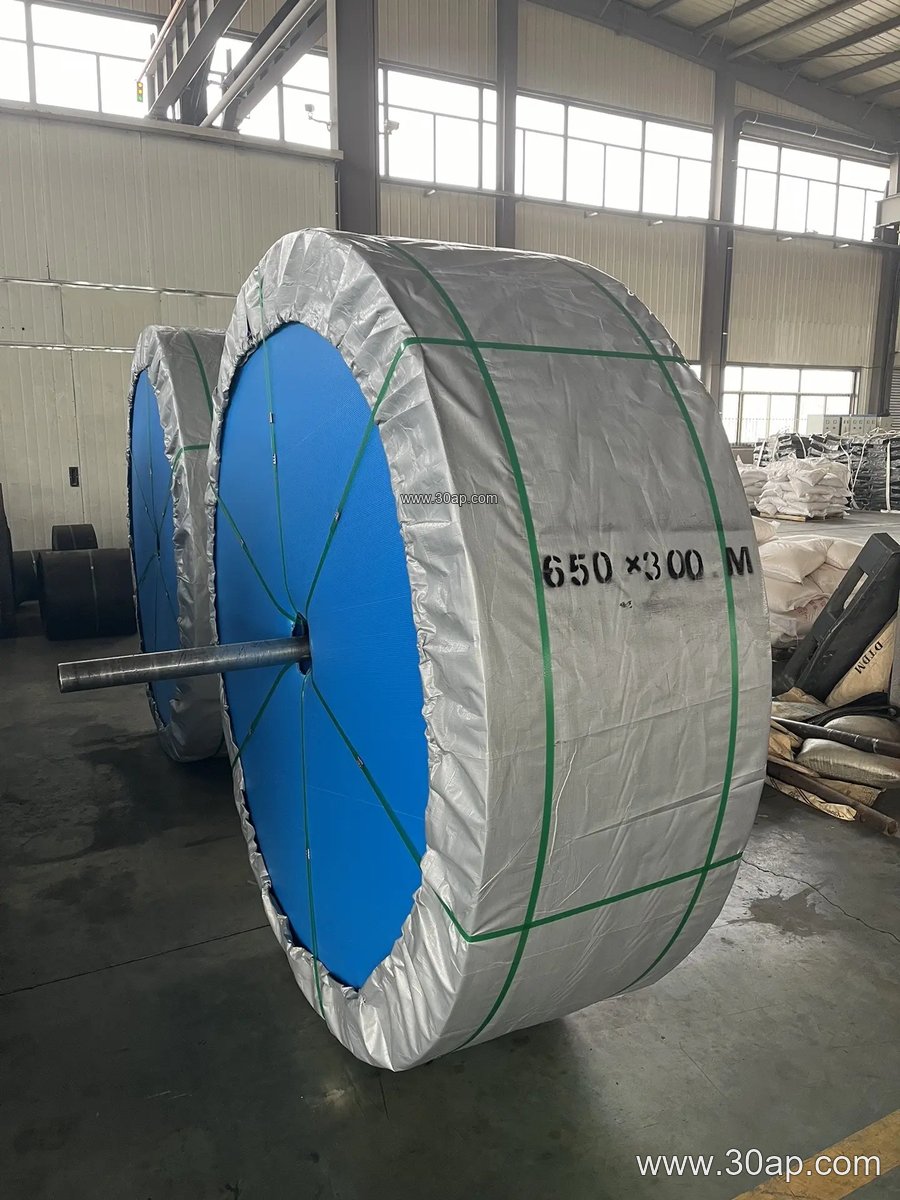
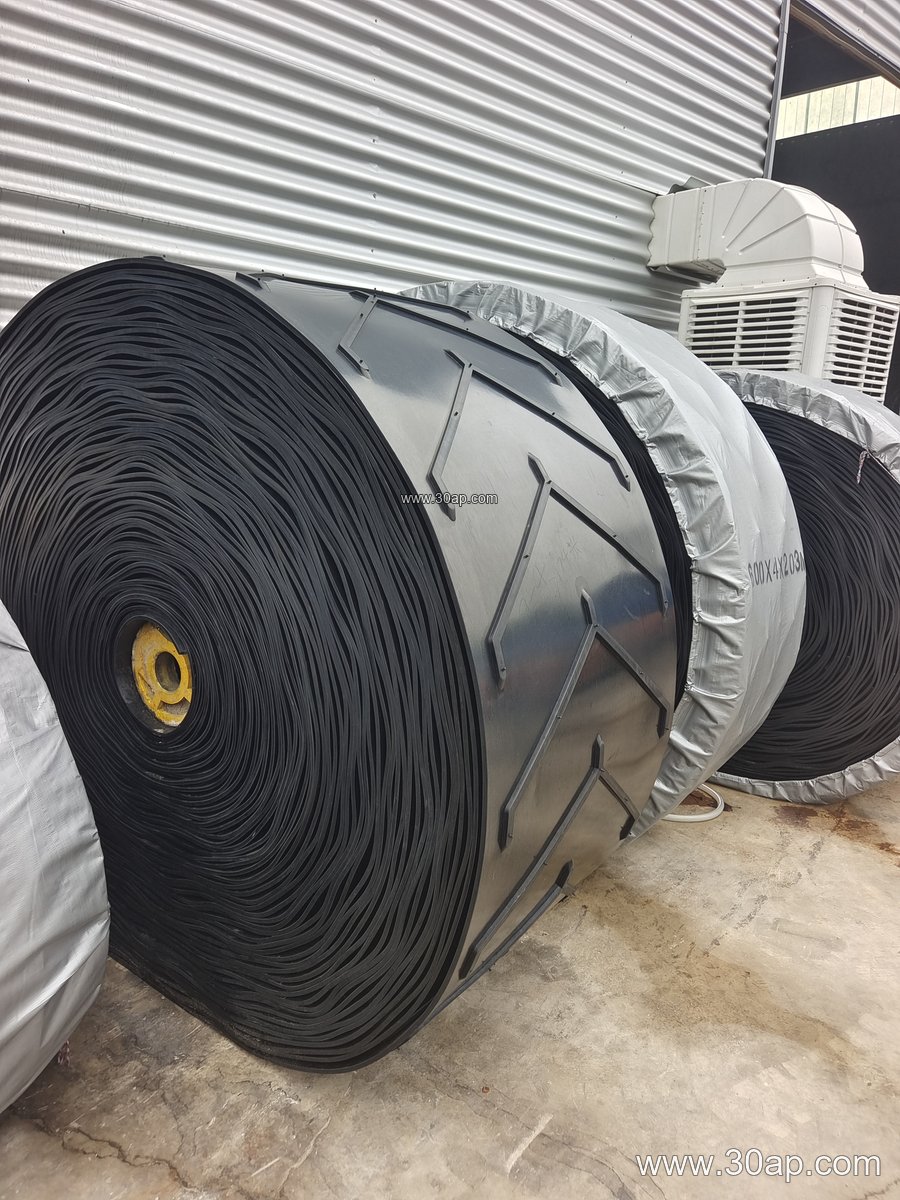
- EP Conveyor Belt – polyester/polyamide fabric plies, a frequent choice for crusher discharge and aggregate conveyors. Grades such as EP200, EP400, EP630, EP1000, and EP1250 appear in plant designs, with the number reflecting the tensile strength class rather than a fixed size.
- NN Conveyor Belt – nylon/nylon plies, often used where flexibility around smaller pulleys is useful, for example on short transfer belts.
- Steel Cord Conveyor Belt – a single layer of steel cables for long, high-tension runs such as a main haulage incline out of a pit or a long overland line at a port.
- Multi-Ply Fabric Core Conveyor Belt – a general term for 2 to 6 ply constructions common in construction plants.
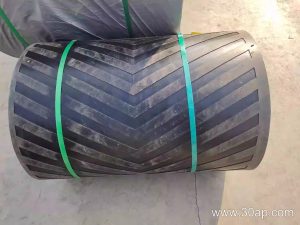
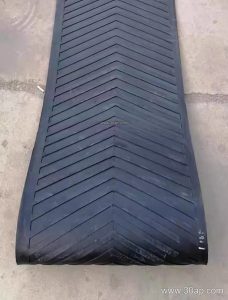
Surface and profile options solve specific site problems. A Chevron Conveyor Belt or other patterned cover helps hold wet sand and gravel on an incline. A Corrugated Sidewall Conveyor Belt with cleats can lift material at steep angles in a tight plant footprint. A Pipe Conveyor Belt encloses the load and limits dust spillage near a cement plant or a batching station.
Cover Grade and Working Conditions
The cover compound is often the deciding factor in service life. A heavy-duty abrasion resistant belt suits sharp rock and recycled concrete. A Heat Resistant Conveyor Belt is relevant near asphalt plants or hot clinker, while an Oil Resistant Conveyor Belt helps where oily aggregate or machinery leaks are present. Underground work calls for a Flame Retardant Conveyor Belt and, in coal service, a PVG Conveyor Belt with anti-static properties. Cold Resistant Conveyor Belt grades matter on winter sites in northern regions. Cover thickness is usually stated as top plus bottom, for example 4+2, 5+2, 6+2, or 8+3 mm, and the right figure depends on lump size and drop height.
Widths and Strength Classes in Practice
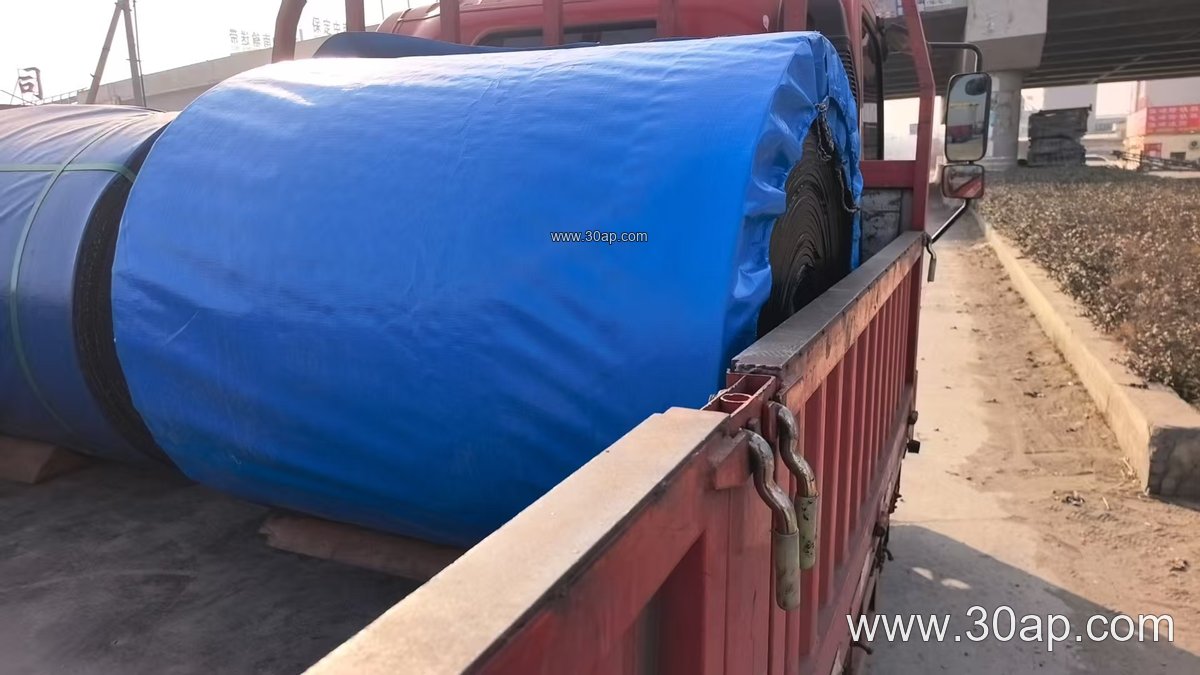
Belt width follows the tonnage and the largest lump. Common construction widths include 650mm, 800mm, 1000mm, 1200mm, and 1400mm, with 1600mm and 1800mm used on high-capacity main lines. A 1200mm wide conveyor belt may feed a primary screen, while a wider 1800mm unit suits a large quarry stockpile line. The table below gives reference pairings only; the final selection follows the conveyor design.
| Duty | Typical belt class | Common width | Notes |
|---|---|---|---|
| Crusher discharge | EP400 to EP630 | 800mm to 1200mm | Impact-resistant cover, steady support |
| Aggregate transfer | EP630 to EP1000 | 1000mm to 1400mm | Abrasion resistant top cover |
| Long incline haulage | ST1250 to ST2000 | 1200mm to 1600mm | Steel cord carcass, high tension |
| Steep lift in plant | EP Conveyor Belt with sidewalls | 650mm to 1000mm | Cleats and corrugated edges |
These figures are reference data, not a guarantee for every site. A belt width does not dictate one pulley diameter, and shaft size comes from the conveyor design, not from the belt alone.
Supporting Components Around the Belt
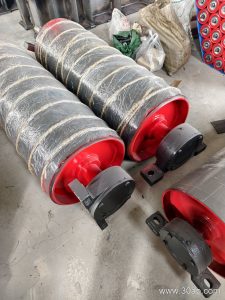
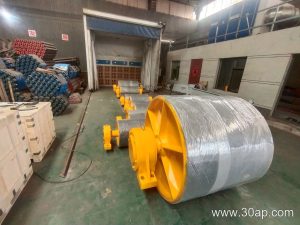
The belt never works alone. A conveyor pulley at the drive end and a tail pulley at the return end set the tension path, while bend pulleys guide the return strand. Idler rollers support the carrying side and affect belt tracking; conveyor brackets hold them in line. Poorly aligned idlers or a worn pulley lagging can shorten belt life more than the wrong cover grade. When specifying a Construction Industry Conveyor Belt, ask for the full conveyor layout: pulley diameters, trough angle, transition distance, and take-up type.
Buyer Checklist
- State the material: rock, sand, cement, recycled concrete, or mixed demolition waste.
- Give the maximum lump size and drop height to size the cover and impact resistance.
- Confirm the required tensile class for the conveyor, not just the belt width.
- Check environment: dust, heat, oil, cold, or underground flame requirements.
- Review splice type and whether an endless belt is preferred for a permanent installation.
- Keep spare idler rollers, a pulley, and brackets on site to reduce downtime.
For more on matching belts with rollers and pulleys, visit conveyorbeltpro.com and review our notes on conveyor belting for quarries and plants.