What a Construction Industry Conveyor Belt Actually Does
A construction industry conveyor belt is the continuous load-carrying surface that moves crushed stone, sand, gravel, cement, recycled concrete and excavated spoil between crushers, screens, stockpiles and loading points. On a quarry face, in a concrete plant or on a tunnel spoil line, this belt is the component that touches the material first and absorbs the impact, abrasion and weather exposure that come with the job. It is a rubber or PVC-based product built around a tension-bearing carcass, and its performance depends far more on matching the construction to the duty than on choosing the thickest option available.
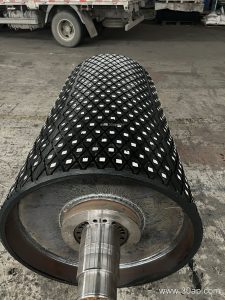
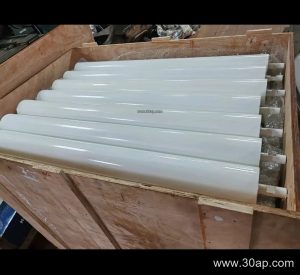
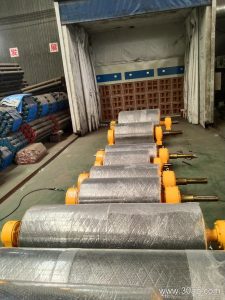
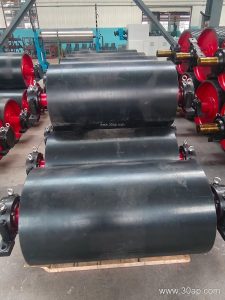
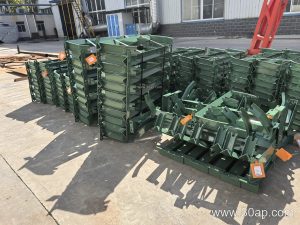
Related hardware such as the idler roller, conveyor pulley and conveyor bracket frames the belt and keeps it tracking, but the belt itself is the wear part that determines how often a plant stops for splicing and replacement.
How the Belt Is Built
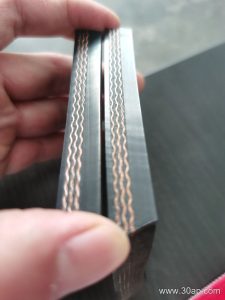
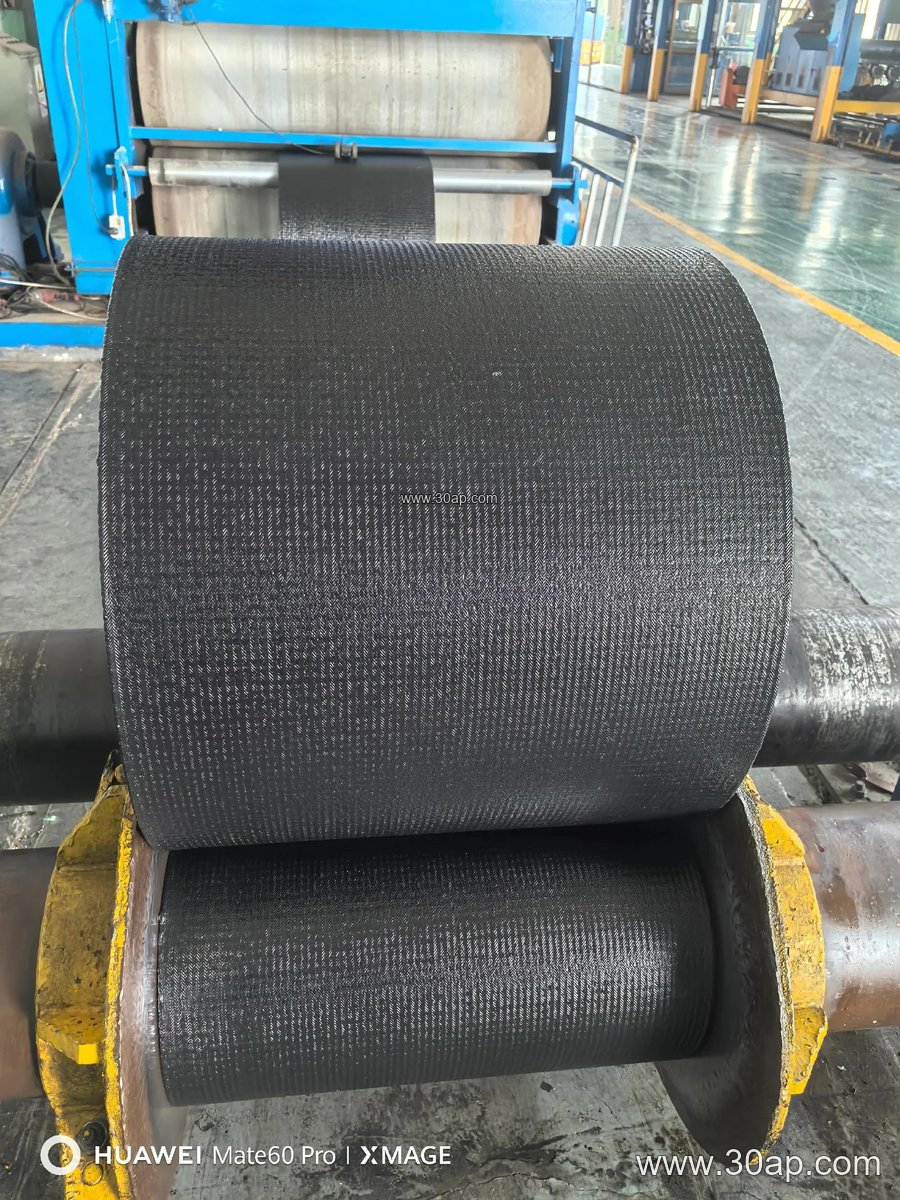
Most construction site belts use a fabric core or a steel cord carcass covered with rubber on both faces.
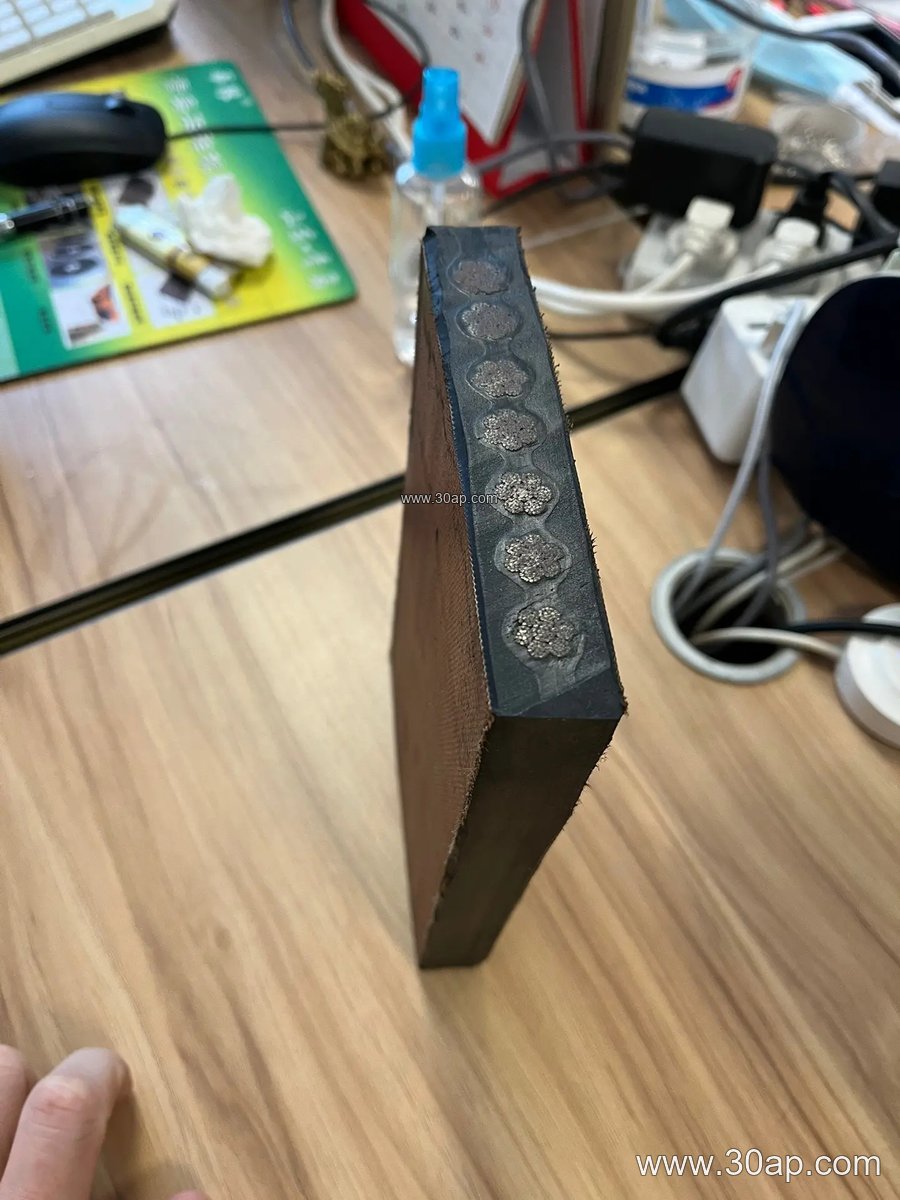
- Carcass: EP Conveyor Belt (polyester warp, nylon weft) and NN Conveyor Belt (nylon warp and weft) are common fabric cores; a Multi-Ply Fabric Core Conveyor Belt stacks two to six plies for higher tension. For long overland runs and high tonnage, a Steel Cord Conveyor Belt uses parallel steel wires instead of fabric plies.
- Cover rubber: the top cover takes the abrasion and impact, the bottom cover runs over the idlers. Common constructions are 3+1.5, 4+2, 5+2, 6+2 and 8+3 mm.
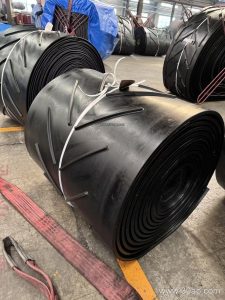
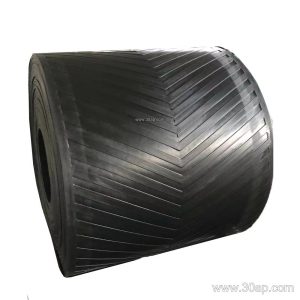
- Special forms: a Chevron Conveyor Belt or Corrugated Sidewall Conveyor Belt holds material on steep inclines; a Skirted Conveyor Belt contains the load on flat runs; a Pipe Conveyor Belt encloses it for dust control and curves.
An Endless Conveyor Belt is spliced at the factory so the joint is vulcanized before delivery, which suits short, fixed circuits where a field splice would be difficult.
Matching the Belt to the Construction Duty
Construction material is sharp, heavy and often wet. An Abrasion Resistant Conveyor Belt with a high-abrasion cover is the usual starting point for crushed rock and aggregate. Where large lumps drop from a crusher, an Impact Resistant Conveyor Belt with a thicker top cover and, sometimes, breaker fabric reduces damage at the loading point. A Heat Resistant Conveyor Belt is needed where the belt receives hot asphalt or clinker, and a Cold Resistant Conveyor Belt matters on winter sites in northern regions. An Oil Resistant Conveyor Belt protects the rubber where form oils or fuel can drip onto the line.
Underground and enclosed work brings different rules. A Flame Retardant Conveyor Belt and Anti-Static Conveyor Belt are typically specified for coal handling and tunnel conveyors, and a PVG Conveyor Belt (PVC with a nitrile-blended cover) is widely used in underground coal mining for its fire resistance. A Fire Resistant Conveyor Belt may also be required near welding bays and fuel stores. For cement plants and power plants, heat and abrasion usually dominate the selection.
Common Specifications and Reference Data
The values below are typical reference ranges, not universal ratings. Actual tension, cover grade and width follow the conveyor design and the manufacturer’s data sheet.
Fabric core grades
- EP100, EP200, EP315, EP400, EP500, EP630, EP800, EP1000, EP1250, EP1600, EP2000
- NN100, NN200, NN300, NN400
Steel cord grades
- ST1000, ST1250, ST1600, ST2000, ST2500, ST3150
Belt widths
- B500, B650, B800, B1000, B1200, B1400, B1600, B1800, B2000
A 1200mm Wide Conveyor Belt or 1500mm Wide Conveyor Belt is common on primary crushing lines, while a narrower 650mm or 800mm belt suits screen decks and transfer conveyors. A thick, heavy-duty belt on a wide line should be checked against the pulley and idler roller diameters chosen by the conveyor designer; belt width alone does not fix the pulley size.
What to Check Before Ordering
Start with the material: lump size, moisture, temperature and chemical exposure decide the cover compound. Then confirm the maximum tension and the required safety factor so the carcass grade is correct. Review the loading point for impact and the incline for whether a chevron or sidewall profile is needed. Ask how the belt will be joined, because a vulcanized splice in the field demands suitable cover thickness and a clean environment. Finally, confirm that the conveyor pulley, idler roller and conveyor bracket arrangement are in good condition; a new belt on worn, misaligned hardware will fail early regardless of grade.
For construction sites that handle mixed duties, keeping one spare roll of the most-used specification is often more practical than stocking several grades.