What a Power Plant Conveyor Belt Does
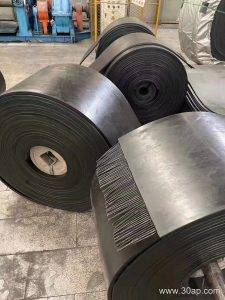
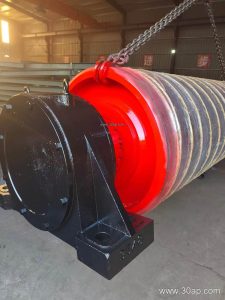
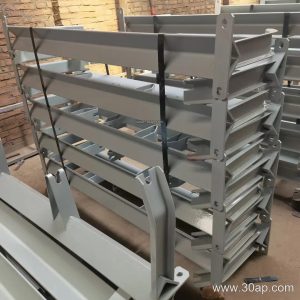
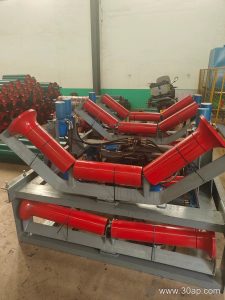
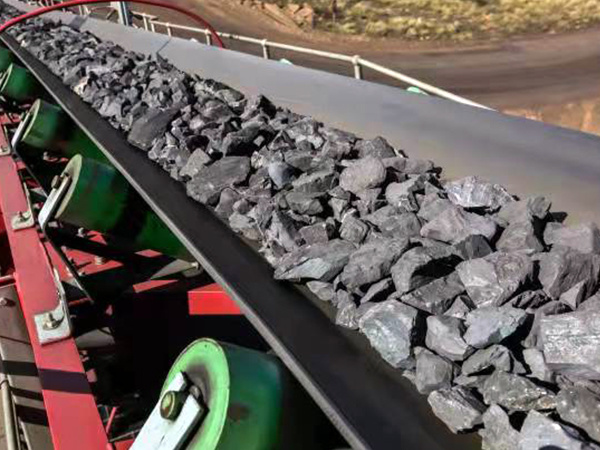
A Power Plant Conveyor Belt is the continuous load-carrying element that moves coal, biomass, limestone, gypsum, ash and other bulk materials between stockpiles, crushers, bunkers and boilers. In a coal-fired or co-generation plant, the belt system often runs across long distances, through transfer towers and tripper rooms, so reliability matters as much as raw strength. The belt works together with conveyor pulleys, idler rollers, conveyor brackets and a drive unit; the belt itself is the flexible loop that carries the load, while the pulleys drive and redirect it and the idlers support it along the route.
Plants also use belts in ash handling, limestone preparation for flue gas desulfurization, and fuel receiving from rail or port unloading. Because dust, heat and occasional oil contamination are common, the cover compound and the carcass must be chosen for the actual service, not only for tonnage.
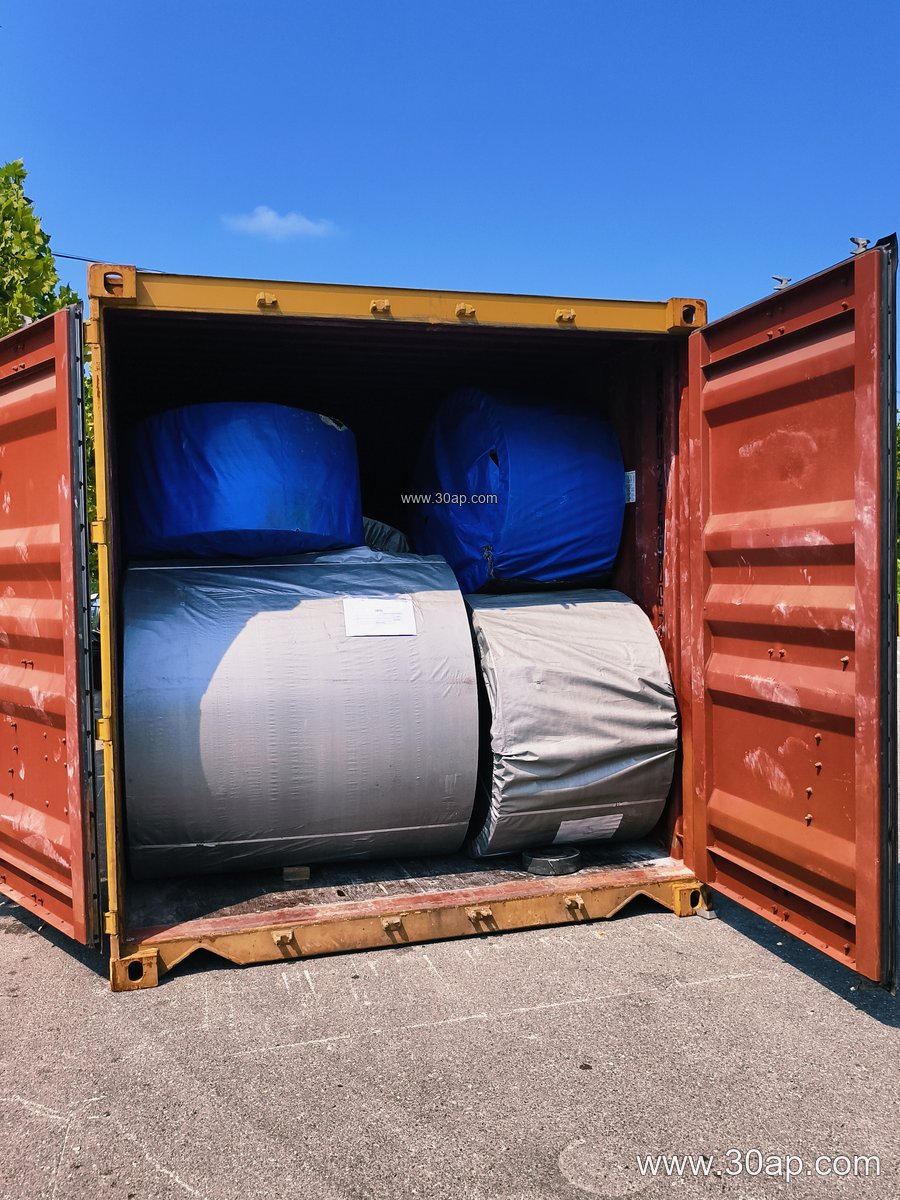
Construction of the Belt
Most power plant belts are fabric-core or steel-cord constructions. A fabric core uses multiple plies of EP (polyester-nylon) or NN (nylon-nylon) fabric embedded in rubber; a steel cord belt uses parallel steel wires instead of fabric plies for very long runs and high tension. Cover rubber protects the carcass from abrasion, impact and moisture. A typical build includes a top cover, a carcass, and a bottom cover, with cover thickness often written as a pair such as 4+2 mm or 6+2 mm.
- Carcass: EP Conveyor Belt or NN Conveyor Belt for general fuel handling; Steel Cord Conveyor Belt for long overland or high-lift routes.
- Cover: abrasion resistant, flame retardant, heat resistant or oil resistant grades depending on the material and environment.
- Edges: cut edges or molded edges; edge quality affects tracking and spillage.
For underground or enclosed galleries, a Flame Retardant Conveyor Belt and Anti-Static Conveyor Belt are common requirements. Where coal is received from a mine, a Coal Mining Conveyor Belt specification may be requested, but the plant buyer should confirm the actual fire-safety and antistatic needs with the system designer.
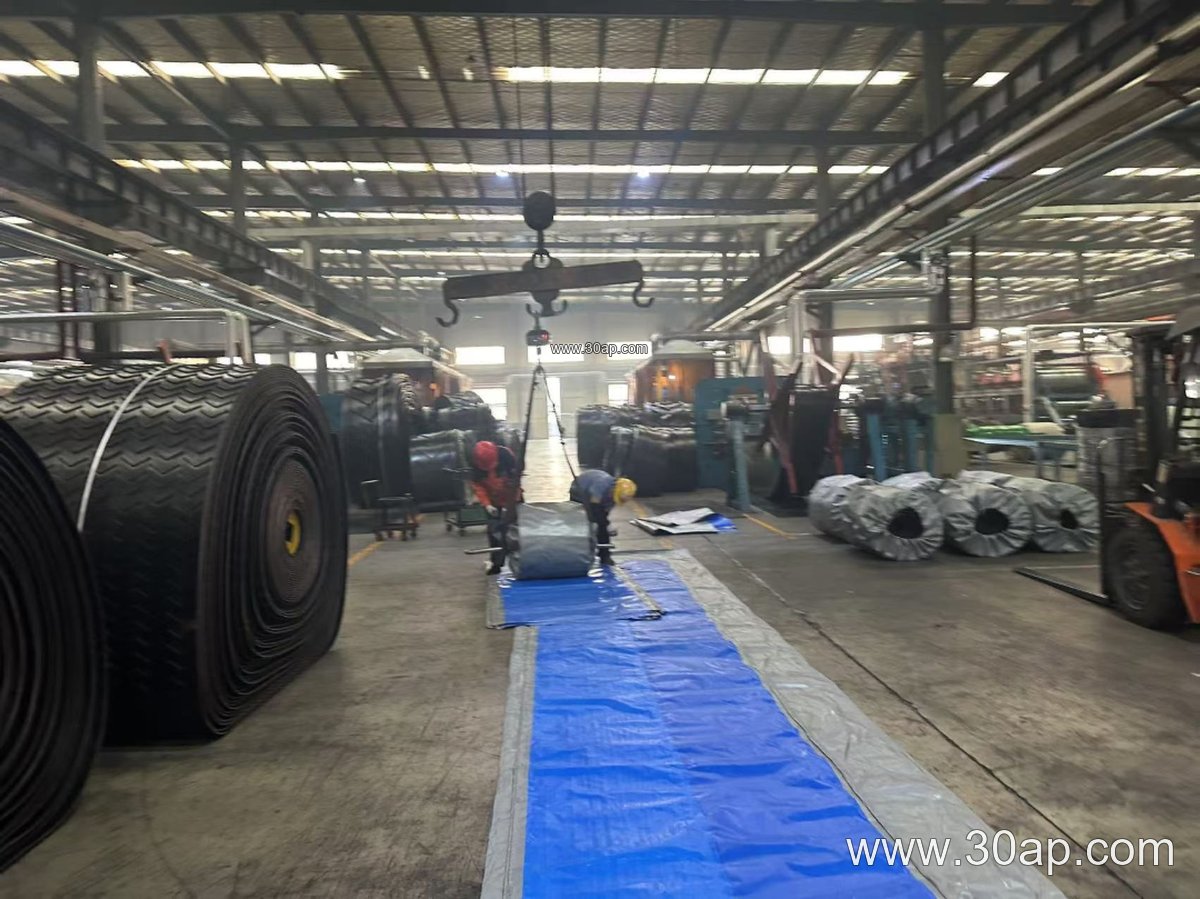
Common Specifications in Power Plants
Belt width is matched to the required capacity and the conveyor structure. Common widths include B650, B800, B1000, B1200, B1400 and B1600, with wider belts used on high-capacity main lines. Strength grades are usually given in EP or ST terms. The table below shows typical reference values; final selection depends on the conveyor design.
| Parameter | Typical Reference Values |
|---|---|
| Belt width | B500, B650, B800, B1000, B1200, B1400, B1600, B1800, B2000 |
| EP strength grade | EP200, EP315, EP400, EP500, EP630, EP800, EP1000, EP1250 |
| Steel cord grade | ST1000, ST1250, ST1600, ST2000 |
| Cover thickness | 3+1.5 mm, 4+2 mm, 5+2 mm, 6+2 mm, 8+3 mm |
| Fabric plies | Usually 2 to 6 plies |
A belt such as an EP1000 1200mm Conveyor Belt may suit a main fuel line, while a smaller B650 unit is often enough for a transfer or ash line. These are examples, not fixed rules; one belt width can work with different pulley diameters depending on the drive design.
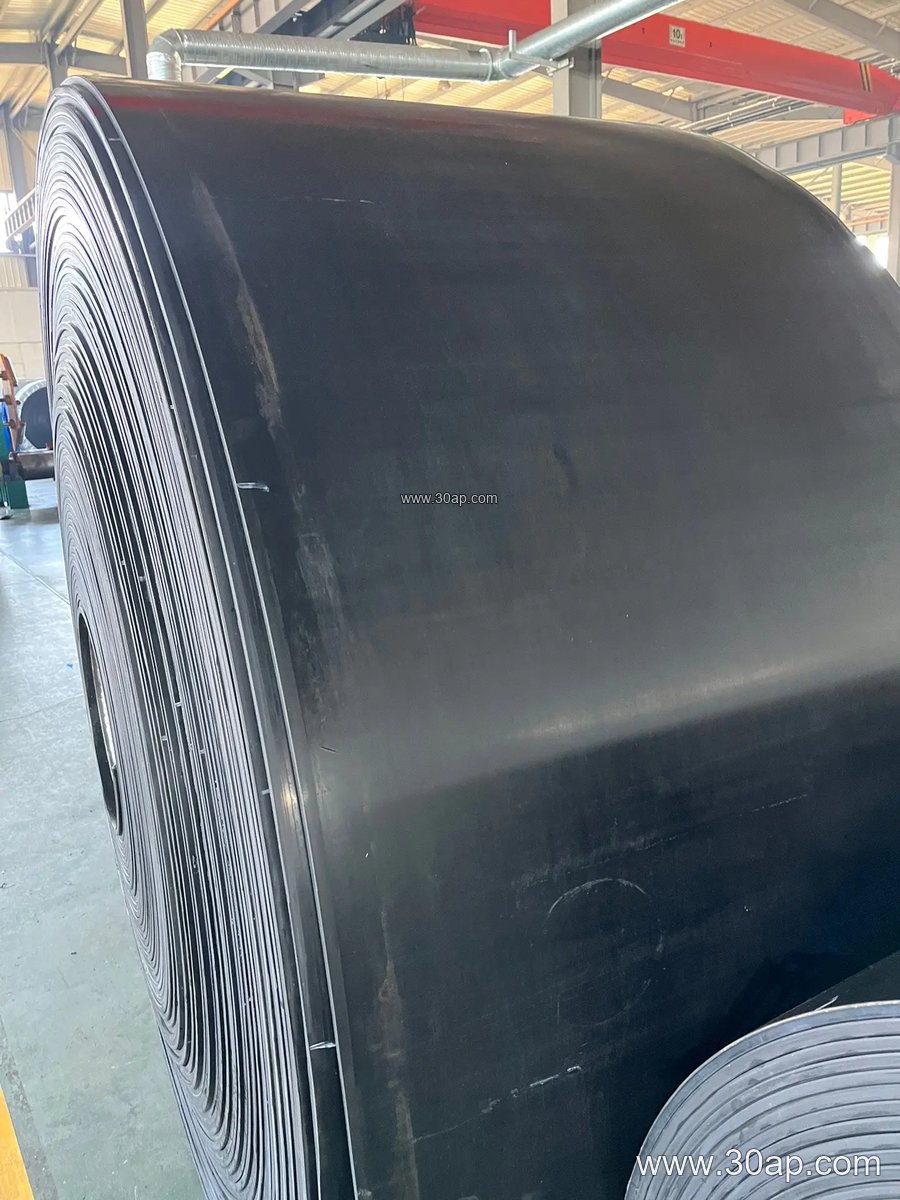
Where the Belt Is Used
Power plants are not the only users of this kind of belt. The same heavy-duty construction appears in mining, coal preparation, cement plants, quarries, sand and aggregate yards, steel plants and port loading terminals. A Quarry Conveyor Belt or Aggregate Conveyor Belt may share the same EP carcass but differ in cover grade. In a power plant, the belt often handles Coal Conveyor Belt duties, limestone and gypsum, and sometimes biomass with different moisture and stickiness.
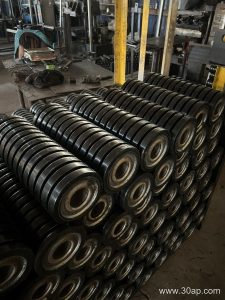
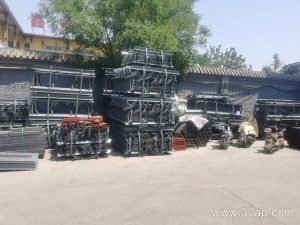
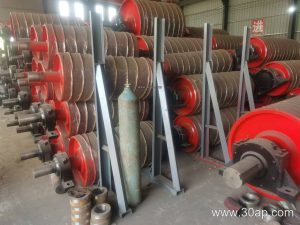
Related equipment includes the conveyor pulley at the head and tail, idler roller sets on the carry and return sides, and conveyor bracket assemblies that hold the idlers. A worn pulley or seized idler can damage even a good belt, so maintenance should cover the whole line.
Buyer Checklist
- Confirm the material, lump size, moisture and temperature before choosing the cover.
- Check whether flame retardant and anti-static properties are required for the route.
- Match strength grade and ply count to the calculated tension, not to habit.
- Ask for cover thickness and carcass details in writing, since suppliers may differ.
- Review splice method, edge type and delivery length; an Endless Conveyor Belt may be preferred for some short, critical runs.
- Keep spare idler rollers and at least one spare pulley component available to reduce downtime.
For more information on belt, idler and pulley options for power generation and bulk handling, visit www.example.com/power-plant-conveyor-belt or contact the plant engineering team. A well-matched Power Plant Conveyor Belt, supported by sound idlers and pulleys, keeps fuel and ash moving with fewer unplanned stops.