What a Three-Roll Idler Set Does on a Belt Conveyor
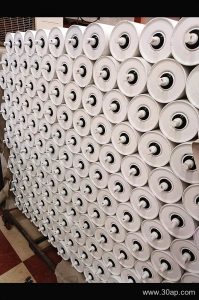
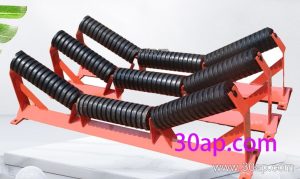
A three-roll idler set is the standard troughing assembly that supports the carrying side of a conveyor belt. Three idler rollers are mounted in a frame so that the two side rolls angle upward and the center roll sits flat, forming a shallow trough that keeps bulk material centered during travel. This three-roll troughing idler arrangement is the workhorse of long overland and in-plant conveyors, and it appears wherever loose material must move continuously without spillage.
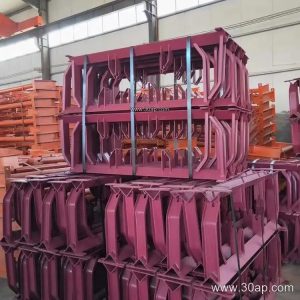
The set is not a single part but a matched group: three rolls, a bracket or frame, and the shafts and bearings that let each roll spin freely. Buyers often refer to the whole assembly as a troughing idler set or a three-roller carrying idler, and the name usually signals the same product.
Construction Details That Affect Service Life
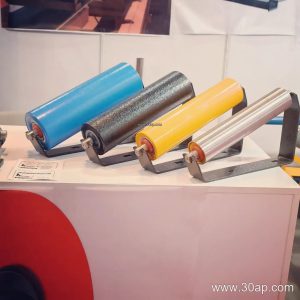
Each roll in the set typically combines a steel tube shell, welded end caps, a through shaft, and sealed bearings. Roll surfaces may be plain steel, nylon-coated, ceramic-covered, or fitted with rubber rings where impact or buildup is a concern. Bearing selection is matched to load and speed rather than to belt width alone; common sizes include 6204, 6205, 6305, 6306, 6308, and 6310.
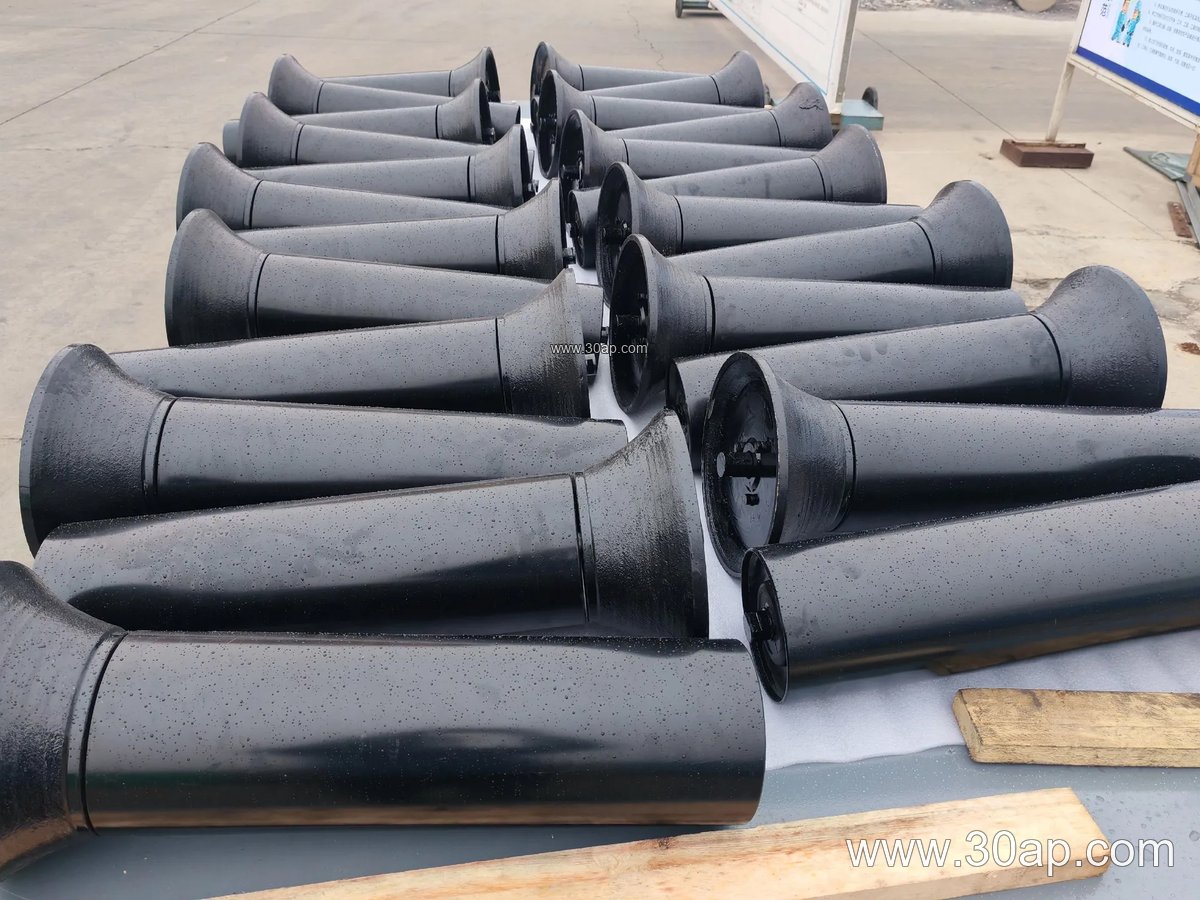
The trough angle determines how deeply the belt sits in the set. Common angles are 20, 30, 35, and 45 degrees, and the choice depends on material characteristics and conveyor design. Some sets are built with a slight forward tilt of about 1.5 to 2 degrees to encourage self-centering, which is a detail worth confirming when ordering.
Where Three-Roll Troughing Sets Are Used
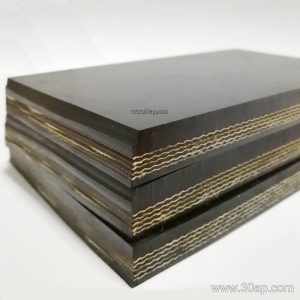
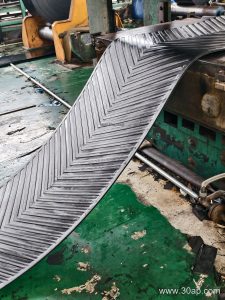
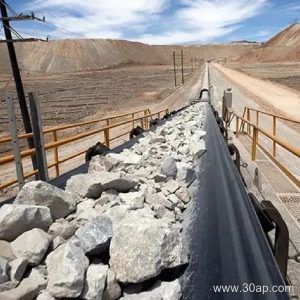
These assemblies are common in quarry and aggregate lines, cement plants, and power station coal handling. They also appear in iron ore and copper ore transport, crushing and screening circuits, and port loading systems. A three-roll idler set is equally at home under a heavy-duty mining conveyor belt carrying coarse rock and under a smoother EP conveyor belt moving sized aggregate.
Material type influences the roll surface and the belt specification together. An abrasion resistant conveyor belt paired with steel rolls suits sharp limestone, while a rubber-disc impact idler set may be preferred at transfer points. In dusty or wet conditions, sealed bearings and protected frames matter more than cosmetic differences between roll brands.
Matching the Set to Belt Width and Roll Diameter
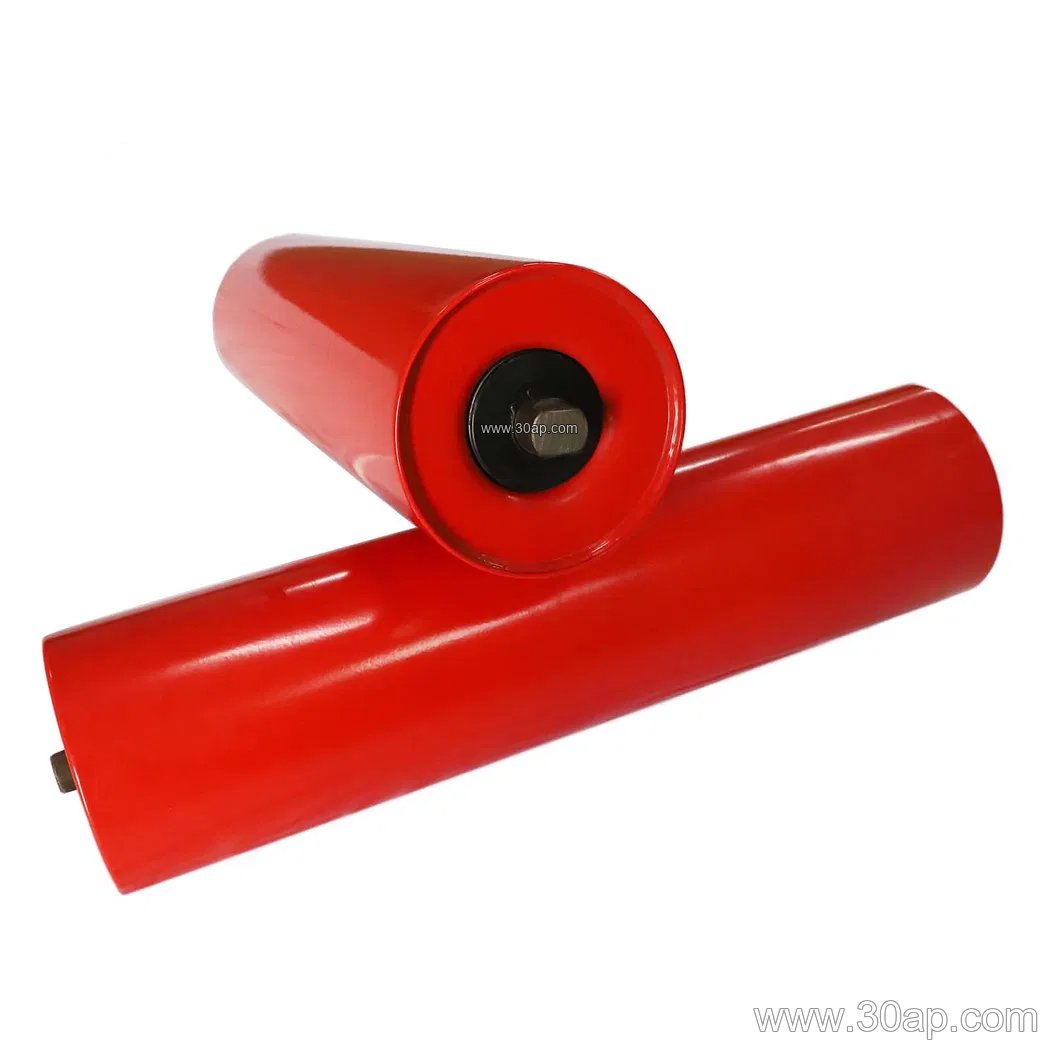
Roll length changes with belt width, trough angle, and the geometry of the set. The table below gives common reference values for three-roll troughing sets; side rolls and center rolls can differ, so these figures are examples rather than fixed pairings.
| Belt Width | Typical Roll Length (Three-Roll Troughing) | Common Roll Diameters |
|---|---|---|
| B500 | about 200 mm | Ø63, Ø76, Ø89 |
| B650 | about 250 mm | Ø76, Ø89, Ø102 |
| B800 | about 315 mm | Ø89, Ø102, Ø108 |
| B1000 | about 380 mm | Ø102, Ø108, Ø127 |
| B1200 | about 465 mm | Ø108, Ø127, Ø133 |
| B1400 | about 530 mm | Ø127, Ø133, Ø159 |
| B1600 | about 600 mm | Ø133, Ø159, Ø178 |
| B1800 | about 670 mm | Ø159, Ø178, Ø194 |
| B2000 | about 750 mm | Ø178, Ø194, Ø219 |
Do not assume that a given belt width dictates one shaft diameter. Shaft size follows the load calculation, the roll diameter, and the frame design. A B1200 conveyor might carry a three-roll idler set with Ø127 rolls in one plant and Ø133 rolls in another, depending on tonnage and speed.
Buyer Checklist Before Ordering
- Confirm belt width, trough angle, and whether the set is carrying or transition duty.
- State the roll diameter and roll length, and clarify if side and center rolls differ.
- Specify the roll surface: plain steel, rubber rings, ceramic, or nylon.
- Provide the conveyor bracket or frame mounting dimensions, since hole spacing varies between manufacturers.
- Describe the environment, such as washdown, dust, heat, or oil, so bearing seals and surface treatment suit the duty.
- Check that the belt specification, whether a fabric core conveyor belt or a steel cord conveyor belt, matches the idler load rating.
Onsite, a three-roll idler set should be inspected for seized rolls, worn shells, and frame misalignment. Replacing a single roll rather than the whole set is possible on many designs, but matching the original roll length and bearing size keeps the belt tracking stable. For plants in mining, quarrying, or cement production, keeping a small stock of common three-roll troughing idler assemblies reduces downtime when a roll fails.