What an Anti-Misalignment Idler Does
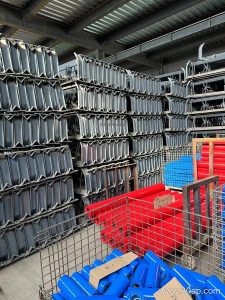
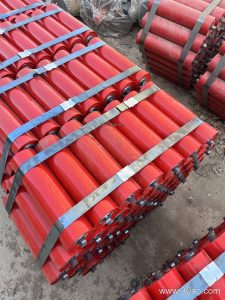
An anti-misalignment idler is a self-training roller assembly that senses and corrects belt drift before it becomes a problem. Unlike a standard carrying idler, this component is designed to pivot slightly when the belt edges contact its end rollers or guides, gently steering the conveyor belt back toward the center line. In industries such as coal mining, cement plants, and aggregate quarries, even a small amount of belt misalignment can cause spillage, edge damage, and premature wear on the conveyor pulley and frame. The anti-misalignment idler addresses this by acting as a passive correction device, reducing the need for frequent manual adjustments.
Construction and Working Principle
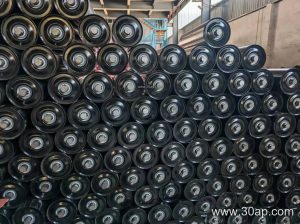
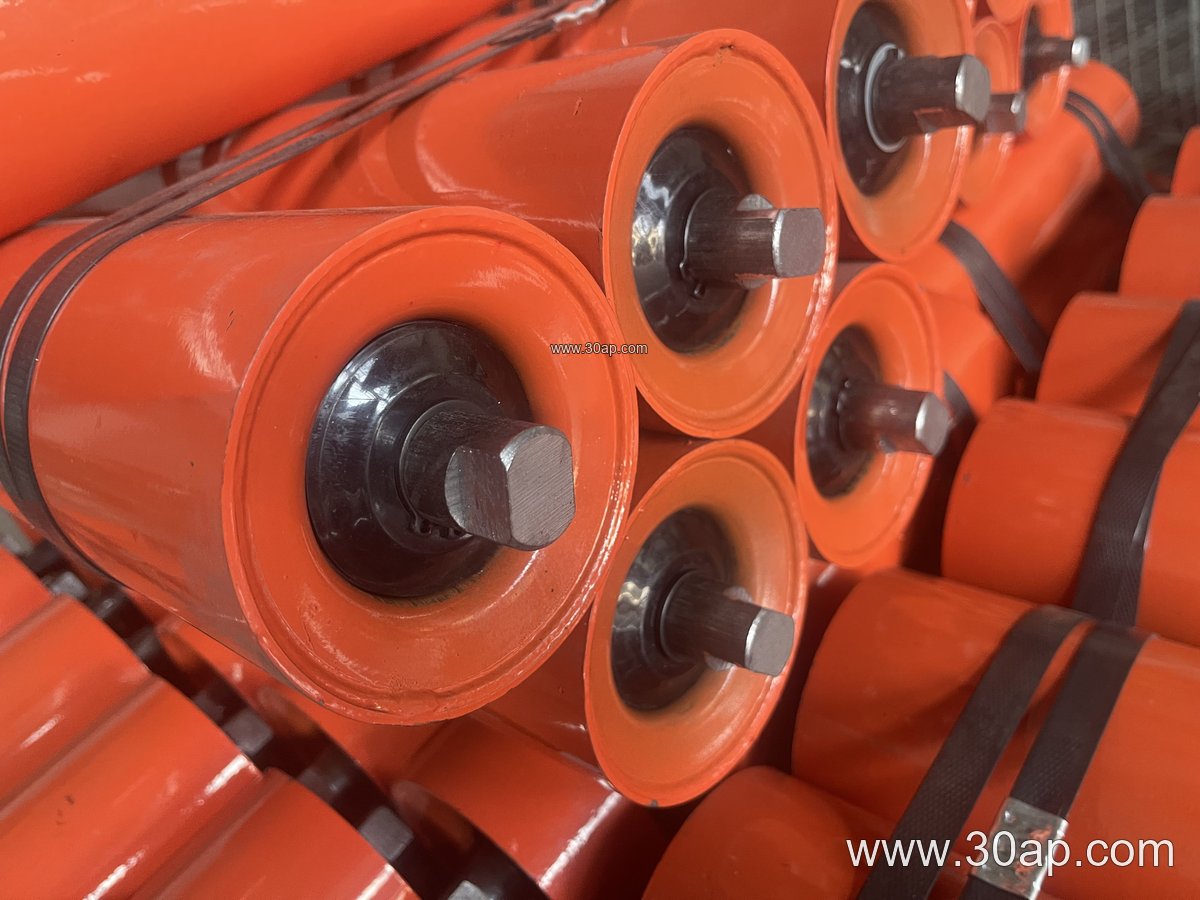
A typical anti-misalignment idler consists of a central roller mounted on a pivoting bracket, with vertical guide rollers at each end. When the belt shifts sideways, it presses against one of the guide rollers, causing the entire assembly to rotate slightly around its pivot. This angular change creates a small forward or backward force on the belt surface, encouraging it to re-center. The roller shell is often made of steel or nylon, and the bearings are selected to match the load and speed of the conveyor. Common bearing sizes include 6204, 6205, 6305, and 6306, though the exact choice depends on the roller diameter and application. The idler is usually installed on the carrying side, just after the tail pulley or at intervals along the conveyor. It works alongside the conveyor bracket and frame to maintain belt stability.
Where It Fits in Bulk Handling
Anti-misalignment idlers are found in a wide range of bulk material handling systems. In a coal mining conveyor, they help keep the belt centered as it transports coal from the mine to the preparation plant. In a cement plant, they protect the belt on long inclined runs where material loading can cause drift. Quarries and sand and gravel lines use them on crusher discharge conveyors, where uneven loading is common. Power plant coal handling systems also rely on these idlers to reduce downtime. The device is compatible with various belt types, including EP conveyor belt, steel cord conveyor belt, and flame retardant conveyor belt, making it a versatile choice for harsh environments.
Key Parameters and Selection Considerations
When selecting an anti-misalignment idler, buyers should consider the belt width, roller diameter, and the specific misalignment tendency of the conveyor. The table below lists common reference values, but final specifications should be confirmed with the conveyor design.
| Parameter | Common Range / Example |
|---|---|
| Roller diameter | Ø63, Ø76, Ø89, Ø102, Ø108, Ø127, Ø133, Ø159 mm |
| Belt width | B400, B500, B650, B800, B1000, B1200, B1400, B1600 mm |
| Roller length (three-roll trough) | 200 mm for B500, 250 mm for B650, 315 mm for B800, 380 mm for B1000, 465 mm for B1200, 530 mm for B1400, 600 mm for B1600 (examples only) |
| Trough angle | 20°, 30°, 35°, 45° |
| Bearing | 6204, 6205, 6305, 6306, 6308, 6310 |
Note that roller length varies with belt width, trough angle, and idler configuration. The values above are typical examples, not fixed pairings. The anti-misalignment idler should be matched to the conveyor’s load and speed, and it is often used in conjunction with a sturdy conveyor bracket and properly aligned conveyor pulley. For high-abrasion applications, a rubber conveyor belt or abrasion resistant conveyor belt may be used, and the idler’s roller surface can be selected accordingly.
Maintenance and Compatibility
Regular inspection of the anti-misalignment idler is important to ensure the pivot mechanism moves freely and the guide rollers are not worn. Dust and debris can accumulate in the pivot area, especially in mining and quarry environments, so periodic cleaning is recommended. The idler should be checked for bearing play and roller wear. Because it works with the conveyor belt, any change in belt tension or loading pattern may affect its performance. It is not a substitute for proper belt training on the drive and tail pulleys, but rather a supplementary device. In systems using a pipe conveyor belt or corrugated sidewall conveyor belt, the idler selection may differ, and specialist advice should be sought. For most standard troughed conveyors, the anti-misalignment idler provides a reliable, low-maintenance solution to belt drift.