What Conveyor Bracket Fabrication Covers
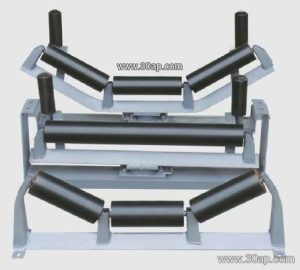
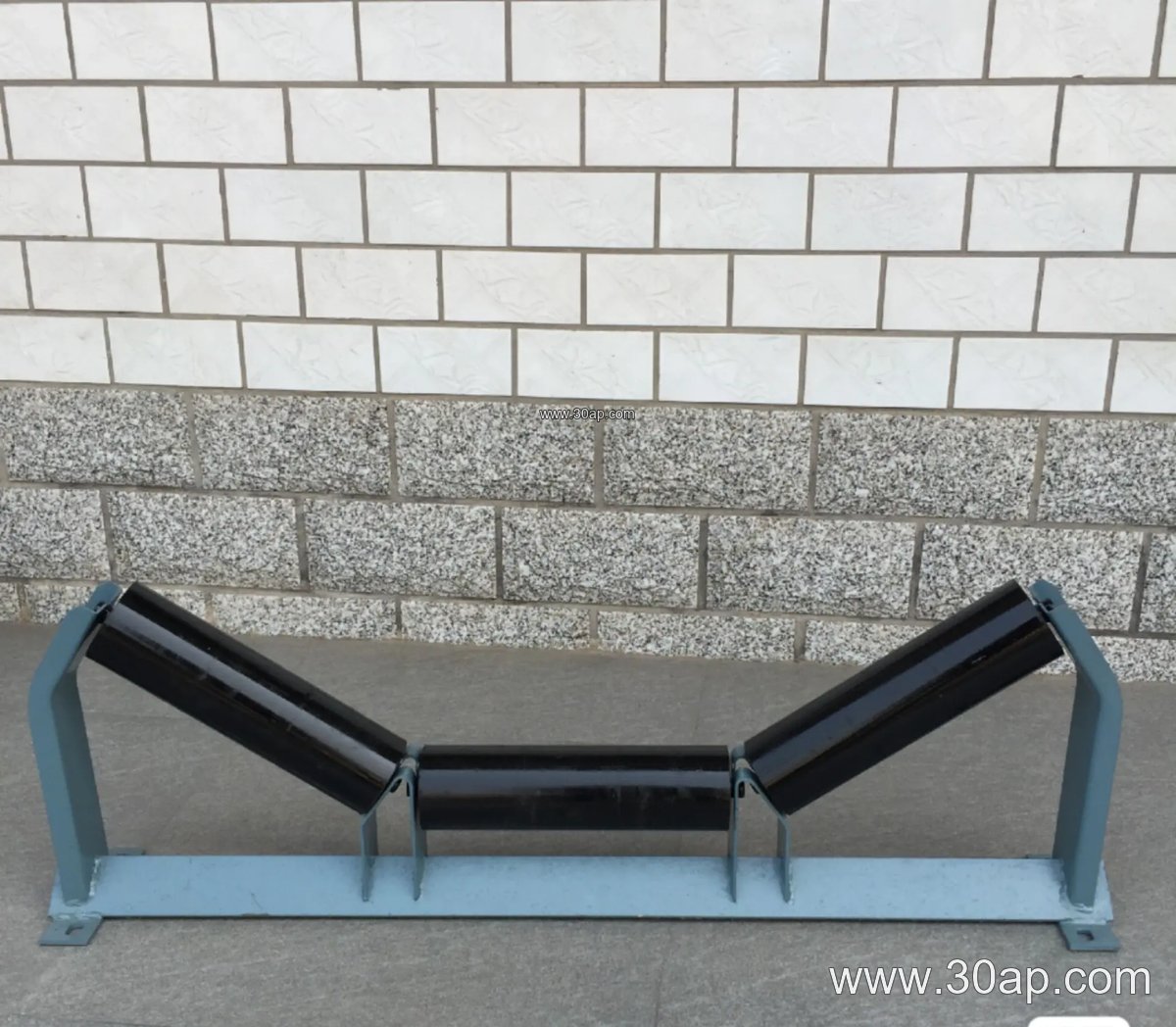
Conveyor bracket fabrication is the work of cutting, forming, drilling and welding the steel frames that hold idler rollers in position along a conveyor line. A finished bracket, often called an idler frame or roller support, keeps each roller at the correct height, angle and spacing so the belt runs smoothly under load. In a quarry, a coal washing plant or a cement kiln feed line, these fabricated frames are the quiet link between the structure and the moving belt.
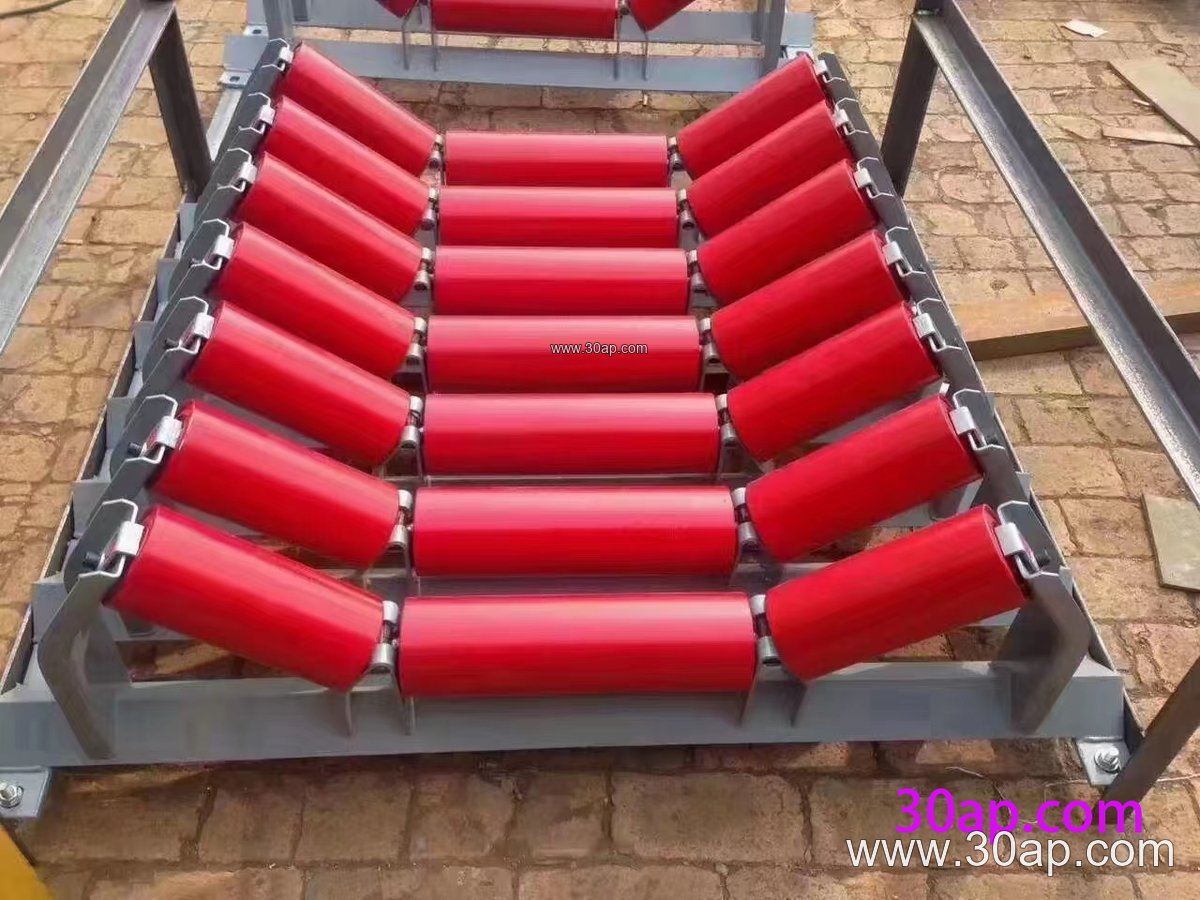
The scope usually includes troughing brackets on the carrying side, return brackets underneath, impact brackets at transfer points and self-aligning frames where belt tracking is a concern. Each is a separate design with its own geometry, so fabrication drawings should always state the bracket type, belt width and trough angle together.
How a Fabricated Bracket Is Built
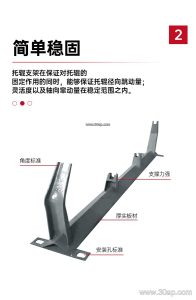
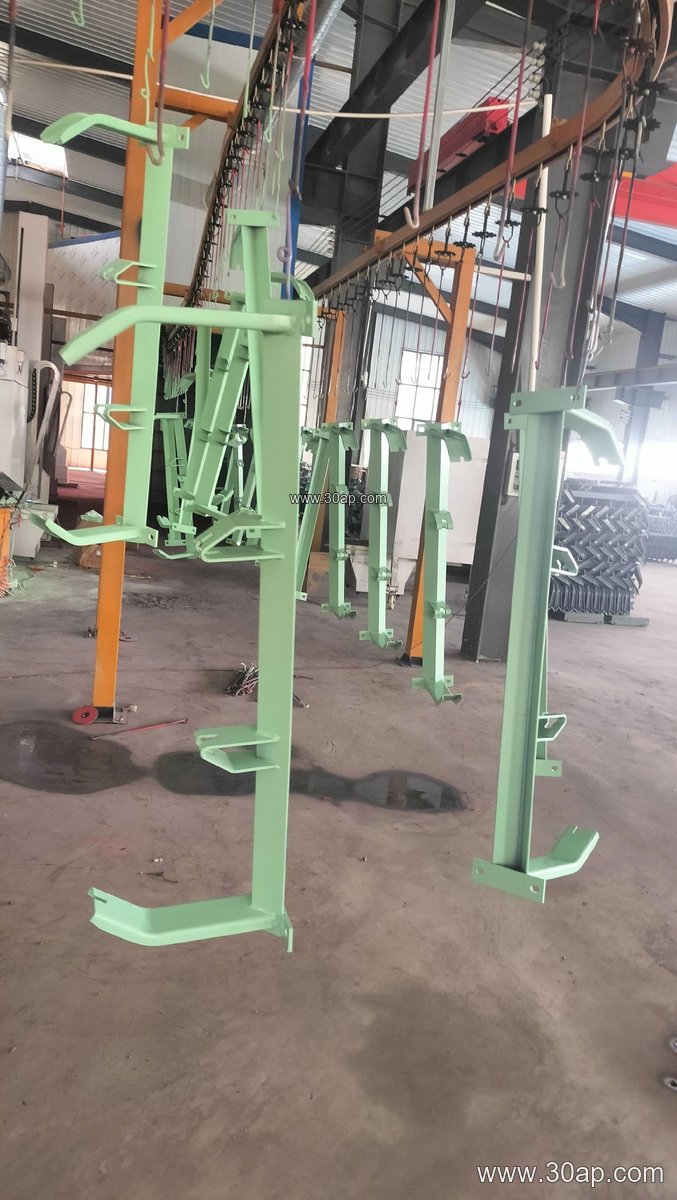
Most brackets start as angle steel, channel steel or folded steel plate. The fabricator cuts the sections to length, punches or drills mounting holes, bends the side arms to the required trough angle, and welds the assembly with gussets or cross members for rigidity. Hole spacing and crossbeam length change with belt width and trough angle, so they are set from the drawing rather than from a fixed table.
Typical reference data used in fabrication drawings looks like this:
- Trough angles commonly 20, 30, 35 or 45 degrees; adjustable frames can move between these angles
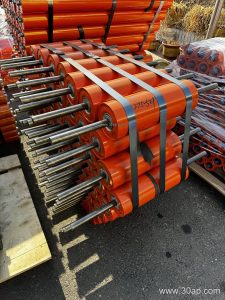
- Roller diameters usually Ø89, Ø108, Ø133, Ø159 or Ø194
- Belt widths from B500 to B2200, with B800, B1000 and B1200 among the most common in aggregate and coal duty
- Forward tilt on training brackets often about 1.5 to 2 degrees
A drawing might read B800, 35 degrees, Ø108, or B1200, 45 degrees, Ø133, but these are examples of how dimensions are written, not fixed pairings. A given belt width can accept more than one roller diameter and more than one trough angle depending on load and belt stiffness.
Where These Frames Are Used
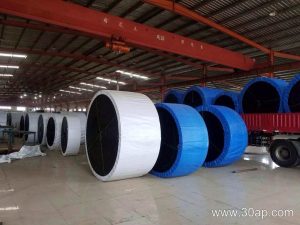
Fabricated brackets appear wherever a conveyor belt needs consistent roller support. In a limestone quarry or sand and gravel line, troughing brackets carry abrasive bulk material and are often paired with an abrasion resistant conveyor belt. In a power plant coal yard, flame retardant conveyor belt and self-aligning brackets help control tracking on long runs. A port ship loader may use wider frames, while a tunnel muck line needs impact brackets under the loading point.
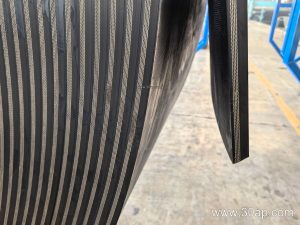
The frame must suit the belt and roller it carries. A heavy steel cord conveyor belt on an iron ore line needs stiffer brackets and larger rollers than a light fabric core conveyor belt in a fertilizer bagging area. Matching bracket strength to the belt and the idler roller is the core of good fabrication.
Fixed and Adjustable Designs
Fixed brackets are welded to a set trough angle and are simple and rigid. Adjustable brackets allow the trough angle to be changed on site, which helps when material flow or belt loading changes. Training brackets with a slight forward tilt are used to correct minor misalignment, while impact brackets with resilient rollers absorb shock at transfer chutes. Each subtype has a distinct job and should not be swapped for another without checking the design.
Buyer Checklist
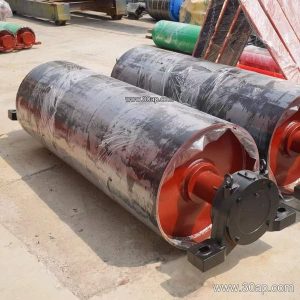
Before ordering, confirm the bracket type, belt width, trough angle, roller diameter and mounting hole pattern. Ask for the fabrication material and surface treatment, and check that the frame matches the conveyor pulley and structure dimensions. For mixed fleets, keep drawings for B650, B1000 and B1400 frames separate to avoid mix-ups on site.
Good conveyor bracket fabrication is measured by fit, alignment and durability, not by a single specification. When frames, rollers and belt are specified together, maintenance intervals lengthen and the line keeps running.