What a Coal Mine Conveyor Pulley Does Underground
A coal mine conveyor pulley is the rotating drum that turns a conveyor belt, carries its tension, and keeps it tracking through an underground roadway or a surface coal handling circuit. In a typical longwall or room-and-pillar section, several of these drums work together: a drive pulley at the head end, a tail pulley at the loading point, and bend or take-up pulleys along the route. Each position loads the drum differently, which is why the same belt system may use drums with very different shell thickness, shaft size, and lagging.
Because coal dust, moisture, and occasional rock fines are part of the environment, the drum has to be built for abrasion and for reliable rotation rather than for appearance. A poorly chosen unit can cause belt slip, edge damage, or premature bearing failure, and in an underground mine that means unplanned downtime in a confined space.
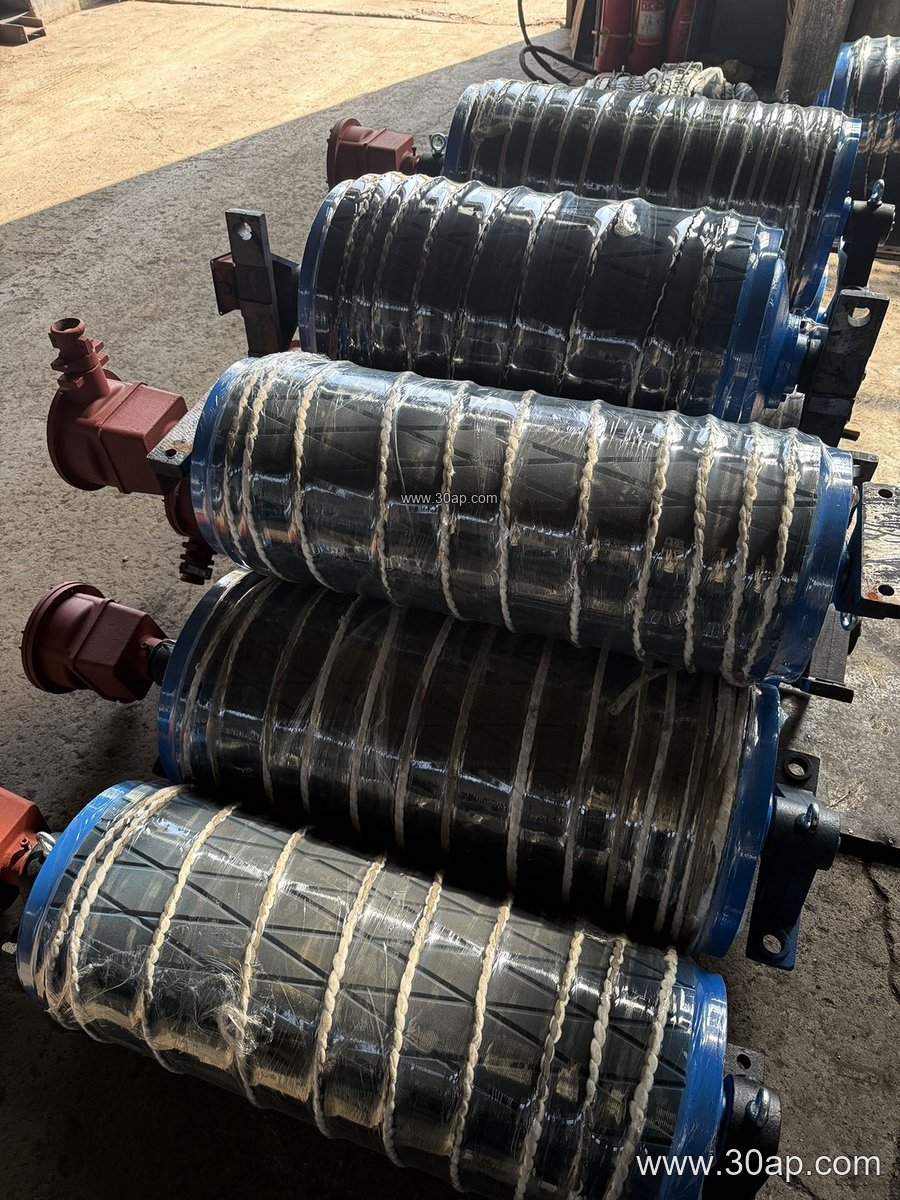
How the Drum Is Built
The main parts are the cylindrical shell, the end discs, the shaft, the bearing housings, and the lagging on the belt contact surface. Shells are usually rolled from steel plate and welded to the end discs, then machined so the belt runs on a true circle. The shaft is sized from torque and radial load, not from belt width alone, so a B1200 system might use a shaft in the Ø120 to Ø160 range while a wider or more heavily loaded drum may need a larger one.
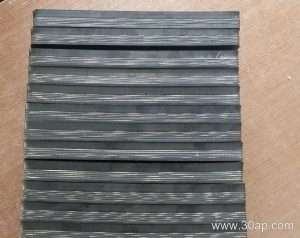
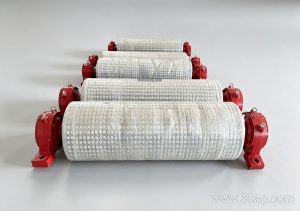
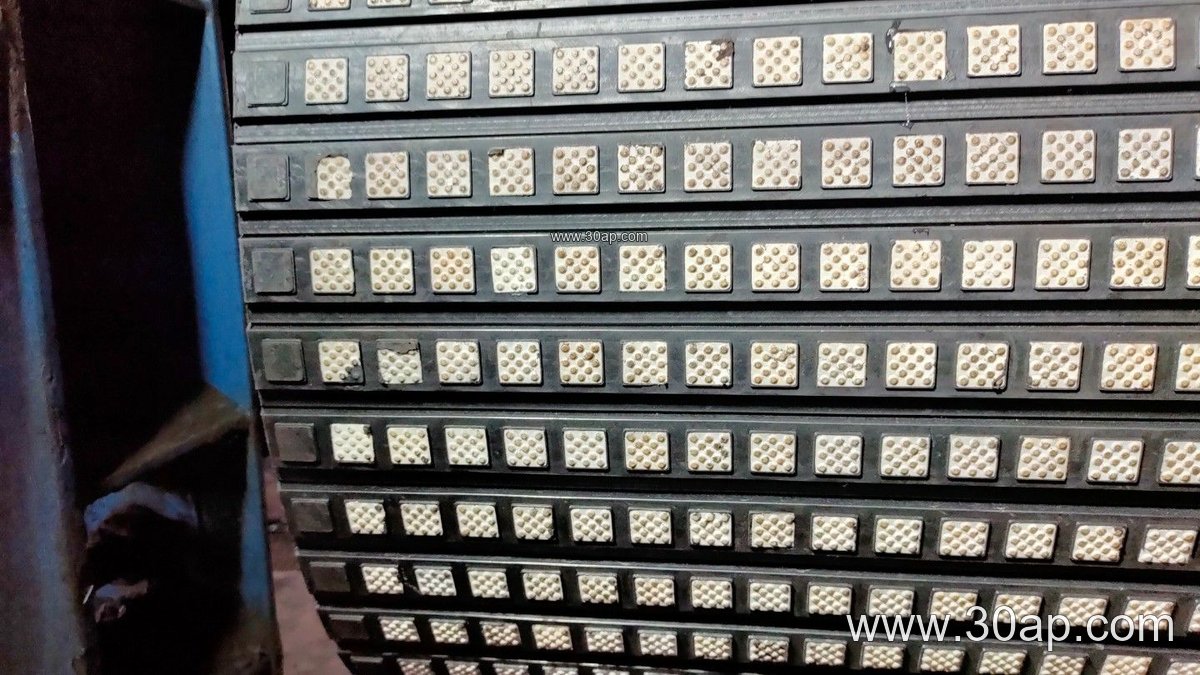
Lagging is where many coal mine specifications differ. Plain steel is used where the belt is clean and friction is adequate. Rubber lagging, applied cold or hot-vulcanized, improves grip and cushions impact. Diamond grooved lagging helps shed water and fine coal, while ceramic lagging is chosen for high-torque drives where slip is a real risk. Lagging thickness commonly runs from about 8 mm to 20 mm depending on duty.
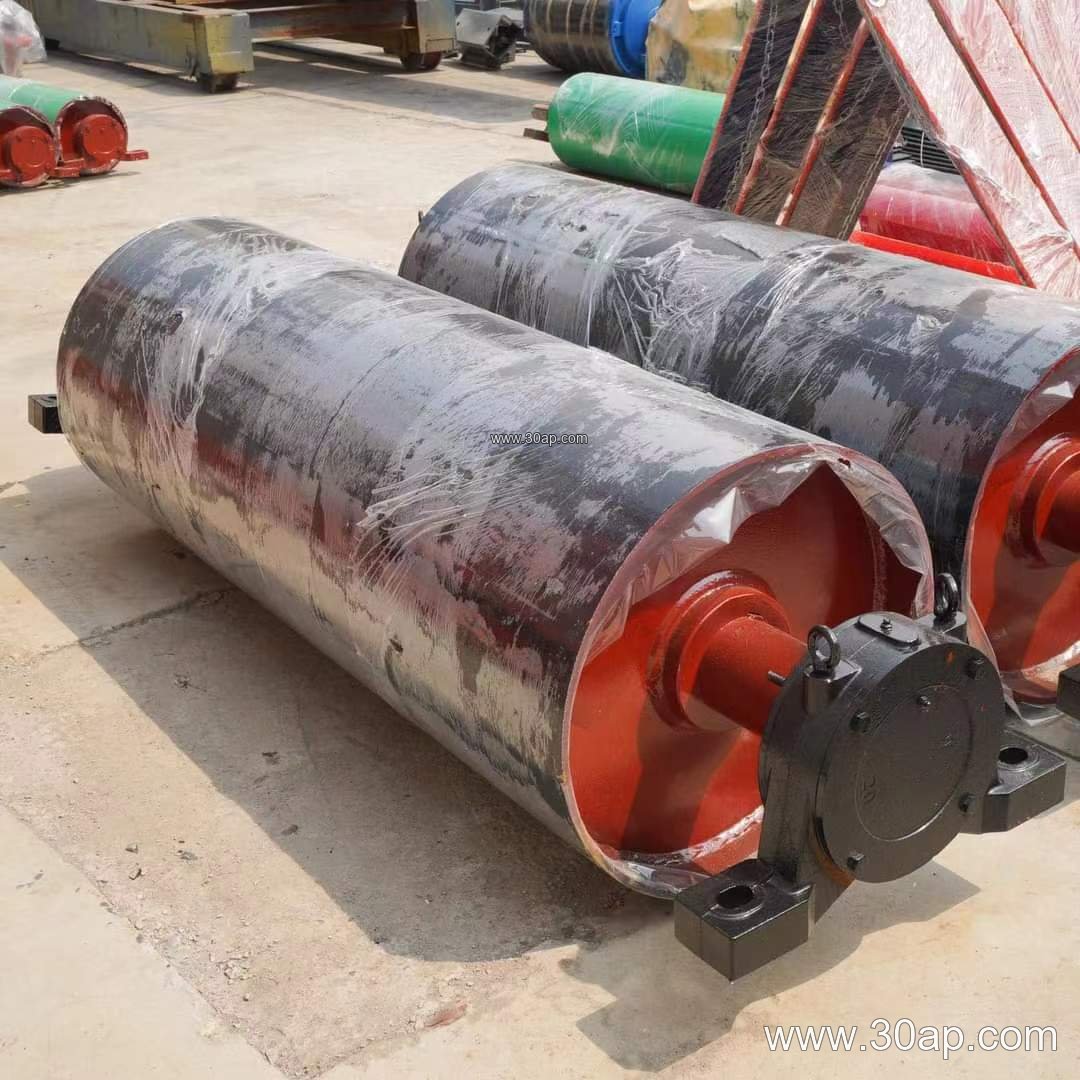
- Drive or head pulley: transmits power, often with diamond or ceramic lagging
- Tail pulley: guides the return belt at the loading end, frequently self-cleaning
- Bend pulley: changes belt direction without driving
- Take-up pulley: works with the tensioning system to hold belt sag
Drive, tail, and bend pulleys are not interchangeable. A bend pulley does not need the same torque capacity as a drive drum, and fitting a light bend drum in a drive position will shorten its life.
Sizes and Surface Options
Drum size is usually written as belt width plus diameter, for example B800 x Ø500 or B1400 x Ø800. Face width is normally a little wider than the belt so the belt does not run off the edge. Common belt widths in coal work include B650, B800, B1000, B1200, B1400, and B1600, and diameters from Ø400 up to Ø1250 appear on main drives. A wider belt does not automatically mean one fixed diameter; the right combination depends on belt tension, wrap angle, and drive power.
| Parameter | Typical Range | Notes |
|---|---|---|
| Belt width | B650 to B1800 | Face width usually slightly larger |
| Pulley diameter | Ø400 to Ø1250 | Set by tension and belt carcass |
| Shaft diameter | Ø80 to Ø200 | Based on torque and load |
| Lagging thickness | 8 to 20 mm | Diamond, plain, or ceramic |
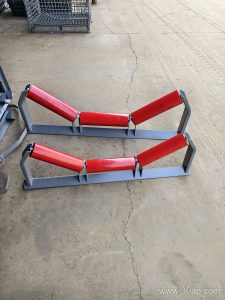
The drum must also suit the belt it carries. A flame retardant conveyor belt used underground has different friction and stiffness than a steel cord conveyor belt on a surface trunk line, and the lagging choice should reflect that. On a coal mining conveyor belt with heavy impact at the transfer point, a larger diameter tail drum and impact idler roller set reduce stress on the carcass.
Where It Fits in the Coal Handling Circuit
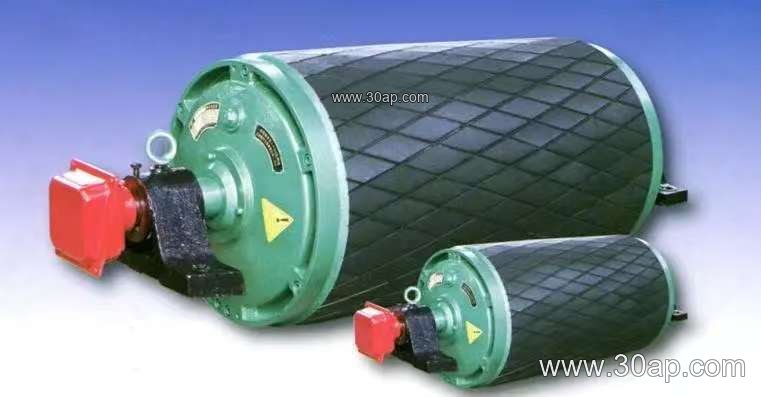
Underground coal mining conveyor belt systems rely on compact, robust drums because space is tight and maintenance access is limited. At a wash plant or a power plant coal yard, the same product appears on longer, faster conveyors where the head pulley may be Ø1000 or larger and the return strand runs over several bend pulleys. In a cement plant or a quarry handling coal as kiln fuel, the drum is often specified with abrasion resistant lagging because limestone dust and coal fines mix on the belt.
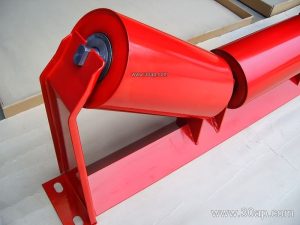
Whatever the site, alignment between the drum, the conveyor bracket, and the carrying idlers matters. A drum that is out of square with the belt centerline will push the belt to one side no matter how good the lagging is.
What Buyers Should Check Before Ordering
Start with the belt data: width, type, tension, and speed. Then confirm the duty position, because a head drum and a tail drum are specified on different criteria. Ask for the shaft material and the bearing size, and check that the lagging grade suits the local conditions, for example fire resistant conveyor belt compatibility in underground work. Confirm face width, keyway dimensions, and lifting points, and make sure the supplier knows whether the drum will be installed with a conveyor bracket bolted to a steel frame or a concrete foundation.
Finally, plan for wear. Lagging can be replaced, bearings can be relubricated, and a spare drum or spare lagged shell shortens shutdowns. Buyers who match the coal mine conveyor pulley to the actual belt load and environment get longer service than those who copy a size from another line.