What a Conveyor Idler Frame Does
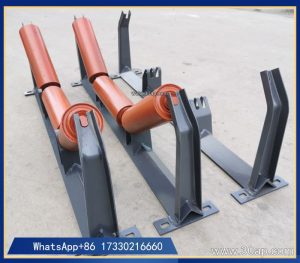
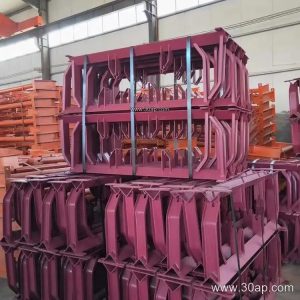
A conveyor idler frame is the steel structure that holds the idler rollers in the correct position under and over the conveyor belt. It bridges the gap between the conveyor stringer and the rotating parts, keeping the belt supported at the right trough angle along the entire run. In a quarry, a coal handling plant, or a cement kiln feed line, these frames are the quiet backbone of the system: if they are weak or badly aligned, the belt will wander, the rollers will wear unevenly, and spillage will follow.
The frame is often called a conveyor idler bracket or idler support frame, and the terms describe the same component. It should not be confused with the drive pulley, tail pulley, or bend pulley, which are completely different parts of the conveyor and serve different functions.
How the Frame Is Built
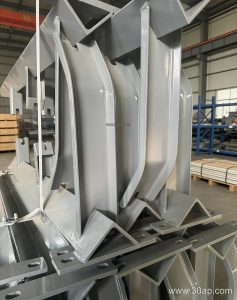
Most frames are fabricated from angle steel, channel steel, or folded steel plate. The material choice depends on load, span, and environment. A heavy-duty mining conveyor belt carrying iron ore demands a stiffer frame than a light aggregate line, and the fabricator will usually match the steel section to the belt width and the expected load.
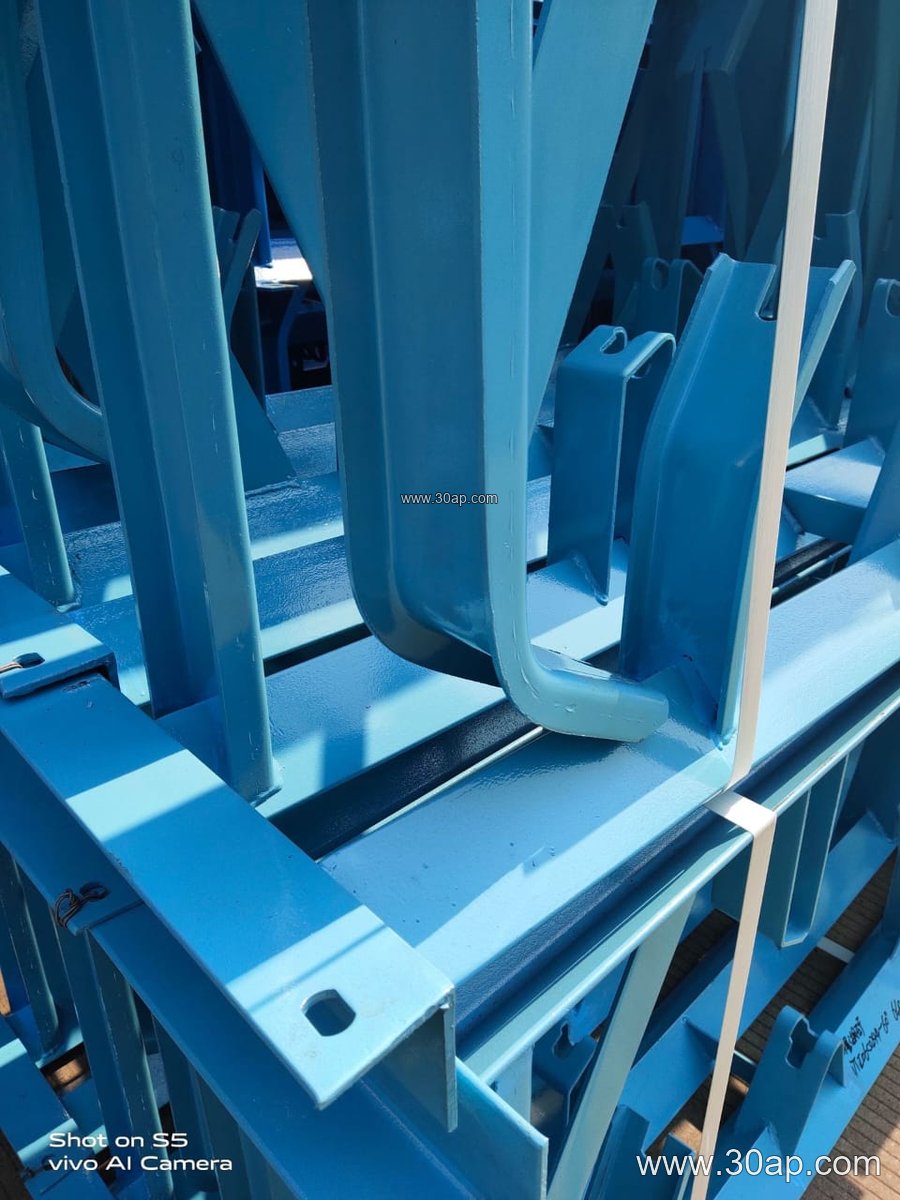
A typical frame includes the cross beam, the mounting feet or hooks that attach to the stringer, and the slots or brackets that hold the idler roller shafts. Slot spacing and beam length are determined by belt width and trough angle; they are not fixed numbers, so a frame for one width should not be assumed to fit another.
| Frame Type | Typical Position | Notes |
|---|---|---|
| Troughing frame (upper) | Carrying side | Sets the trough angle, commonly 20, 30, 35, or 45 degrees |
| Transition frame | Near pulleys | Gradual change of belt shape |
| Return frame / V-return frame | Return side | Supports the empty belt |
| Impact frame | Loading point | Extra stiffness for material drop |
| Self-aligning frame | Anywhere tracking is an issue | Corrects belt wander |
| Adjustable frame | Variable duty | Trough angle can be changed |
Matching Frame, Belt, and Roller
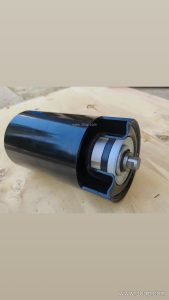
The frame does not work alone. It must match the conveyor belt width and the idler roller diameter. Some common combinations seen in design drawings include B800 with a 35 degree trough and Ø108 rollers, B1200 with 45 degrees and Ø133, or B650 with 30 degrees and Ø89. These are examples, not rules: a given belt width can be paired with more than one roller diameter and trough angle, and the final choice belongs to the conveyor designer.
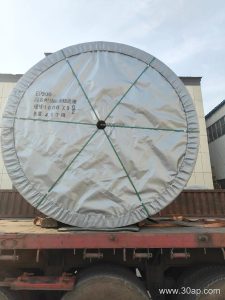
On the carrying side, the frame sets the trough angle that shapes the belt into a curve so bulk material stays centered. On the return side, a flat or V-shaped frame keeps the belt from sagging. In a coal mining conveyor belt installation, flame retardant conveyor belt and anti-static conveyor belt are often specified, and the frames must be aligned carefully so the belt does not rub against the structure.
Where These Frames Are Used
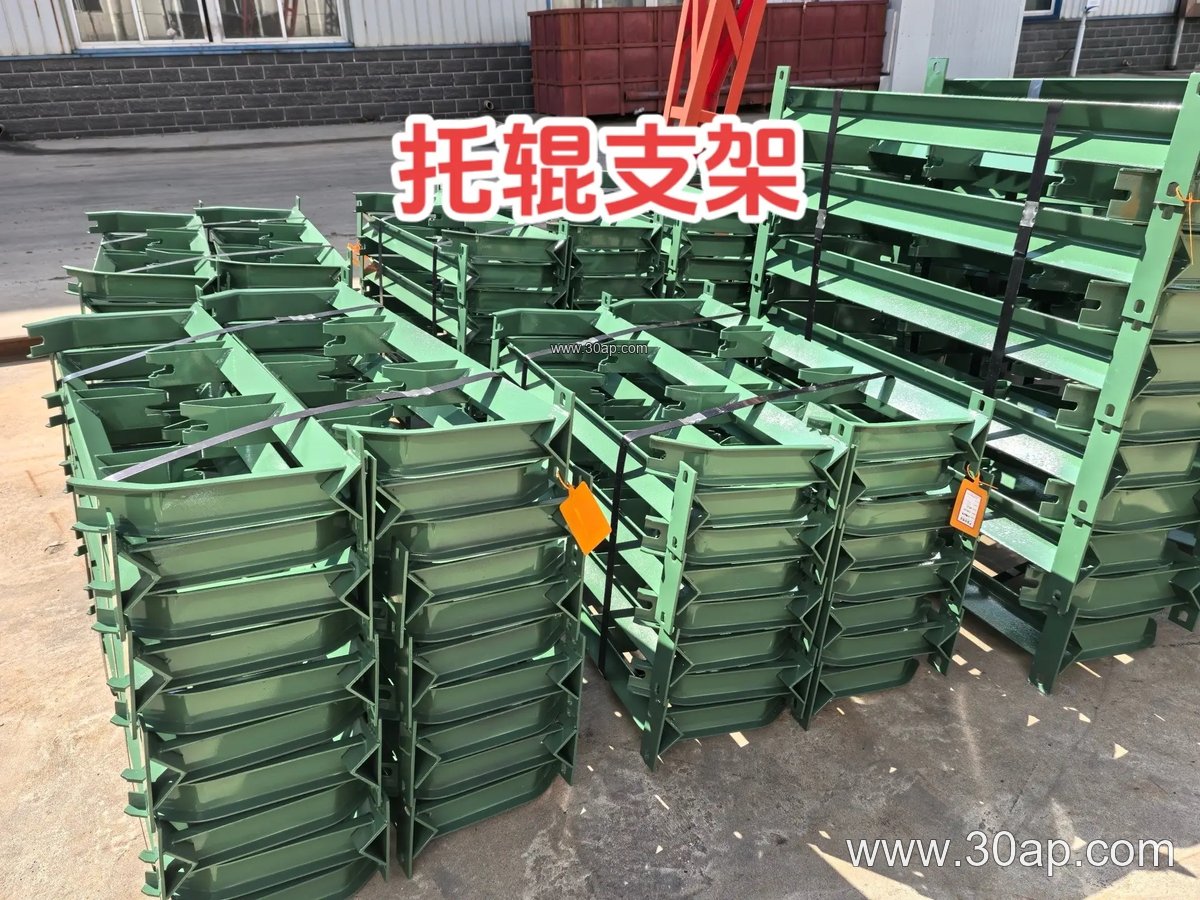
You will find conveyor idler frames in almost every bulk handling operation. In a limestone quarry or a sand and gravel line, troughing frames support an abrasion resistant conveyor belt moving crushed rock. In a power plant coal yard, they carry a coal conveyor belt toward the boiler. In a cement plant, they support clinker and raw meal belts. In a port or a ship loading terminal, long overland conveyors rely on thousands of frames to keep a heavy-duty conveyor belt running smoothly. Even a small batching plant uses them on short transfer belts.
The environment matters. A wet wash plant, a dusty crushing circuit, and a cold outdoor stockyard each put different demands on the frame. Galvanized or painted finishes are common where corrosion is a concern, and the frame should be inspected for distortion after any belt jam or impact event.
Buyer Checklist
- Confirm the belt width and the required trough angle before ordering.
- Match the frame to the idler roller diameter and shaft fixing method.
- Check the mounting hole spacing against the existing stringer.
- Ask for the steel section and finish, especially in wet or corrosive sites.
- For adjustable frames, verify the angle range rather than assuming one setting.
- Keep spare frames for impact and transition positions, which take the most stress.
A well-chosen conveyor idler frame is a low-cost part that protects expensive components: the belt, the rollers, and the pulleys. Getting the frame right at the design stage reduces downtime in the mine, the quarry, or the plant, and it keeps the whole conveyor running true.