What a Coal Conveyor Belt Does
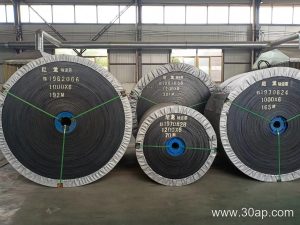
A coal conveyor belt is the load-carrying component of a bulk handling line, moving crushed or raw coal from a stockpile, crusher, or underground face to screening, storage, or a power plant bunker. Unlike a general-purpose belt, it works under a combination of abrasive lump impact, fine coal dust, and often moisture, so the cover compound and carcass are chosen around those conditions. The same product is also called a coal haulage belt or a coal-transport rubber belt, and these terms describe one and the same item.
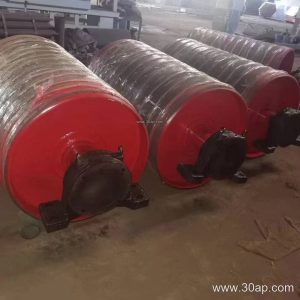
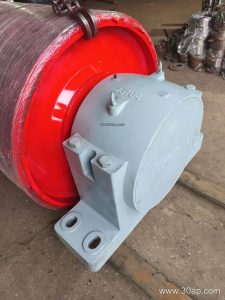
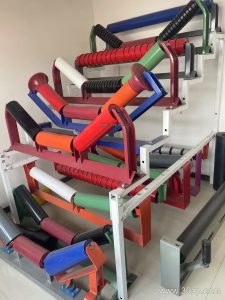
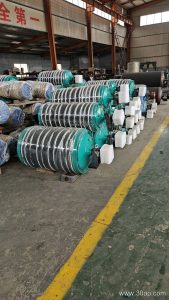
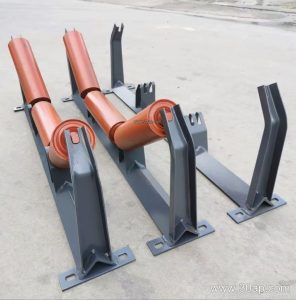
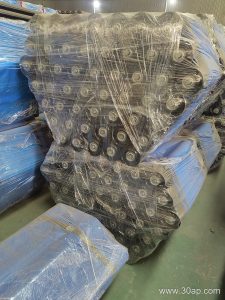
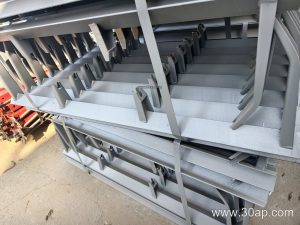
The belt is only part of the circuit. A conveyor pulley at the head drives the loop, a tail pulley returns it, and bend pulleys guide the path through take-up and transition zones. Idler roller sets support the loaded strand, while conveyor brackets hold the idlers and pulleys in alignment. A well-matched belt keeps wear even across all of these parts.
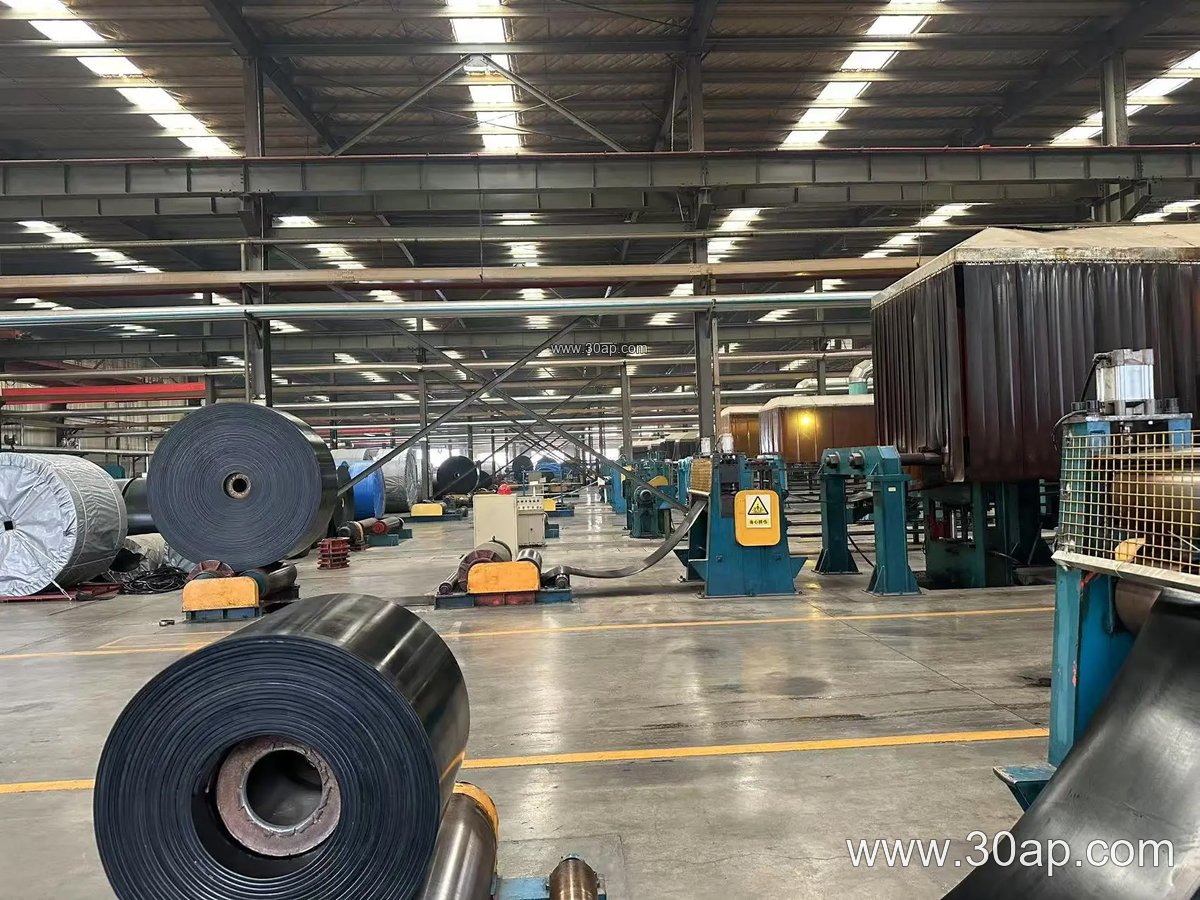
Construction and Common Specifications
Most coal belts use a fabric carcass or a steel cord carcass. Fabric types include EP (polyester-cotton) and NN (nylon-nylon) constructions, both available as multi-ply fabric core designs. Steel cord belts are chosen for long center distances and high tension. Cover rubber is usually applied top and bottom in a range such as 3+1.5 mm, 4+2 mm, 5+2 mm, 6+2 mm, or 8+3 mm, with 2 to 6 plies common in fabric builds. Values below are typical reference points, not fixed pairings, and final selection follows the conveyor design.
| Item | Common Reference Values |
|---|---|
| Belt width | B500, B650, B800, B1000, B1200, B1400, B1600, B1800, B2000 |
| EP strength grades | EP200, EP400, EP500, EP630, EP800, EP1000, EP1250 |
| NN strength grades | NN100, NN200, NN300, NN400 |
| Steel cord grades | ST1000, ST1250, ST1600, ST2000 |
| Cover thickness | 3+1.5, 4+2, 5+2, 6+2, 8+3 mm |
For underground coal mining, flame retardant and anti-static properties are normally specified, and PVG or PVC constructions are widely used where fire safety rules apply. A flame retardant conveyor belt for coal duty is not the same as a heat resistant belt; the first addresses fire propagation, the second addresses hot material. Surface forms also vary: a chevron conveyor belt or corrugated sidewall belt helps on inclines, while a pipe conveyor belt encloses the load to control dust in port and plant transfer points.
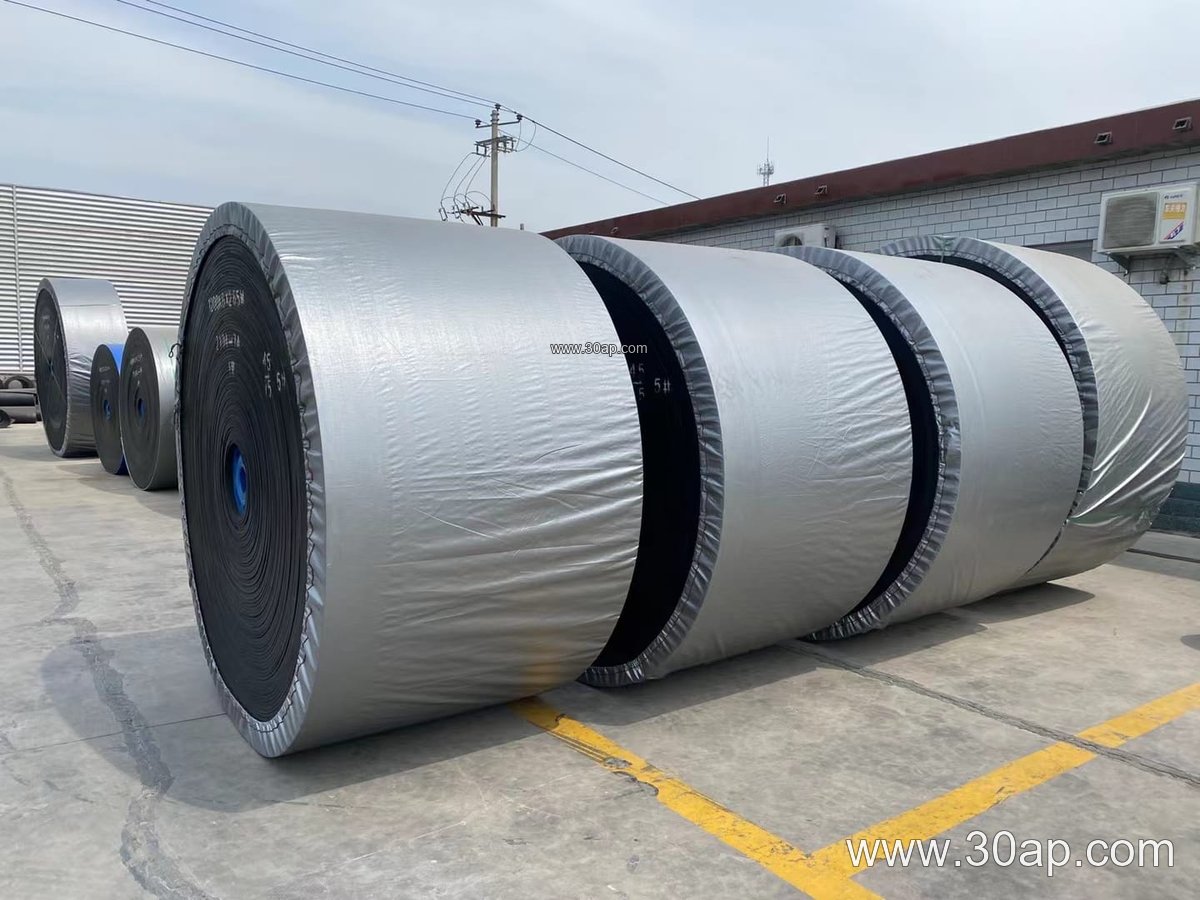
Where Coal Belts Are Used
Applications range from coal mines and underground coal mining conveyor systems to power plant coal yards, cement plants burning coal in kilns, and rail or port loading terminals. In a coal preparation plant, a heavy-duty mining conveyor belt handles washed coal and rejects; at a crusher conveyor position, impact resistant covers reduce gouging from large lumps. Quarry and aggregate operations that handle coal as fuel follow similar logic. Because coal dust is abrasive and can be oily or wet, abrasion resistant and oil resistant covers are frequently requested. Cold resistant grades matter in northern yards, and anti-static builds help where static buildup is a concern.
Buyer Checklist
- Confirm the actual belt width and strength grade against the conveyor design, not against a neighboring line.
- State the material size, drop height, and loading method so the cover and carcass can be matched to impact.
- Clarify the environment: underground, open yard, dusty transfer house, or coastal port.
- Check that the head drive pulley, tail pulley, and bend pulleys are sized for the belt tension and thickness.
- Review idler roller spacing and conveyor bracket condition, since poor support shortens belt life.
- Ask for the cover thickness and ply or cord construction in writing.
- For replacement belts, request an endless conveyor belt or a splice method that fits the available downtime.
- Keep spare belt sections, idlers, and pulley lagging on site to reduce stoppage risk.
Maintenance is mostly about alignment and cleaning. Material buildup on return idlers and pulleys causes edge damage and tracking faults, so inspection of the pulley faces, idler roller shells, and conveyor brackets should be routine. A coal conveyor belt that is correctly tensioned, kept clean, and matched to its drive and tail pulleys will usually deliver steady service in mines, power stations, cement works, and bulk terminals.