What a Friction Idler Does on a Conveyor
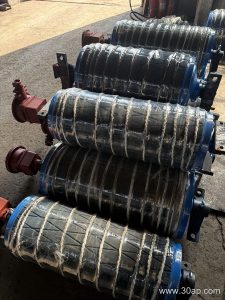
A friction idler is a self-aligning idler roller that corrects belt drift by using the friction between the moving belt and the roller surface. When the belt wanders toward one side, the angled or offset rollers in the friction idler set generate a small steering force that nudges the belt back toward the center line. It sits on the carrying or return side of a conveyor and works passively, without motors, sensors, or actuators. In a quarry, a coal preparation plant, or a power plant coal handling line, this simple mechanical correction keeps the conveyor belt from rubbing against the frame and spilling material.
Unlike a plain training idler that relies only on pivot geometry, the friction idler uses the belt’s own motion to create the correction. That makes it a practical choice where the belt is long, the structure is exposed to wind and load changes, or where frequent manual adjustment is not realistic.
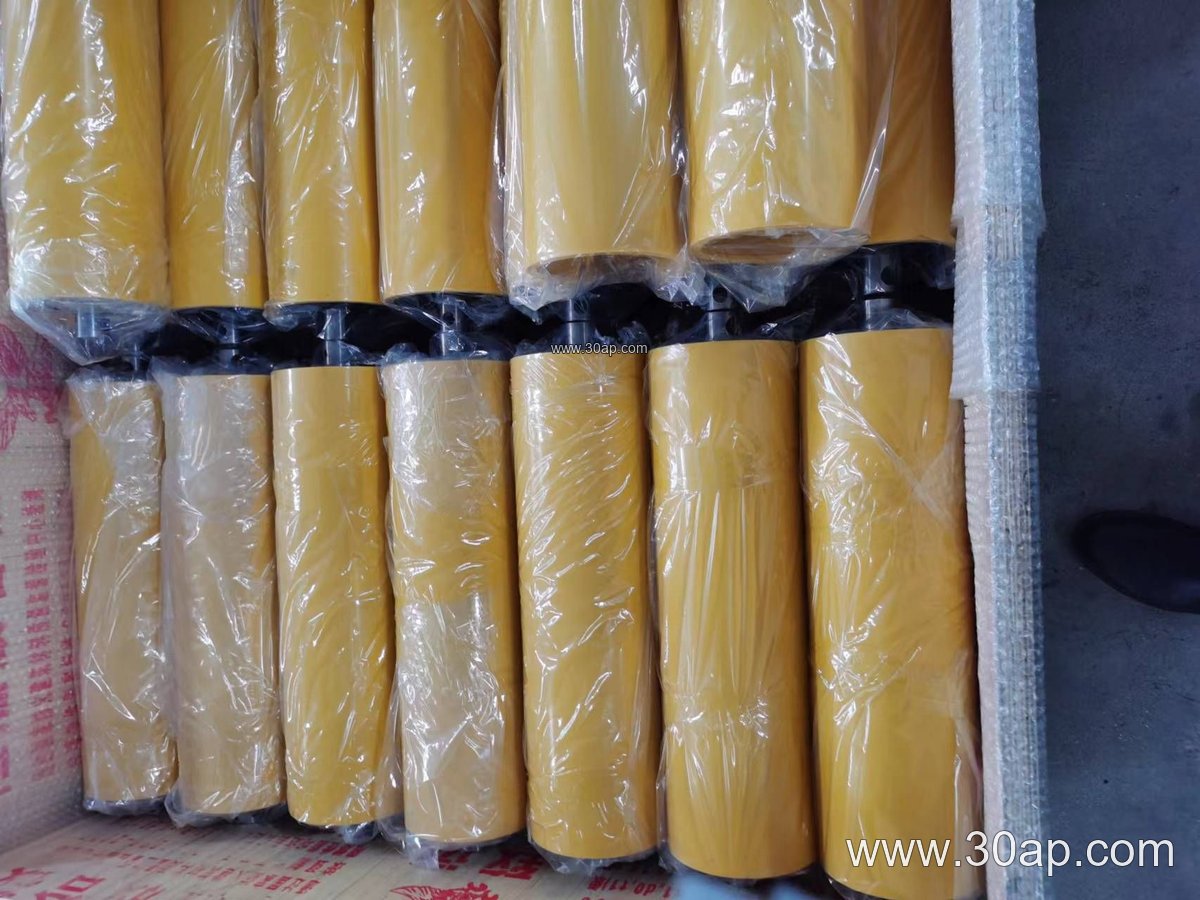
How the Friction Idler Is Built
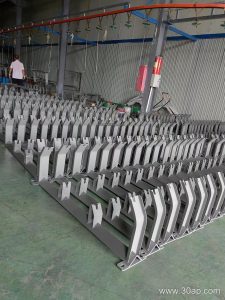
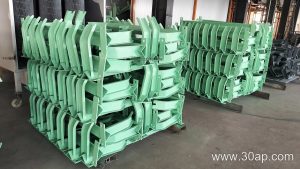
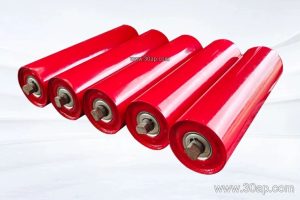
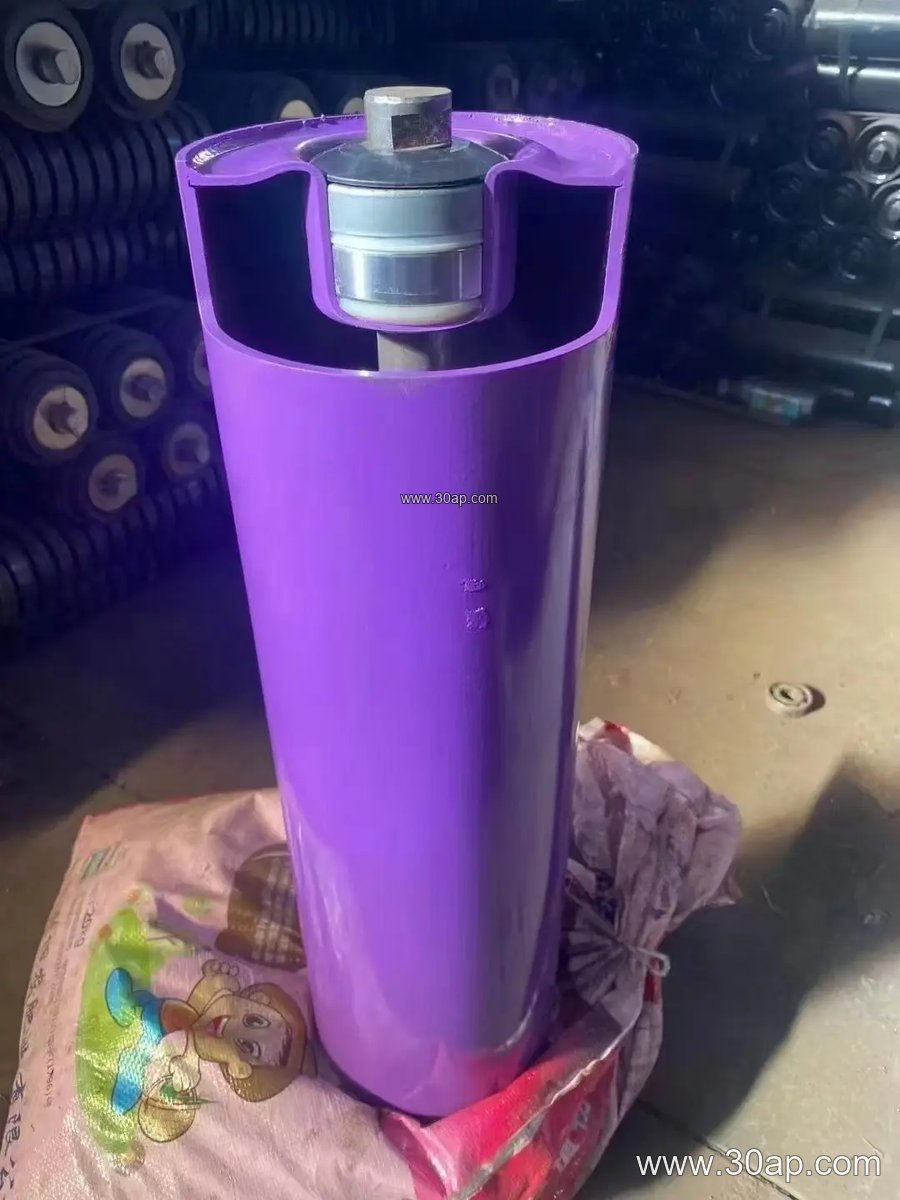
The assembly usually combines a pair of angled rollers, a pivoting frame, and a mounting base. The rollers are commonly arranged in a V or offset pattern so that contact with the belt produces a turning moment around the pivot. Roll diameters in common use include Ø89, Ø108, Ø127, and Ø133, with larger sizes such as Ø159 or Ø178 appearing on heavy-duty mining conveyors. Roller length follows the belt width and the frame layout; for reference, a three-roll troughing set might use roughly 315 mm rolls on a B800 belt or 465 mm on a B1200 belt, but the exact length is set by the design.
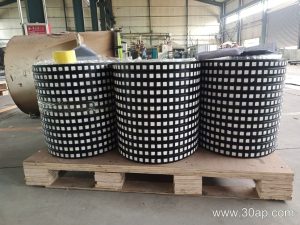
Bearings are typically sealed deep-groove ball bearings such as 6204, 6205, 6305, or 6308, chosen to suit the load and shaft. The roller shell may be steel, nylon, or covered with a rubber ring for better grip. A rubber-covered friction idler tends to bite the belt more consistently in wet or dusty conditions, which matters in aggregate and ore handling.
Where It Fits in the Conveyor Line
Friction idlers are most often installed on the return strand, where the belt is light and easy to steer, and at intervals along the carrying side where drift is a recurring problem. They are not a replacement for the drive pulley, tail pulley, or bend pulley; those components transmit power or change belt direction, while the friction idler only influences tracking. A conveyor pulley at the head end and a tail pulley at the take-up end stay in their own roles.
Typical locations include transfer points after a crusher, long overland sections in a limestone mine, and inclined runs in a cement plant where material shifts to one side. On a steel cord conveyor belt or a heavy-duty mining conveyor belt, a few well-placed friction idlers can reduce edge damage and extend belt life.
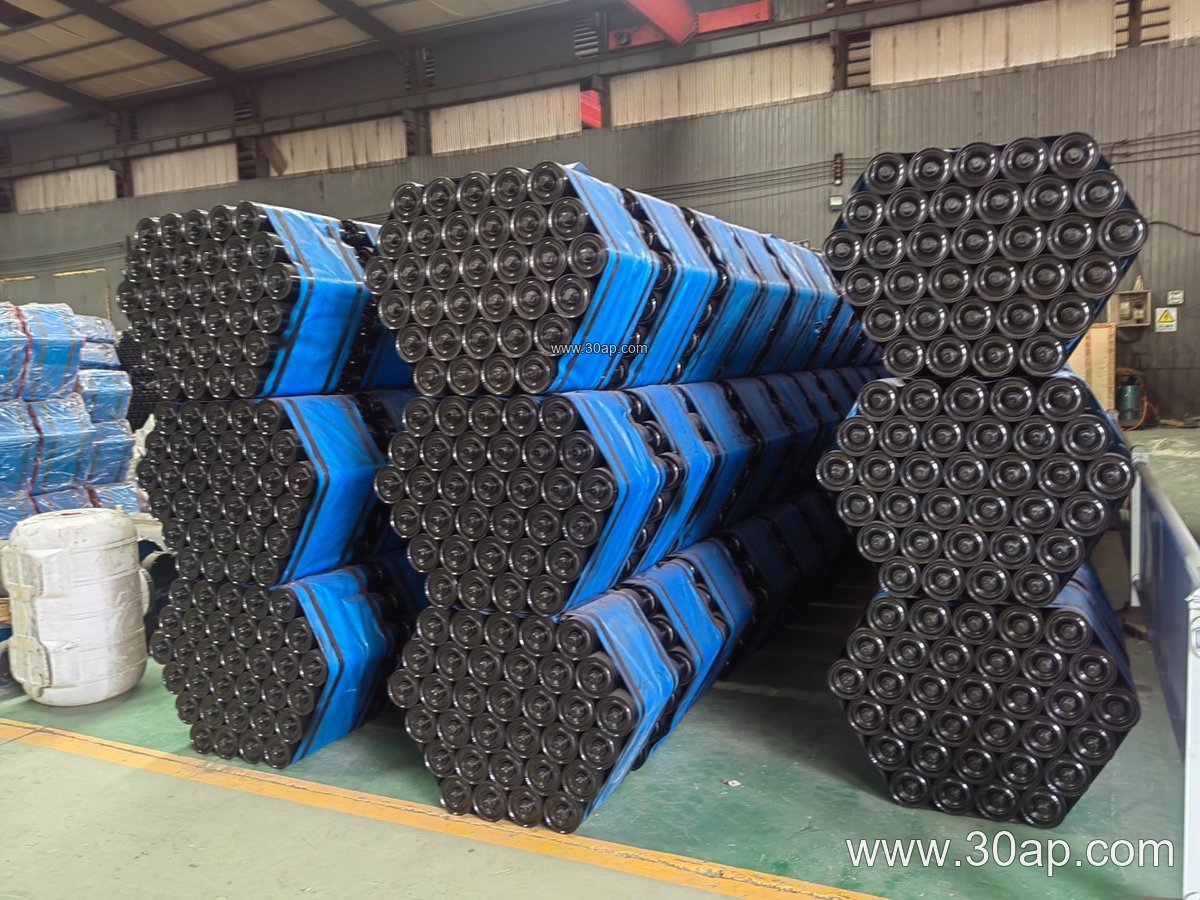
Matching the Idler to the Belt and the Duty
Selection starts with belt width and trough angle. Common belt widths run from B400 and B500 up to B2000 and B2400, and trough angles of 20, 30, 35, and 45 degrees are standard. The friction idler frame must match the existing conveyor bracket and stringer spacing. Buyers should confirm shaft diameter, mounting hole pattern, and the height of the roller above the frame before ordering.
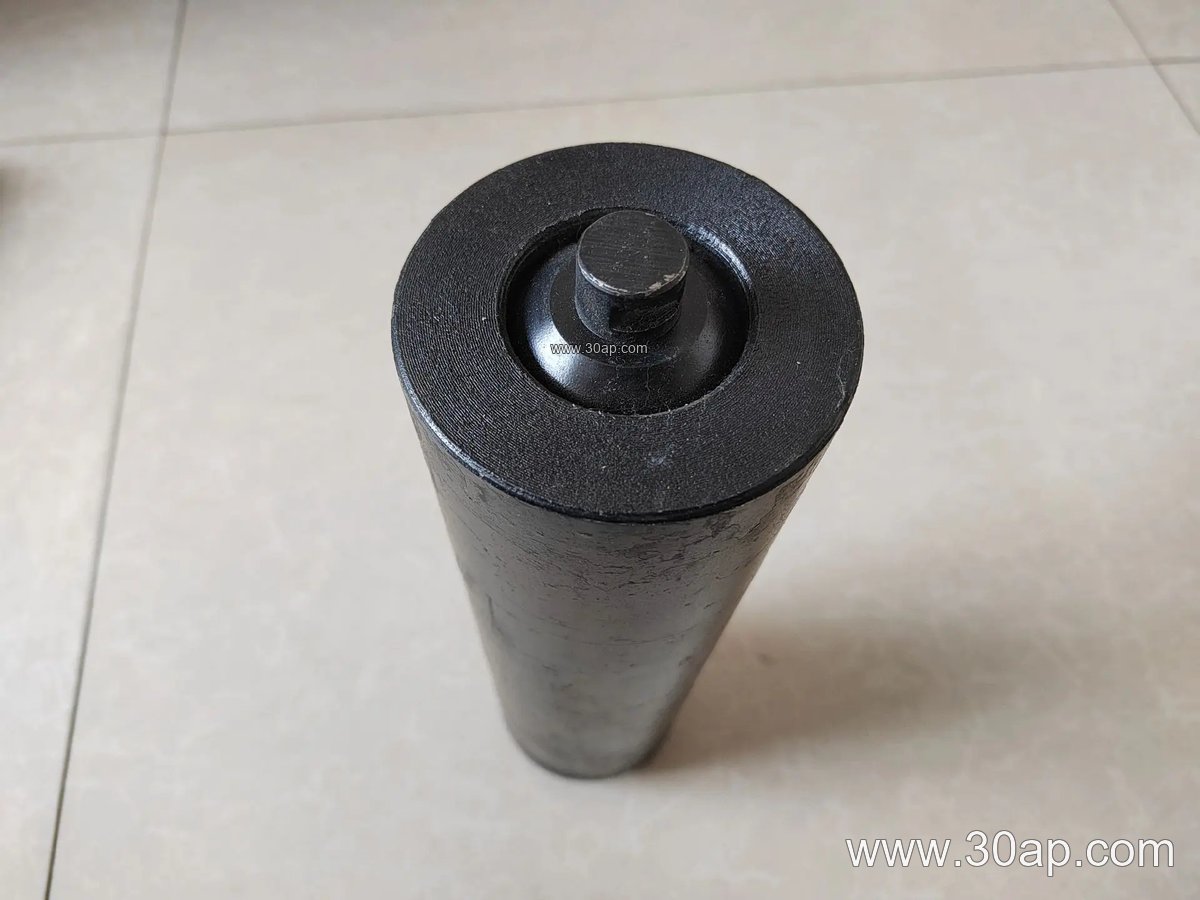
Duty also matters. A rubber conveyor belt carrying wet sand needs a different grip level than a fabric core conveyor belt moving dry grain. In dusty coal mining conveyor belt service, sealed bearings and rubber-covered rolls are often preferred. For high-abrasion duty such as iron ore or copper ore, a heavier shell and reinforced frame pay off. Where the belt is flame retardant conveyor belt rated for underground use, the idler should be selected to suit the same environment.
Installation and Maintenance Notes
Mount friction idlers square to the belt center line and check that the pivot moves freely before tightening the bracket bolts. A stiff pivot defeats the purpose of the design. Inspect rollers for flat spots, shell wear, and bearing noise during routine walks. Replace seized rollers promptly, because a locked friction idler can act as a drag and cause the very misalignment it is meant to fix.
Keep the belt surface reasonably clean; caked material changes friction and reduces steering response. On conveyors carrying sticky bulk material, pair the idlers with good belt cleaning and check tracking after any change in tonnage or belt tension. For more on compatible belts and conveyor components, see friction idler and related conveyor belt options at conveyor belt and idler roller pages.
Quick Reference for Buyers
- Confirm belt width, trough angle, and whether the idler goes on the carrying or return side.
- Check roller diameter and length against the existing frame, not against a single universal rule.
- Specify bearing size and sealing level for the site conditions.
- Choose steel, nylon, or rubber ring rolls based on grip and wear needs.
- Verify the mounting pattern matches the conveyor bracket already in place.
Used with care, a friction idler is a low-cost way to keep a conveyor belt centered through long shifts in demanding bulk handling work.