What a Galvanized Conveyor Bracket Does
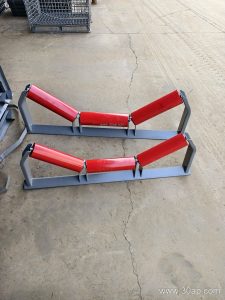
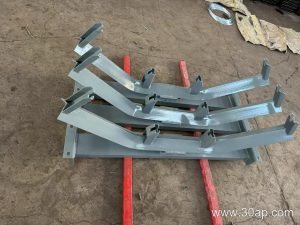
A galvanized conveyor bracket is the structural support that holds idler rollers in place along a conveyor system. Often called a galvanized conveyor idler frame, this component keeps the belt at the correct profile, absorbs load, and maintains alignment through the entire run. In quarry lines, coal handling plants, and cement works, these brackets are exposed to dust, moisture, and constant vibration, so the zinc coating on a galvanized bracket is not cosmetic—it is a working layer that resists corrosion and extends service life.
Construction and Materials
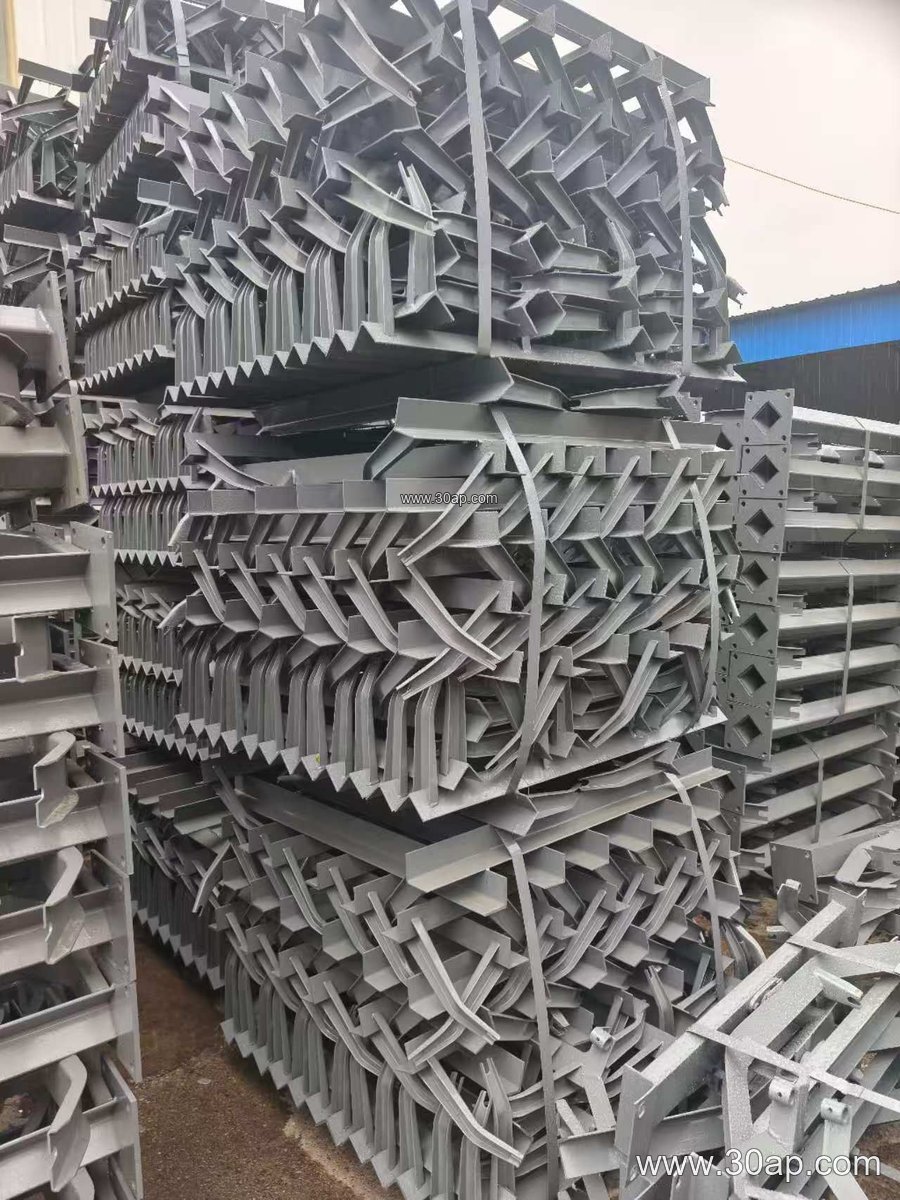
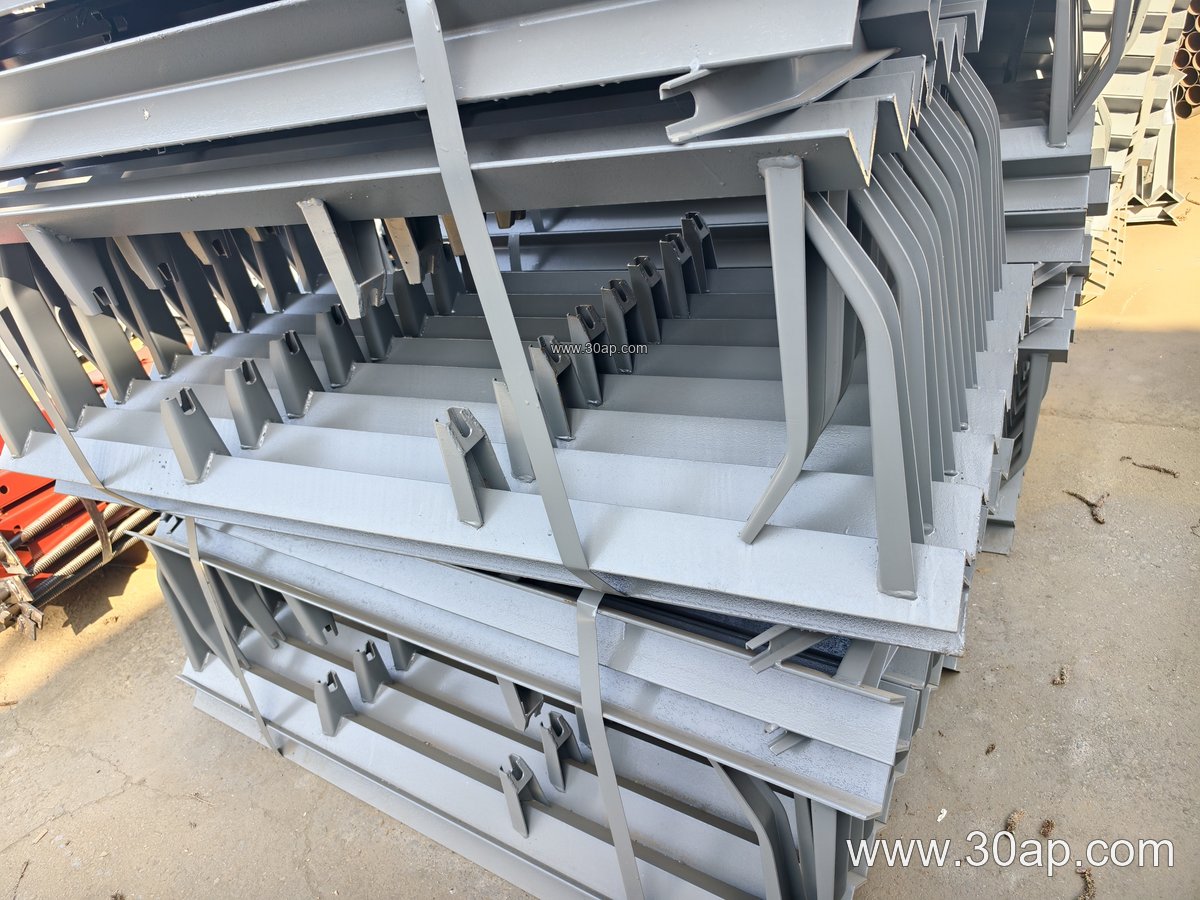
Most brackets are fabricated from angle steel, channel steel, or folded steel plate. After cutting and drilling, the assembly is hot-dip galvanized or electro-galvanized to form a protective zinc layer. The design must match the belt width, trough angle, and roller diameter used on the line. For example, a B800 belt running at 35 degrees with Ø108 idlers will need a different bracket geometry than a B1200 line at 45 degrees with Ø133 rollers. Installation hole spacing and crossbeam length are determined by the belt width and trough angle, not by a single fixed formula.
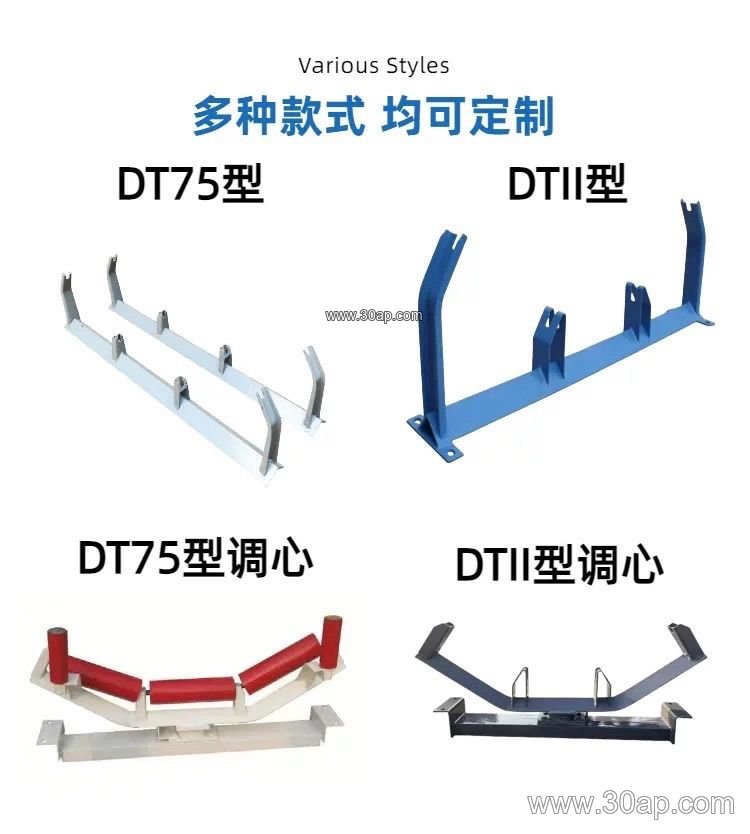
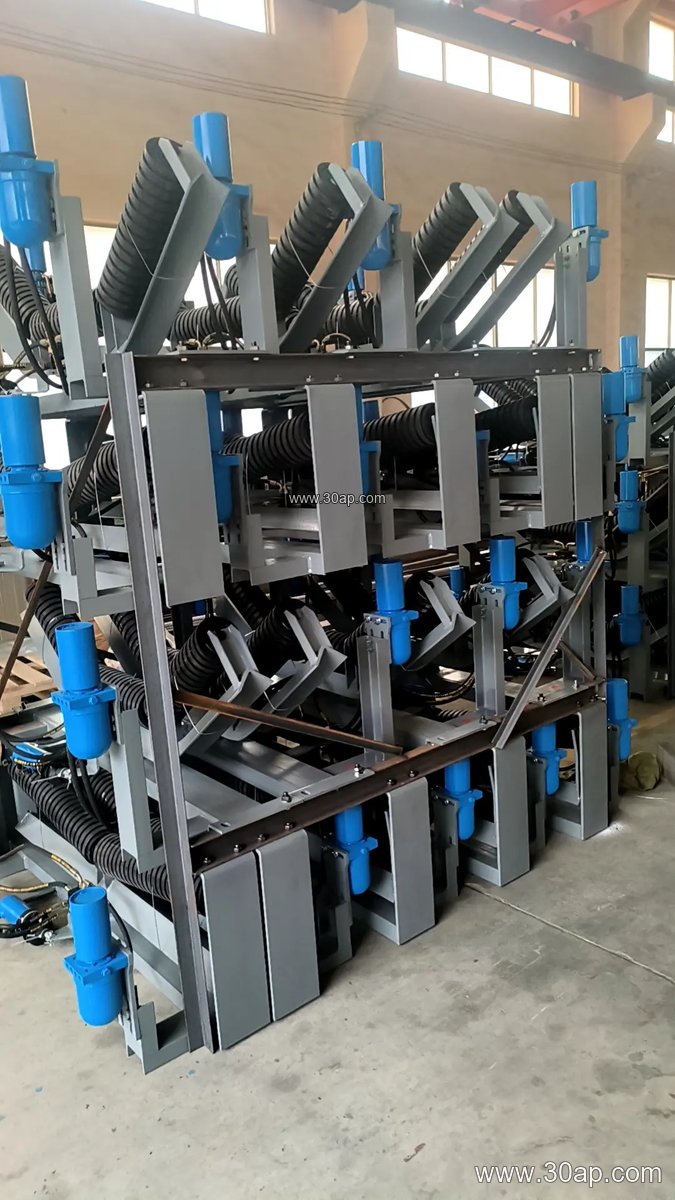
Common Bracket Types
- Troughing bracket (carrying side)
- Transition bracket
- Return bracket and V-return bracket
- Impact bracket for loading zones
- Self-aligning bracket
- Forward-tilt bracket (typically about 1.5 to 2 degrees)
- Adjustable bracket for variable trough angles
Adjustable versions allow the operator to set the trough angle among common values such as 20, 30, 35, or 45 degrees, which helps when the same conveyor handles different materials. Fixed brackets are simpler and often preferred where the belt path is stable.
Where These Brackets Are Used
You will find galvanized conveyor brackets in stone crushing plants, aggregate yards, and cement plants. In a quarry, a heavy-duty mining conveyor belt carries rock from the crusher to the stockpile, and the bracket must handle impact and misalignment. In a coal handling system, a flame retardant conveyor belt runs over troughing brackets that are frequently exposed to washdown water, making galvanized steel a practical choice. The same bracket design supports fabric core conveyor belts and steel cord conveyor belts, though the load calculations differ. A skirted conveyor belt or corrugated sidewall conveyor belt may need modified bracket spacing near the loading point.
Matching Brackets to Belt and Roller
Selection starts with the belt width and the required trough angle. Common belt widths include B500, B650, B800, B1000, B1200, B1400, B1600, B1800, B2000, B2200. Roller diameters are usually Ø89, Ø108, Ø133, Ø159, or Ø194. A bracket for a B650 line at 30 degrees with Ø89 rollers is not the same as one for a B1400 line at 35 degrees with Ø133 rollers. There is no rule that one belt width can only use one trough angle or one roller diameter; the combination depends on the conveyor design, material lump size, and desired belt capacity.
Reference Combinations (for illustration only)
| Belt Width | Trough Angle | Roller Diameter | Typical Use |
|---|---|---|---|
| B500 | 20° | Ø89 | Light aggregate lines |
| B800 | 35° | Ø108 | Quarry and sand plant |
| B1000 | 35° | Ø133 | Cement plant clinker |
| B1200 | 45° | Ø133 | Coal handling |
| B1400 | 35° | Ø159 | Iron ore and heavy bulk |
These combinations are common references, not universal specifications. Actual selection should follow the conveyor design and the load profile.
Buyer Checklist
- Confirm the belt width and trough angle before ordering.
- Check the roller diameter and shaft size that the bracket will carry.
- Verify the galvanizing method and coating thickness for the environment.
- Decide between fixed and adjustable brackets based on maintenance needs.
- Review the bracket’s compatibility with idler roller and conveyor pulley layout.
- Consider the material being conveyed—abrasion resistant conveyor belt and heat resistant conveyor belt lines may need different support spacing.
A well-matched galvanized conveyor bracket reduces belt edge damage, improves tracking, and lowers downtime. For more details on conveyor components, visit www.beltconveyorparts.com and review bracket options alongside conveyor pulley and idler roller selections.