What a Conveyor Parts Idler Does on the Line
A conveyor parts idler is the rotating support that carries the belt and the material load along the length of a conveyor. In a quarry, a cement plant, or a coal handling system, these rollers keep the belt tracking smoothly while minimizing friction and wear. The idler roller is not a single universal item; it comes in troughing, return, impact, and self-aligning forms, each shaped by where it sits on the conveyor structure. When paired with a properly specified conveyor belt, such as an abrasion resistant conveyor belt or a flame retardant conveyor belt, the idler set determines how quietly and efficiently the whole line runs.
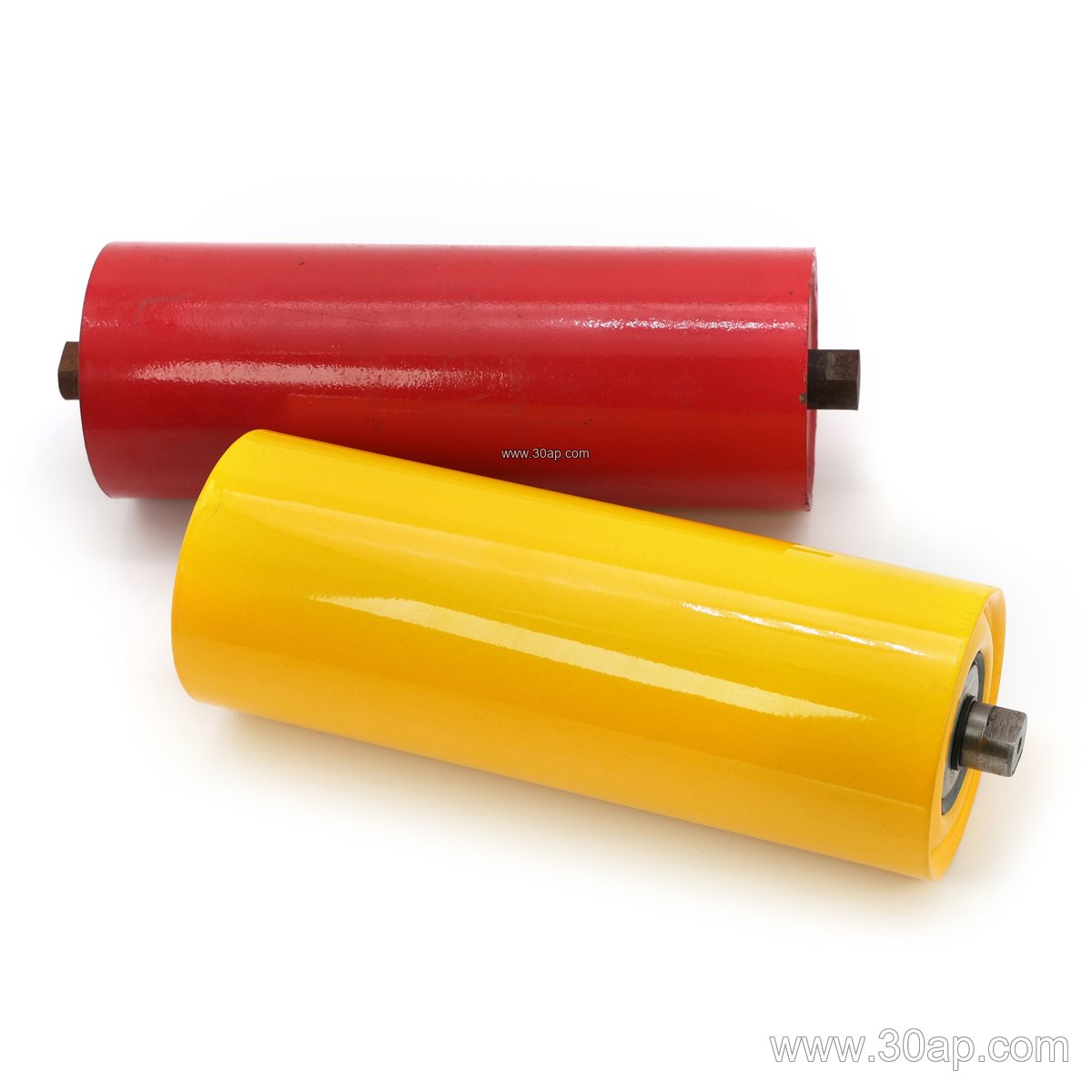
Construction and Common Configurations
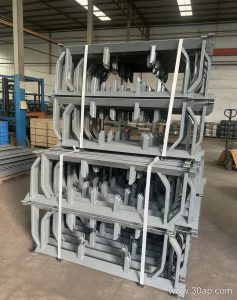
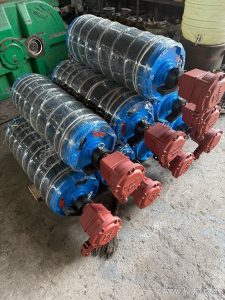
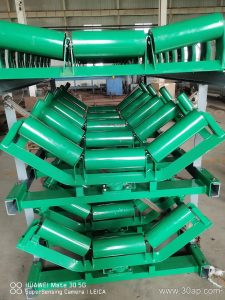
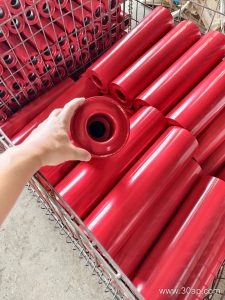
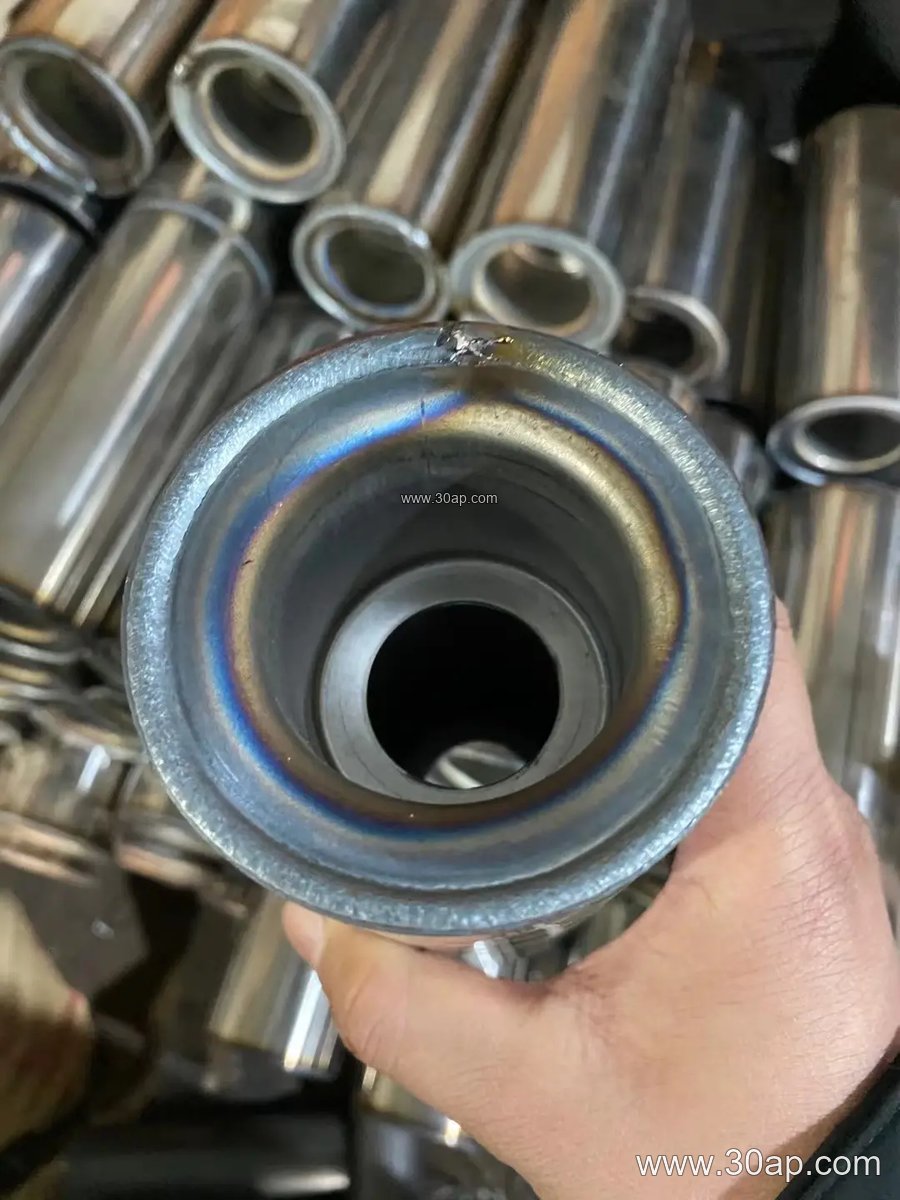
Most idlers share a simple architecture: a steel tube shell, a shaft, bearing housings, and a sealing system. The shell may be plain steel, nylon-coated, ceramic-lined, or fitted with rubber rings for impact absorption. Bearings are typically deep-groove ball types such as 6204, 6205, 6305, 6306, 6308, or 6310, selected according to load and speed rather than tied to one roller diameter. Roller diameters commonly include Ø63, Ø76, Ø89, Ø102, Ø108, Ø127, Ø133, Ø159, Ø178, Ø194, and Ø219 mm. Troughing sets are often three-roll arrangements with trough angles of 20, 30, 35, or 45 degrees; a slight forward tilt of about 1.5 to 2 degrees is sometimes used on training idlers to help center the belt.
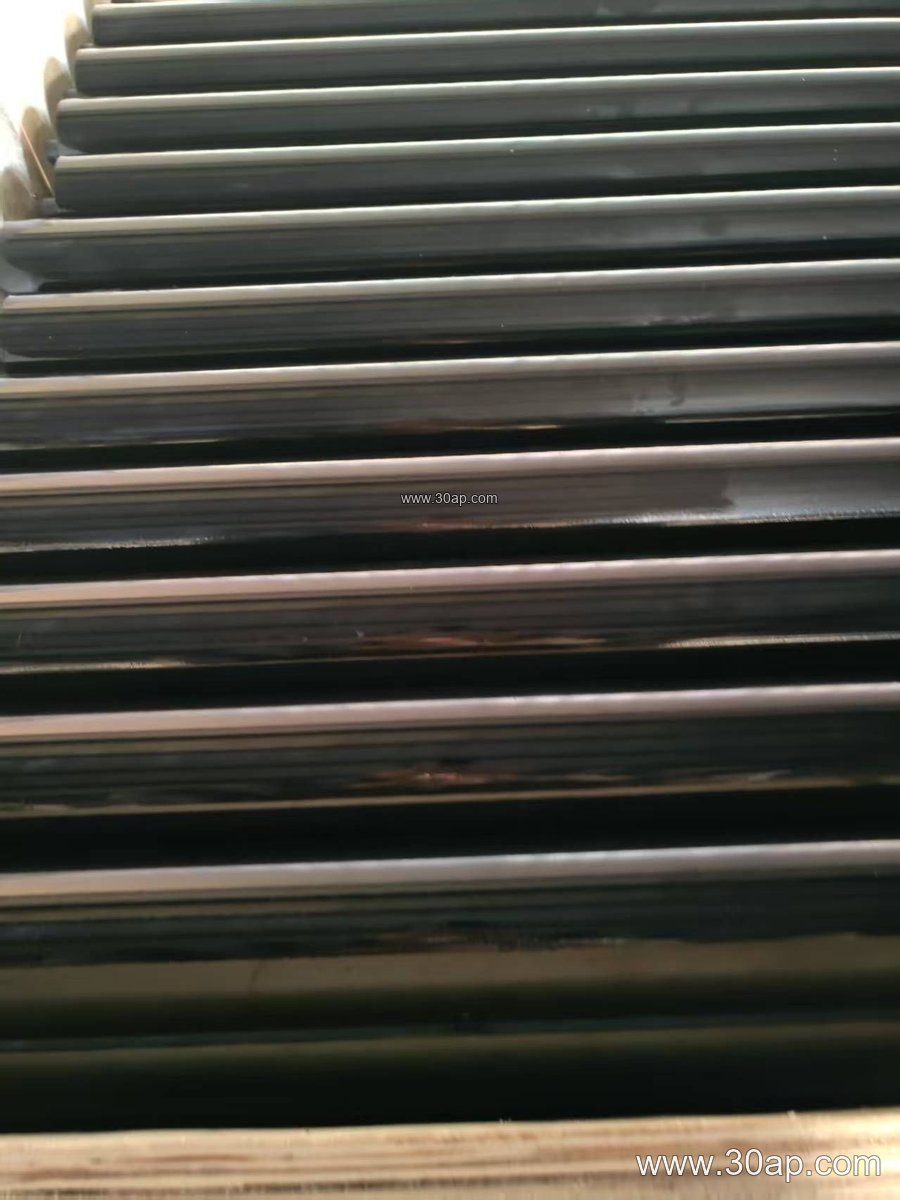
Roll length varies with belt width, trough angle, and roll position. For reference, a three-roll troughing set might use roughly 200 mm rolls on a B500 belt, 250 mm on B650, 315 mm on B800, 380 mm on B1000, 465 mm on B1200, 530 mm on B1400, 600 mm on B1600, 670 mm on B1800, and 750 mm on B2000. These are common examples, not fixed matches, and side rolls can differ from the center roll.
Where Idlers Fit in Different Industries
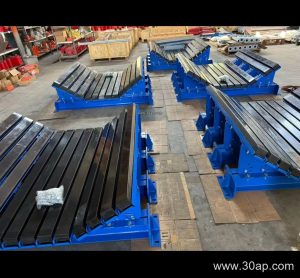
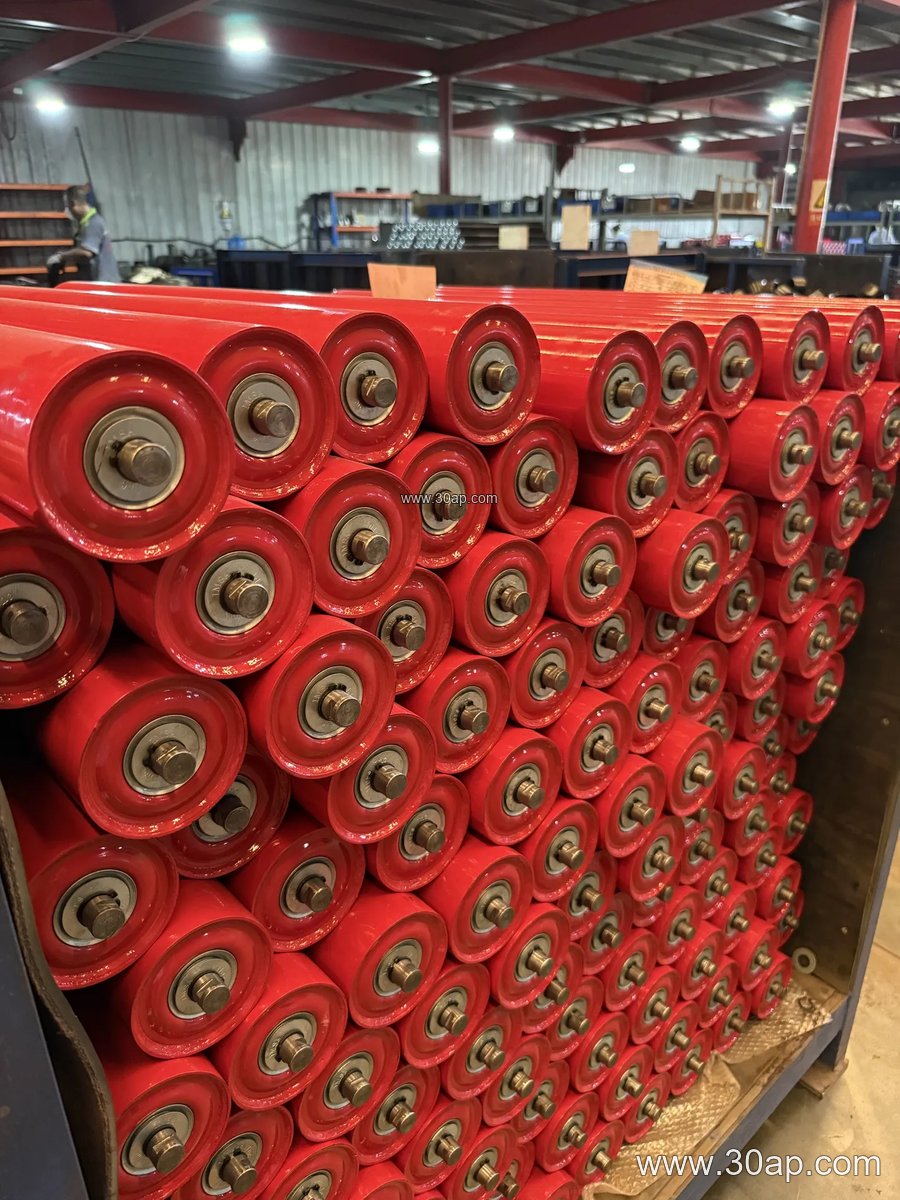
In a limestone quarry or aggregate plant, troughing idlers support a heavy-duty mining conveyor belt loaded with crushed rock, while return idlers carry the empty strand back to the tail. Buffer idlers with rubber rings are placed under loading points to absorb impact from large lumps. In a coal washing plant or underground coal mining conveyor, flame retardant and anti-static properties matter, and self-aligning idlers help keep the belt from drifting in confined galleries. Cement plants rely on heat resistant conveyor belts and sturdy idlers near kiln discharge, while power plant coal handling and port ship loading systems use long overland conveyors where low rolling resistance translates into energy savings.
Specification Pointers for Buyers
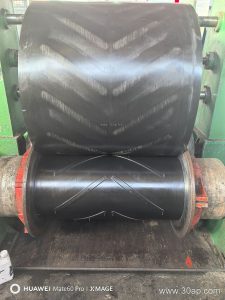
Selecting the right idler starts with the belt width and the load. A B800 or B1000 conveyor belt in a sand and gravel line may use Ø89 or Ø108 mm rollers, while a B1600 steel cord conveyor belt in an iron ore operation might call for Ø159 or Ø178 mm rollers with heavier bearings. Consider the environment: dusty, wet, or corrosive conditions demand better sealing; high-temperature zones need heat-resistant grease and suitable shell materials. The conveyor bracket and frame spacing must match the idler shaft and mounting dimensions. Buyers should also check that trough angles suit the material—20 or 30 degrees for easy-flowing bulk, 35 or 45 degrees for higher capacity. For Chevron conveyor belts or corrugated sidewall belts, return idlers may need special profiles or disc return rolls to clear the cleats. Matching idlers to the conveyor pulley layout and take-up system ensures even belt tension and long service life.
Maintenance and Longevity Notes
Idlers are wear items, but their life can be extended by keeping the belt aligned, avoiding overload, and inspecting seals during scheduled shutdowns. A seized roller can quickly damage a conveyor belt, so listening for squeaks and checking for wobble is worthwhile. In cold climates, cold resistant conveyor belts and low-temperature grease help prevent stiffness. For food grade or oil resistant applications, choose idler surfaces that resist chemical attack. Overall, the humble idler roller is a small component with a large influence on conveyor reliability, and getting the specification right pays off across mining, quarrying, cement, power, and port operations.