What a Steel Plant Conveyor Pulley Does
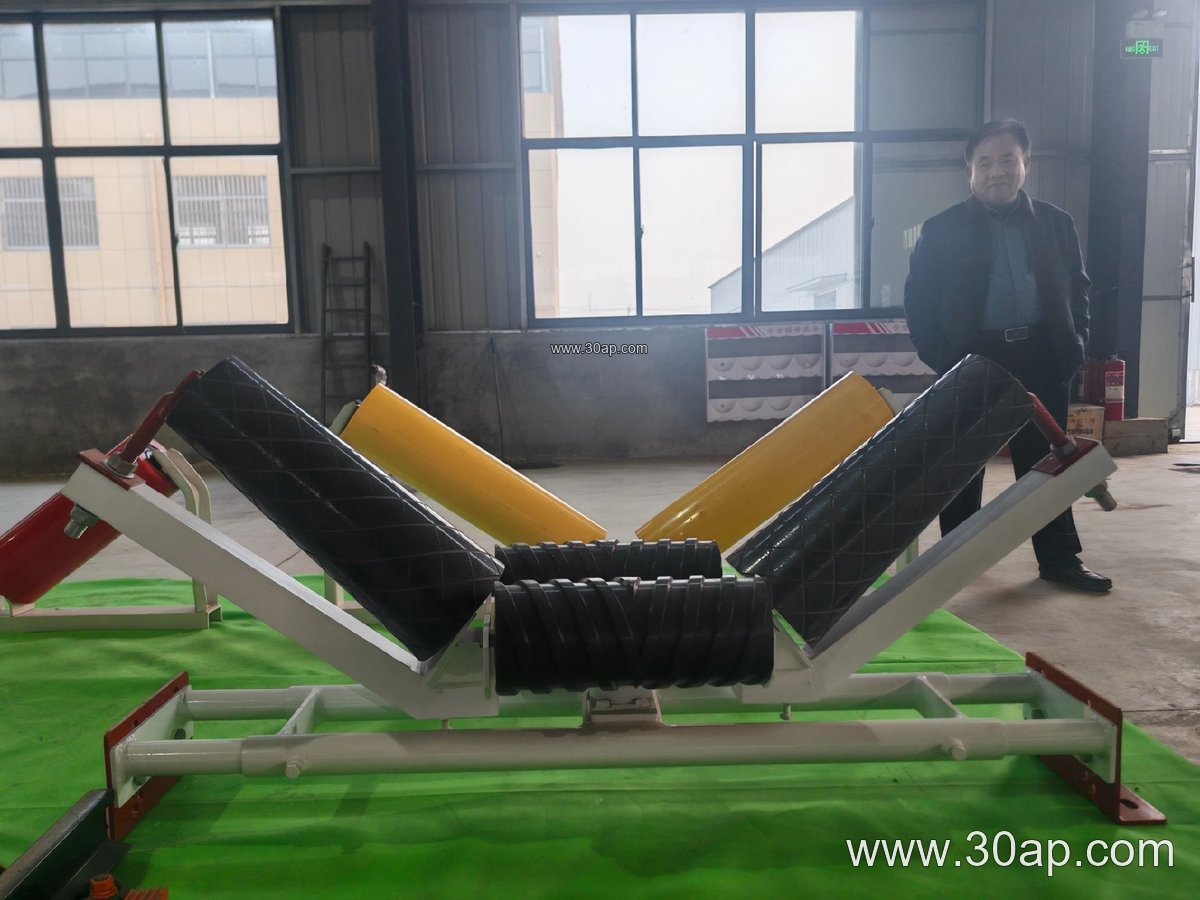
In a steel plant, raw materials such as iron ore, coke, limestone, and sintered ore move continuously between stockyards, crushers, sintering machines, and blast furnaces. The steel plant conveyor pulley is the rotating drum that drives or redirects the conveyor belt in these harsh environments. Unlike a simple idler roller, this pulley transmits power, maintains belt tension, and must withstand high loads, abrasive dust, and heat. It is a critical component in bulk material handling systems that also include conveyor belts, idler rollers, and conveyor brackets.
Construction and Key Components
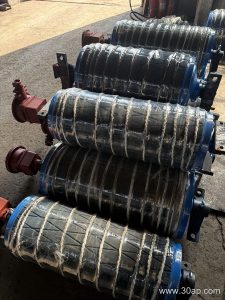
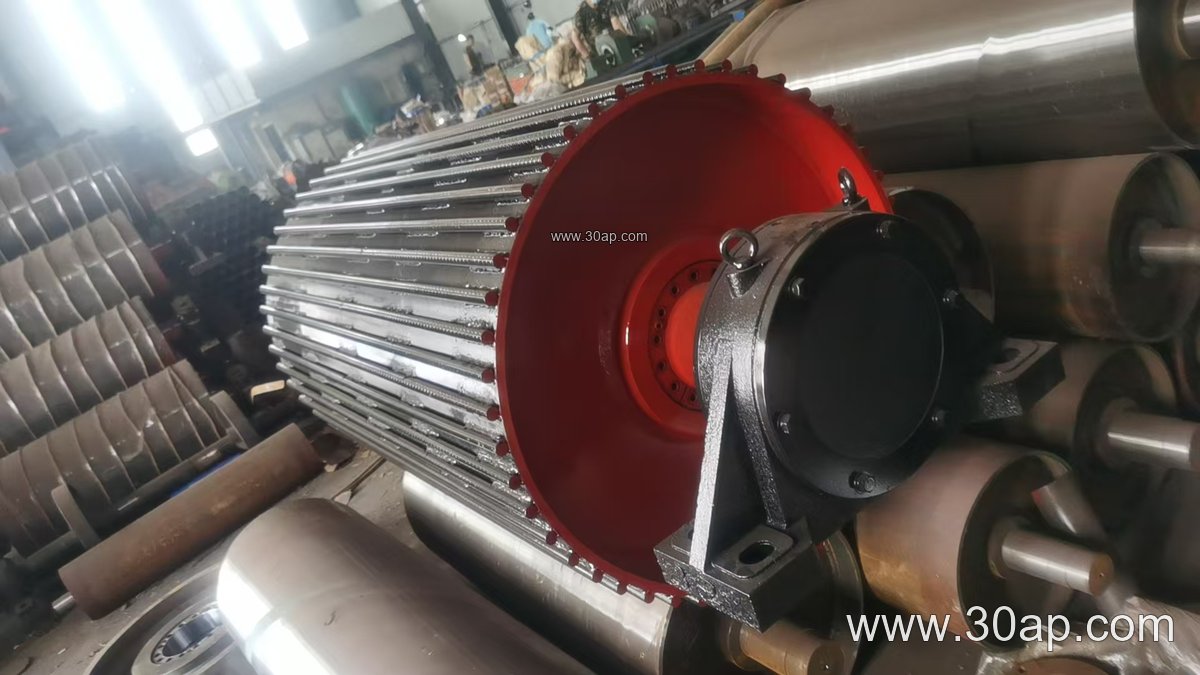
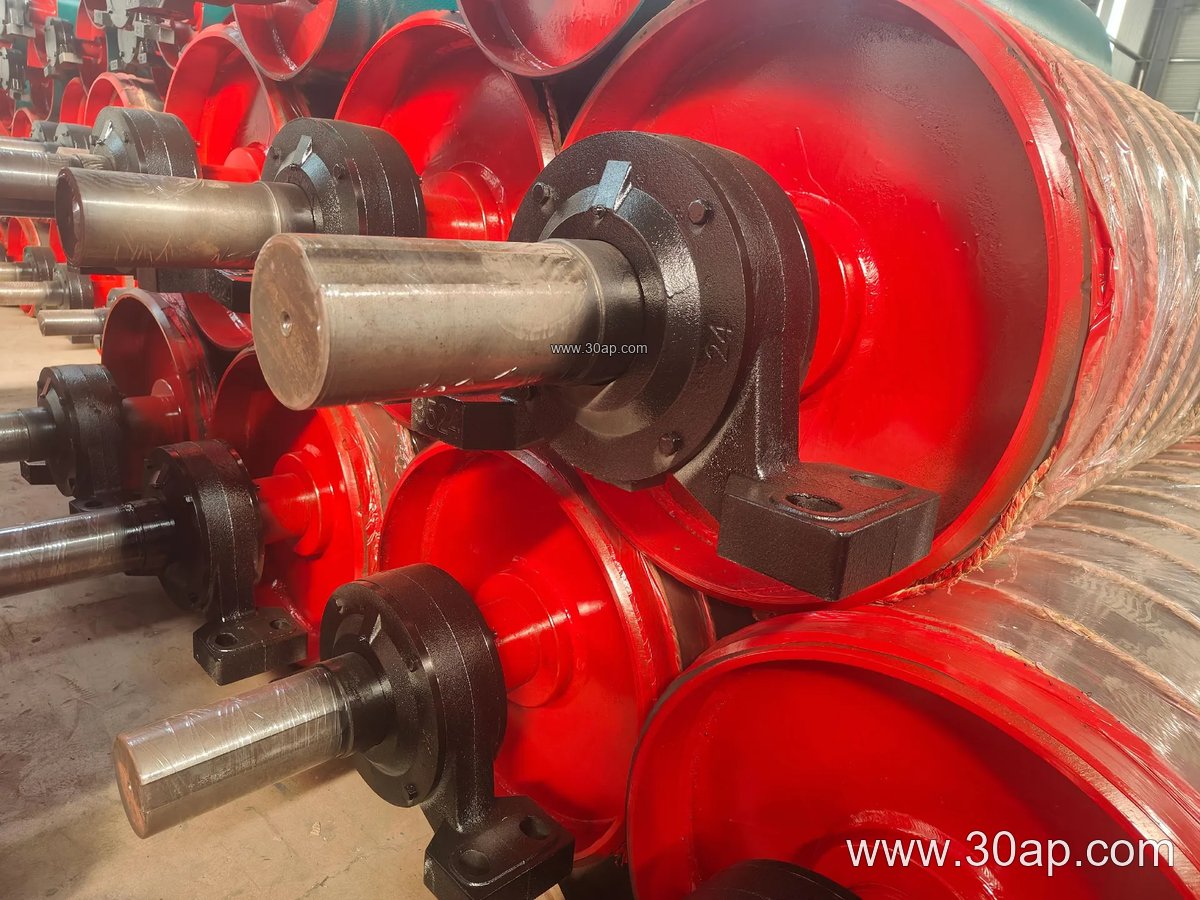
A typical steel plant conveyor pulley consists of a cylindrical shell, shaft, end discs, and bearing housings. The shell is usually made from rolled steel plate, machined for balance and concentricity. Surface treatment depends on the duty: plain steel for light contact, or rubber lagging for grip and wear protection. Lagging can be applied by cold bonding, hot vulcanizing, or casting directly onto the shell. Common lagging patterns include diamond, herringbone, and ceramic tiles, with thicknesses often ranging from 8 mm to 20 mm. The shaft diameter is determined by torque and load, not simply by belt width; typical shaft sizes might be Ø80, Ø100, Ø120, or larger. Bearings are selected for radial and axial loads, and the pulley is balanced for smooth operation at the required speed.
Main Types and Their Roles
Different positions on a conveyor require different pulley functions. The drive pulley (also called head pulley) transmits power to the belt and is often lagged for traction. The tail pulley at the loading end redirects the belt and may include a take-up mechanism. Bend pulleys change belt direction without driving, while take-up pulleys maintain tension. These subtypes are not interchangeable; a drive pulley cannot simply replace a bend pulley. In steel plants, drive pulleys are frequently found on main ore conveyors, while bend and take-up pulleys appear in transfer points and tensioning stations. For comparison, a wing pulley is sometimes used in recycling or aggregate lines to shed sticky material, but it is not a substitute for a standard steel plant pulley in high-tension applications.
Matching Pulley to Belt and Load
The pulley must suit the conveyor belt width and the material being carried. Belt widths in steel plants often range from B800 to B2000, with pulley face widths slightly larger than the belt—for example, a B1000 belt might use a pulley face around 1150 mm, and a B1400 belt around 1600 mm. However, there is no fixed rule that one belt width matches only one pulley diameter. A B1200 conveyor could use a Ø800 drive pulley for a short, low-tension run or a Ø1000 pulley for a longer, heavily loaded line. Diameters commonly seen include Ø500, Ø630, Ø800, Ø1000, and Ø1250. The belt itself may be an EP conveyor belt, steel cord conveyor belt, or heat resistant conveyor belt depending on the zone—sintering areas may need heat resistance, while coal handling might require flame retardant properties. The pulley lagging should be chosen to match the belt surface and the required friction.
Selection Checklist for Buyers
When specifying a steel plant conveyor pulley, gather the following information:
- Belt width and type (e.g., EP1000, ST1600, heat resistant)
- Pulley position: drive, tail, bend, or take-up
- Required diameter and face width
- Shaft diameter and bearing size based on torque and load
- Lagging type and thickness (plain, diamond, ceramic, etc.)
- Environmental conditions: temperature, dust, moisture, oil
- Balancing and inspection requirements
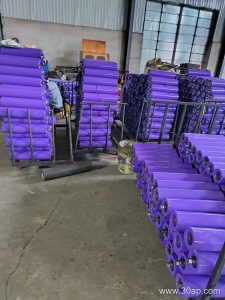
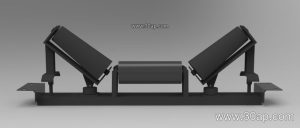
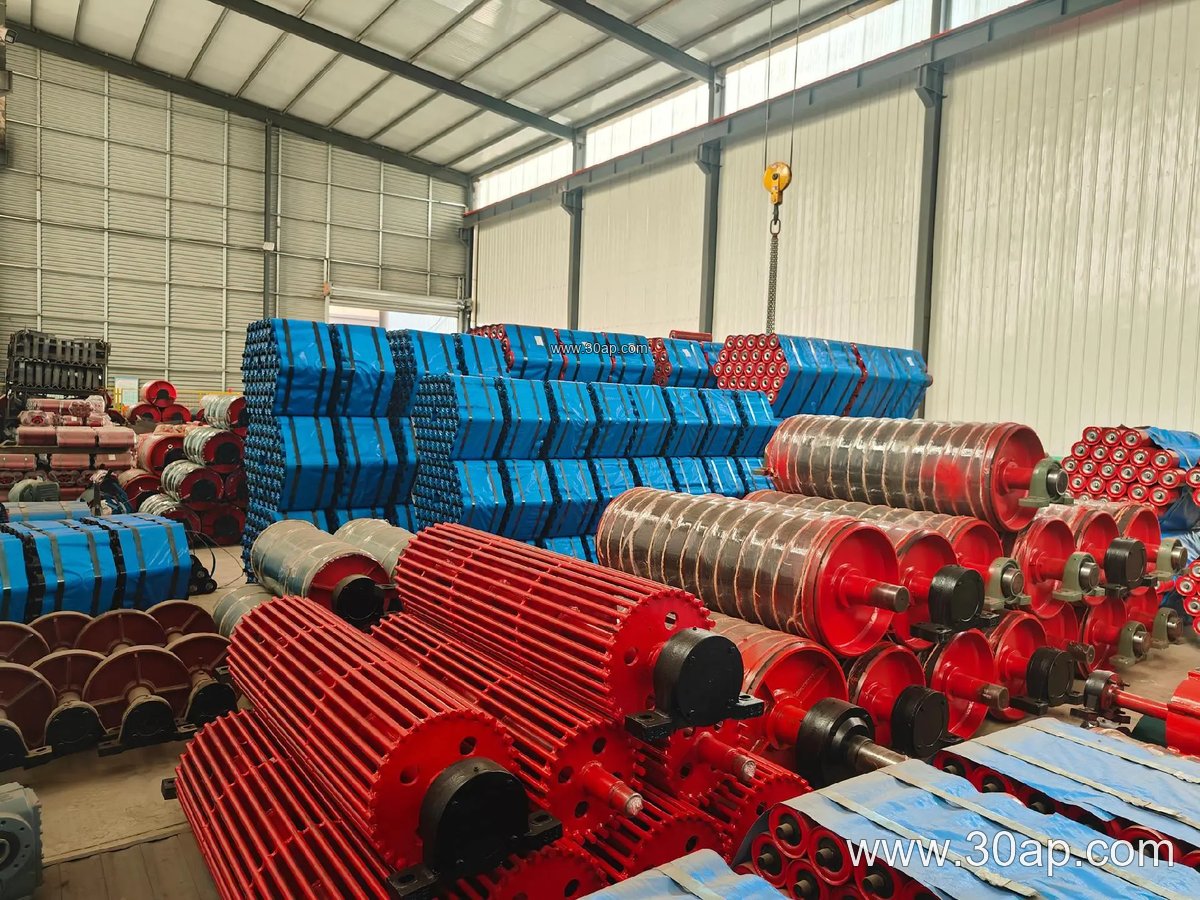
Also consider the conveyor structure: idler rollers and conveyor brackets must align with the pulley to avoid belt misalignment. In steel plants, maintenance access and spare part availability are practical concerns. Keep records of pulley dimensions and lagging condition to plan replacements before belt tracking issues arise.
Installation and Maintenance Notes
Proper alignment during installation prevents premature belt wear and pulley bearing failure. Check that the pulley is square to the conveyor frame and that the belt runs centered. Regular inspection should include lagging wear, shaft play, and bearing temperature. In dusty steel plant environments, sealed bearings and periodic cleaning extend service life. When lagging wears thin, re-lagging or replacement is more economical than running a slipping drive pulley. Always follow the manufacturer’s torque and tension specifications.
For more information on conveyor components such as conveyor belts, idler rollers, and pulleys, visit our product pages at steel plant conveyor pulley and conveyor pulley.