What a Friction-Type Self-Aligning Idler Does
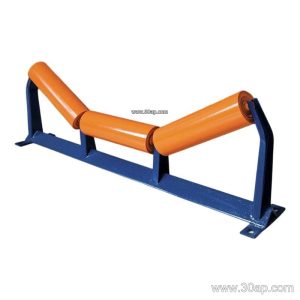
A friction-type self-aligning idler is a training idler that uses friction between the rotating roller and the moving conveyor belt to correct belt misalignment. When the belt drifts sideways, the friction force on the idler increases on one side, causing the idler frame to pivot slightly and steer the belt back toward the center. This type of idler is often installed on the carry side, usually as a two-roll or three-roll set, and works without external power or sensors. In a quarry conveyor or a coal mining conveyor, belt wander can spill material and damage the edge of an EP conveyor belt or steel cord conveyor belt. A friction self-aligning idler helps keep the belt centered, reducing edge wear and downtime.
Construction and Working Principle
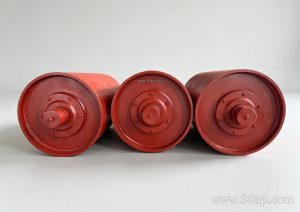
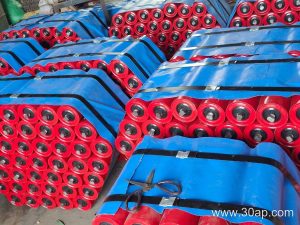
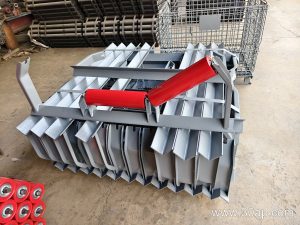
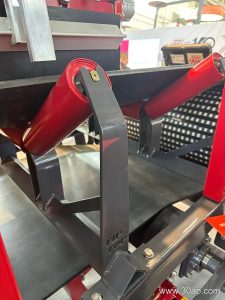
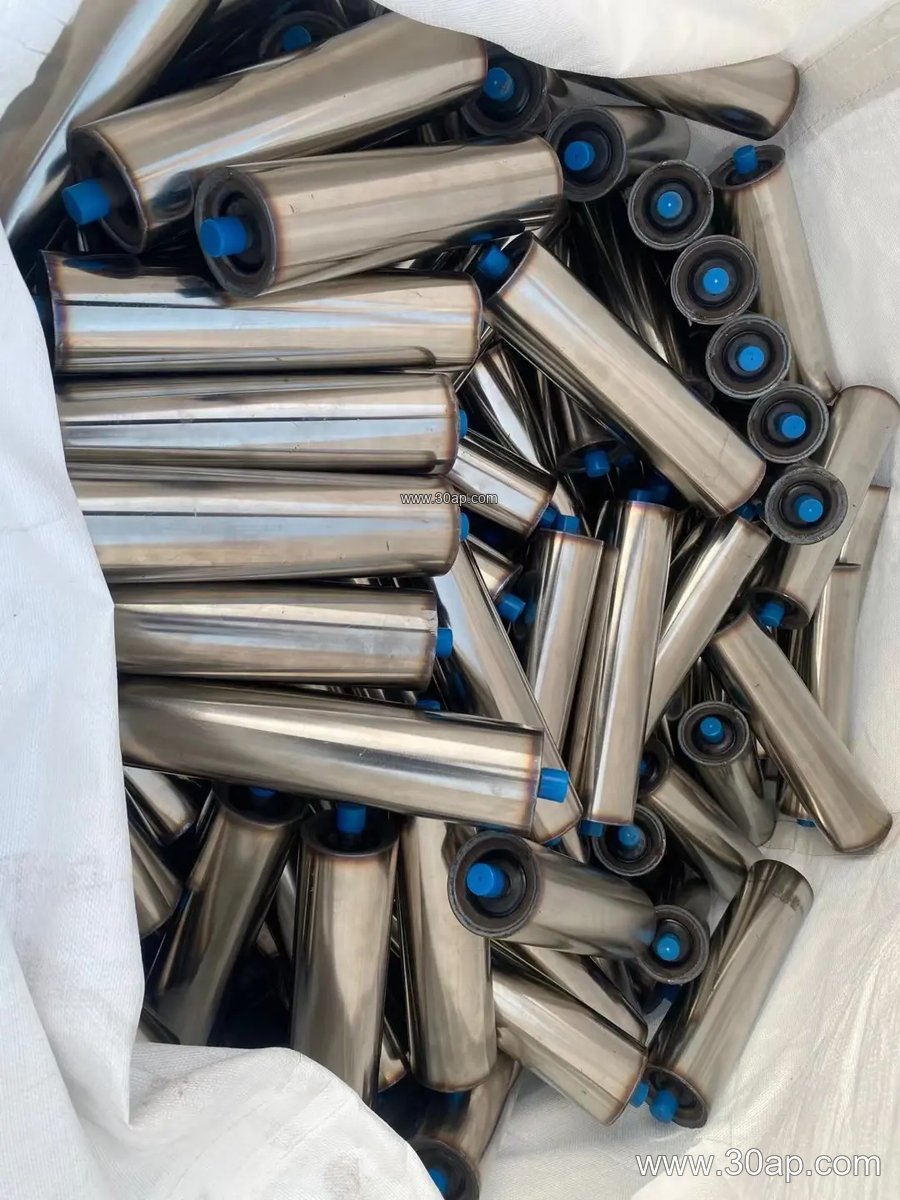
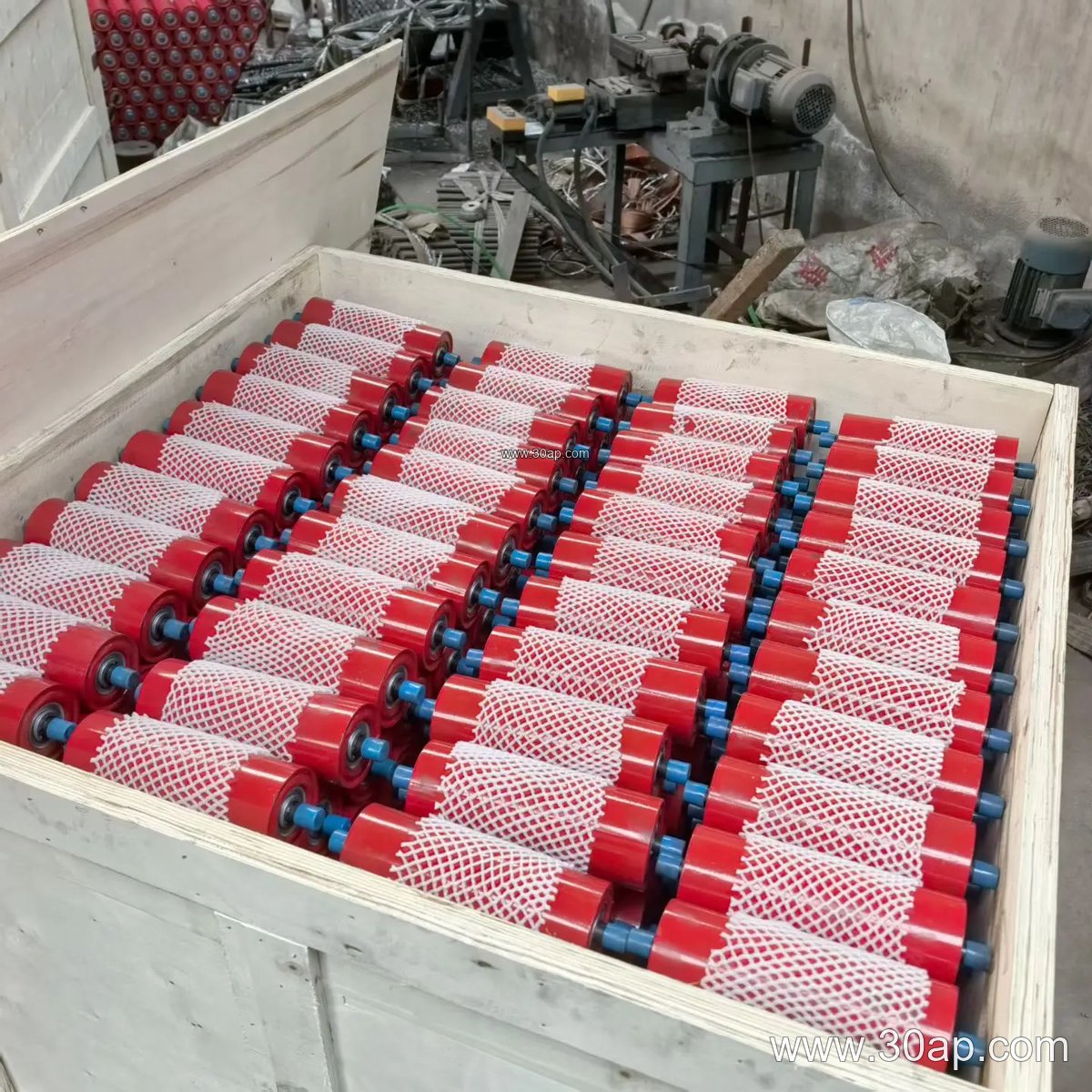
The typical friction-type self-aligning idler consists of a pivoting bracket, two or more idler rollers, and a friction mechanism that senses belt drift. The rollers are mounted on a frame that can rotate horizontally around a central pivot. When the belt contacts one side of the idler more heavily, friction creates a turning moment that angles the idler slightly. This angle produces a lateral force on the belt that pushes it back to the correct path. Common roller diameters for this idler include Ø89, Ø108, Ø127, Ø133, and Ø159 mm, with bearing sizes such as 6204, 6205, 6305, 6306, and 6308. Roller length and idler group form are determined by belt width, trough angle, and conveyor design. For example, a three-roll troughing set on a B800 belt may use a roller length around 315 mm, while a B1200 belt may use about 465 mm. These are common examples, not fixed rules.
Where It Fits on the Conveyor
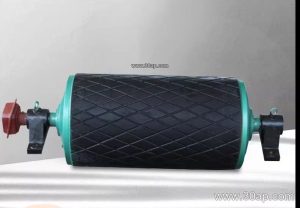
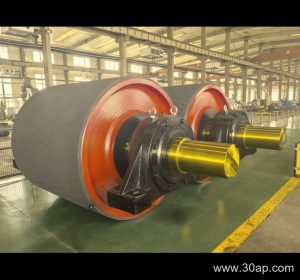
Friction self-aligning idlers are usually placed on the carrying run at intervals along the conveyor, especially where belt misalignment is likely, such as after a bend pulley, before a transfer point, or on long overland sections. They are not a substitute for a drive pulley or a tail pulley; those pulleys transmit power and maintain belt tension, while the self-aligning idler only guides the belt. In a cement plant or power plant coal handling system, a friction self-aligning idler can be used together with a troughing idler set to keep an abrasion resistant conveyor belt or flame retardant conveyor belt running true. The idler frame is often supported by a conveyor bracket that allows the pivot action while holding the roller assembly securely.
Selection and Sizing Notes
Buyers should match the idler to belt width, belt speed, material load, and environmental conditions. The table below lists common reference values, but final dimensions should be confirmed with the conveyor designer.
| Parameter | Common Reference |
|---|---|
| Roller diameter | Ø89, Ø108, Ø127, Ø133, Ø159 mm |
| Belt width | B500 to B2000 mm |
| Trough angle | 20°, 30°, 35°, 45° |
| Bearing | 6204, 6205, 6305, 6306, 6308 |
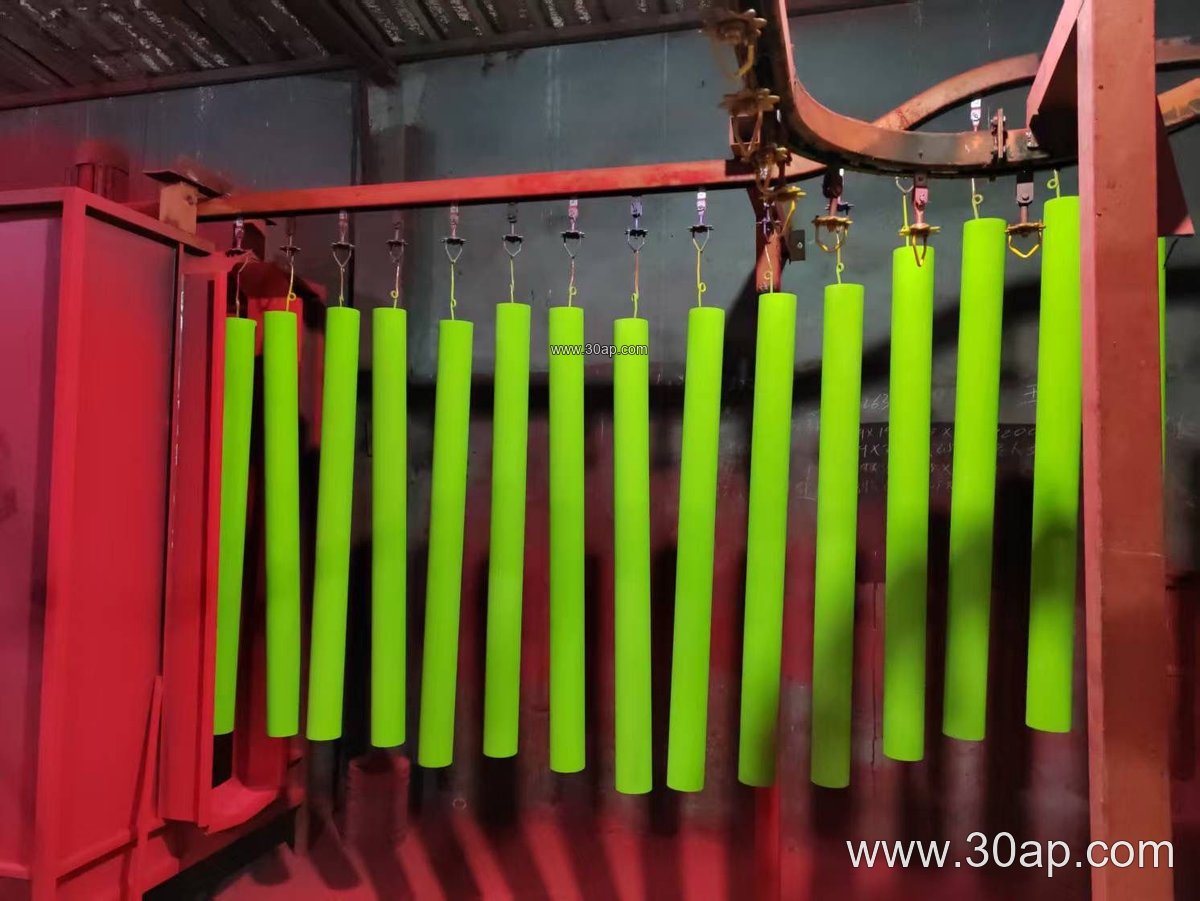
| Roller surface | Steel tube, nylon, rubber ring |
For a heavy-duty mining conveyor belt or an underground coal mining conveyor belt, a robust pivot and sealed bearing are important to resist dust and moisture. In a sand making plant or aggregate conveyor belt line, a friction self-aligning idler with rubber rings can provide extra grip and reduce belt slippage. Do not assume that one belt width must use one specific pulley diameter; the pulley and idler sizes are selected separately based on load and belt tension.
Maintenance and Buyer Checklist
- Check pivot freedom and friction surfaces regularly; dust buildup can reduce self-aligning response.
- Inspect roller rotation and bearing seals; a seized roller can wear the belt edge quickly.
- Verify that the idler is installed square to the belt centerline and that the conveyor bracket is secure.
- Match the idler to the belt type, such as EP conveyor belt, NN conveyor belt, or steel cord conveyor belt, and to the operating environment.
- Keep spare rollers and bearings on hand for critical conveyors in iron ore, copper ore, or gold mining operations.
A friction-type self-aligning idler is a practical belt training solution for many bulk material conveyors. It works best when selected with the correct roller diameter, bearing size, and mounting arrangement for the specific belt width and conveyor layout. For more information on conveyor belts, idler rollers, and conveyor pulleys, visit our site at www.example.com/conveyor-idler.