What a Ø76 Conveyor Idler Is
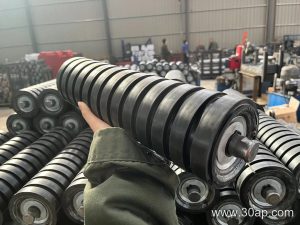
A Ø76 conveyor idler is a carrying or return roller with a nominal shell diameter of 76 mm. It sits between the smallest troughing rollers and the heavier 89 mm and 102 mm families, so it suits belt systems where the load per roller is moderate and the conveyor structure is relatively compact. In many plants the same idler roller is simply called a 76 mm carrying roller or a 76 mm return roller, depending on where it is mounted.
Because the diameter is modest, a Ø76 idler turns at higher revolutions than a larger roller on the same belt speed. That makes bearing quality, seal tightness and shell balance more important than raw wall thickness alone.
How the Roller Is Built
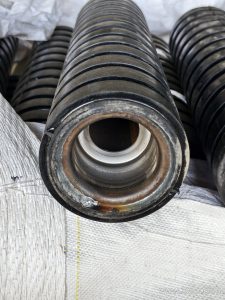
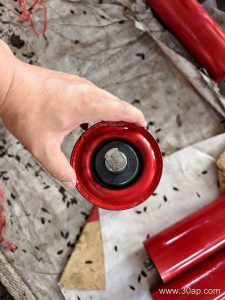
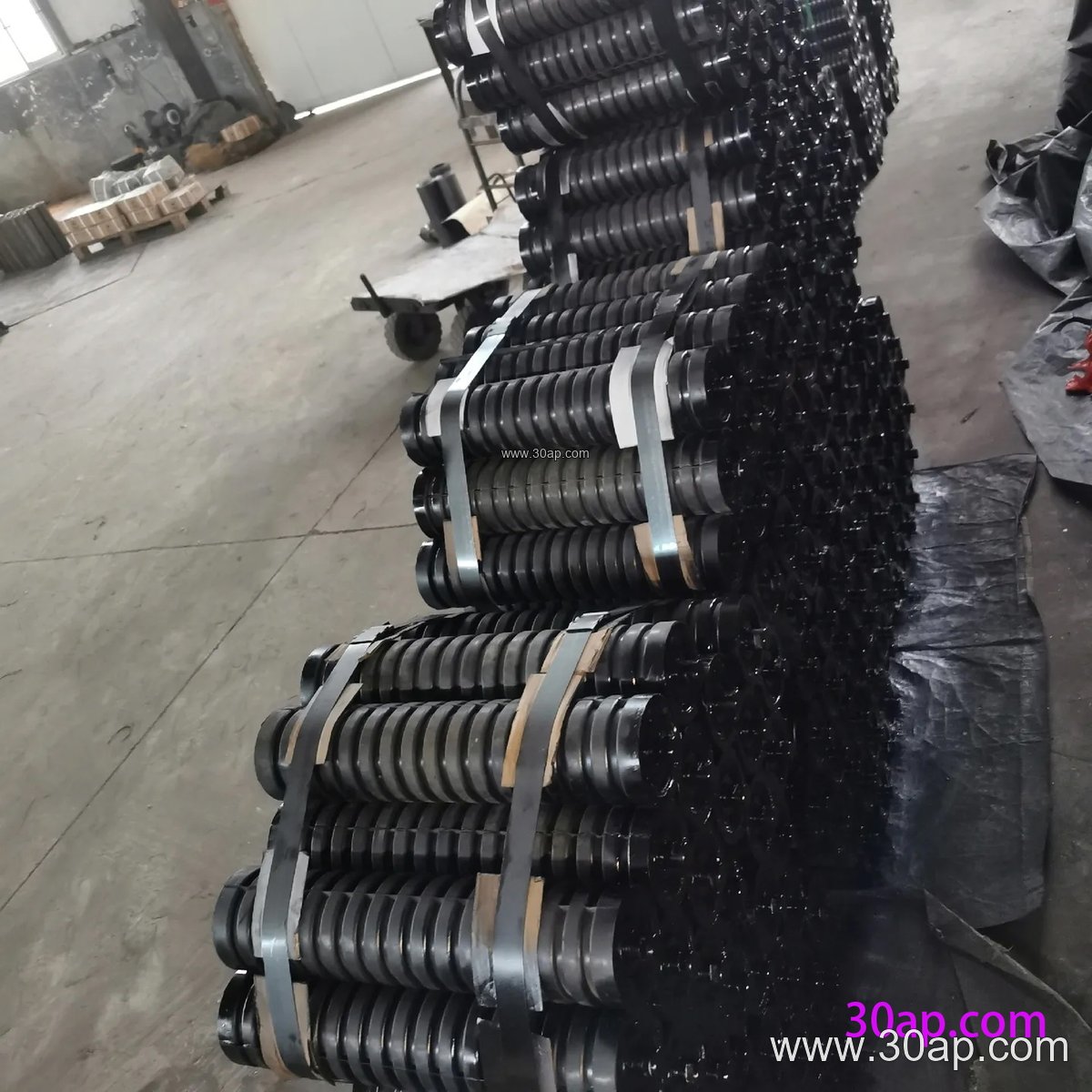
The typical assembly has a steel tube shell, pressed bearing housings welded at each end, a through shaft, and a pair of deep-groove ball bearings. Common bearing sizes in this class include 6204 and 6205, with 6305 appearing on some heavier variants. The bearing is not fixed by the roller diameter; the final choice depends on load, speed and expected service life.
Sealing is the detail that decides whether a Ø76 idler survives a dusty transfer point. Labyrinth seals, felt seals and combined contact/non-contact designs are all used. On a conveyor belt carrying abrasive material, a poor seal lets fines reach the bearing and the roller seizes long before the shell wears out.
Shell surfaces vary by duty. Plain steel is the baseline. Rubber rings are added at loading points to soften impact, and nylon or ceramic covers appear where sticky material builds up on plain steel.
Where It Fits on the Conveyor
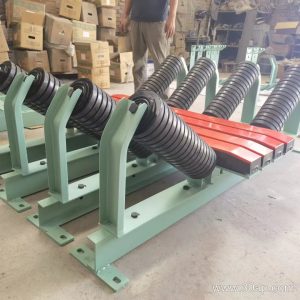
The Ø76 size is commonly found on narrower and medium belt widths, and on lines where the conveyor bracket spacing and frame height were designed around a smaller roller. It appears in:
- Troughing sets on B500 to B800 belts in sand and gravel yards, concrete batching plants and small limestone operations.
- Return runs using flat or V-return rollers under the belt.
- Impact sections with rubber-ring rollers below a crusher discharge.
- Short transfer conveyors in fertilizer, grain and recycling plants.
It is not the right choice for a heavily loaded main line at a mine or a power plant coal yard, where 127 mm, 133 mm or 159 mm rollers are more usual. Matching the roller to the actual belt tension and material load matters more than copying a neighbouring line.
Common Sizes and Arrangements
The figures below are typical reference values, not a fixed catalogue. Roller length changes with belt width, trough angle and whether the set is two-roll or three-roll.
| Item | Typical Range |
|---|---|
| Nominal diameter | Ø76 mm |
| Belt width | B500, B650, B800, B1000 |
| Roller length, three-roll troughing | about 200 mm at B500, 250 mm at B650, 315 mm at B800, 380 mm at B1000 |
| Trough angle | 20°, 30°, 35°, 45° |
| Bearing | 6204, 6205, 6305 |
| Shell surface | steel, nylon, ceramic, rubber ring |
Side rollers and centre rollers in the same set can differ in length, so the numbers above are guides for layout discussion rather than a specification sheet.
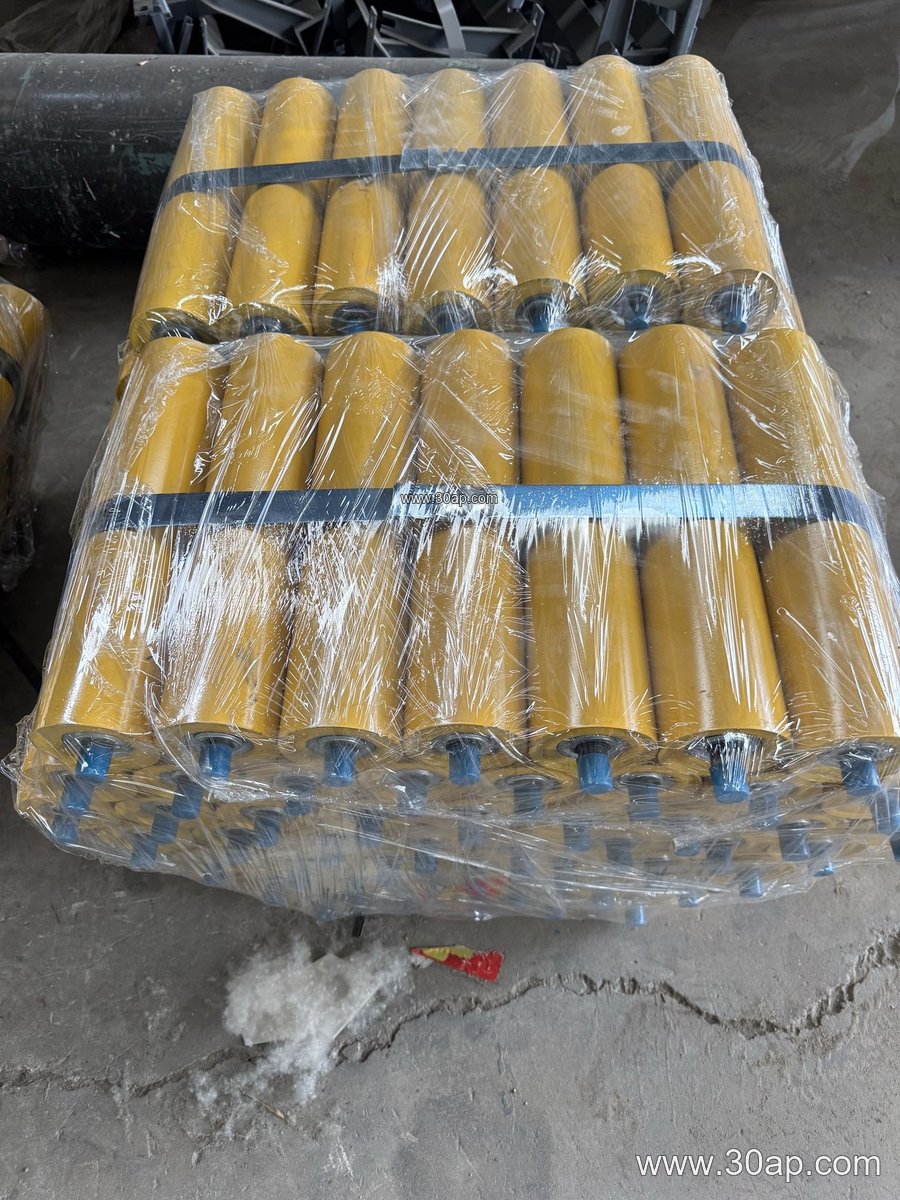
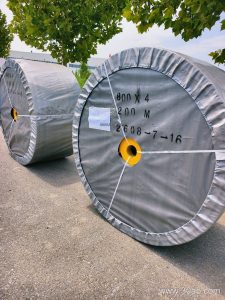
For the belt itself, a fabric core conveyor belt or an EP conveyor belt is the usual partner on these lighter lines, while a steel cord conveyor belt belongs to long, high-tension routes where 76 mm rollers are rarely seen.
Selection Points for Buyers
Start with the belt width and the trough angle, then confirm the roller length and shaft ends against the existing frame. Check the load per roller and the belt speed; a small diameter running fast needs a well-balanced shell and a bearing with adequate dynamic rating. Ask how the seal is arranged, since this is where cheap rollers fail first. Confirm the shaft fixing method, because a conveyor bracket designed for one shaft end will not accept another without modification.
On a quarry conveyor belt or an aggregate conveyor belt line, dust and water are constant, so specify a sealed bearing and a shell that resists abrasion. Where hot material is carried, a heat resistant conveyor belt may be used, but the roller itself still needs a temperature-appropriate bearing grease.
Maintenance Notes
A seized Ø76 idler usually shows up as belt tracking drift, a polished flat spot on the shell, or noise at the bearing. Replace rollers in sets rather than singly where possible, and check that the replacement matches the original length and shaft. Keep the return side clear of spilled material, because build-up under a return roller lifts the belt and loads the adjacent rollers unevenly.
Inspect seals at loading points more often than on the carrying run. A rubber-ring impact roller will wear at the rings before the bearing fails, which gives an early visual warning that a plain steel roller does not offer.