What a Heavy-Duty Welded Pulley Is
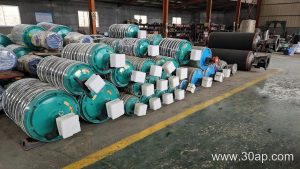
A heavy-duty welded pulley is a key component in bulk material handling systems, designed to transmit power, change belt direction, or provide tension in conveyor lines. Unlike lighter cast or fabricated pulleys, this welded construction uses robust steel plates and tubes joined by continuous welds to withstand high loads, shock, and abrasive environments. The result is a durable conveyor pulley that keeps production moving in demanding industries such as mining, cement, and power generation.
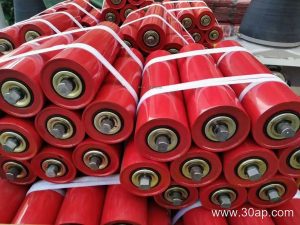
In a typical conveyor, the pulley works together with the conveyor belt and idler roller to move materials efficiently. The heavy-duty welded pulley is often the drive pulley at the head end, but it can also serve as a tail or bend pulley depending on the application. Its welded design allows for custom sizing and reinforcement, making it suitable for some of the toughest conveying tasks.
Construction and Key Features
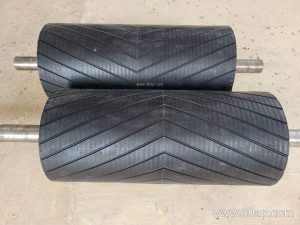
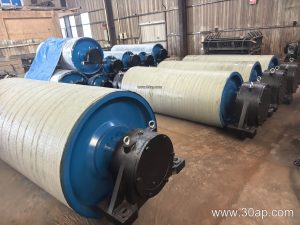
The core of a heavy-duty welded pulley is its steel shell, usually made from rolled plate or seamless tube, with end discs and a shaft hub welded into place. High-quality welds are critical to ensure the pulley can handle the torque and radial loads without fatigue. Many designs include a lagging surface to improve grip and reduce belt slip. Common lagging types are plain rubber, diamond grooved, or ceramic, applied in thicknesses from 8 mm to 20 mm.
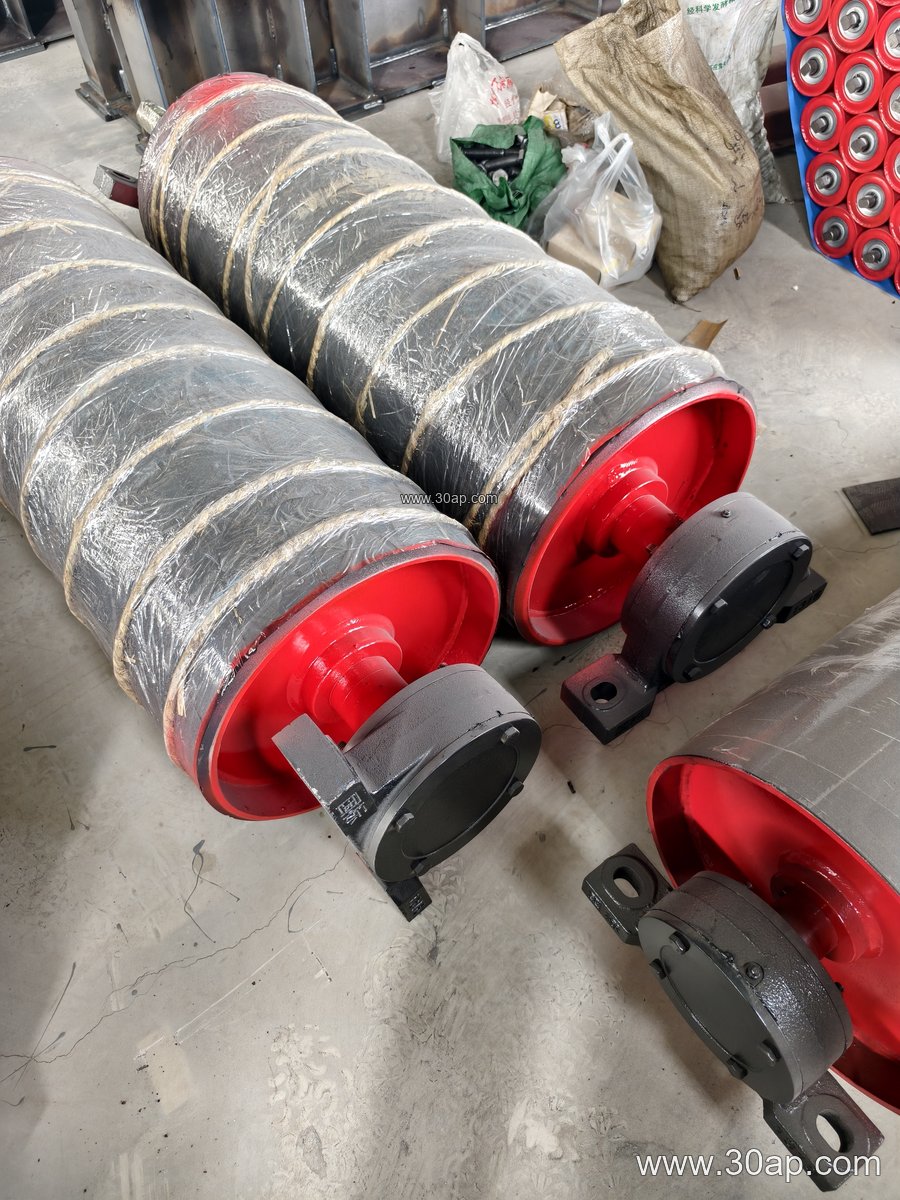
Shaft diameters are selected based on the torque and load requirements, not simply on belt width. Typical shaft sizes range from Ø50 mm to Ø200 mm, while pulley diameters can vary from Ø200 mm up to Ø1800 mm or more. The pulley face width is usually wider than the belt to ensure full support. For example, a B1200 conveyor belt might run on a pulley with a face width around 1400 mm, but the exact combination depends on the conveyor design.
Where It Is Used
Heavy-duty welded pulleys are found in quarry and aggregate operations, coal mining, cement plants, and power stations. In a quarry, they drive the main conveyor that carries crushed rock from the crusher to the screening plant. In coal mining, they are part of underground or surface conveyor systems that transport coal to stockpiles or processing facilities. The welded construction resists the constant impact and abrasion from bulk materials like ore, clinker, and limestone.
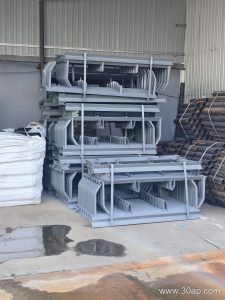
These pulleys also work alongside other conveyor components such as conveyor brackets and idler rollers to maintain belt alignment and tension. When paired with an abrasion resistant conveyor belt or a heat resistant conveyor belt, the heavy-duty welded pulley contributes to a reliable and long-lasting conveyor system.
Selection and Maintenance Tips
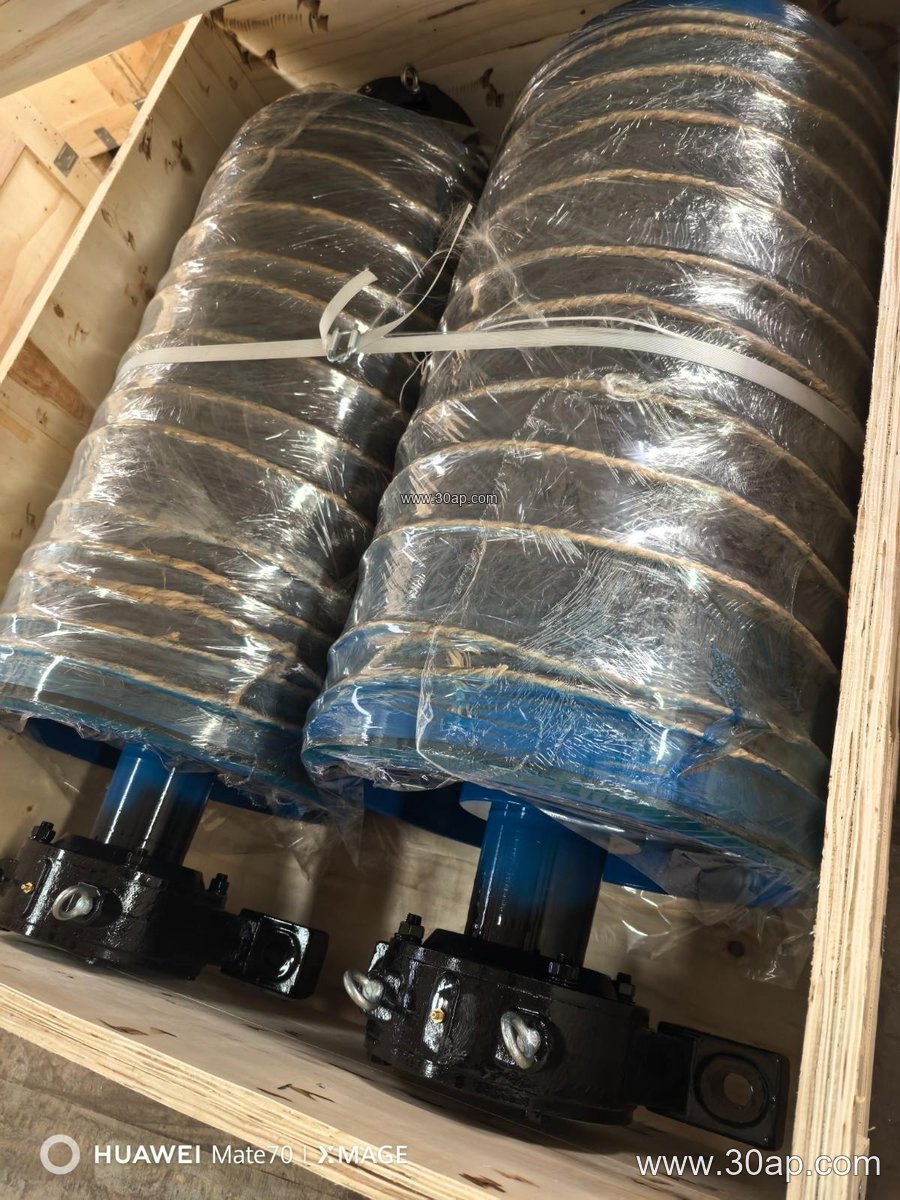
Choosing the right heavy-duty welded pulley involves matching the pulley diameter, face width, shaft size, and lagging to the conveyor’s duty. The pulley diameter should be large enough to reduce belt bending stress, especially with thick or stiff belts like steel cord conveyor belts. Face width should exceed belt width by a suitable margin, as noted in common practice (e.g., B800 belt with approximately 950 mm face width).
Regular inspection of welds, lagging wear, and shaft alignment helps prevent unplanned downtime. Keeping the pulley clean and properly tensioned extends its service life. For high-abrasion environments, ceramic lagging can be a good choice, while rubber lagging offers good grip in wet conditions.
Conclusion
A heavy-duty welded pulley is a robust and adaptable solution for conveyor systems that demand reliability under heavy loads. By understanding its construction, applications, and selection criteria, buyers can make informed decisions that enhance conveyor performance and reduce maintenance costs.