What a V-Type Idler Bracket Does
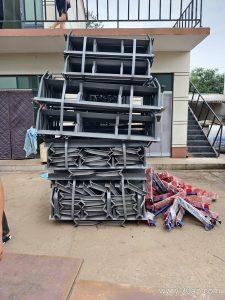
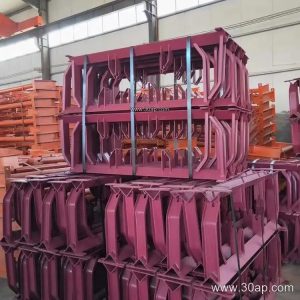
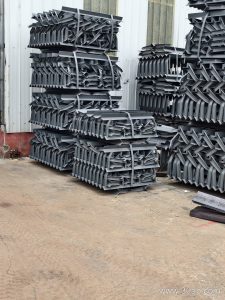
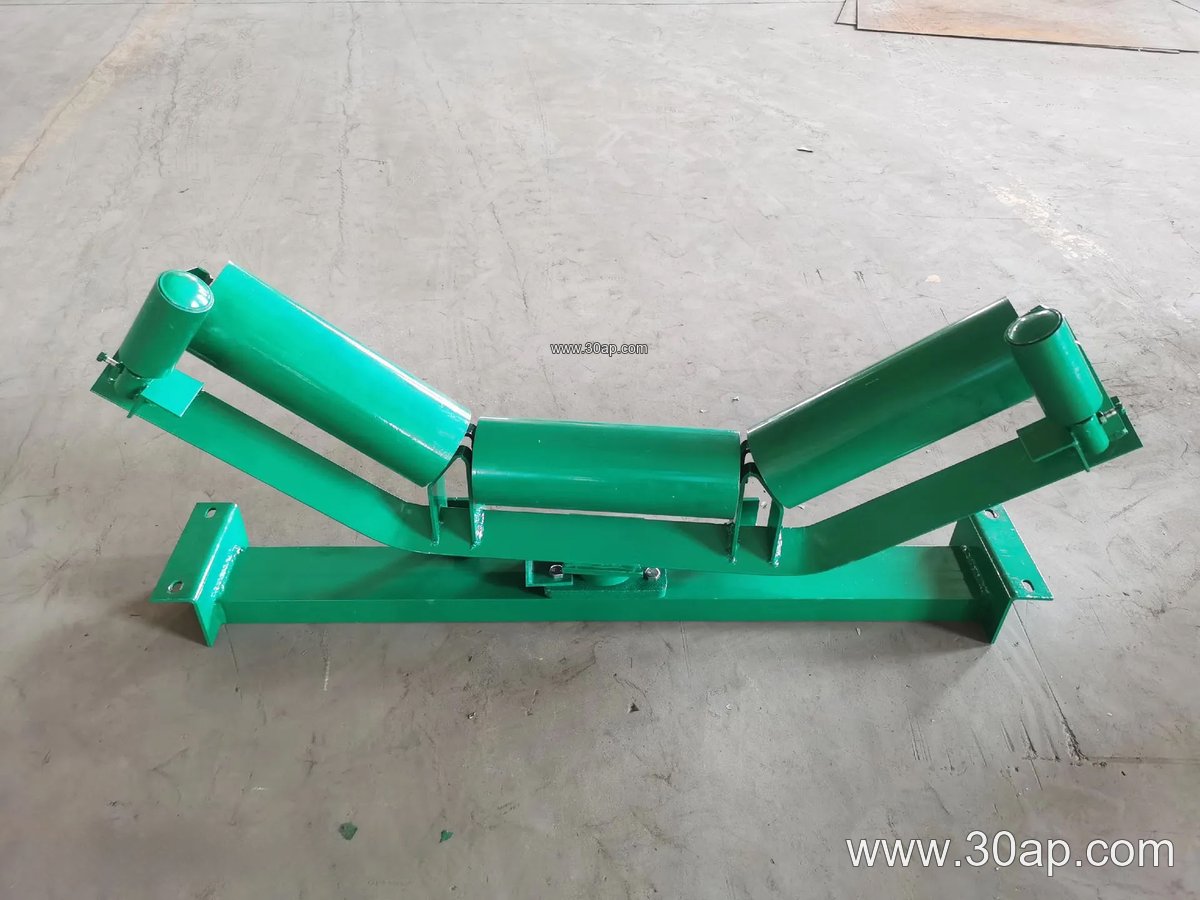
A V-Type Idler Bracket is a return-side support assembly that holds two idler rollers in a shallow V shape beneath the carrying belt. Instead of a single flat roller, the bracket positions the rollers at an angle so the belt forms a slight trough as it travels back to the tail. This arrangement helps the belt track toward the center and sheds loose material that would otherwise build up on flat return rollers. Maintenance teams in a quarry or a limestone mine often notice the difference quickly: spillage drops away from the belt path rather than collecting under it.
The bracket is distinct from the troughing brackets on the carrying side. It is also different from a transition bracket or a self-aligning bracket, which serve other positions along the conveyor structure. When specifying replacement parts, keep the V-type return bracket as its own item and confirm it against the existing frame rather than substituting another bracket style.
Construction and Typical Materials
Most V-Type Idler Bracket designs are fabricated from angle steel, channel steel, or bent steel plate. The two arms are welded or bolted at a fixed angle, and the roller ends sit in slots or bolt holes at the outer ends. A center pivot or mounting plate attaches the assembly to the conveyor stringer or cross beam. Some designs include a small central roller position, but the defining feature is the V geometry that supports the two return idlers.
Common material choices and build details include:
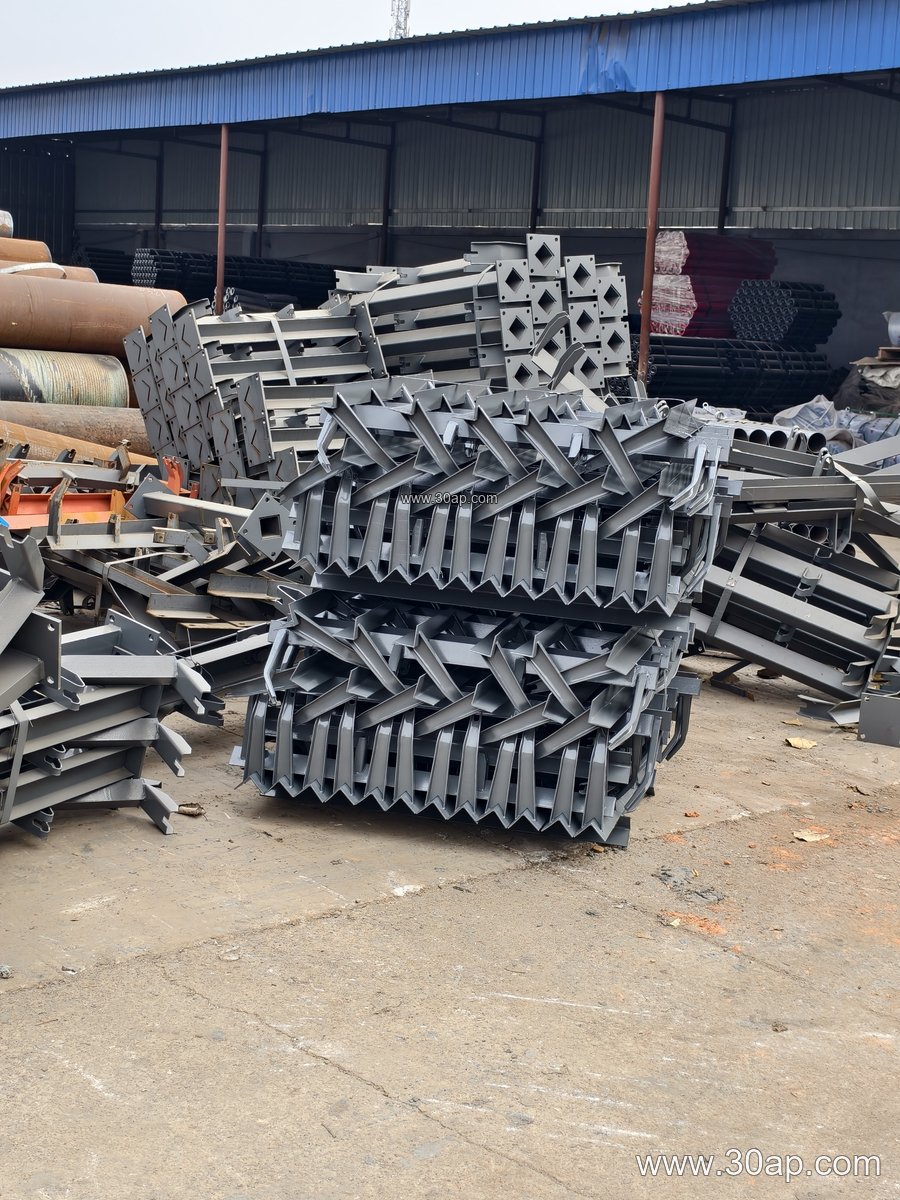
- Angle steel frames for lighter conveyors and moderate loads
- Channel steel or bent plate for wider belts and heavier return loads
- Bolted or welded arms, depending on whether field adjustment is needed
- Painted or galvanized finish for dusty and damp conditions
Where It Fits on the Conveyor
The bracket is mounted on the return strand, usually at intervals along the conveyor length. It works together with the conveyor belt, the idler roller set, and the conveyor pulley at the drive or tail end. The return idlers supported by the bracket do not drive or tension the belt; that job belongs to the drive pulley and the tail or bend pulley, which are separate components with their own specifications.
Typical service locations include:
- Aggregate and sand production lines handling abrasive bulk material
- Coal washing plants and power plant coal handling systems
- Cement plants moving clinker and raw meal
- Iron ore and copper ore transfer conveyors
- Port loading conveyors and stockyard systems
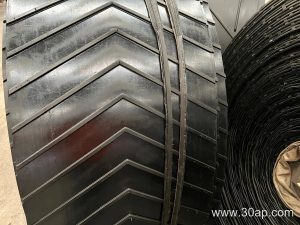
In these settings, a V-type return bracket pairs well with an abrasion resistant conveyor belt or a heavy-duty mining conveyor belt, since the return side still carries dust and fines. For underground coal mining conveyors, flame retardant conveyor belt and anti-static conveyor belt grades are common on the same structure.
Matching Bracket, Belt Width, and Roller Diameter
Bracket selection starts with the belt width and the return idler diameter already used on the conveyor. The table below shows common reference combinations; these are examples, not fixed rules, and the final match depends on the conveyor design.
| Belt Width (B) | Typical Return Roller Diameter | Bracket Note |
|---|---|---|
| B500 | Ø89 | Compact frame, light duty |
| B650 | Ø89 or Ø108 | Check mounting hole spacing |
| B800 | Ø108 | Common aggregate line size |
| B1000 | Ø108 or Ø133 | Verify cross beam length |
| B1200 | Ø133 | Wider V angle may be used |
| B1400 | Ø133 or Ø159 | Heavier return load |
| B1600 | Ø159 | Confirm frame stiffness |
| B1800 | Ø159 or Ø194 | Wide belt, check drop height |
| B2000 | Ø194 | Custom mounting plate often needed |
Do not assume that one belt width can only pair with one roller diameter. A B1200 conveyor may run Ø133 return rollers in one plant and Ø159 in another, depending on load and belt stiffness. Shaft diameter should be confirmed from the idler manufacturer’s data or the existing roller, not guessed from belt width alone.
Fixed, Adjustable, and Self-Aligning Variations
Some V-Type Idler Bracket frames are fixed, with the arms welded at a set angle. Others are adjustable, allowing the V angle to be changed within a limited range during installation. Adjustable brackets are useful when the belt has a tendency to drift or when the return rollers need to sit closer to the belt surface.
A self-aligning bracket is a different subtype. It pivots to steer the belt and should not be treated as a replacement for a standard V return bracket. Likewise, a troughing bracket on the carrying side and a V return bracket are not interchangeable, even when both use the same roller diameter.
Buyer Checklist
- Confirm belt width, such as B800 or B1400, and the existing return roller diameter
- Measure mounting hole spacing and cross beam length on the current frame
- State whether the bracket must be fixed or adjustable
- Match the material and finish to the site, for example a dusty quarry or a wet coal plant
- Check compatibility with the return idler roller and the belt grade in use
- Ask for a drawing before ordering, since bracket geometry changes with width and roller size
A well-matched V return bracket reduces material buildup and helps the belt run centered on the return strand. For related conveyor components such as the conveyor pulley, conveyor bracket, and conveyor belt, keep each part specified on its own data rather than assuming a shared size across the system.