What Is an EP Fabric Core Conveyor Belt?
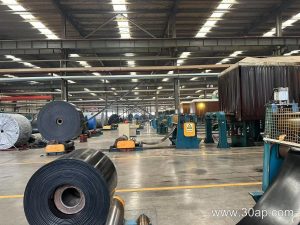
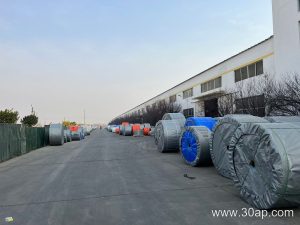
An EP Fabric Core Conveyor Belt is a heavy-duty conveyor belt built with a carcass of multiple plies of polyester warp and polyamide weft fabric. This construction gives the belt high tensile strength, low elongation, and excellent resistance to impact and flex fatigue. It is widely used in industries such as mining, coal, cement, power plants, and aggregate processing. The EP fabric core is often referred to as an EP conveyor belt or fabric core conveyor belt, and it is a direct alternative to NN conveyor belts in many applications.
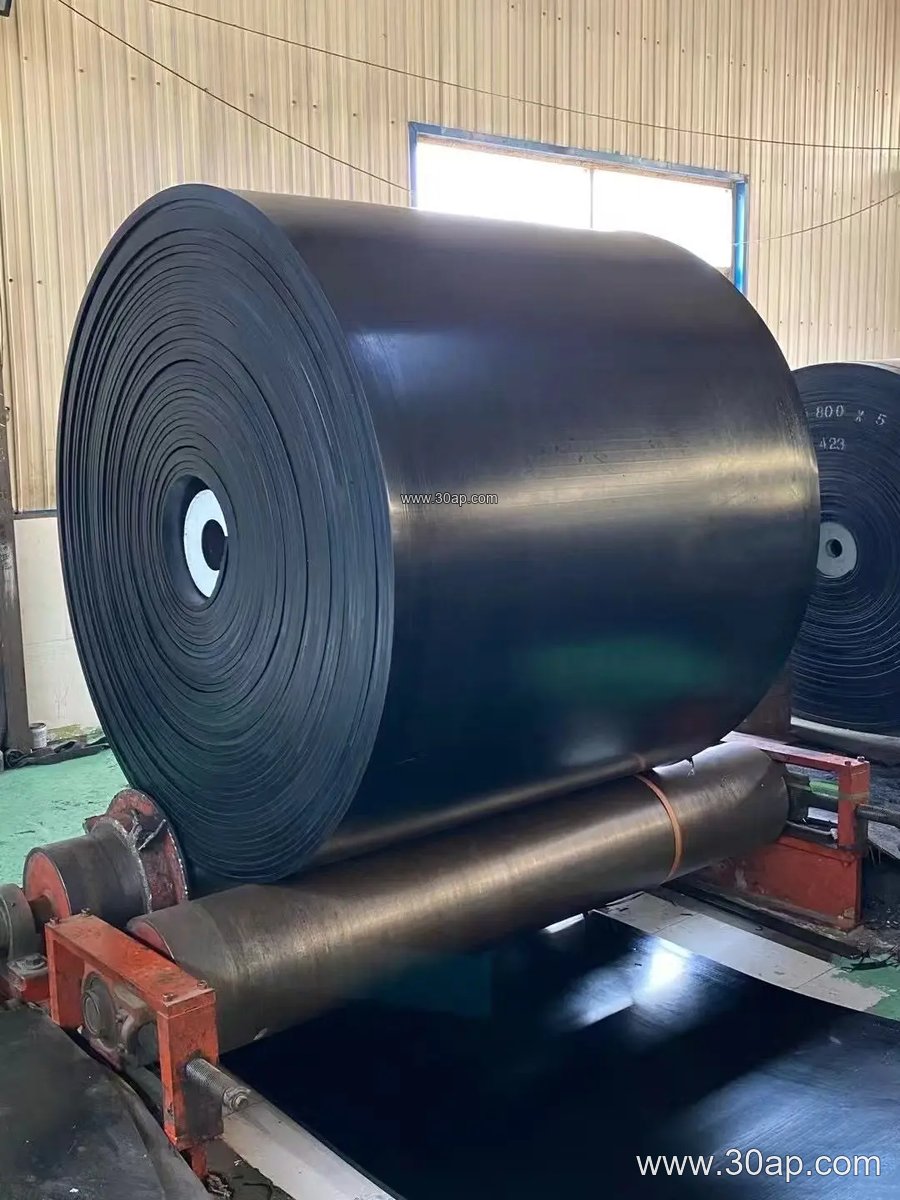
The belt typically consists of a top cover rubber, a bottom cover rubber, and the fabric core. The covers protect the carcass from abrasion, moisture, and chemicals, while the fabric core carries the load. Common cover thickness combinations include 3+1.5 mm, 4+2 mm, 5+2 mm, 6+2 mm, and 8+3 mm, with 2 to 6 plies of fabric. These values are typical references and should be confirmed with the manufacturer for each specific design.
Construction and Key Components
The EP fabric core is made from polyester (E) and polyamide (P) fibers, which provide high strength-to-weight ratio and low stretch under load. The fabric plies are bonded with rubber skim compound, and the entire assembly is vulcanized to form a strong, integrated belt. The cover rubber grade is selected based on the application: abrasion resistant, heat resistant, oil resistant, flame retardant, anti-static, or cold resistant. For underground coal mining, flame retardant and anti-static properties are often required, and PVG conveyor belts are also used in such environments.
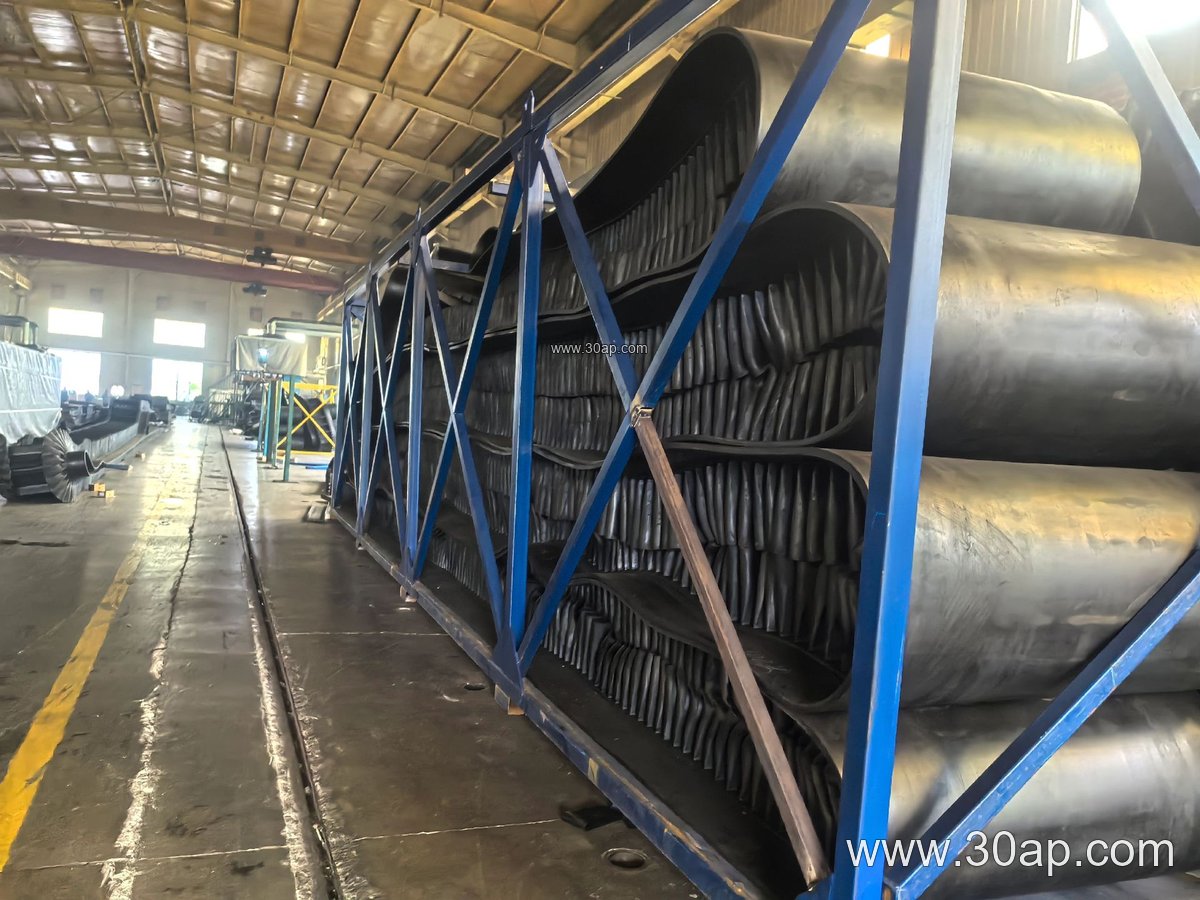
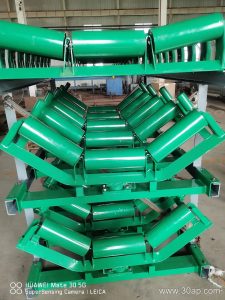
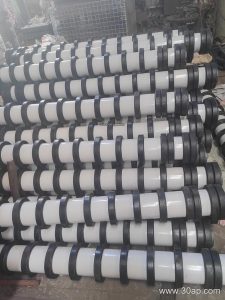
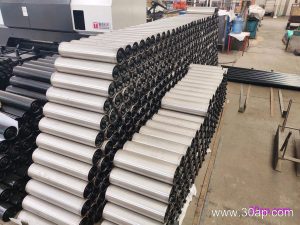
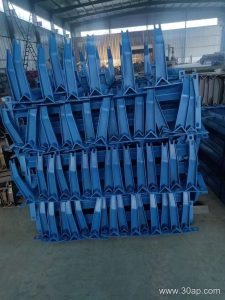
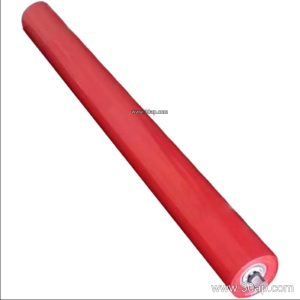
Other components of a conveyor system, such as idler rollers, conveyor pulleys, and conveyor brackets, work together with the belt to ensure smooth operation. The drive pulley, tail pulley, and bend pulleys each have specific roles, and they are not interchangeable. Proper alignment and maintenance of these components help extend the service life of the EP fabric core conveyor belt.
Common Applications
EP fabric core conveyor belts are used in a wide range of bulk material handling operations. They are common in quarry conveyor belts, aggregate conveyor belts, crusher conveyor belts, and rock conveyor belts. In the mining industry, they serve as mining conveyor belts for ore, coal, and other minerals. Cement plants, steel plants, and power plants rely on them for transporting raw materials and finished products. Ports and ship loading facilities use them for efficient loading and unloading of bulk cargo.
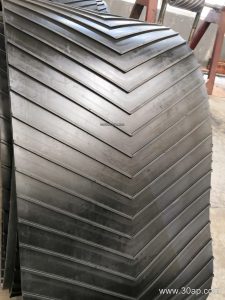
For special requirements, other belt types may be considered: chevron conveyor belts for inclined conveying, corrugated sidewall conveyor belts for steep angles, pipe conveyor belts for enclosed transport, and steel cord conveyor belts for very high tension applications. However, the EP fabric core conveyor belt remains a versatile and cost-effective choice for many general-purpose conveying tasks.
Specifications and Selection Guide
When selecting an EP fabric core conveyor belt, several parameters must be considered: belt width, tensile strength, number of plies, cover thickness, and cover rubber grade. The table below lists common reference values. These are not mandatory for every conveyor and should be used as a starting point for discussion with the supplier.
| Parameter | Common Reference Values |
|---|---|
| Belt Width | B500, B650, B800, B1000, B1200, B1400, B1600, B1800, B2000 |
| Tensile Strength (EP grade) | EP200, EP315, EP400, EP500, EP630, EP800, EP1000, EP1250, EP1600, EP2000 |
| Number of Plies | 2 to 6 (typical) |
| Cover Thickness (top + bottom) | 3+1.5 mm, 4+2 mm, 5+2 mm, 6+2 mm, 8+3 mm |
| Cover Rubber Grade | Abrasion resistant, heat resistant, oil resistant, flame retardant, anti-static, cold resistant, acid resistant |
For example, an EP1000 1200mm conveyor belt might be used in a primary crushing circuit, while an EP1250 1800mm belt could handle higher tonnages in a port facility. The required belt width depends on the lump size, capacity, and conveyor design, not on a fixed relationship with pulley diameter. Always consult the conveyor designer to match the belt to the system.
Buyer’s Checklist
- Confirm the actual tensile strength and number of plies needed for the load and transition distances.
- Select the cover rubber grade based on the material being conveyed: abrasive, hot, oily, or chemically aggressive.
- Consider environmental conditions: underground mining may require flame retardant and anti-static properties, while cold climates demand cold resistant covers.
- Verify belt width and cover thickness against the conveyor’s capacity and loading conditions.
- Ensure proper splicing method and compatibility with pulleys and idler rollers.
For more information on conveyor belts, idler rollers, and pulleys, visit conveyor belt and idler roller resources. A well-chosen EP fabric core conveyor belt, maintained correctly, can deliver long service life and reliable performance in the most demanding industrial environments.