What a Power Plant Conveyor Pulley Does
In a coal-fired station, the coal handling system moves fuel from the stockyard or unloading point to the bunkers and then to the mills. The power plant conveyor pulley is the rotating drum that turns the conveyor belt, sets its tension, and guides it along the route. It looks like a simple steel cylinder, but it carries the full belt pull and must survive coal dust, humidity, and continuous duty. Because a forced outage caused by a failed pulley is expensive, buyers tend to treat this component as a critical spare rather than a commodity.
Engineers also call the same item a conveyor drum pulley or belt pulley for conveyors. These are equivalent names for the same assembly; they are not different products.
How the Pulley Is Built
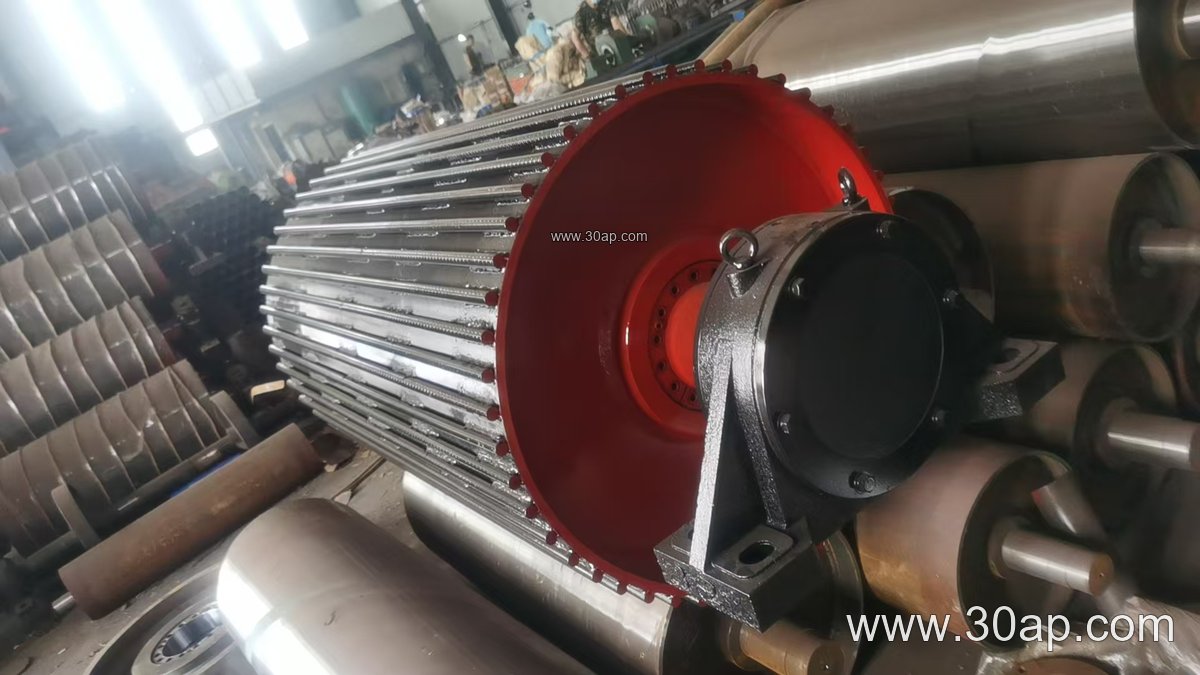
A typical unit combines a cylindrical shell, two end discs, a shaft, hub connections, and bearing housings that sit on the conveyor bracket. The shell is usually rolled steel, machined at the ends, and balanced before the lagging is applied. Shafts are sized by torque and radial load, not by belt width alone, so a B1200 system may use different shaft diameters depending on the drive power and the pulley position.
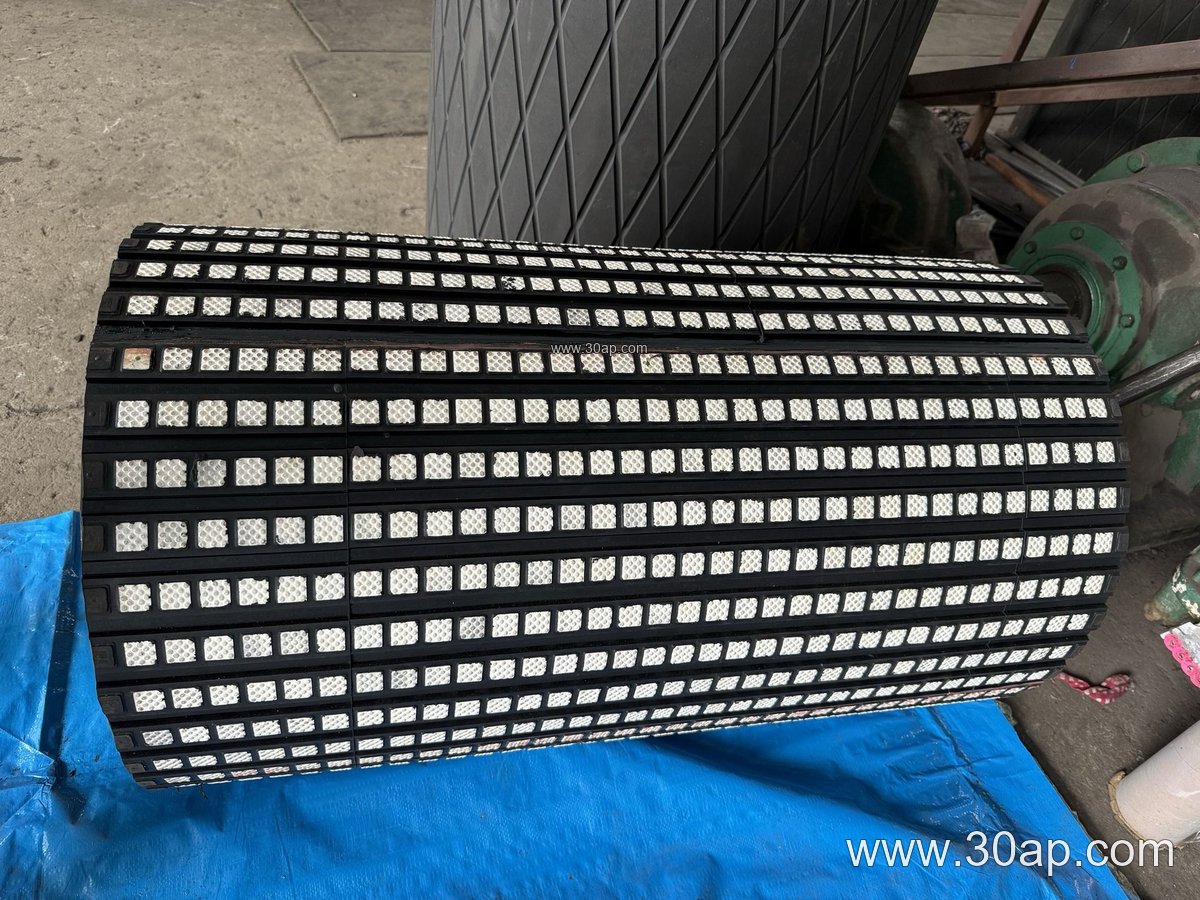
Surface treatment matters as much as the steel. Plain shells are used where grip is not critical, while lagged shells improve friction between drum and belt. Common surface forms include:
- Plain machined face
- Diamond grooved rubber lagging
- Herringbone lagging for wet or dusty conditions
- Ceramic lagging for high-traction drives
- Hot vulcanized or cold bonded rubber layers
Lagging thickness is often quoted at 8, 10, 12, 15, or 20 mm. The right choice depends on the dirt level, the belt speed, and how much slip the drive can tolerate.
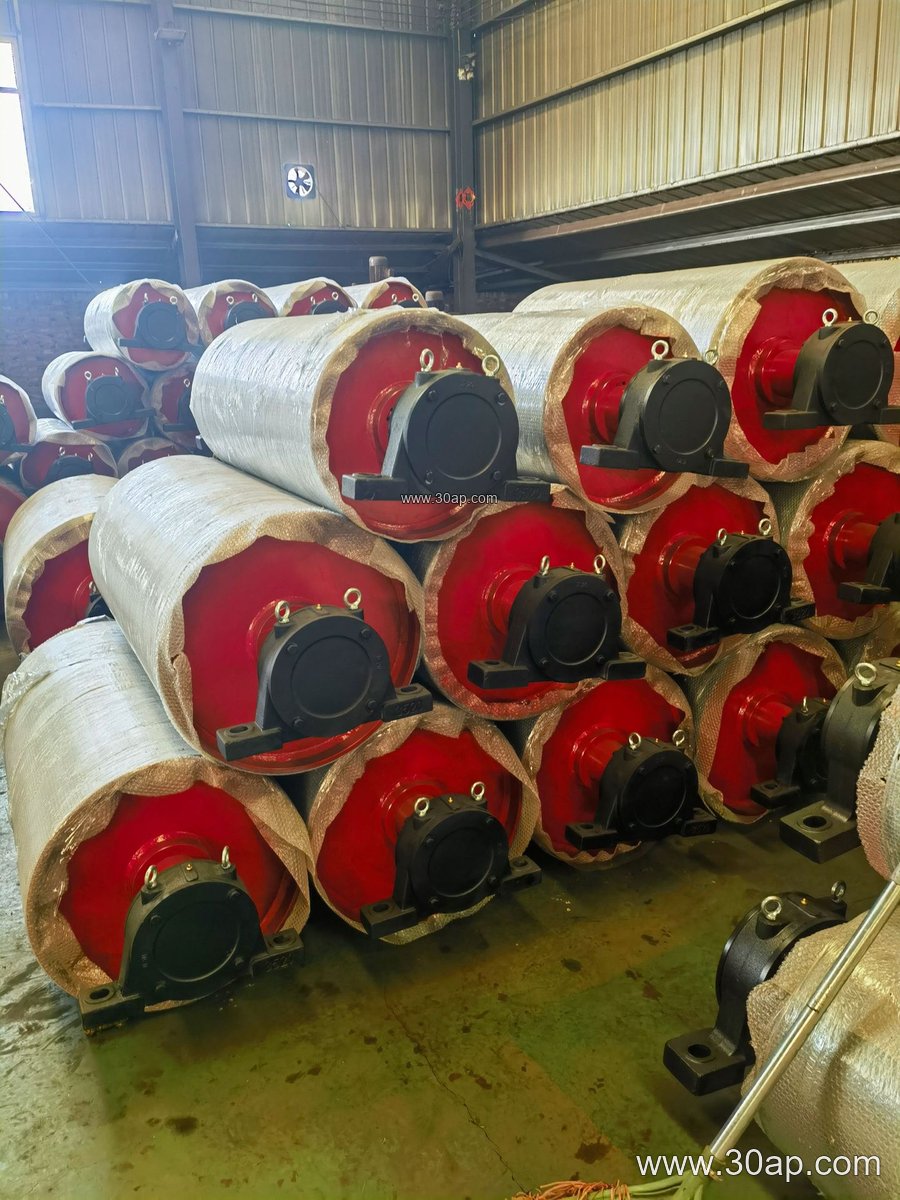
Where It Sits in the Coal Path
Two sites matter most in this article. The first is power plant coal handling, where pulleys work under dust covers, feeders, and transfer towers. The second is port bulk terminals, where ship unloaders and stacker-reclaimers discharge coal onto long conveyors. In both places the pulley has to tolerate abrasive fines and occasional washdown water.
Position determines duty. A drive or head pulley transmits power and usually carries the heaviest lagging. A tail pulley at the loading point tensions the belt and often needs wing or self-cleaning features to shed coal. A bend pulley changes direction and is loaded mainly by belt tension. These roles are not interchangeable, so a spare drive pulley cannot simply replace a bend pulley in an emergency.
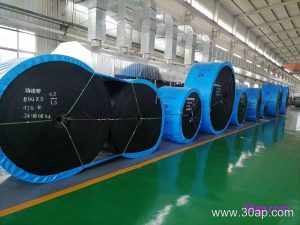
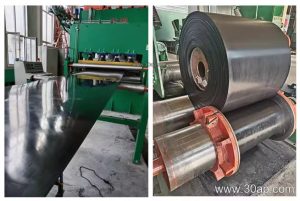
The pulley also has to match the belt it carries. A flame retardant conveyor belt used underground or in enclosed galleries, a heat resistant conveyor belt near boiler areas, and an abrasion resistant conveyor belt on coal with high ash content all place different demands on the drum surface. Where the belt is an EP conveyor belt or a steel cord conveyor belt, the pulley lagging and diameter should be checked against the belt’s minimum bend radius and the splice length.
Common Sizes and Reference Data
The table below gives typical combinations seen in coal handling and bulk terminals. Treat these as reference values, not fixed rules; final dimensions come from the conveyor design.
| Belt width | Typical shell face width | Example diameter range | Typical shaft range |
|---|---|---|---|
| B650 | about 750 mm | Ø315 to Ø500 | Ø60 to Ø100 |
| B800 | about 950 mm | Ø400 to Ø630 | Ø70 to Ø120 |
| B1000 | about 1150 mm | Ø500 to Ø800 | Ø80 to Ø140 |
| B1200 | about 1400 mm | Ø630 to Ø1000 | Ø90 to Ø160 |
| B1400 | about 1600 mm | Ø800 to Ø1250 | Ø100 to Ø180 |
| B1600 | about 1800 mm | Ø1000 to Ø1400 | Ø120 to Ø200 |
Note that a B1200 × Ø1000 drive pulley and a B1200 × Ø630 bend pulley may both serve the same conveyor. The belt width does not lock the diameter.
Buyer Checklist
Before ordering, confirm the belt width, the belt type (for example EP200 conveyor belt or ST1600 steel cord conveyor belt), the pulley position, the required lagging form, and the shaft load. Ask for the bearing type, the sealing arrangement, and the balancing grade. Check that the shell face width exceeds the belt width so the belt does not run off the edge, and confirm that the pulley bracket and conveyor pulley mounting holes match the existing frame.
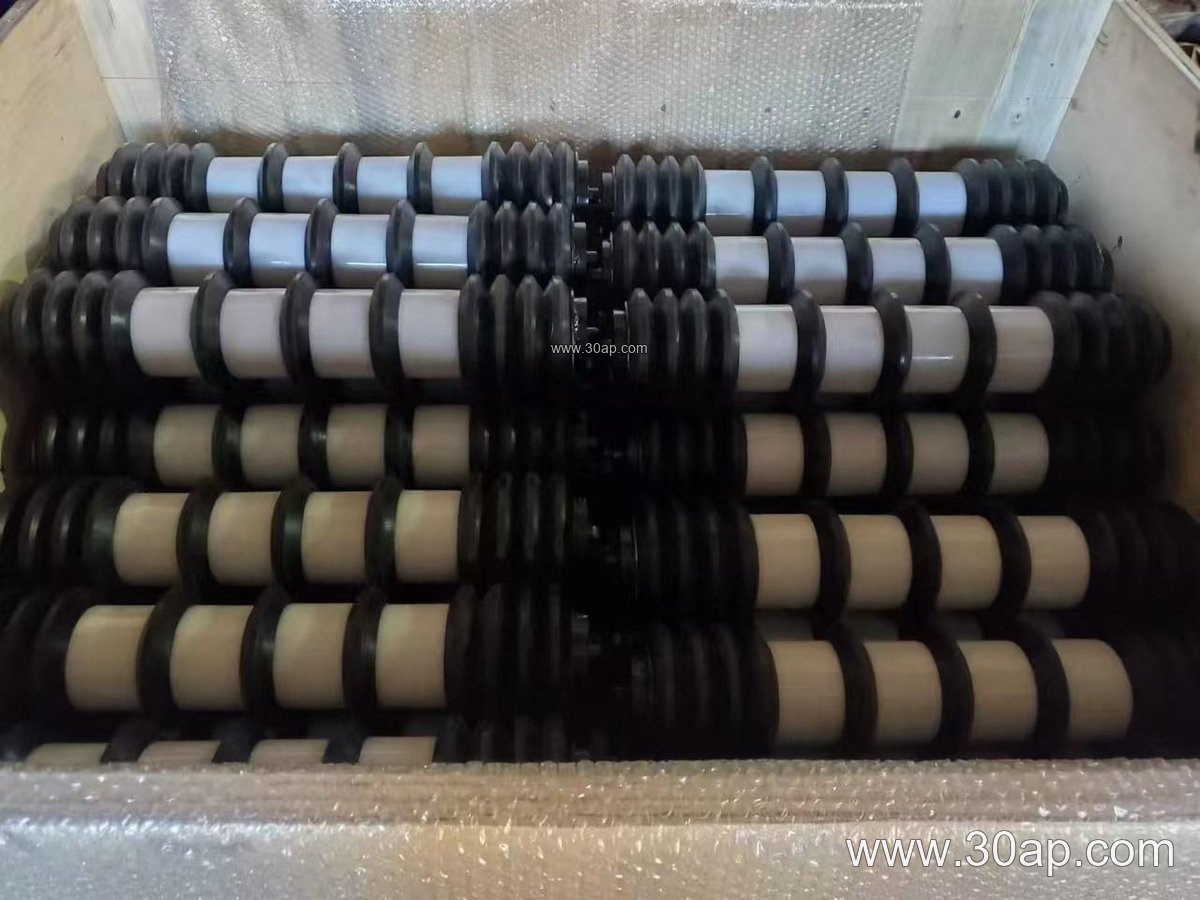
Spare strategy is worth a conversation. Plants that keep one lagged drive drum and one tail drum in stock reduce downtime, but the spare must match the actual duty rather than a catalogue guess. For coal with high moisture, diamond or herringbone lagging sheds fines better than a plain face. For a conveyor that also carries abrasive rock or ore, the pulley surface and the belt cover grade should be reviewed together.
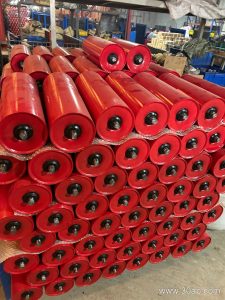
Maintenance is mostly inspection. Watch for lagging wear, loose bolts, shaft scoring, and belt tracking drift. A small misalignment at the tail pulley can wear the belt edge and load the idler roller frame unevenly. Recording pulley diameter and lagging thickness at each inspection makes it easier to plan replacement before the belt starts slipping.
Matching the Pulley to the Whole Conveyor
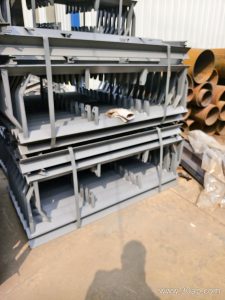
The pulley never works alone. Belt tension, take-up travel, and the load on each conveyor bracket all interact. When a plant upgrades to a heavier belt, such as moving from a multi-ply fabric core to a steel cord construction, the pulley diameter and lagging usually need review as well. Getting that interface right keeps the coal flowing and keeps the maintenance team out of the transfer tower at night.