What a Coal Mine Belt Conveyor Idler Does Underground
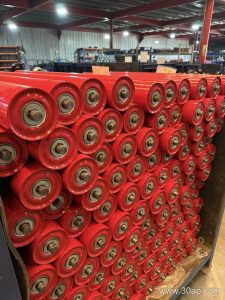
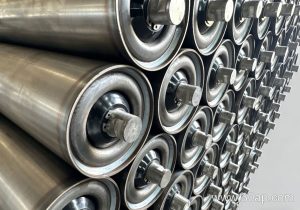
A coal mine belt conveyor idler is the rotating support that carries the conveyor belt and the coal load along the entire run. In an underground coal mining conveyor belt system, these idlers are mounted in frames at regular intervals, and their condition directly affects belt tracking, energy draw, and how long the conveyor belt itself lasts. Because the environment is dusty, damp, and often classified for flame resistance, the idler is not a generic roller — it is a wear part chosen for the duty.
The same component is also called a conveyor idler roller or carrying roller. Those names describe the same product; they are not separate equipment categories.
How the Idler Is Built
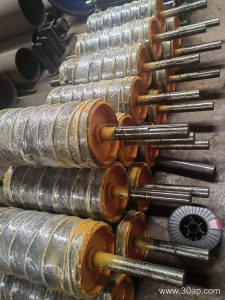
A typical idler consists of a steel tube shell, a shaft, bearing housings, bearings, and a sealing arrangement. The shell surface may be plain steel, nylon-coated, ceramic-covered, or fitted with rubber rings for impact absorption. Seals are the deciding factor in dusty coal service, since fine coal dust and water ingress are the usual causes of bearing failure.
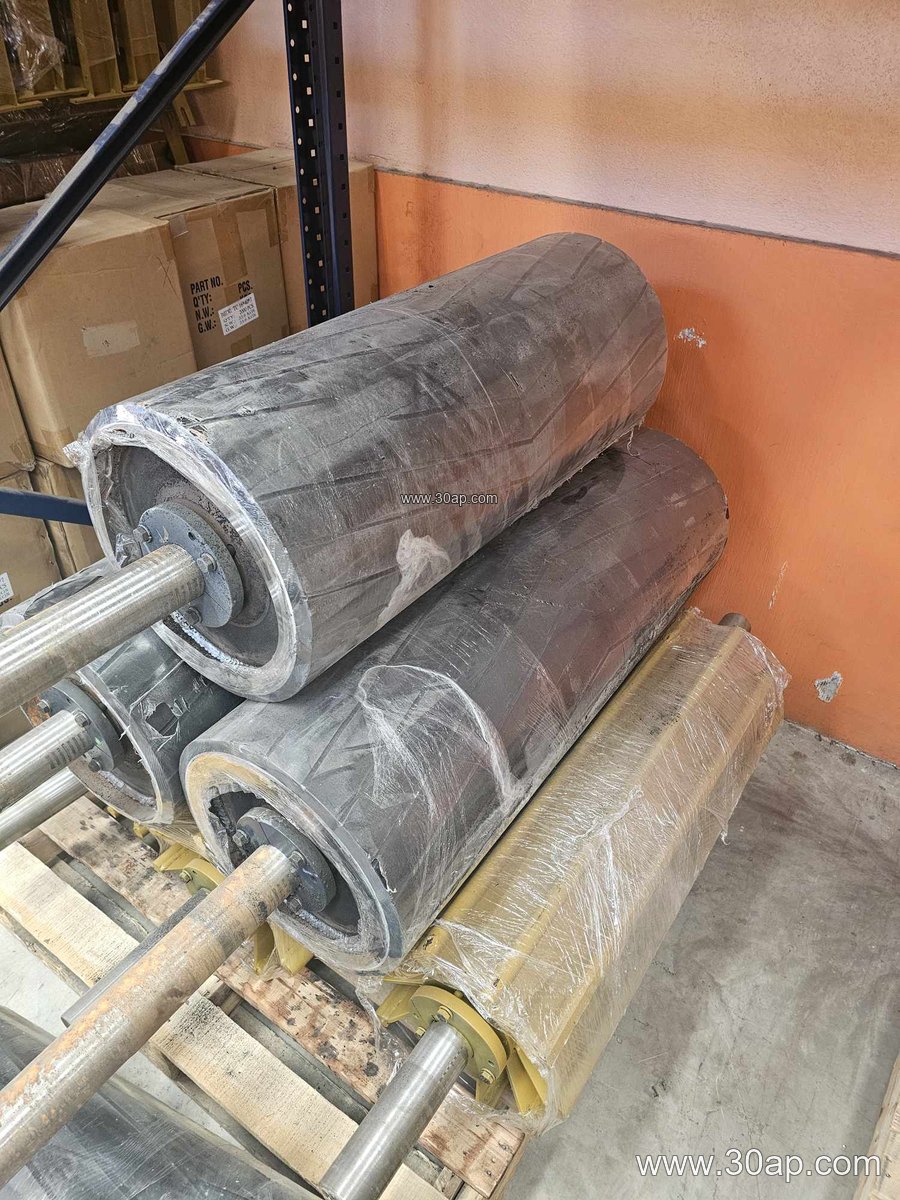
Common bearing sizes include 6204, 6205, 6305, 6306, 6308, and 6310. These are matched to load and shaft design, not fixed to one roller diameter.
Troughing Idlers and the Belt Width Relationship
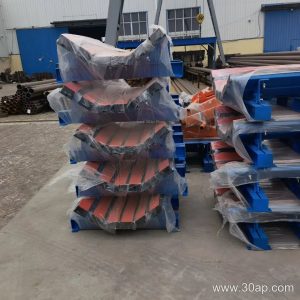
On the carrying side, three-roll troughing sets are the norm. The trough angle — commonly 20, 30, 35, or 45 degrees — shapes the coal into a stable profile and reduces spillage. Roller length changes with belt width, trough angle, and frame form. Typical examples for three-roll troughing sets are shown below; side rollers and center rollers can differ.
| Belt width | Typical roller length (example) |
|---|---|
| B500 | about 200 mm |
| B650 | about 250 mm |
| B800 | about 315 mm |
| B1000 | about 380 mm |
| B1200 | about 465 mm |
| B1400 | about 530 mm |
| B1600 | about 600 mm |
| B1800 | about 670 mm |
| B2000 | about 750 mm |
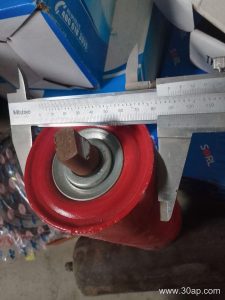
Roller diameters commonly range from Ø63 and Ø76 up to Ø159, Ø178, Ø194, and Ø219. Larger diameters suit higher loads and longer spans; smaller diameters suit lighter, narrower belts.
Return Side, Impact, and Self-Aligning Variants
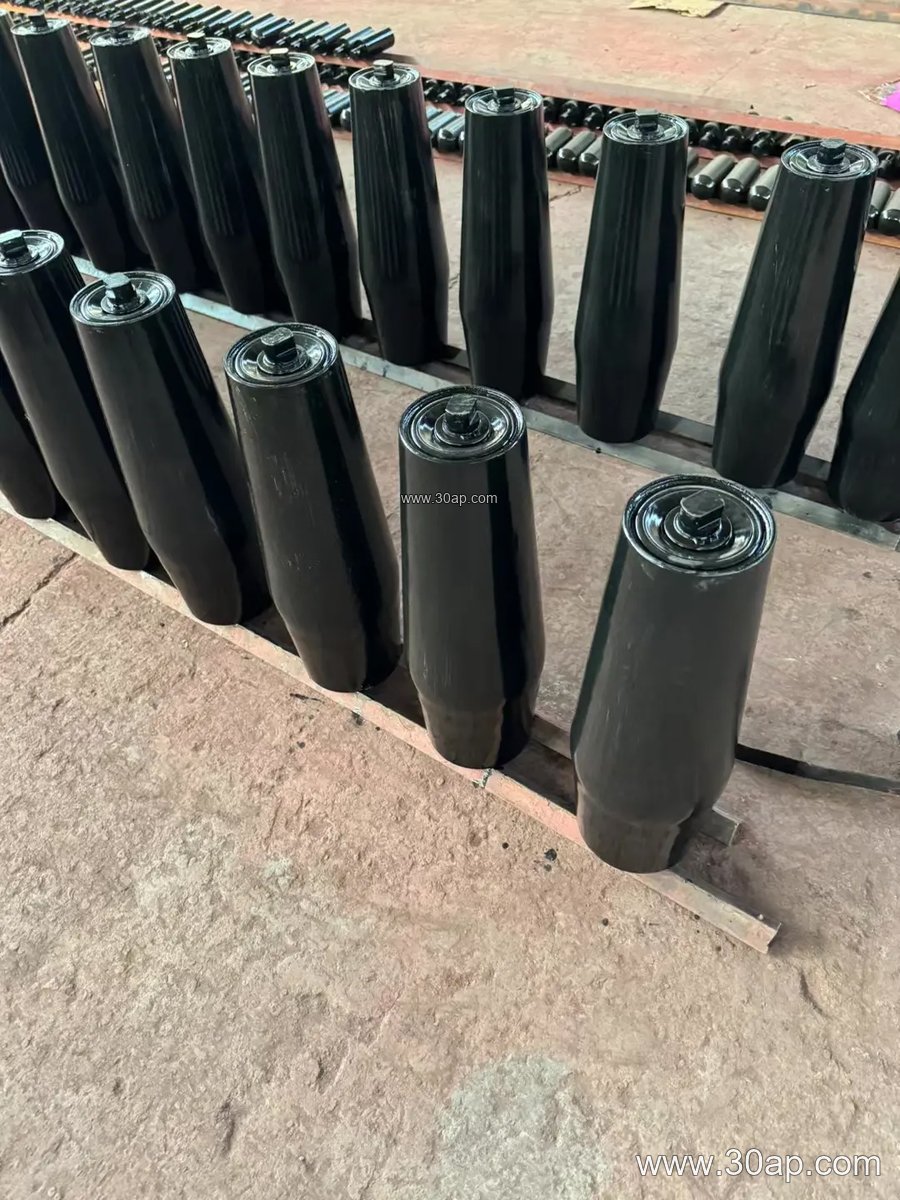
On the return strand, flat return idlers or V-shaped return idlers support the empty belt. At the transfer point, impact idlers with rubber rings absorb the drop energy from coal falling onto the belt. Self-aligning idlers, including friction and tapered types, correct minor misalignment. These variants share the same basic roller construction but differ in frame geometry and surface form.
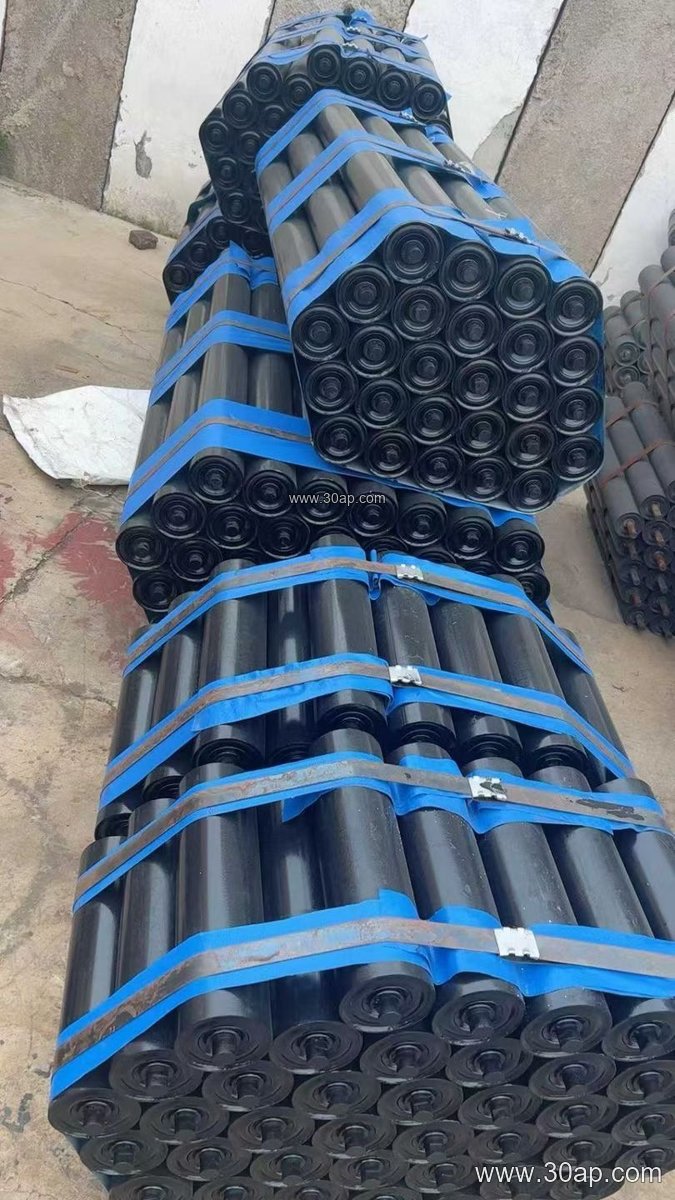
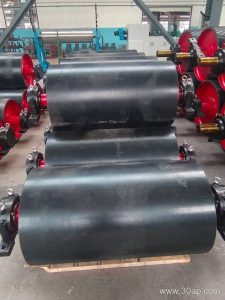
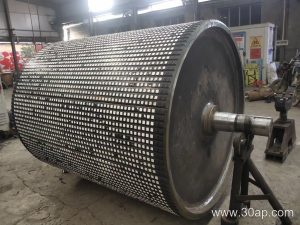
None of these should be confused with the conveyor pulley at the drive or tail end — pulleys transmit power and change belt direction, while idlers only support the belt.
Where These Idlers Are Used
Beyond underground coal faces, coal mine belt conveyor idlers appear in coal preparation plants and power plant coal handling systems. The same roller design is used on quarry conveyor belts and aggregate conveyor belts in crushing and screening lines, and on ore conveyor belts in iron ore and copper ore operations. In all these duties, abrasive coal or rock dust and continuous operation set the maintenance rhythm.
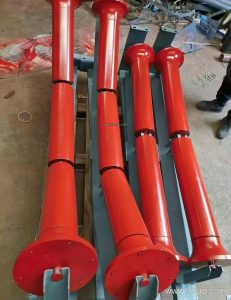
Related equipment such as the conveyor bracket, conveyor belt, and conveyor pulley must be matched to the idler frame so the belt runs centered and the load is shared evenly.
What a Buyer Should Check
- Confirm belt width and trough angle so roller length and frame fit the existing line.
- Match roller diameter and bearing size to the actual load and belt speed.
- Specify the seal type suitable for dust and moisture; this is where cheap rollers fail first.
- For underground coal service, request flame retardant and anti-static properties consistent with the belt, such as a flame retardant conveyor belt or PVG conveyor belt in the same system.
- Check shell thickness and coating only where impact or abrasion is severe.
- Keep spare rollers in the two or three most-used sizes to reduce downtime.
For more on matching belts and rollers, see conveyor idler roller and coal mine conveyor belt guidance.