What a 500mm Conveyor Belt Is
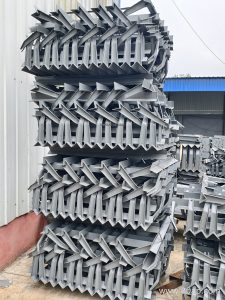
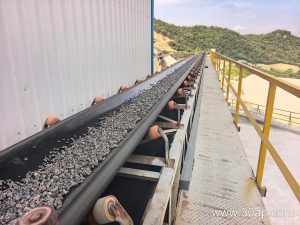
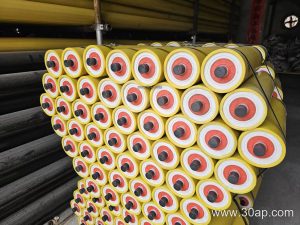
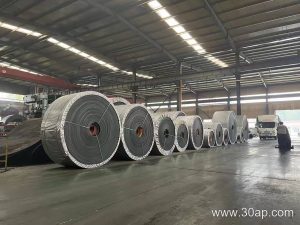
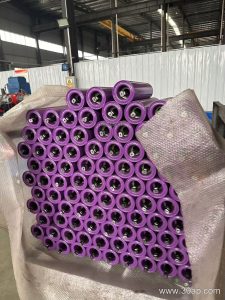
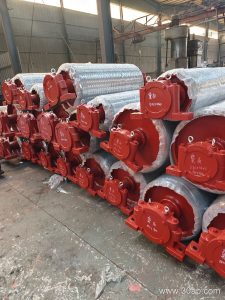
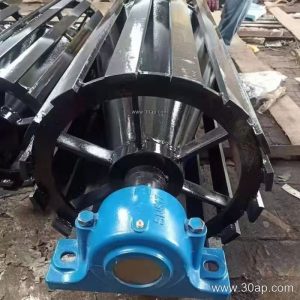
A 500mm conveyor belt is a narrow-width belt designed for conveyor systems that need a compact carrying profile rather than high tonnage in a single pass. In many plants this width is written as B500, and it is common on short transfer conveyors, packaging lines, small crushers, and mobile equipment where space around the frame is tight. The belt is only one part of the assembly; idler rollers, a conveyor pulley at the drive and tail positions, and a conveyor bracket system all influence how well a 500mm belt tracks and wears.
Because the belt is narrow, belt tension, pulley alignment, and loading conditions matter more than on a wide belt. A 500mm conveyor belt is often specified in EP or NN fabric constructions for general duty, while special duties may call for a flame retardant conveyor belt in a coal handling area or an abrasion resistant conveyor belt in a sand and gravel operation. The 500mm conveyor belt should be selected as a system component, not as an isolated item.
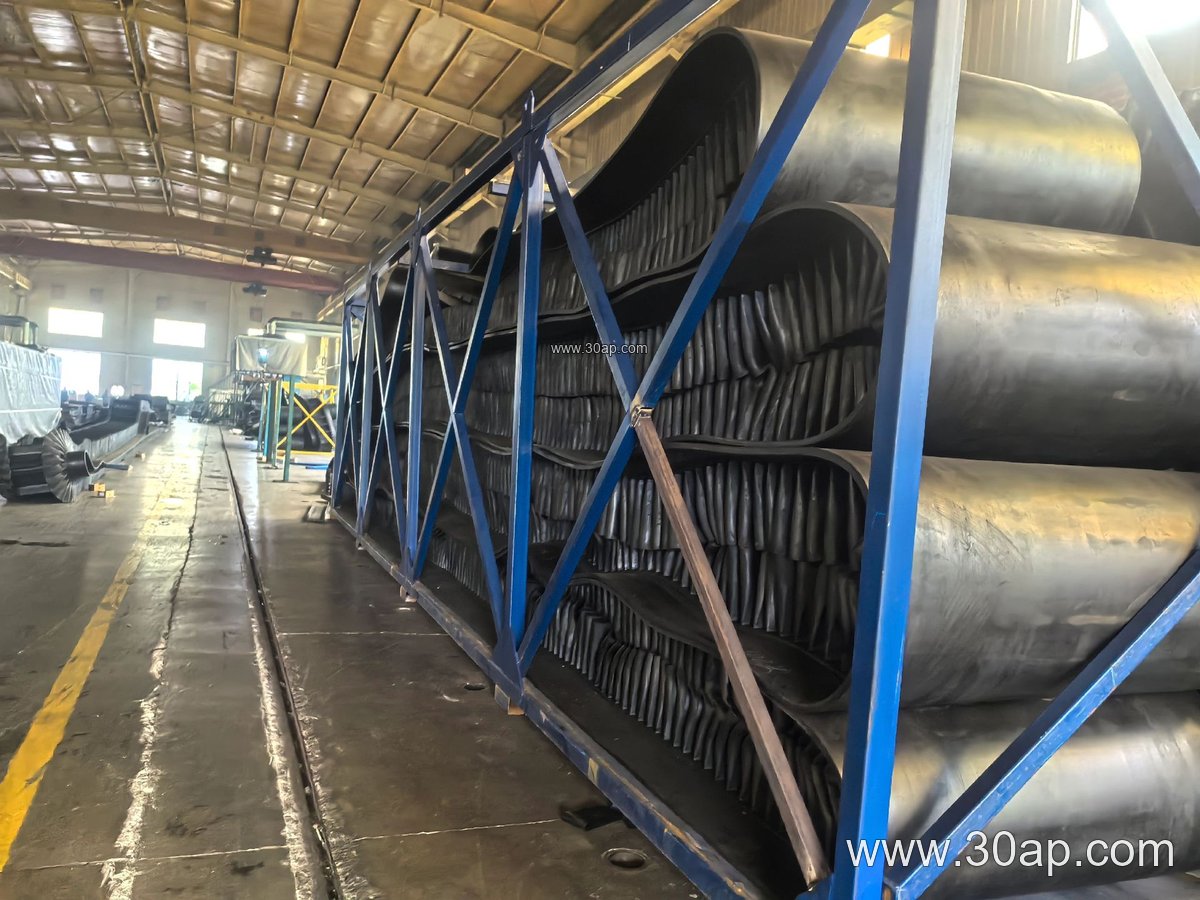
Construction and Common Specifications
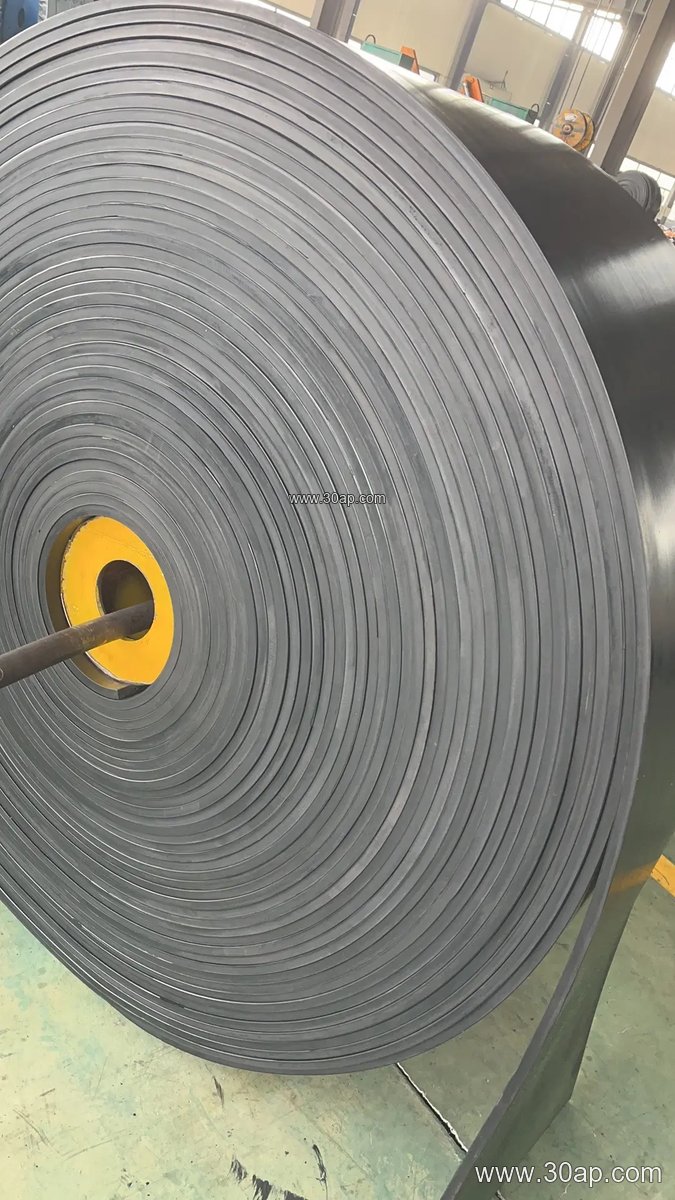
Most 500mm belts use a fabric core with rubber covers. EP conveyor belt (polyester warp, nylon weft) and NN conveyor belt (nylon warp and weft) are both common carcass choices. A multi-ply fabric core conveyor belt of two to four plies is typical for this width, and the cover grade is chosen to match the material being carried. The table below shows representative reference values; actual values depend on the manufacturer and the conveyor design.
| Property | Typical reference range |
|---|---|
| Belt width | 500 mm (B500) |
| Carcass type | EP or NN fabric, 2 to 4 plies |
| Strength grade examples | EP200, EP315, EP400, EP500, EP630 |
| Cover thickness examples | 3+1.5 mm, 4+2 mm, 5+2 mm |
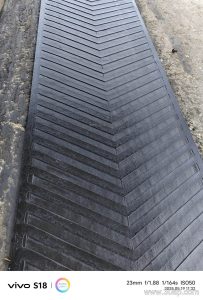
| Surface options | Plain, chevron, skirted, corrugated sidewall |
| Special grades | Heat resistant, oil resistant, flame retardant, cold resistant, anti-static |
A chevron conveyor belt is useful on an incline where material would otherwise slide back, while a corrugated sidewall conveyor belt helps contain bulk material on steep or space-limited routes. Neither replaces the basic 500mm conveyor belt; they are surface variations of the same narrow-width product.
Where This Belt Width Fits
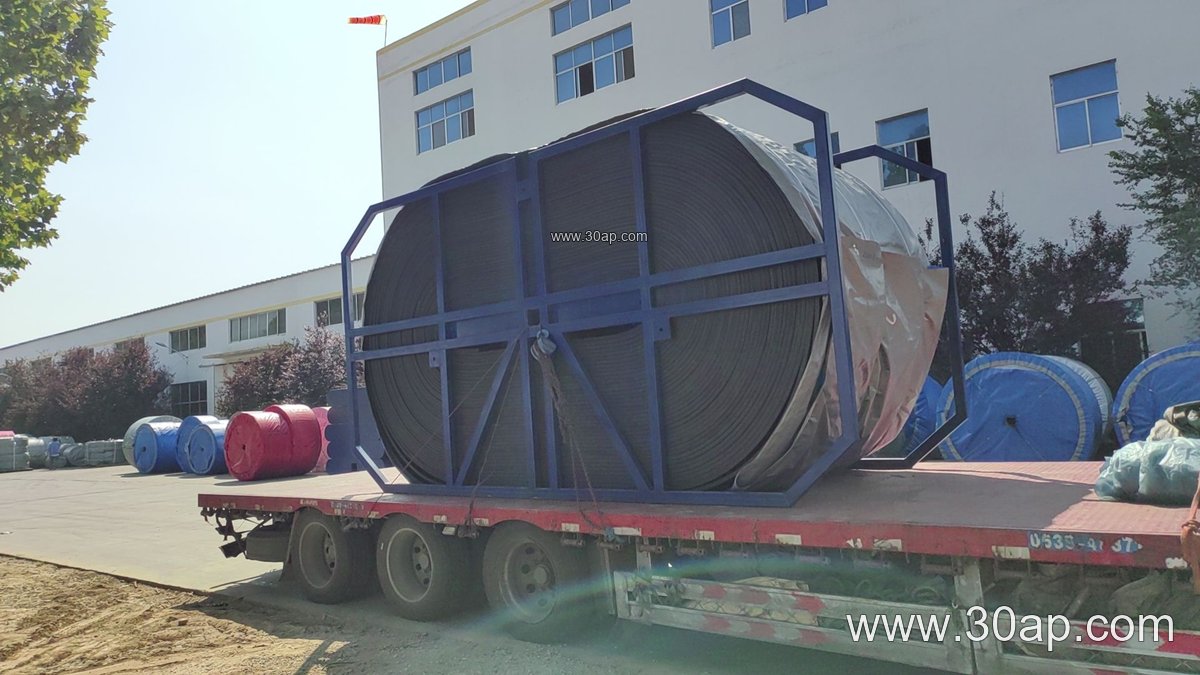
The 500mm width appears in many industries but usually in secondary or auxiliary duty. In a quarry or aggregate plant it may feed a screen or carry fines from a small crusher. In a cement plant it can move clinker dust or additives on a short transfer. In a power plant or coal yard, a flame retardant conveyor belt in this width may serve a sampling or ash handling line. Small mining conveyors, recycling lines, and food processing conveyors also use narrow belts, sometimes with a food grade conveyor belt cover.
- Mining and coal handling: short face or transfer conveyors, often with flame retardant properties.
- Sand and gravel: abrasion resistant covers for crushed stone and fines.
- Cement and lime: heat resistant grades near kiln or clinker transfer points.
- Ports and bulk terminals: small ship loading or sampling conveyors.
- Manufacturing: assembly, packaging, and waste sorting lines.
Do not assume a 500mm belt is limited to light duty. A heavy-duty mining conveyor belt construction can be supplied in this width when the load and impact conditions justify it, but the conveyor frame, idler roller spacing, and pulley diameters must be checked together.
Buyer Checklist Before Ordering
Start with the material: lump size, temperature, moisture, oil content, and whether the atmosphere is dusty or potentially explosive. These answers decide whether a standard EP rubber conveyor belt is enough or whether a fire resistant conveyor belt, heat resistant conveyor belt, or oil resistant conveyor belt is needed. Then confirm the conveyor layout: center distance, incline angle, loading method, and available take-up travel.
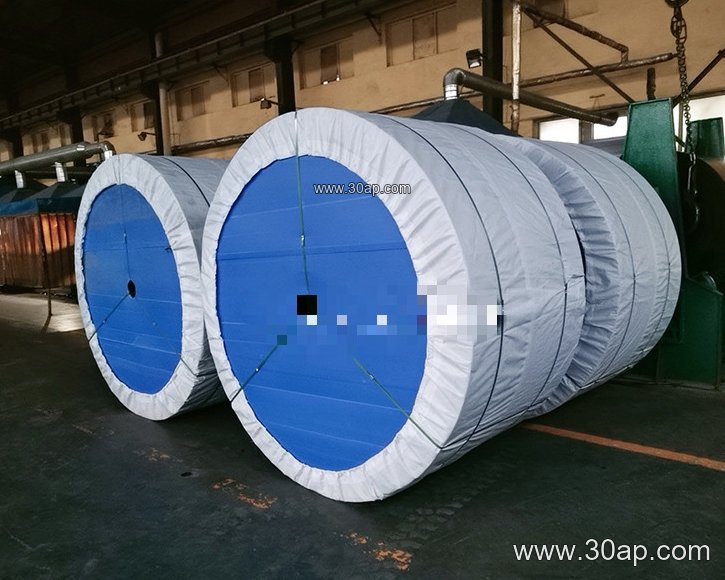
Ask for the belt’s rated tension and recommended minimum pulley diameter rather than assuming a fixed relationship between width and pulley size. A 500mm conveyor belt can run on different pulley diameters depending on carcass type and tension. Check that the drive pulley, tail pulley, and bend pulleys are correctly specified as separate components, and confirm idler roller diameter and spacing. A conveyor bracket that is misaligned will cause edge wear even on a well-made belt.
For replacement orders, record the existing belt’s width, ply count, cover thickness, and splice type. An endless conveyor belt may be preferred where the frame cannot be opened for a mechanical splice. Finally, request the manufacturer’s data sheet for the exact grade and keep site conditions on file so the next order matches the duty. For more on narrow-width belting and related components, see conveyor belt and conveyor pulley guidance.