What a Friction Self-Aligning Idler Does
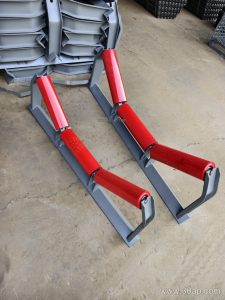
A friction self-aligning idler is a training idler that corrects belt drift by using the friction between the moving conveyor belt and its own rollers. When the belt edges toward one side, the resulting friction difference turns the idler frame slightly around its vertical pivot. That small rotation steers the belt back toward the center line. It is a self-contained correction, needing no motor, sensor, or control cabinet, which is why it is often found on long overland lines, stockyard conveyors, and plant transfer sections.
The same device is also called a friction training idler or friction self-aligning roller set. These names describe the same product, and the friction principle stays the same whatever the plant calls it.
Construction and Working Principle
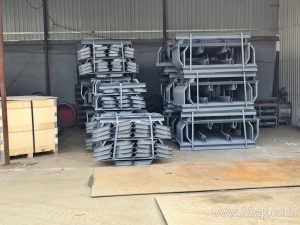
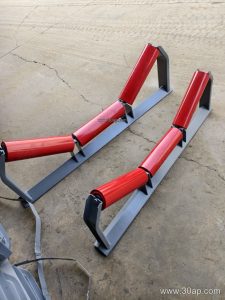
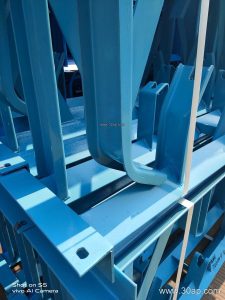
A typical unit has a short, sturdy frame mounted on a vertical shaft, two or three carrying rollers, and a pair of small guide rollers that touch the belt edge. The frame is free to pivot a few degrees. When the belt runs centered, friction on both sides is balanced and the frame stays straight. When the belt shifts, the edge guide roller is pushed and the friction load becomes uneven, swinging the frame so the rollers steer the belt back.
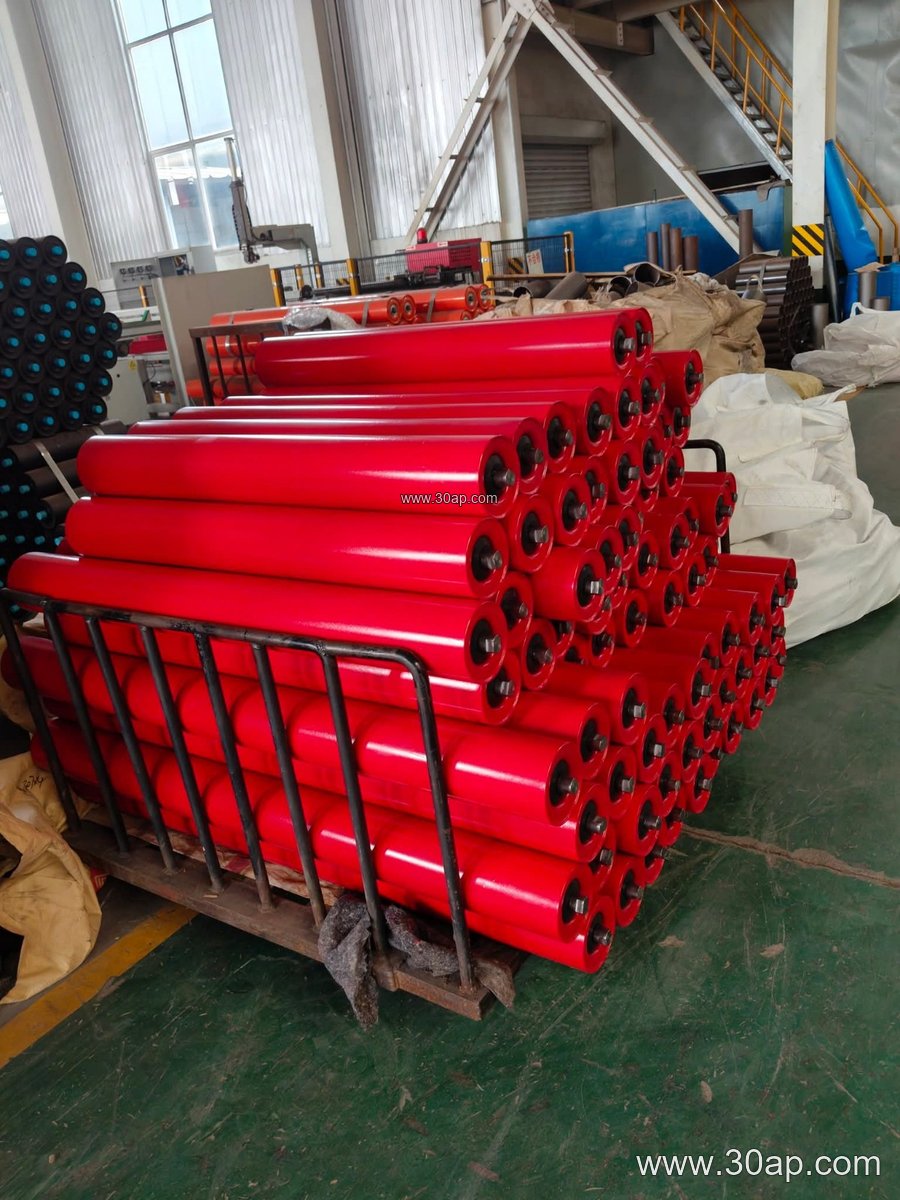
Key build details a buyer will notice:
- Pivot shaft with sealed bearings, so the frame swings freely in dust and moisture.
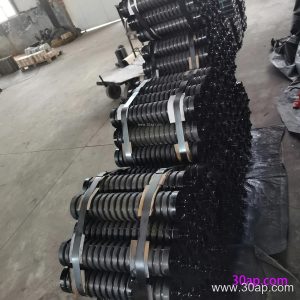
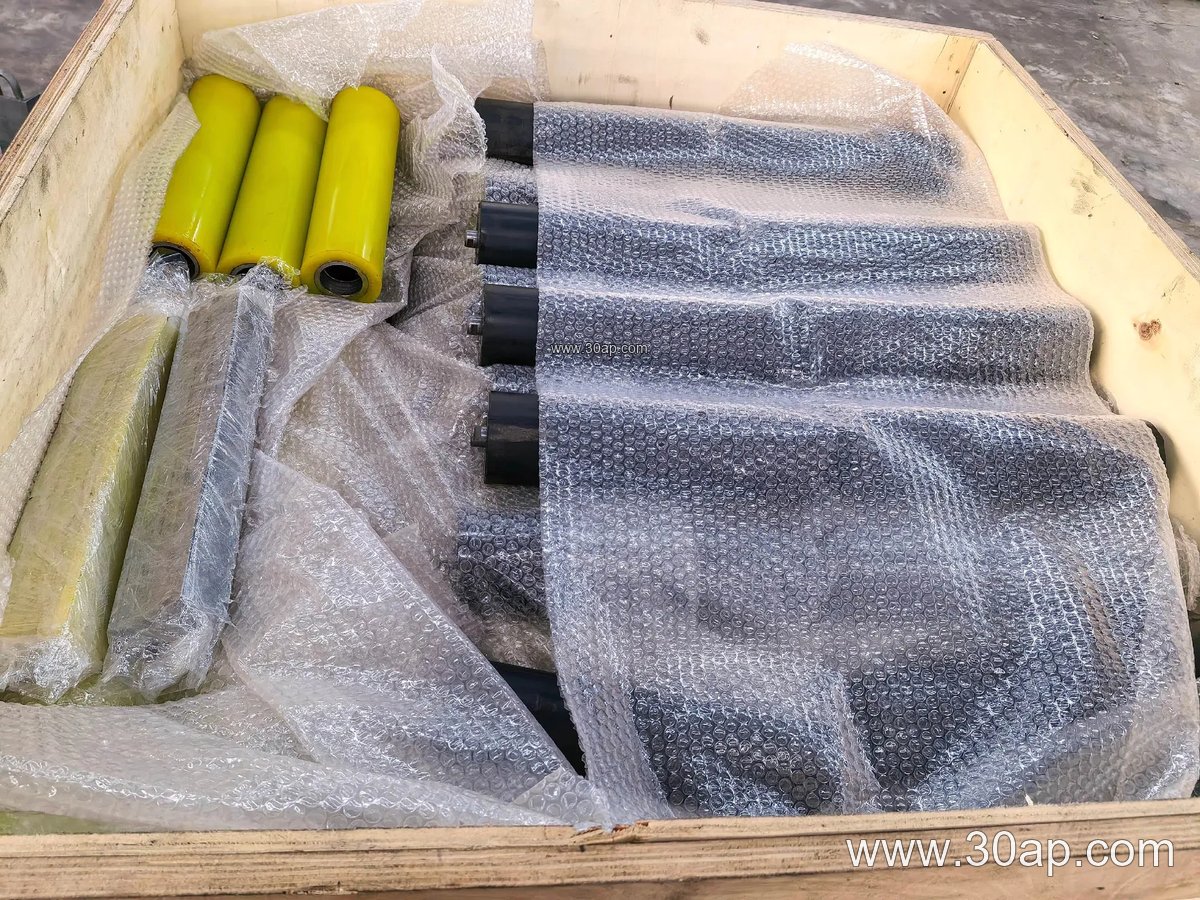
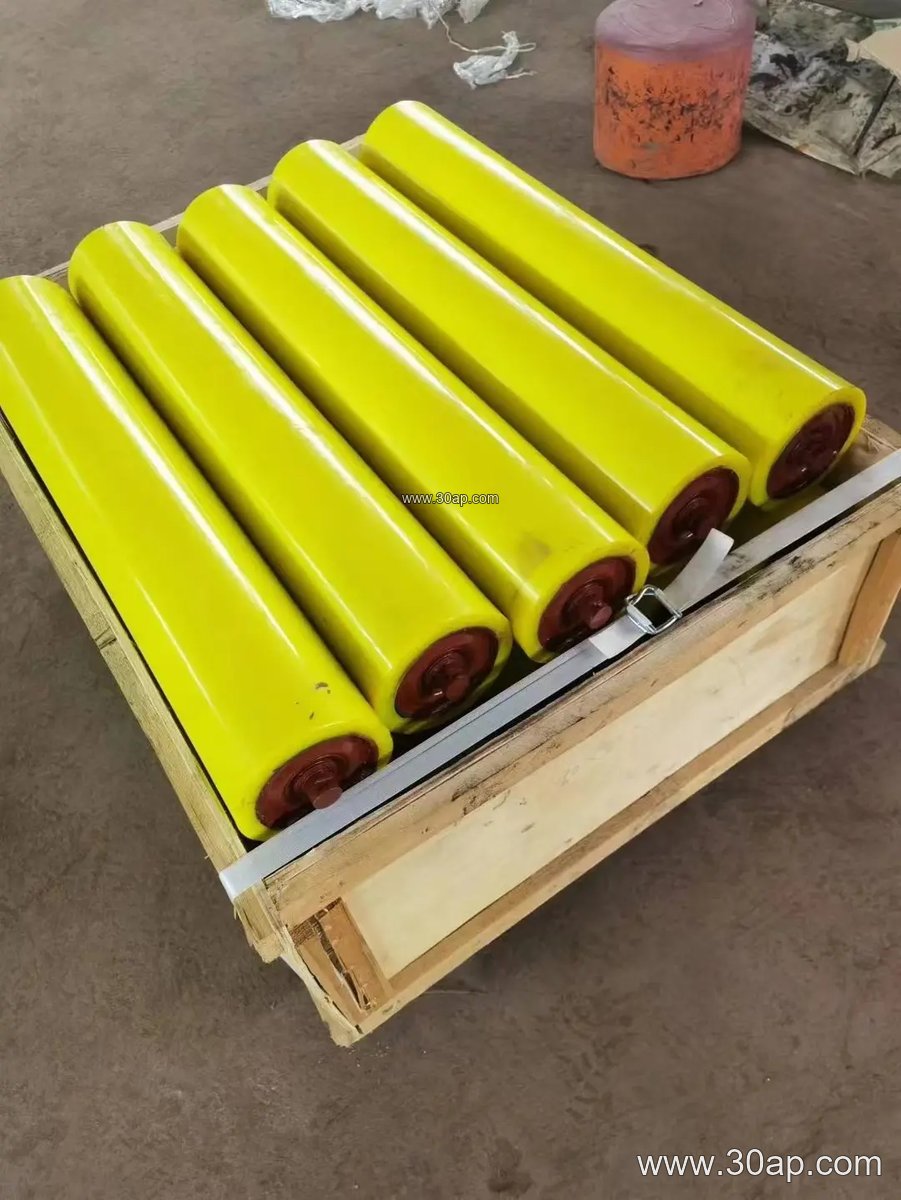
- Roller shells in steel tube, nylon, or rubber-covered form depending on the material handled.
- Common bearing sizes such as 6205, 6305, 6306, and 6308, matched to the roller diameter and load rather than to belt width alone.
- Edge guide rollers that are replaceable without removing the whole frame.
Roller diameters commonly range from Ø89 up to Ø159 for this duty, and larger sizes appear on heavy lines. The correct diameter depends on belt speed, load, and the space available under the belt, not on one fixed rule.
Where It Fits on the Conveyor
Friction self-aligning idlers are usually installed on the carrying side, a short distance after the feed point and at intervals along long runs. A second position is just before the head pulley, where any residual misalignment would affect discharge. On the return side, V-type return idlers or plain flat return rollers are more common, and a training unit is added only where the empty belt shows a persistent drift.
They are not a substitute for a bend pulley or a tail pulley. Those components change belt direction or drive the belt, while a training idler only guides it. Likewise, a transition idler near the pulley and a friction self-aligning idler serve different purposes and should not be swapped.
Typical Industries and Duty
In a quarry or sand and gravel line, a friction self-aligning roller set keeps an aggregate conveyor belt centered through dusty, uneven loading. In a coal washing plant or a power plant coal yard, it helps a flame retardant conveyor belt stay on track where wind and off-center feed cause drift. Cement plants use them on clinker and limestone belts, and iron ore or copper ore operations rely on them on heavy-duty mining conveyor belts carrying abrasive rock.
The surrounding conveyor components matter too. A well-supported conveyor bracket and a straight, properly squared frame reduce the correction work the idler must do. For abrasive ore, an abrasion resistant conveyor belt or a steel cord conveyor belt may be paired with rubber-covered training rollers to protect both belt and roller.
Common Sizes and Selection Notes
The table below shows representative figures, not a fixed catalog. Final values are set by the conveyor design.
| Item | Common Range or Example |
|---|---|
| Belt width | B500, B650, B800, B1000, B1200, B1400, B1600 |
| Roller diameter | Ø89, Ø102, Ø108, Ø127, Ø133, Ø159 |
| Trough angle | 20°, 30°, 35°, 45° |
| Roller length, three-roll trough (example) | B800 about 315 mm, B1000 about 380 mm, B1200 about 465 mm |
| Bearing | 6205, 6305, 6306, 6308 |
| Roller surface | Steel tube, nylon, rubber ring |
Buyers should confirm the belt width, trough angle, mounting hole pattern, and the actual belt drift direction before ordering. A wider belt does not automatically mean a larger shaft, and one belt width can accept more than one pulley or roller diameter. Ask for the pivot and frame dimensions to match the existing conveyor bracket.
Installation and Maintenance Tips
Mount the unit square to the belt center line and check that the pivot swings freely before tensioning. Keep the edge guide rollers clean, because packed fines can stop the frame from turning. Inspect seals and bearings at routine shutdowns, and replace worn rubber rings before they damage the belt edge. A training idler corrects small drift; persistent misalignment usually points to an off-center feed, a crooked frame, or an unevenly loaded belt, and those causes should be fixed at the source.