What a Coal Conveyor Belt Is
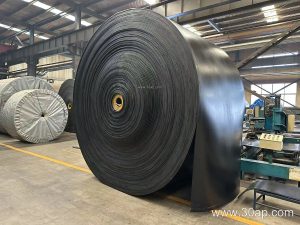
A coal conveyor belt is the load-carrying element of a continuous bulk handling system. In mines, coal preparation plants, power stations, cement works, and port terminals, it moves crushed coal from one transfer point to another without interruption. The belt itself is a composite: a tension-bearing carcass, top and bottom rubber covers, and often edge protection. The carcass determines tensile strength and troughability, while the covers resist abrasion, impact, and in some cases fire or oil.
Because coal is relatively light but often sharp and dusty, the belt must balance flexibility with cut and wear resistance. A typical coal conveyor belt is not simply a generic conveyor belt; it is specified around lump size, drop height, loading method, and environmental rules at the site.
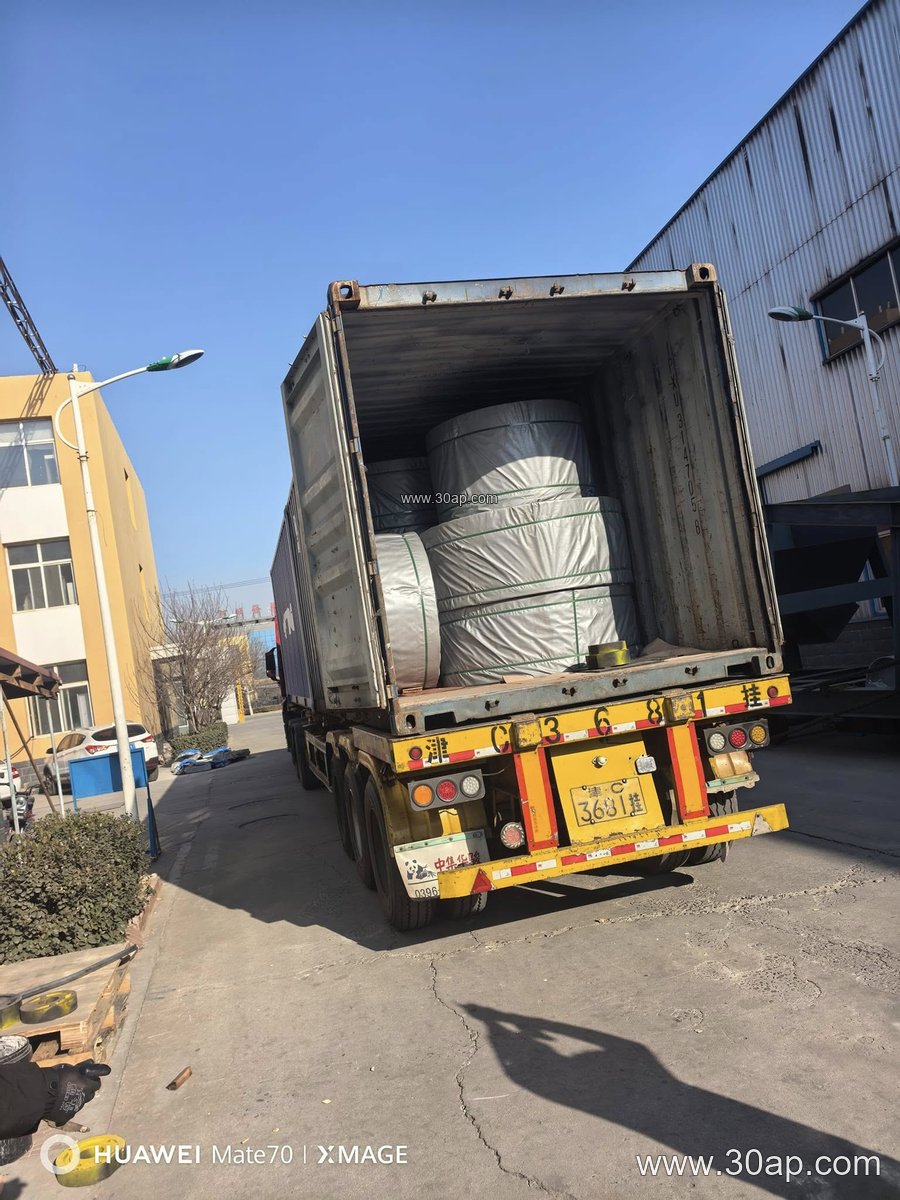
Construction and Main Components
Most coal belts use a fabric core or a steel cord core. Fabric cores are built from multiple plies of EP (polyester-cotton) or NN (nylon-nylon) fabric. Steel cord belts use parallel brass-plated wires for high tension over long distances. The cover compound is selected for the duty: abrasion resistant for coal with hard rock inclusions, flame retardant for underground service, anti-static where dust clouds are a concern, and oil resistant where lubricants or coal tar may contact the surface.
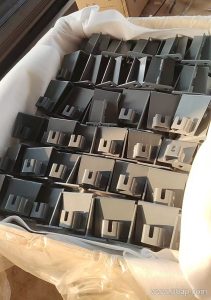
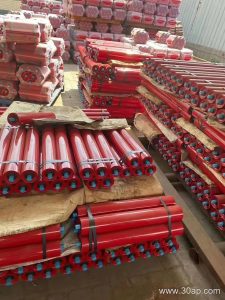
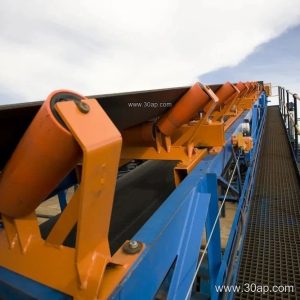
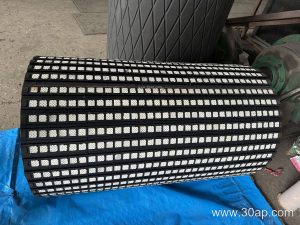
The belt runs on idler rollers, wraps around conveyor pulleys, and is supported by conveyor brackets and frames. Drive, tail, and bend pulleys each have a distinct role and are not interchangeable. The drive pulley transmits power, the tail pulley returns the belt, and bend pulleys change direction or increase wrap angle.
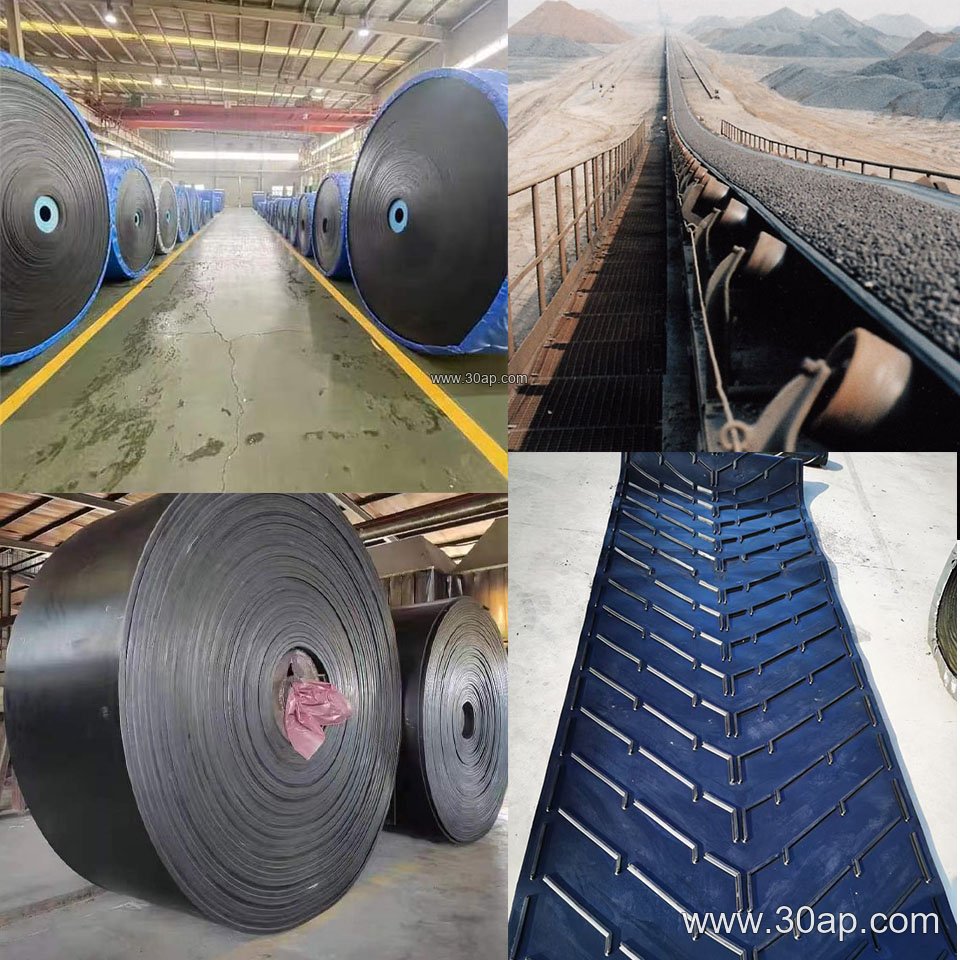
Common Types and Typical Parameters
Fabric core belts are often described by their breaking strength. Common EP grades include EP200, EP400, EP630, EP800, EP1000, and EP1250. NN belts follow a similar naming pattern, such as NN200 or NN300. Steel cord belts use ST ratings, for example ST1000 or ST1600, and are chosen when the conveyor is long or the lift is high. In underground coal mining, PVC and PVG belts are frequently used because they combine flame resistance with reasonable flexibility; PVG800S is one example of a solid-woven or fabric-reinforced grade.
Belt width is matched to the tonnage and lump size. Common widths include B500, B650, B800, B1000, B1200, B1400, B1600, and B1800. Cover thickness is often written as top plus bottom, such as 4+2 mm or 6+2 mm, and the number of fabric plies usually ranges from two to six depending on the required strength. These values are reference points, not fixed rules; final selection depends on the conveyor design.
| Parameter | Common Reference | Notes |
|---|---|---|
| Belt type | EP, NN, steel cord, PVC, PVG | Selected by tension, fire rules, and environment |
| Strength grade | EP200 to EP1250; ST1000 to ST1600 | Higher grades for longer or steeper conveyors |
| Width | B500 to B1800 | Matched to lump size and capacity |
| Cover thickness | 3+1.5 mm to 8+3 mm | Thicker top cover for impact and abrasion |
| Ply count | 2 to 6 | Fabric core belts only |
Where Coal Conveyor Belts Are Used
Coal mining conveyor belts operate at the face, in drift and slope entries, and on surface haulage. Coal Mining Conveyor Belt systems in preparation plants handle washed and sized coal, while power plant conveyors feed boilers or stockpiles. Cement plants and quarries also use heavy-duty belts for limestone and clinker, but the coal belt is distinguished by its fire safety requirements and dust management. Port and ship loading conveyors require wide belts and high abrasion resistance because of continuous duty and salt-laden air.
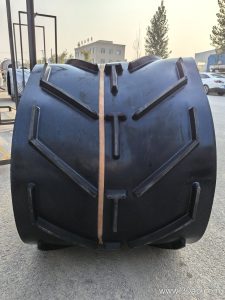
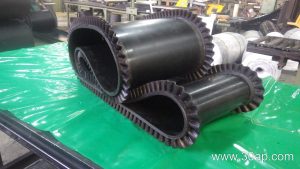
Special constructions solve specific problems. A Chevron Conveyor Belt or corrugated sidewall belt allows steeper inclines in confined spaces. A pipe conveyor encloses the coal to prevent spillage and dust emission. Heat resistant grades are used where coal is still warm after drying or where ambient temperatures are high.
Buyer Checklist
- Confirm the actual duty: lump size, drop height, throughput, and whether the coal is washed, dry, or oily.
- Check fire and anti-static requirements for underground or enclosed galleries; flame retardant and anti-static grades are common there.
- Match belt width to the existing conveyor structure and pulley face, not to a catalog alone. A 1200mm wide belt may run on different pulley diameters depending on tension and design.
- Review cover thickness and rubber quality for abrasion and impact. Abrasion resistant covers last longer when coal contains shale or pyrite.
- Ask for the splice method and edge condition, since mechanical fasteners and vulcanized splices behave differently on coal belts.
- Keep spare idler rollers and a spare conveyor pulley inspection schedule; belt life depends on alignment and roller condition.
For more information on matching a coal conveyor belt to your conveyor pulleys and idler rollers, visit coal conveyor belt and conveyor pulley resources. A well-specified belt, paired with proper conveyor brackets and rollers, keeps coal moving safely from mine to stockyard.