What an Idler Bracket Does on a Conveyor
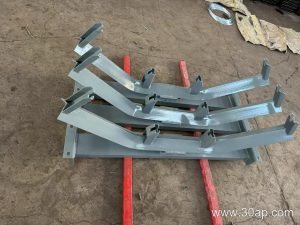
An idler bracket is the structural component that holds idler rollers at the correct position and angle beneath or along a conveyor belt. It connects the roller shaft or frame to the conveyor’s main stringers, creating the support profile that shapes the belt into a trough or keeps it flat on the return run. On a bulk handling line, the bracket is the quiet link between the belt and the steel structure, and its accuracy directly affects belt tracking, load distribution and roller life.
In a quarry, cement plant or coal handling system, a poorly aligned idler bracket can cause the belt to drift, wear roller shells unevenly, and spill material at transfer points. That is why this part deserves the same attention as the conveyor pulley and the belt itself.
Construction and Common Materials
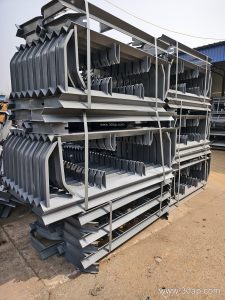
Most brackets are fabricated from angle steel, channel steel or folded steel plate, then drilled or punched for mounting bolts. The frame is usually welded or bolted into a rigid assembly that carries one, two or three rollers depending on the trough profile. Surface treatment such as painting or galvanizing helps resist dust, moisture and corrosion in outdoor or washdown environments.
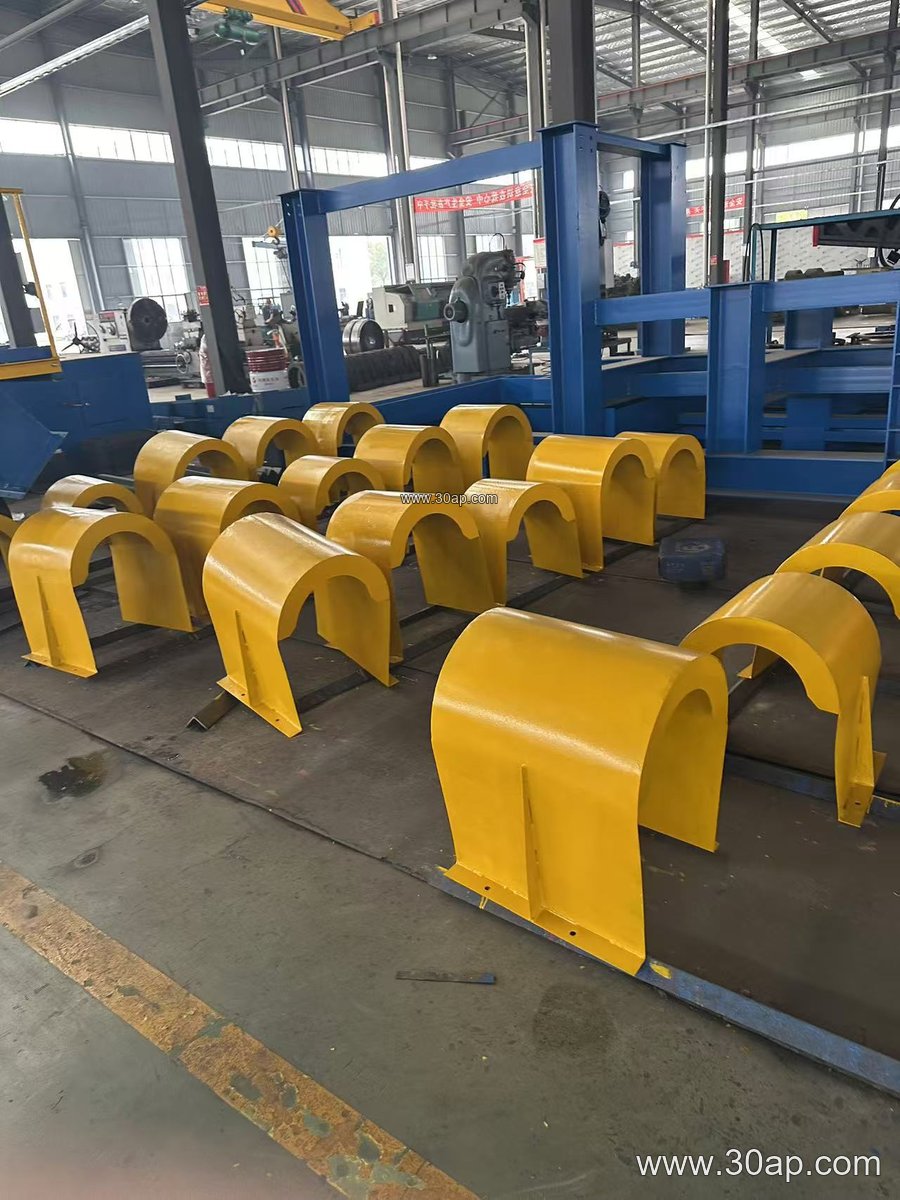
Key features to look for include:
- Reinforced mounting slots that allow fine adjustment during installation
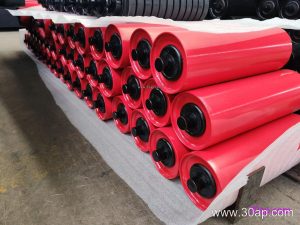
- Accurate roller seat spacing so the idler roller sits without binding
- Rigid cross beams that resist bending under heavy belt loads
- Compatibility with the chosen roller diameter and belt width
Types and Where They Fit
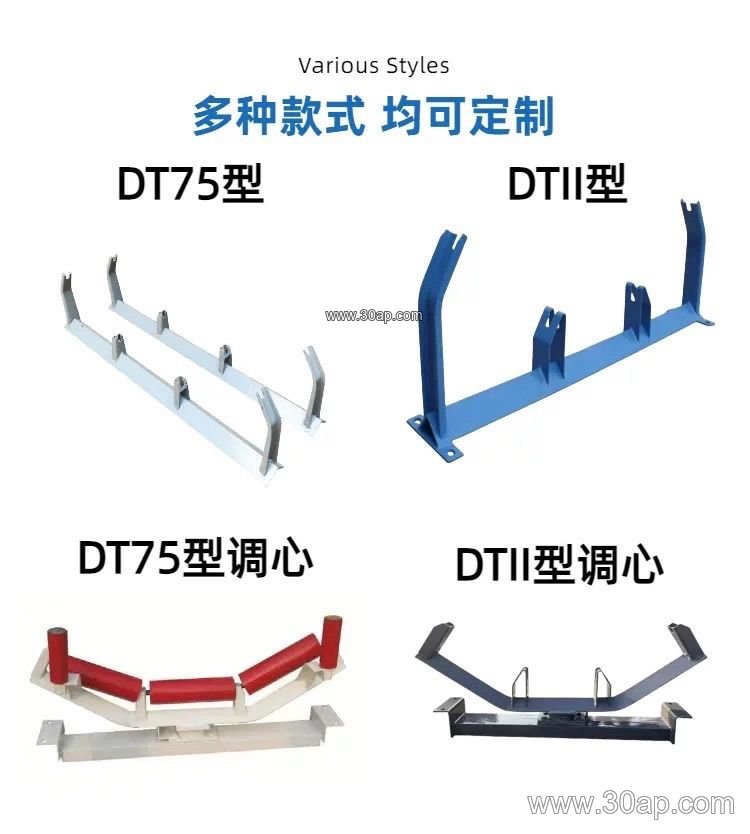
The bracket family covers several positions along the conveyor. Trough brackets support the carrying side and set the trough angle. Transition brackets ease the belt from flat to troughed near pulleys. Return brackets and V-return brackets support the empty side. Impact brackets sit under loading points, while self-aligning and forward-tilted designs help control belt tracking.
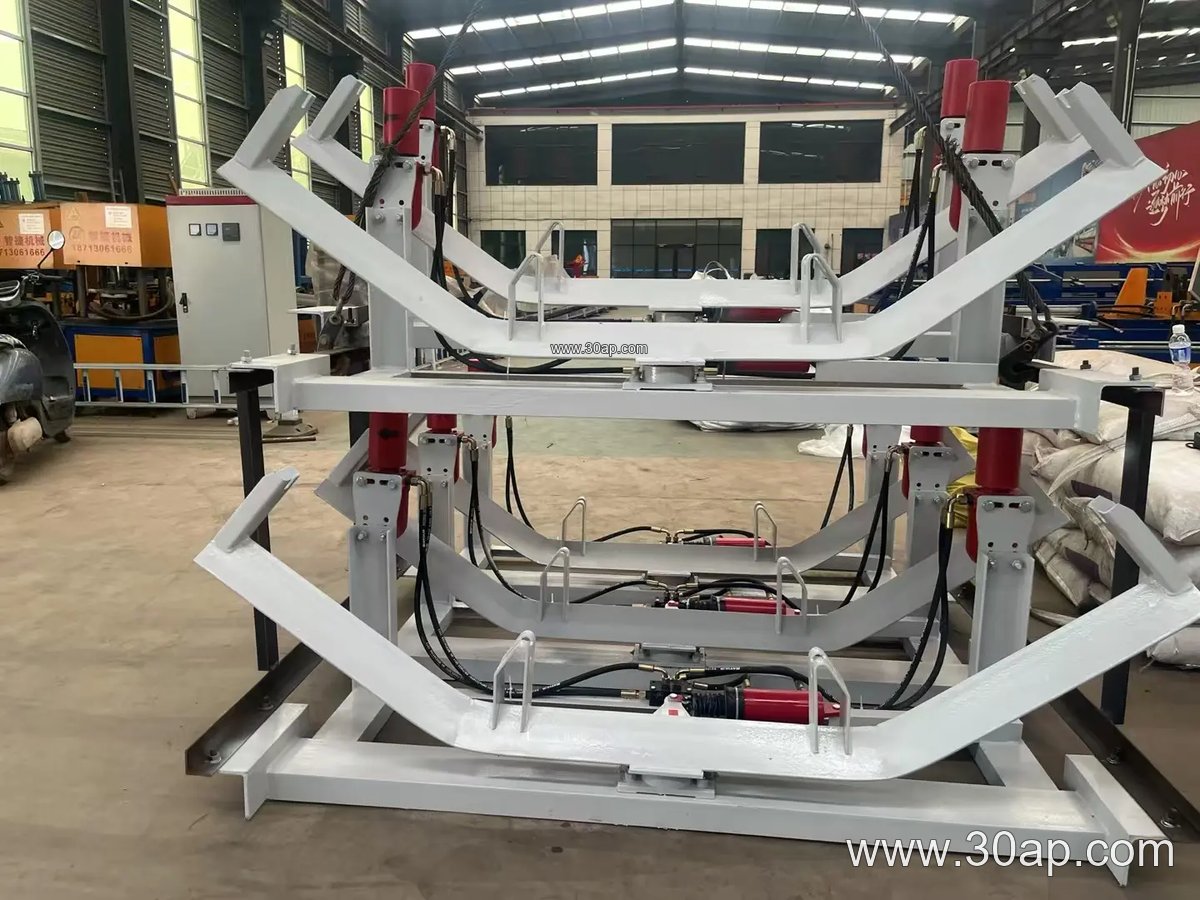
Adjustable brackets let maintenance teams change the trough angle within a range, which is useful when the same structure handles different materials. Fixed brackets are simpler and more rigid, and are common where the conveyor profile never changes. A belt conveyor in a sand and gravel line might use a fixed 35-degree trough bracket for most of its length, while a loading zone uses impact brackets with cushioned rollers.
Matching Bracket, Belt Width and Roller Diameter
Bracket dimensions are not universal. The cross beam length, mounting hole spacing and roller seat position are usually determined by belt width, trough angle and roller diameter together. A common combination might be B800 with a 35-degree trough and Ø108 rollers, or B1200 with a 45-degree trough and Ø133 rollers. A narrower B650 line with a 30-degree trough often uses Ø89 rollers. These are typical references, not fixed rules, and final dimensions should follow the conveyor design.
| Belt Width | Typical Trough Angle | Common Roller Diameter |
|---|---|---|
| B500 | 20°–30° | Ø89 |
| B650 | 30°–35° | Ø89–Ø108 |
| B800 | 30°–35° | Ø108 |
| B1000 | 35°–45° | Ø108–Ø133 |
| B1200 | 35°–45° | Ø133 |
| B1400 | 35°–45° | Ø133–Ø159 |
| B1600 | 35°–45° | Ø159 |
| B1800 | 35°–45° | Ø159–Ø194 |
When specifying, confirm the belt width, the required trough angle, the roller diameter and the mounting interface with the stringer. Do not assume that one belt width can only match one trough angle or one roller size. Forward-tilted brackets commonly use a tilt of about 1.5 to 2 degrees to assist tracking, and this should be stated clearly in the inquiry.
Buyer Checklist Before Ordering
Start with the conveyor layout: carrying side or return side, fixed or adjustable, and the required trough angle. Then confirm the roller diameter, belt width and the bolt pattern on the existing structure. For replacement work, measure the old bracket or provide a drawing, because small differences in hole spacing can stop a new frame from fitting.
Material and coating matter as much as dimensions. A washdown area in a food or fertilizer plant may need galvanized or painted frames, while a dry aggregate conveyor can use standard painted steel. Where the belt carries abrasive ore or heavy rock, a rigid bracket paired with a suitable abrasion resistant conveyor belt and quality idler roller reduces vibration and premature failure.
Finally, ask how the bracket interacts with the rest of the system. The belt, the conveyor pulley and the bracket all influence tracking. A bracket that is square, level and correctly spaced gives the belt a stable path and helps the whole conveyor run smoothly in mining, power plant coal handling, steel plants and port loading operations.