What a Conveyor Belt Support Frame Does
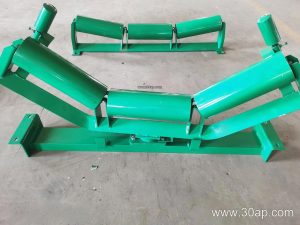
A conveyor belt support frame is the structural element that holds the idlers and, indirectly, the belt itself in the correct position along the conveyor line. It is not just a piece of steel; it determines the belt’s cross-section profile, keeps the belt tracking properly, and absorbs the load from the material being carried. In a quarry, a cement plant, or a power plant coal yard, these frames are the silent workhorses that keep bulk material moving. They are distinct from the drive pulley, tail pulley, or bend pulley, which transmit power and change belt direction—the support frame only supports.
Construction and Common Materials
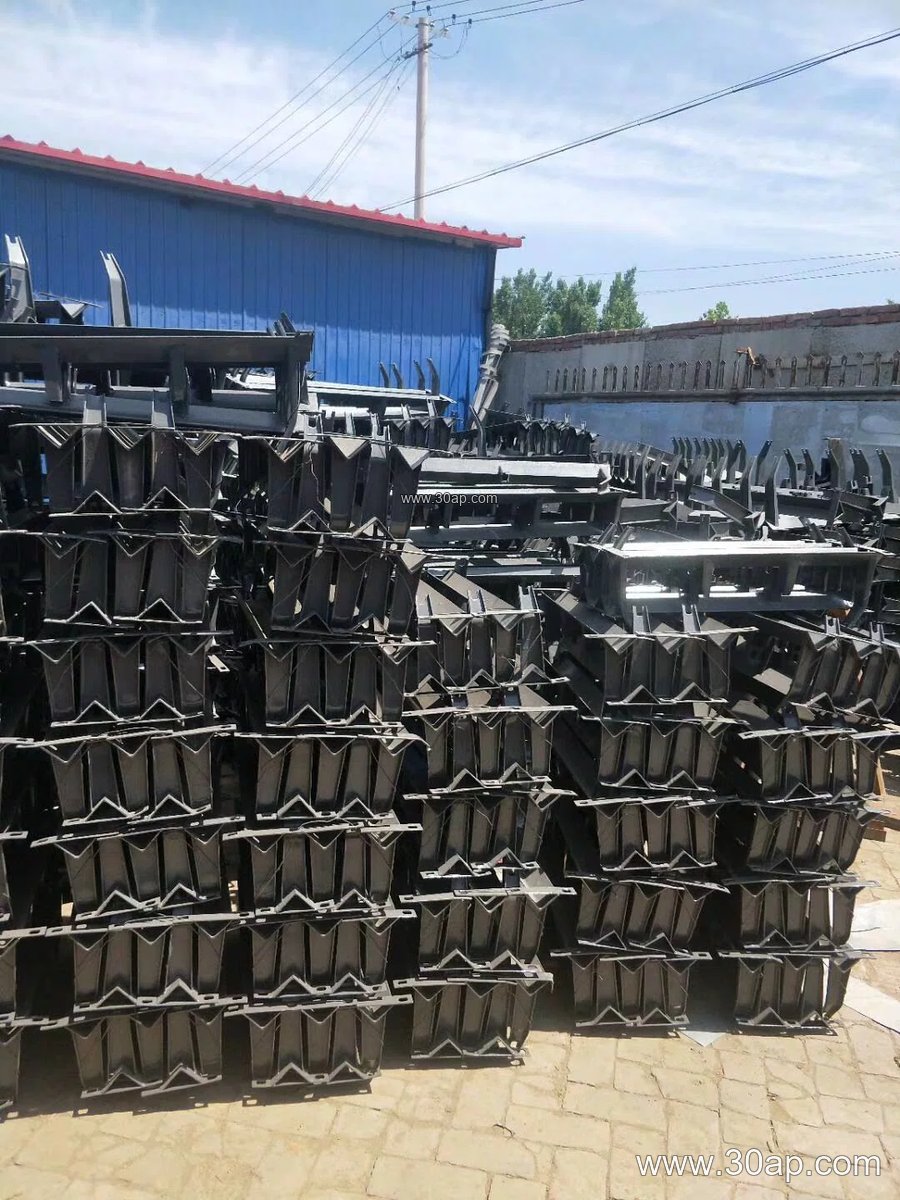
Most frames are fabricated from angle steel, channel steel, or formed steel plate. The choice depends on the load and the environment. For a typical 800mm wide belt carrying aggregate, a channel steel frame with a 35-degree trough angle and Ø108 idler rollers is common. In heavier duty applications, such as an iron ore mine using a steel cord conveyor belt, the frame may be reinforced with thicker sections and designed to hold Ø159 rollers. The frame’s crossbeam length and mounting hole spacing are not fixed; they vary with belt width, trough angle, and the specific idler roller chosen.
Types and Their Roles
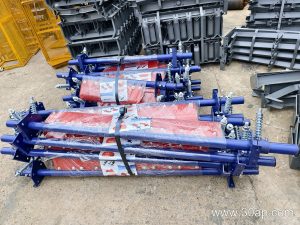
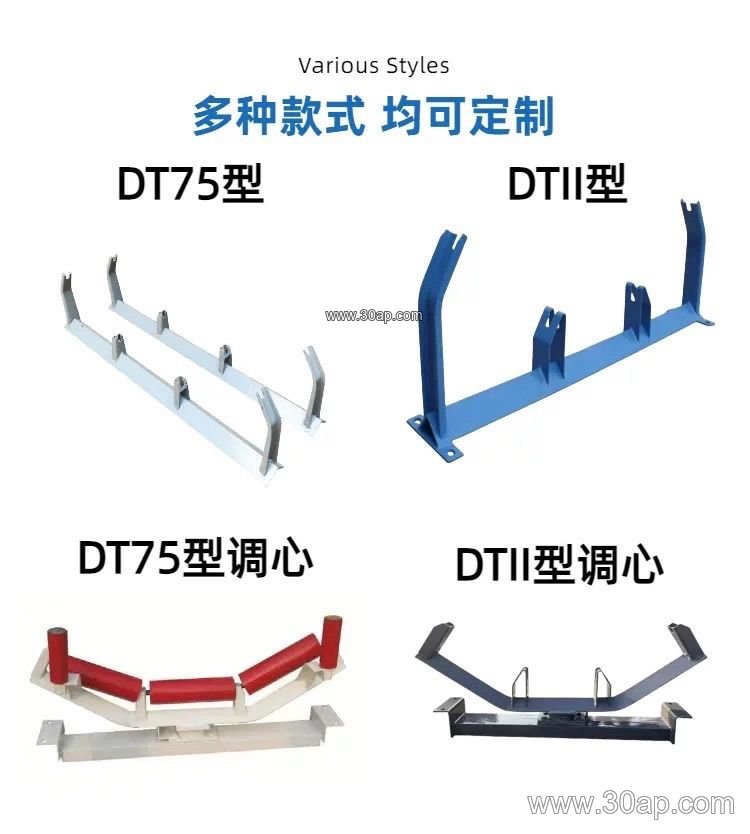
Support frames come in several subtypes, each with a specific job. The most common is the troughing frame (or carry frame), which supports the loaded side of the belt. It can be fixed at a set trough angle or adjustable, allowing angles like 20, 30, 35, or 45 degrees to be selected. Transition frames are used near pulleys to gradually change the belt from flat to troughed. Return frames support the empty belt, often with a V-shaped or flat arrangement. Impact frames, fitted with impact idlers, are placed at loading points to absorb the shock of falling material. Self-aligning frames help correct belt misalignment, and suspended frames are used where space is tight. Each type is engineered for its location and duty.
Key Parameters for Selection
When specifying a conveyor belt support frame, several parameters matter. The belt width (B500 to B2200) dictates the frame’s span. The trough angle affects both the material capacity and the frame geometry. The idler diameter (Ø89, Ø108, Ø133, Ø159, Ø194) must match the frame’s mounting brackets. The frame material and finish should suit the environment—for example, a coal mining conveyor belt may require frames with anti-corrosion treatment. The table below lists some common combinations, but these are examples, not mandatory pairings.
| Belt Width | Trough Angle | Idler Diameter | Typical Application |
|---|---|---|---|
| B650 | 30° | Ø89 | Sand and gravel line |
| B800 | 35° | Ø108 | Cement plant clinker transport |
| B1000 | 35° | Ø133 | Power plant coal handling |
| B1200 | 45° | Ø133 | Iron ore primary crushing |
| B1400 | 35° | Ø159 | Port bulk terminal |
| B1800 | 45° | Ø159 | Large mining conveyor |
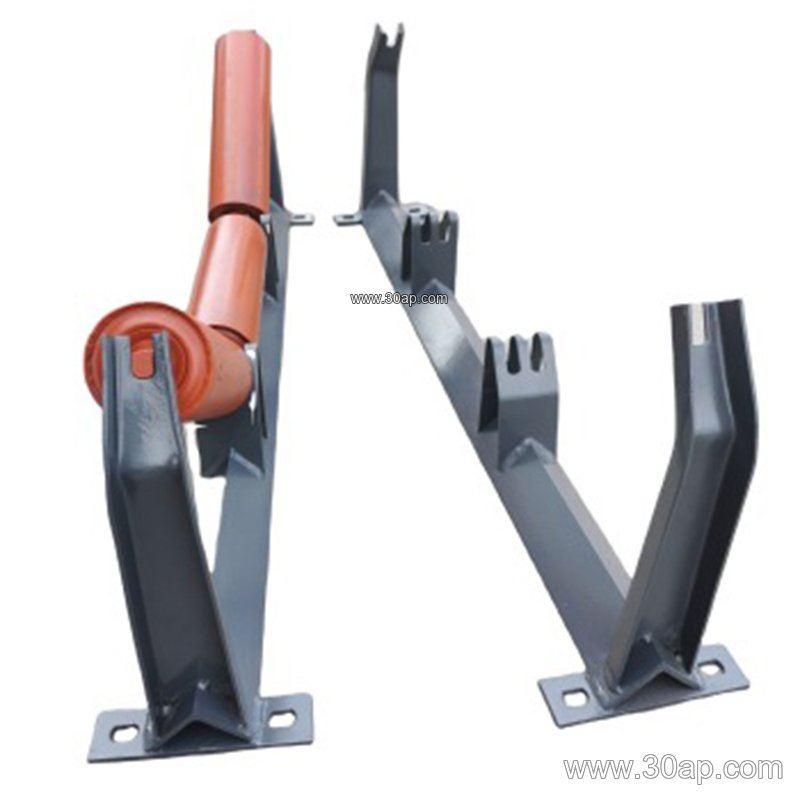
Note that a single belt width can be used with different trough angles and idler diameters depending on the conveyor design. For instance, a B1200 belt might use a 35-degree frame with Ø133 idlers in one section and a 45-degree frame with Ø159 idlers in another. The frame’s design must always match the selected idler roller and the belt’s requirements.
Where These Frames Are Used
You will find conveyor belt support frames in almost any bulk material handling operation. In a limestone quarry, they support the belt that carries crushed rock from the crusher to the stockpile. In a coal-fired power plant, they hold the idlers under the coal mining conveyor belt that feeds the boiler. In a cement plant, they are part of the network that moves raw meal and clinker. The frames also play a role in keeping the belt aligned, which extends the life of the conveyor belt and reduces spillage.
Buyer’s Checklist
Before purchasing support frames, consider the following: the belt width and trough angle required for your conveyor; the idler diameter and mounting dimensions; the material and coating for your environment (e.g., corrosive, abrasive, or high-temperature); the frame type (fixed, adjustable, impact, transition, return); and the installation method (bolted or welded). Also, think about future maintenance—adjustable frames can be beneficial if you anticipate changes in belt loading. Always request drawings that show hole spacing and crossbeam dimensions, as these are not universal. Finally, ensure the frames are compatible with your conveyor pulleys and brackets to avoid assembly issues.
For more information on related components such as the conveyor belt itself, idler rollers, or conveyor pulleys, feel free to browse our site. A well-chosen support frame is a small investment that pays off in reliable, long-term operation.