What a Coal Mine Conveyor Idler Does Underground
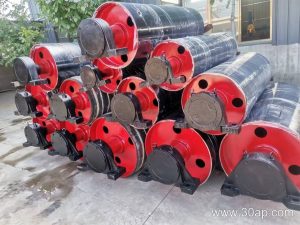
In an underground coal mine, a conveyor idler roller supports the loaded belt and keeps it tracking between the head and tail. The coal mine conveyor idler is built for wet, dusty, and often gassy conditions. It is not a drive pulley or a bend pulley; those parts transmit power and change belt direction. The idler only carries the belt and material, but its reliability affects the whole coal mining conveyor belt system. A failed roller can rub a flame retardant conveyor belt, raise friction, and force an unplanned stop.
Construction and Common Surface Forms
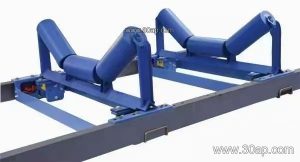
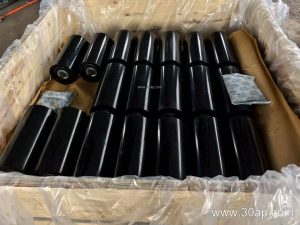
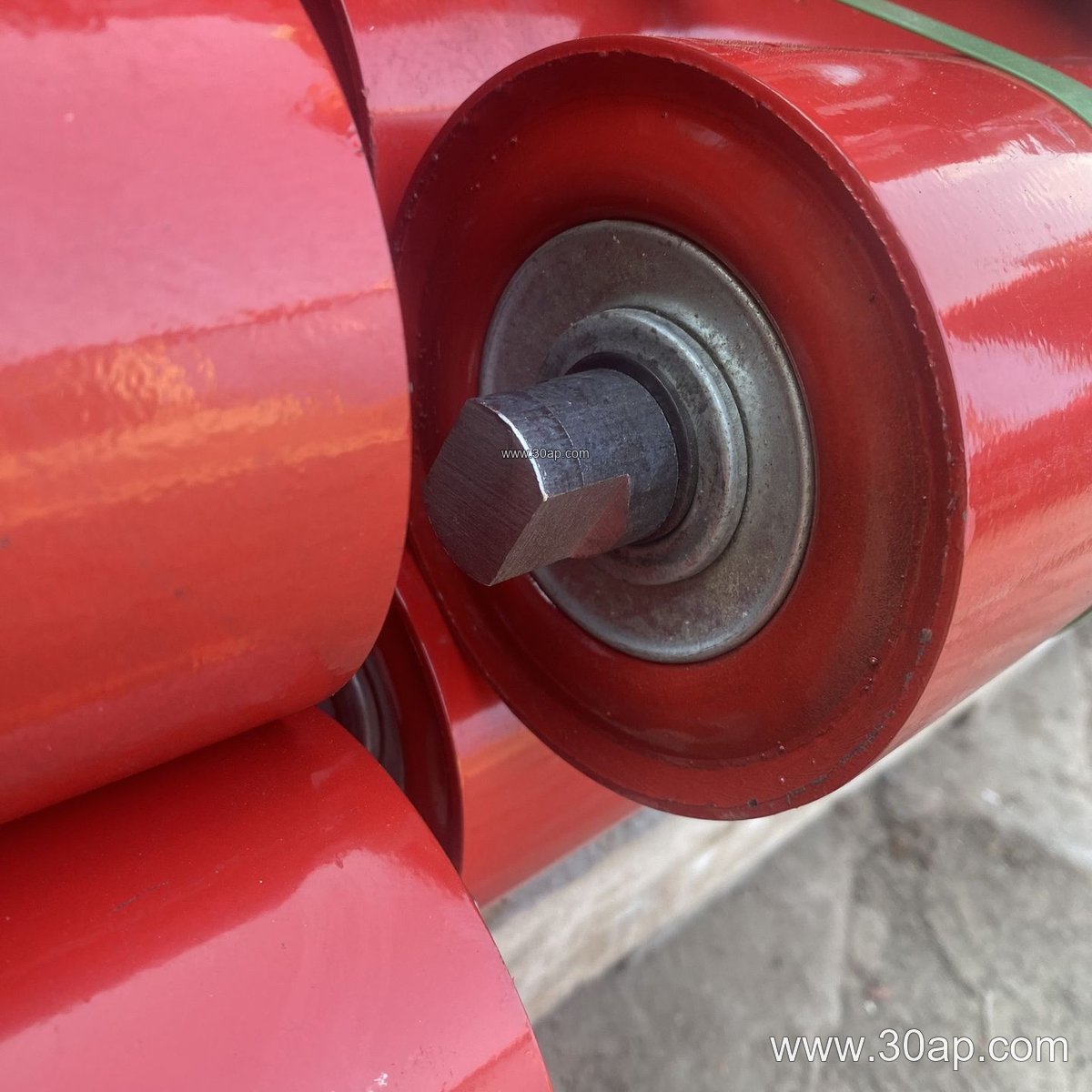
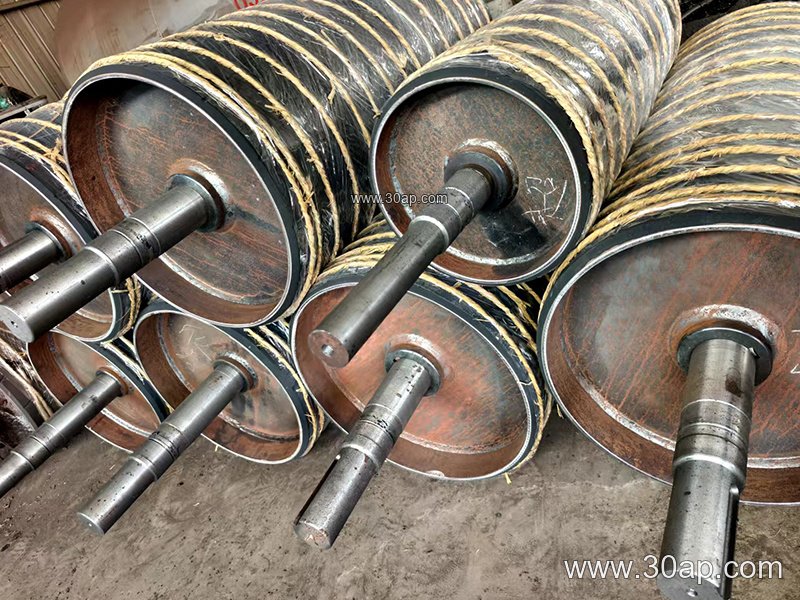
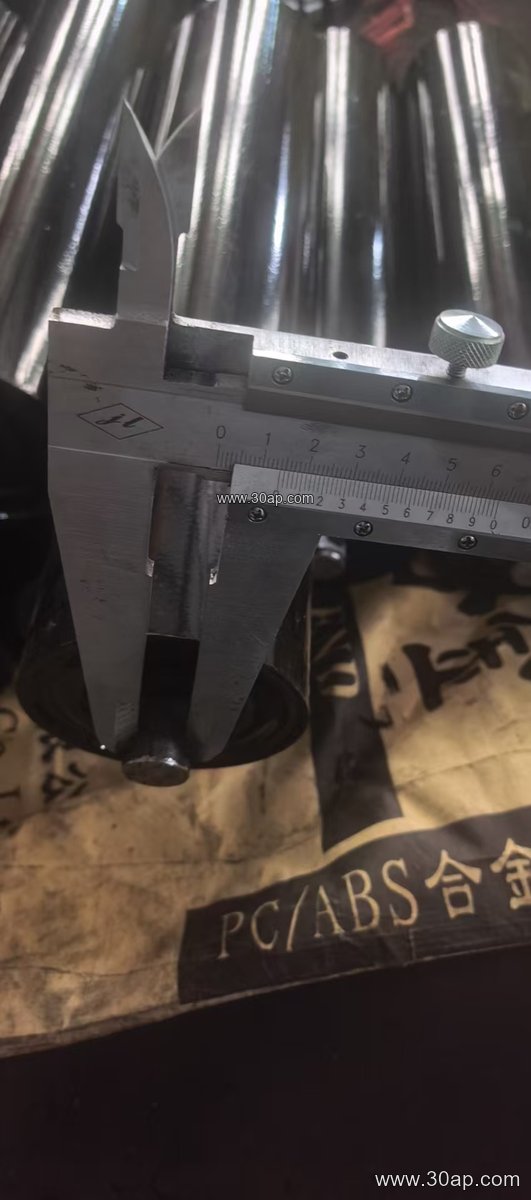
A typical coal mine conveyor idler uses a steel tube shell, bearing housings, a shaft, and a sealing system. Roller diameters commonly range from Ø63 to Ø219 mm, with Ø89, Ø108, Ø127, and Ø159 seen in many underground and surface coal lines. Bearing numbers such as 6204, 6205, 6305, 6306, 6308, and 6310 appear depending on load and shaft design. Do not assume one bearing number matches only one roller diameter. Surface options include plain steel, nylon, ceramic, and rubber rings. Rubber ring impact idlers are useful at transfer points where coal drops onto the belt.
Where Coal Mine Conveyor Idlers Are Used
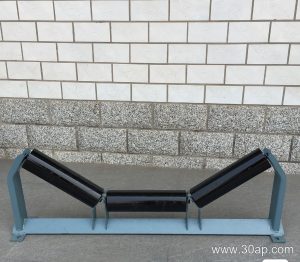
These idlers appear in main haulage drifts, gate roads, surface coal handling plants, and wash plants. A coal mining conveyor belt often runs on three-roll troughing sets with a 20, 30, 35, or 45 degree trough angle. The same idler roller design can be found in a power plant coal yard or a cement plant that burns coal, but the underground coal mining conveyor belt environment demands attention to flame retardant and anti-static properties in the belt itself. For the return strand, flat or V-return idlers are common; these are different from the troughing idlers on the carrying side.
Matching Idler Size to Belt Width
Roller length changes with belt width, trough angle, and idler arrangement. Common examples for three-roll troughing sets are shown below. These are reference values, not fixed pairings, and side rollers may differ from the center roller.
- B500: about 200 mm roller length
- B650: about 250 mm
- B800: about 315 mm
- B1000: about 380 mm
- B1200: about 465 mm
- B1400: about 530 mm
- B1600: about 600 mm
- B1800: about 670 mm
- B2000: about 750 mm
Belt widths from B400 to B2400 are used across mining and bulk material handling. A 1200mm wide conveyor belt or an 1800mm wide conveyor belt may use different idler diameters and bearing sizes depending on load. The belt width alone does not set the shaft diameter; design load, spacing, and safety factor decide that.
Selection Notes for Buyers
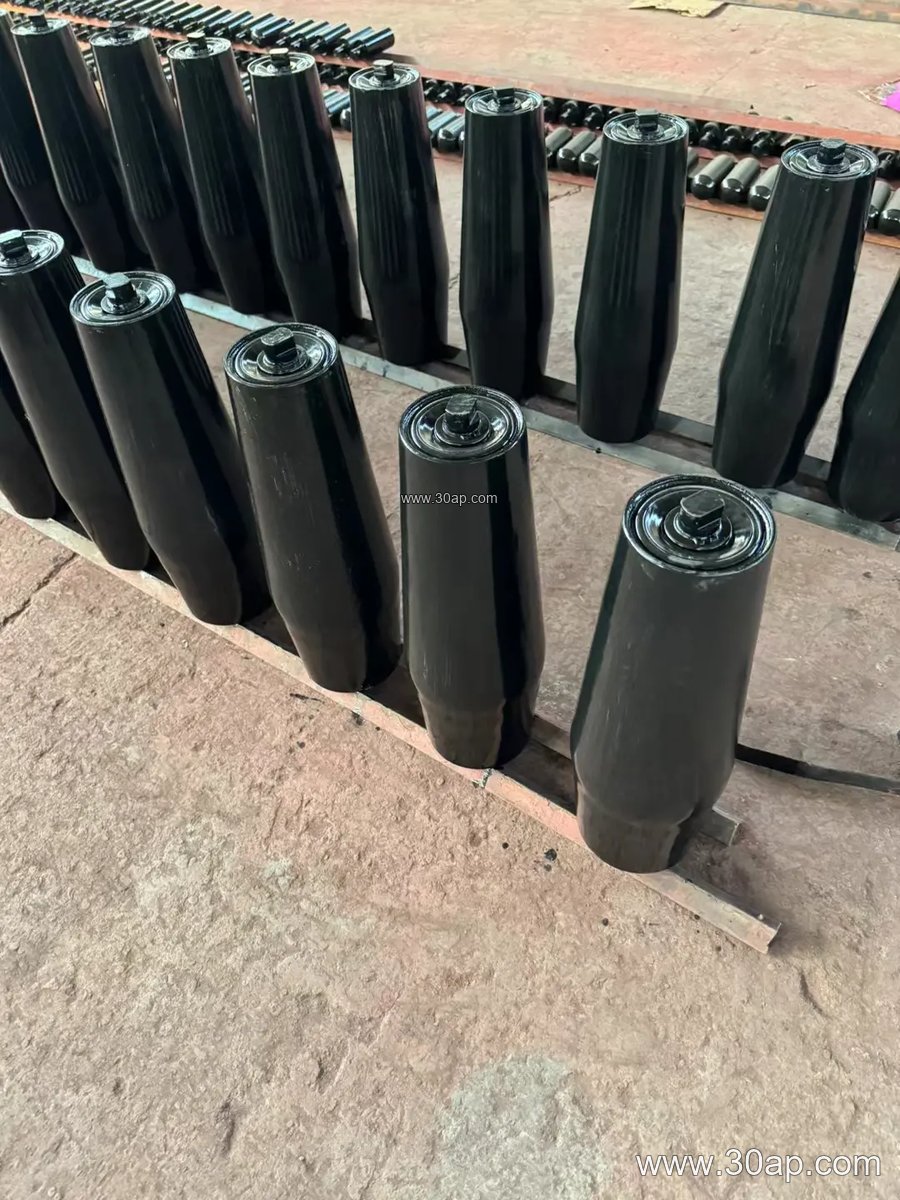
Ask for the intended trough angle, belt width, and material lump size. For coal with high impact at the loading point, specify rubber ring buffer idlers or impact idlers. For sticky coal, self-cleaning spiral idlers may help, but they are not a replacement for proper belt cleaning. Check that the idler seal suits dust and water. A flame retardant conveyor belt and an anti-static conveyor belt are often required underground; the idler itself should have conductive or anti-static options where the site requires them. Buyers comparing quotations should confirm roller wall thickness, bearing brand or grade, and seal type rather than only the outside diameter.
Maintenance and Replacement
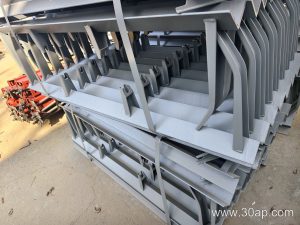
Inspect idlers for seized bearings, worn shells, and missing rubber rings. A noisy or hot roller should be replaced before it damages the conveyor belt. Keep spare idlers of each diameter and length used on the line. When replacing a roller, check the conveyor bracket and frame for alignment; a bent bracket can cause belt mistracking even with a new idler. For long coal mine conveyor runs, scheduled idler rotation checks help find early failures. The goal is steady support for the conveyor belt, not maximum roller count.