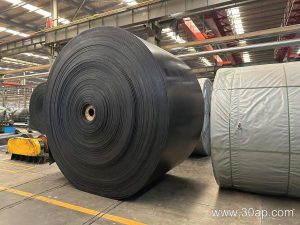
What a 1400mm Conveyor Belt Is
A 1400mm conveyor belt is a wide belt format with a nominal width of 1400 millimeters. In the trade it is also described as a 1400mm wide conveyor belt, and it sits between the common 1200mm and 1500mm sizes. This width is chosen when a conveying line must move a high tonnage of bulk material without making the belt run unnecessarily fast. It is a belt width, not a belt type, so the same 1400mm format can be supplied as an EP conveyor belt, an NN conveyor belt, a steel cord conveyor belt or a special-purpose construction.
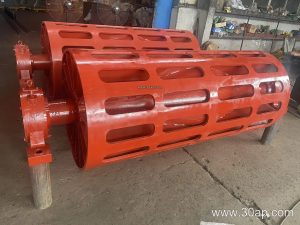
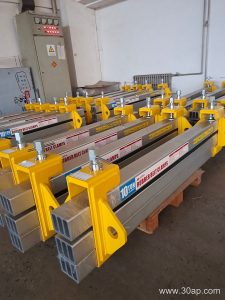
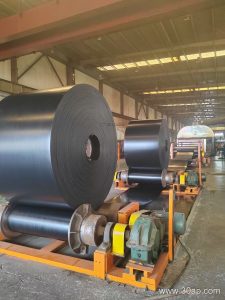
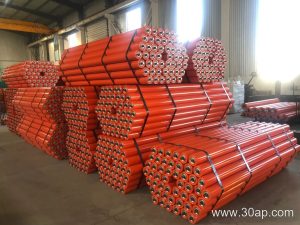
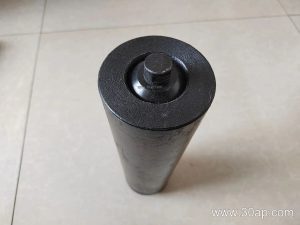
Typical users include mines, coal preparation plants, cement works, power stations, quarries, sand and aggregate yards, ports and heavy bulk terminals. In these places the belt works alongside conveyor pulleys, idler rollers and conveyor brackets that are sized for the load and the belt width.
How the Belt Is Built
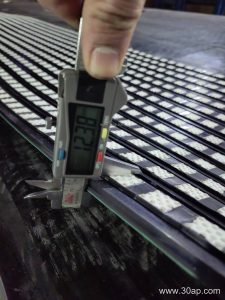
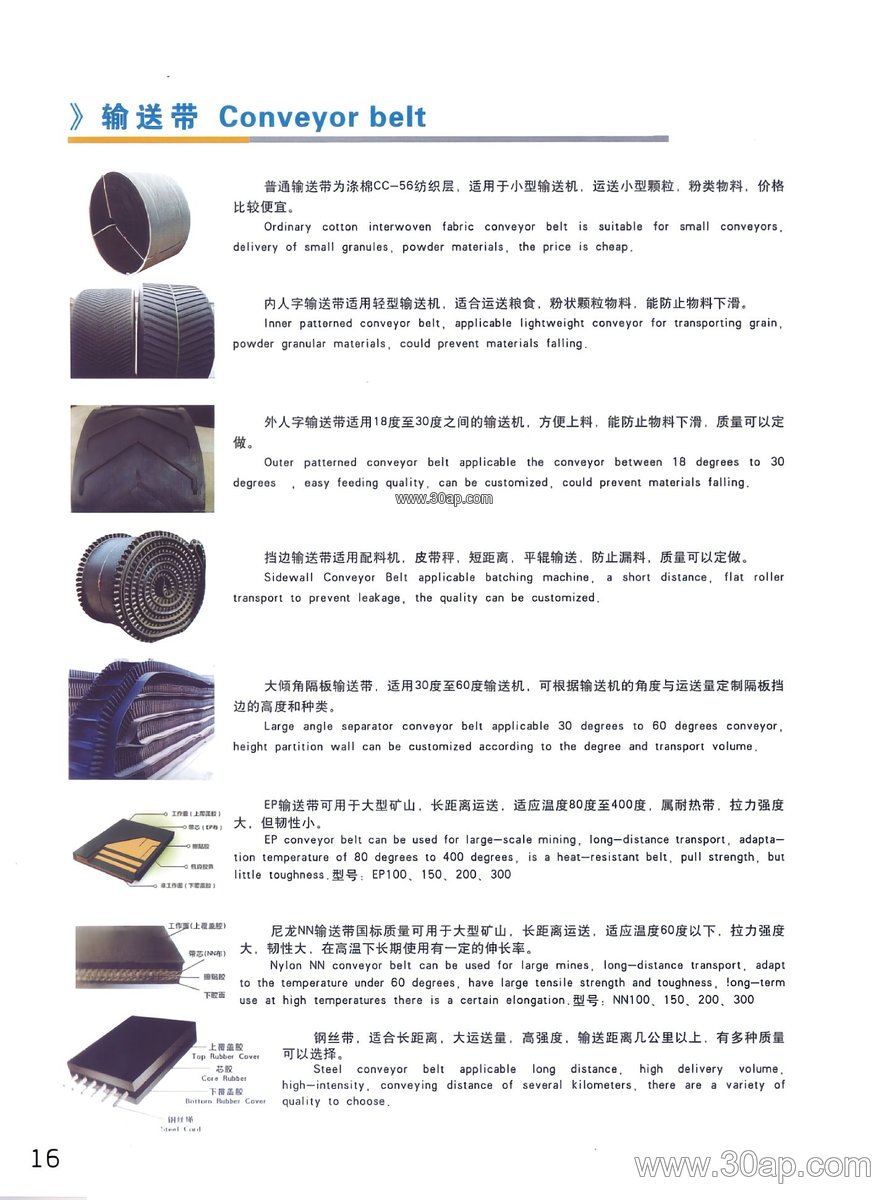
A fabric-core belt has tension-carrying plies under top and bottom rubber covers. Common carcass designs use 2 to 6 plies, and cover gauges are often quoted in pairs such as 4+2 mm, 5+2 mm or 6+2 mm. Steel cord belts use parallel steel cords instead of fabric plies and are chosen for long runs and high tension. Surface forms can be plain, chevron or corrugated sidewall, depending on whether the route is inclined or the material must be contained at the edges.
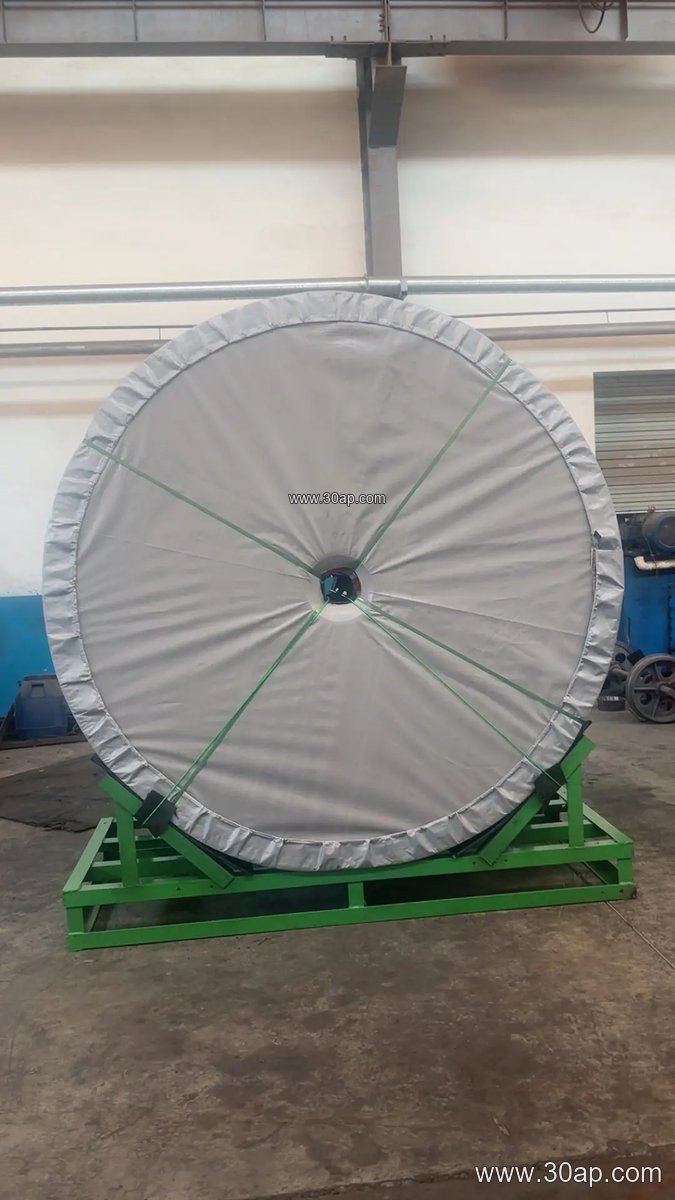
For a wide belt, the carcass must resist edge stress and tracking drift, and the splice must be made to match the belt construction. A 1400mm belt is often ordered as an endless conveyor belt for fixed-length installations, which removes a mechanical joint from the circuit and reduces snagging risk at the loading point.
Common Constructions and Reference Values
The following values are reference data only. Actual supply is confirmed by the manufacturer and by the conveyor design, because tension, pulley size, load and environment all affect the final specification.
| Item | Reference options |
|---|---|
| Belt width | 1400 mm (B1400) |
| Fabric carcass | EP or NN, 2 to 6 plies |
| Strength grades | EP200, EP315, EP400, EP500, EP630, EP800, EP1000, EP1250 |
| Steel cord grades | ST1000, ST1250, ST1600, ST2000 |
| Cover thickness | 3+1.5 mm, 4+2 mm, 5+2 mm, 6+2 mm, 8+3 mm |
| Surface forms | Plain, chevron, corrugated sidewall, skirted |
| Special grades | Abrasion resistant, heat resistant, oil resistant, flame retardant, anti-static, cold resistant |
Grade selection follows the duty. An abrasion resistant conveyor belt suits crushed rock and ore, a heat resistant conveyor belt suits clinker and sinter, and a flame retardant conveyor belt is usual in coal mining and underground coal mining work. A 1400mm belt in a quarry may be an EP400 or EP630 construction, while a long overland run may justify a steel cord grade such as ST1600.
Where the Width Fits
Wider belts reduce the linear speed needed for a given capacity and can lower dust generation at transfer points. A 1400mm format is common on primary crusher discharge, plant feed lines and stockyard conveyors. It also appears in cement plant raw-material handling, power plant coal yards and port ship loading systems.
Width alone does not decide the pulley or shaft size. Drive pulleys, tail pulleys and bend pulleys are selected from belt tension, wrap angle, load and the conveyor frame, so a 1400mm belt may run on more than one pulley diameter depending on the duty. The same applies to idler roller spacing, which is set by belt sag limits and material weight rather than by width alone.
Buyer Checklist
- State the material, lump size, tonnage per hour and incline so the carcass grade and surface form can be matched.
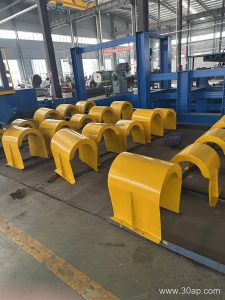
- Confirm the belt width and the pulley face width, and check that the conveyor frame and conveyor brackets accept the wider belt.
- Ask for cover grade and thickness in writing, for example 6+2 mm abrasion resistant or 5+2 mm flame retardant.
- Confirm splice type, whether the belt is endless, and the minimum pulley diameter allowed by the carcass.
- For hazardous areas, specify anti-static and flame retardant properties together with the required grade.
For a 1400mm conveyor belt, the practical answer is to treat width as one input among several. Matching the belt construction to the conveyor pulleys, idler rollers and loading conditions gives a longer service life than choosing a size alone.