Introduction to Mining Conveyor Pulley Lagging Options
In heavy-duty bulk material handling operations such as a busy cement plant clinker line or an aggregate crushing circuit, the interface between the rotating steel shell and the pulling medium requires careful engineering. A high-performance mining conveyor pulley relies heavily on its external surface treatment to transmit driving torque effectively, manage wet or abrasive conditions, and prevent premature wear. When matching components with heavy-duty mining conveyor belts, selecting the correct lagging profile determines whether a system runs smoothly or suffers from constant slippage.
Understanding Pulley Shell Surfaces and Cover Materials
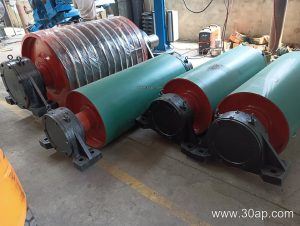
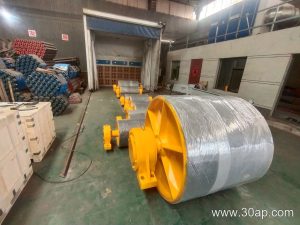
The outer shell of a mining conveyor pulley can be manufactured in several configurations depending on its specific function within the system. While plain bare steel shells work well in low-tension, dry environments, most demanding industrial applications utilize various forms of rubber or ceramic coverings. These surface treatments increase the friction coefficient between the rotating element and the underside of the heavy-duty conveyor belt, reducing tension requirements and extending service life.
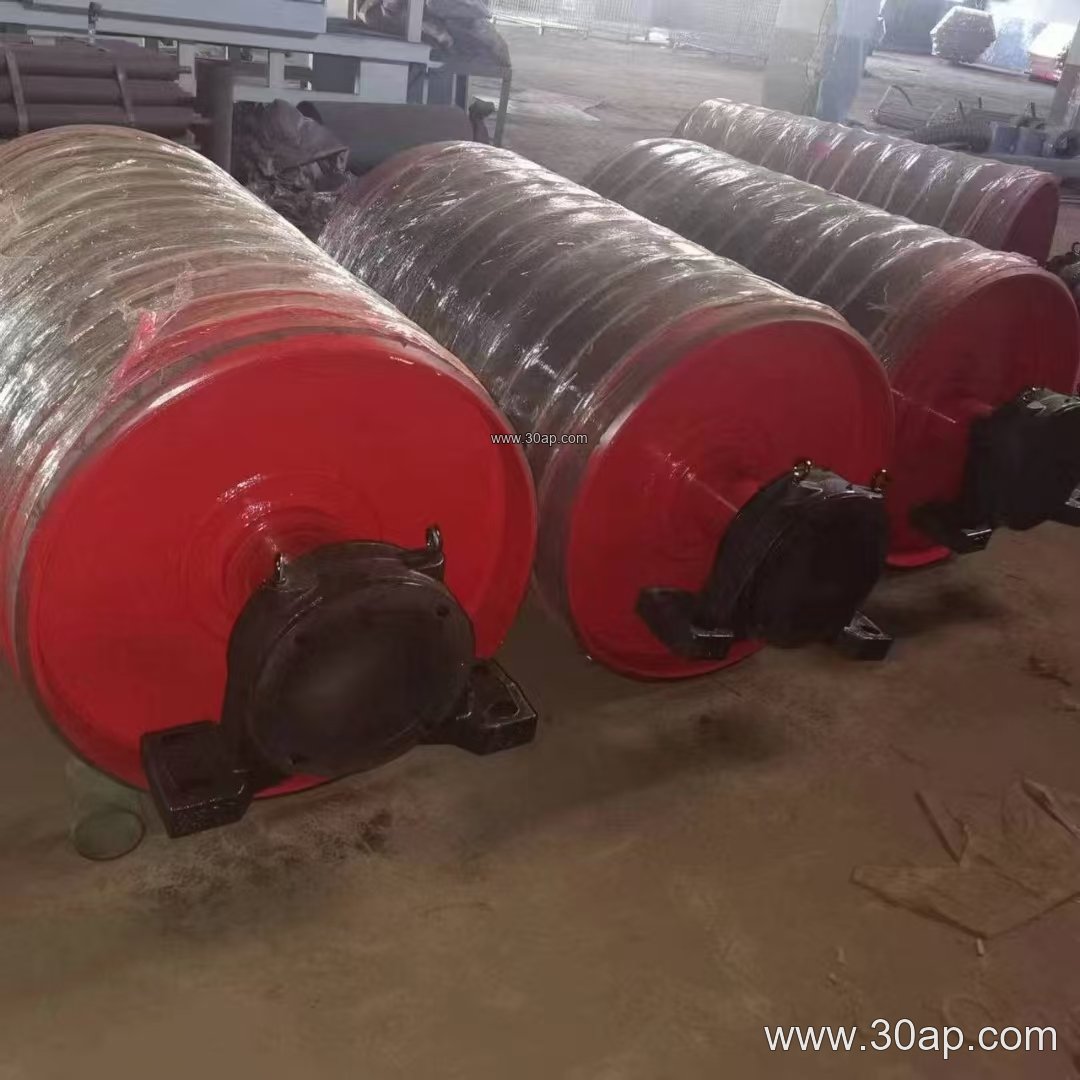
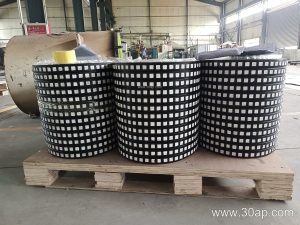
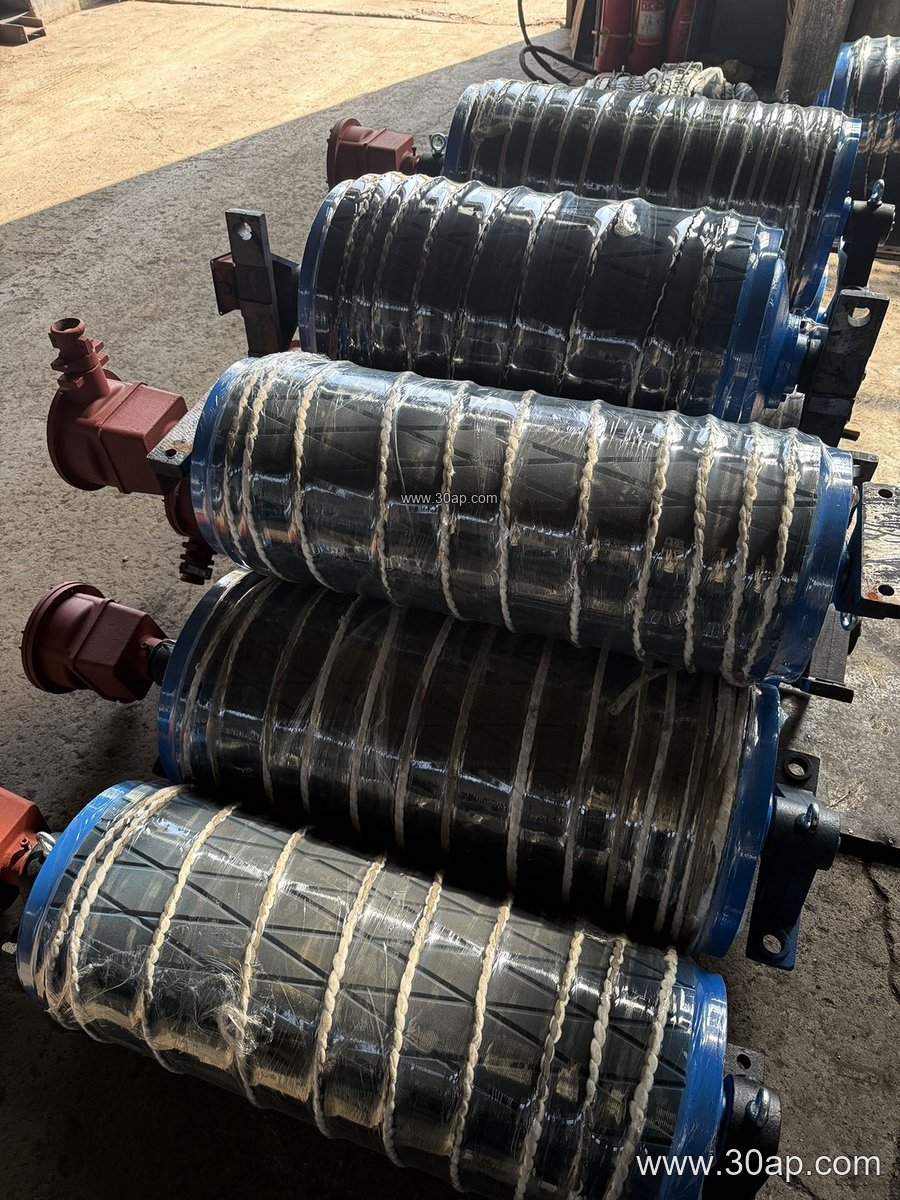
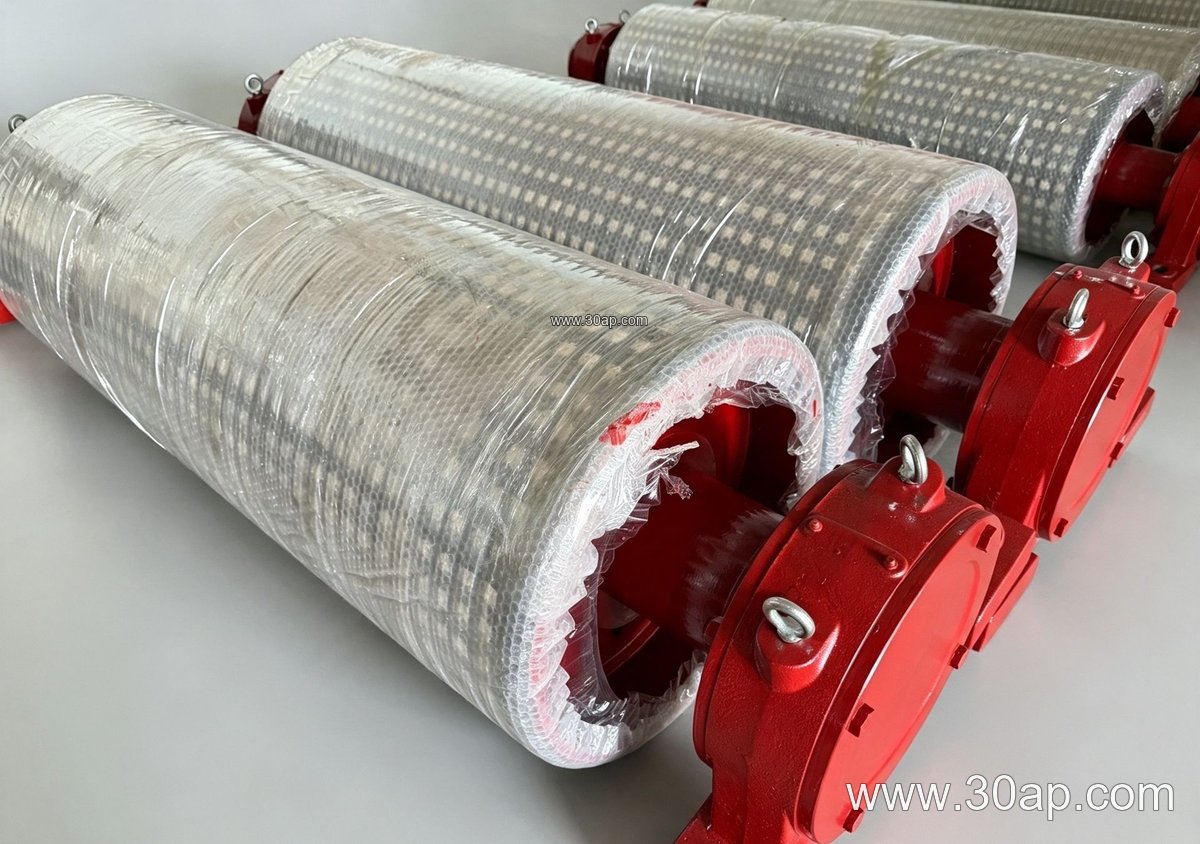
Common surface treatment options include plain rubber, diamond patterned rubber, chevron patterns, and embedded ceramic tiles. For facilities processing abrasive aggregate or heavy rock, ceramic lagging provides exceptional resistance against wear, whereas patterned rubber helps channel away moisture and debris in outdoor environments.
Common Technical Parameters and Size Reference
Engineering a reliable heavy-duty conveyor system involves matching various geometric and mechanical parameters. While exact configurations depend on calculated loads, torque requirements, and environmental factors, standard design practices utilize established dimensional references. The following tables outline common dimensional ranges used in heavy bulk material transport applications.
Bandwidth and Corresponding Shell Width Reference
- B400: Shell width approx. 500 mm
- B500: Shell width approx. 600 mm
- B650: Shell width approx. 750 mm
- B800: Shell width approx. 950 mm
- B1000: Shell width approx. 1150 mm
- B1200: Shell width approx. 1400 mm
- B1400: Shell width approx. 1600 mm
Available Shell Diameters and Lagging Thickness
- Diameters (mm): Ø200, Ø315, Ø400, Ø500, Ø630, Ø800, Ø1000, Ø1250
- Lagging Thickness Options: 8 mm, 10 mm, 12 mm, 15 mm, 20 mm
- Common Assemblies: B800 x Ø500, B1200 x Ø1000, B1400 x Ø800
Shaft sizing such as Ø80, Ø100, Ø140, or Ø180 mm is determined strictly through torque and bending moment calculations rather than relying solely on the width of the steel cord conveyor belt or multi-ply fabric core conveyor belt overhead.
Operational Integration with Belting and Support Frameworks
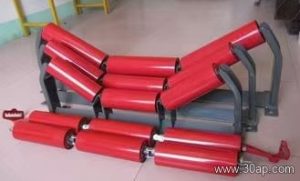
A mining conveyor pulley does not operate in isolation. It works in constant harmony with the running steel cord conveyor belt, keeping alignment stable alongside supporting equipment like conveyor brackets and impact conveyor idler rollers. Proper crown profiling and correct tensioning ensure that the pulling medium tracks truly across the cylindrical shell without wandering toward the structural frame.
Regular inspection of the surface lagging prevents sudden failures. Whether operating a high-capacity steel cord conveyor belt or a durable EP conveyor belt, checking for rubber wear, ceramic tile displacement, or material buildup ensures maximum uptime across demanding industrial processing lines.