Introduction to Surface Treatments on Heavy-Duty Rotating Components
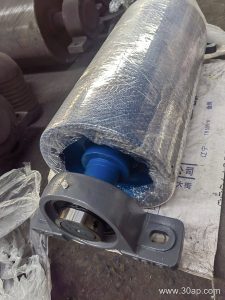
In heavy-duty cement plant operations, the interface between the rotating drive mechanism and the continuous hauling medium determines overall system efficiency. A High-Strength Pulley relies heavily on its external lagging to transmit rotational torque without slipping under severe loads. Selecting an appropriate surface form directly influences grip, wear resistance, and operational lifespan in clinker handling lines.
Surface Forms and Lagging Varieties
Different operational environments demand distinct surface profiles on the steel shell. Plain steel faces are occasionally utilized in low-tension, dry environments, but rubber-lagged and ceramic-faced configurations dominate heavy material transport. Designers can choose from several standard surface executions depending on whether the unit functions as a primary power transmitter or a secondary guidance point:
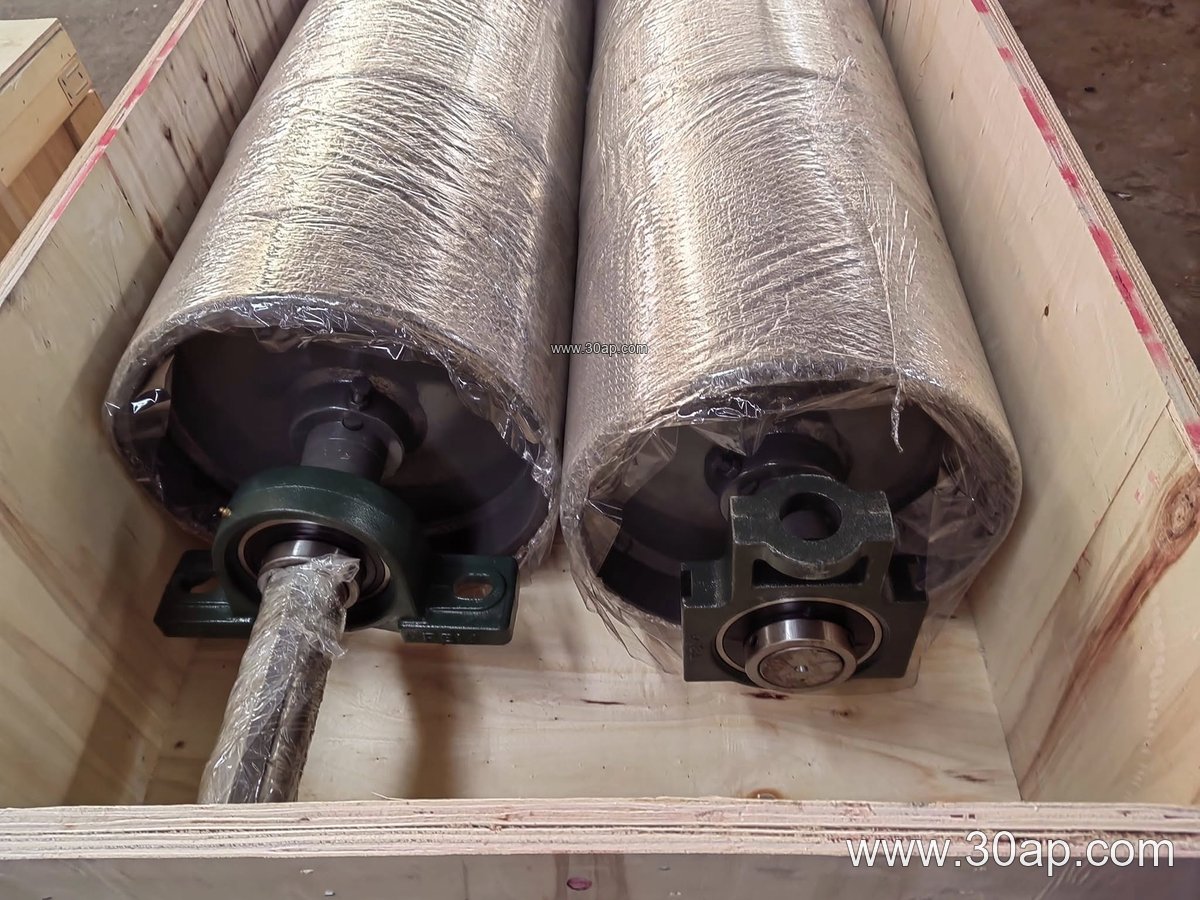
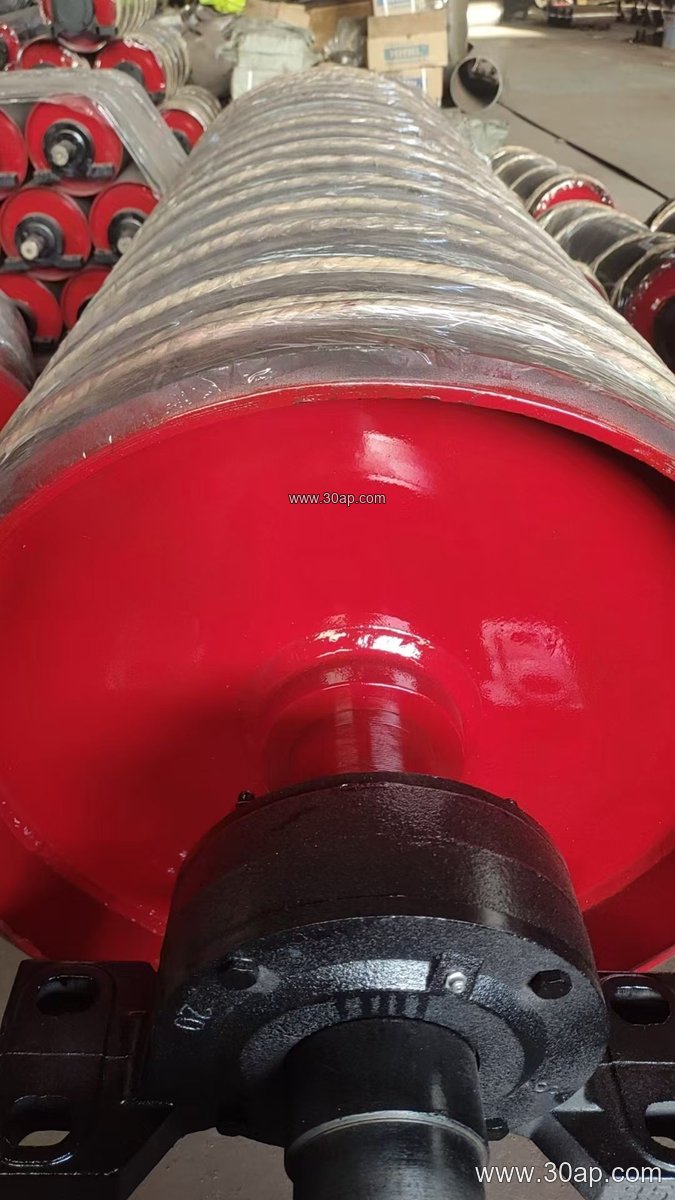
- Plain steel surface for light-duty or non-traction zones
- Cold-bonded rubber lagging for quick field maintenance
- Hot-vulcanized rubber lagging for superior bonding strength
- Diamond pattern rubber for bidirectional conveyance lines
- Herringbone or chevron grooved lagging for high-moisture settings requiring effective water drainage
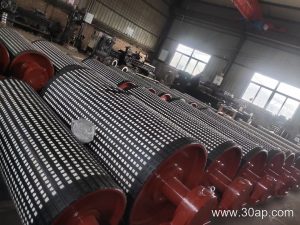
- Ceramic-faced lagging for extreme abrasive clinker and high-wear zones
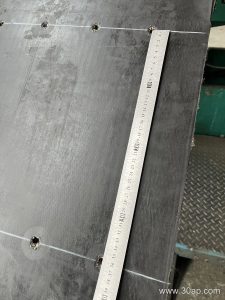
When pairing these rotating components with a robust Steel Cord Conveyor Belt or a high-capacity EP Conveyor Belt, surface friction must be calculated precisely to prevent thermal degradation of the rubber cover.
Reference Dimensions and Geometric Configurations
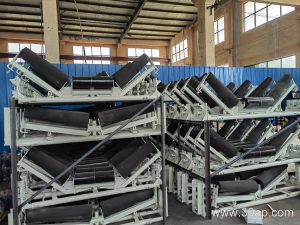
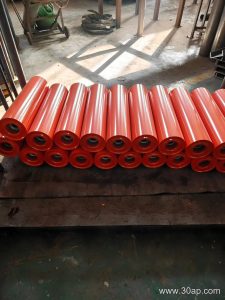
Cylinder geometry requires careful coordination between the nominal belt width and the corresponding shell dimensions. Lagging thickness typically ranges from 8 mm to 20 mm, acting as a protective cushion while increasing the friction coefficient. To ensure proper tracking alongside standard conveyor belt installations and aligned idler roller assemblies, cylinder face widths are engineered to exceed the fabric or steel web width.
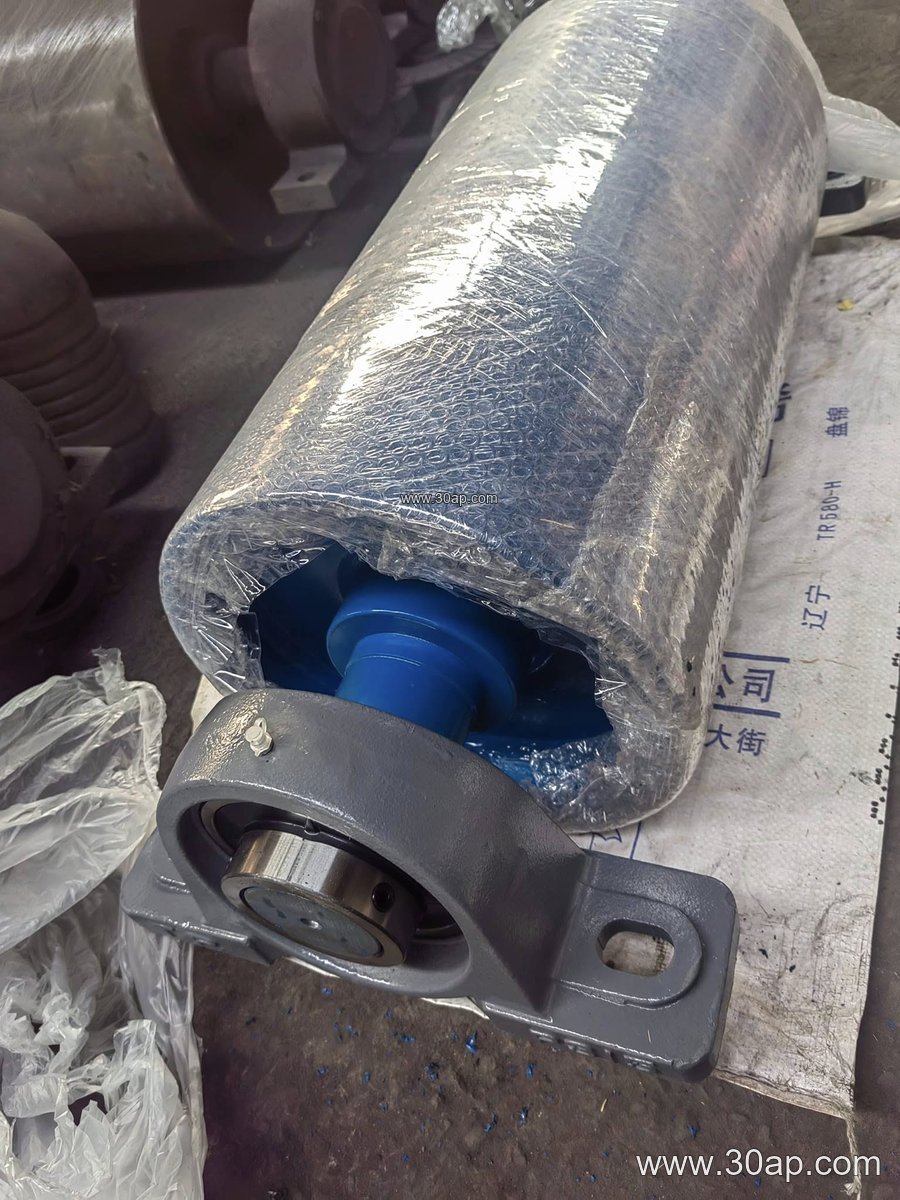
Below is a reference overview of typical structural dimensions utilized in heavy bulk handling systems:
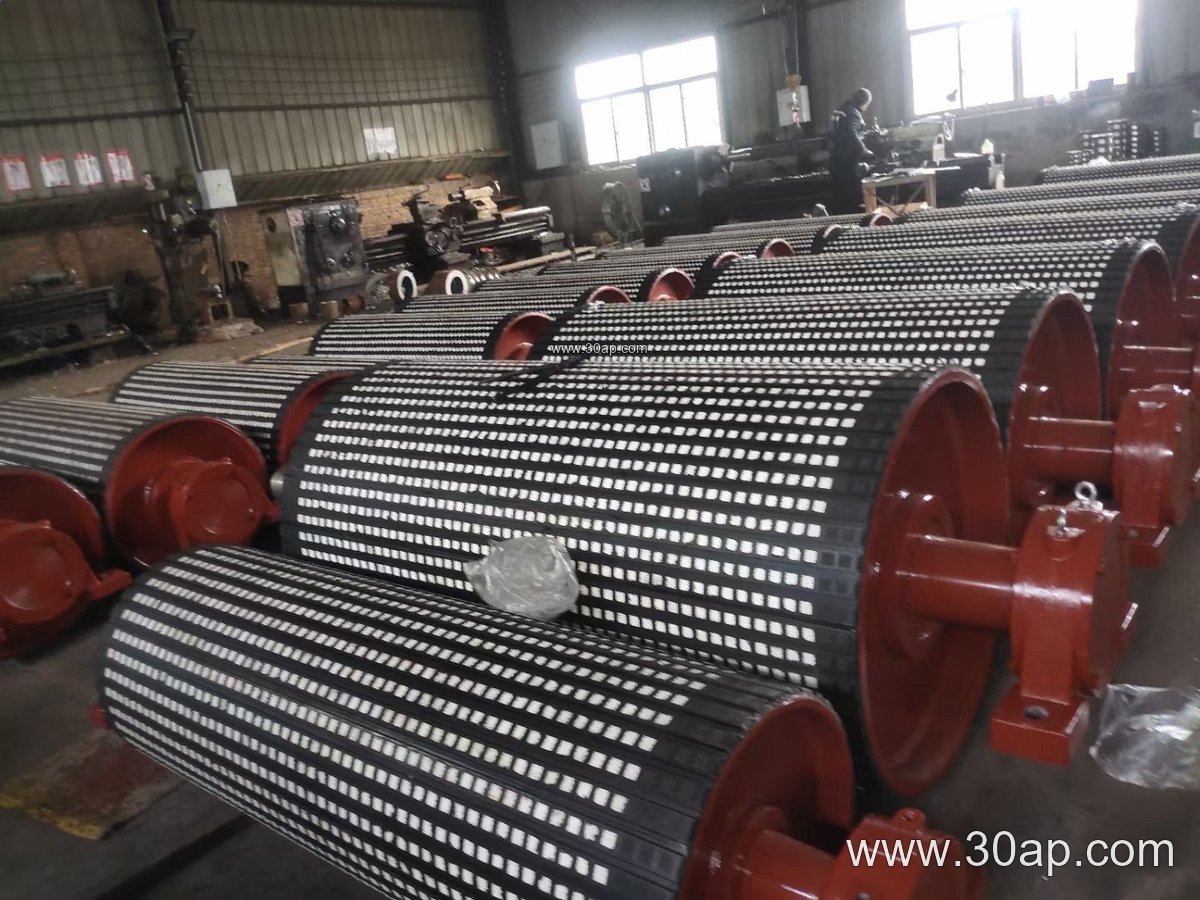
- B650 bandwidth typically pairs with an approximate 750 mm shell face
- B800 bandwidth typically pairs with an approximate 950 mm shell face
- B1000 bandwidth typically pairs with an approximate 1150 mm shell face
- B1200 bandwidth typically pairs with an approximate 1400 mm shell face
- B1400 bandwidth typically pairs with an approximate 1600 mm shell face
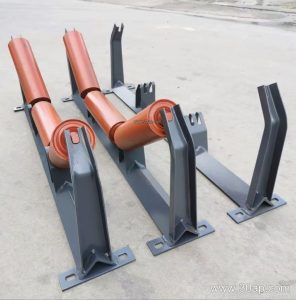
Common structural diameters span from Ø315 mm up to Ø1400 mm, while shaft thicknesses—such as Ø90, Ø100, Ø120, Ø140, or Ø160—are determined strictly through mechanical torque and load calculations rather than belt width alone. Structural conveyor bracket units must be secured rigidly to support these heavy rotational loads.
Matching Friction Profiles with Specialized Hauling Media
In facilities processing abrasive materials, selecting the correct lagging profile prevents premature slipping. When operating alongside an Abrasion Resistant Conveyor Belt or an Impact Resistant Conveyor Belt, a ceramic or thick rubber lagging distributes stress evenly across the contact area. Furthermore, in specialized thermal processing areas utilizing a Heat Resistant Conveyor Belt, specialized compound lagging prevents surface hardening and maintains consistent traction over extended service cycles.
Operational Maintenance and Design Considerations
Maintaining optimal performance of a High-Strength Pulley involves regular inspection of the lagging surface for uneven wear, tearing, or foreign material embedding. Operators must ensure that material spillage does not accumulate between the shell face and the moving web, which can damage both the rotating cylinder and the structural conveyor pulley components. Proper tensioning via dedicated take-up assemblies ensures that the friction coefficient remains stable throughout daily production shifts.