Introduction to EP630 Conveyor Belt Design
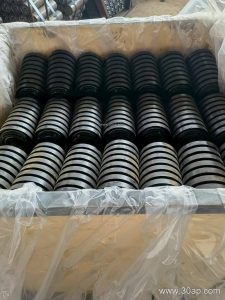
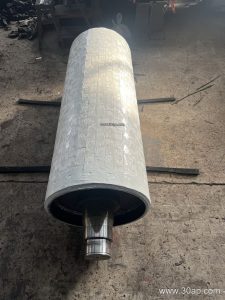
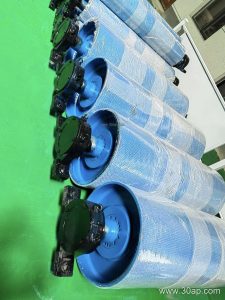
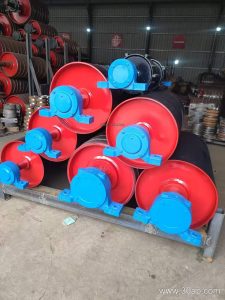
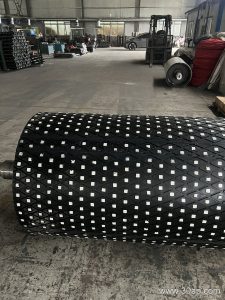
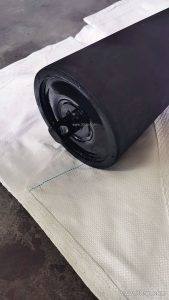
In demanding sectors such as mining, cement plants, and coal mines, material handling systems require reliable components to maintain continuous operations. The EP630 Conveyor Belt is engineered to deliver exceptional tensile strength and low elongation, making it a preferred choice for long-distance and high-load bulk material transport. Its core consists of polyester warp and nylon weft fabric, which provides high impact resistance and flexibility. Operators frequently pair this heavy-duty conveyor belt with precision-aligned idler roller assemblies and robust conveyor pulley units to optimize system efficiency and minimize belt edge wear.
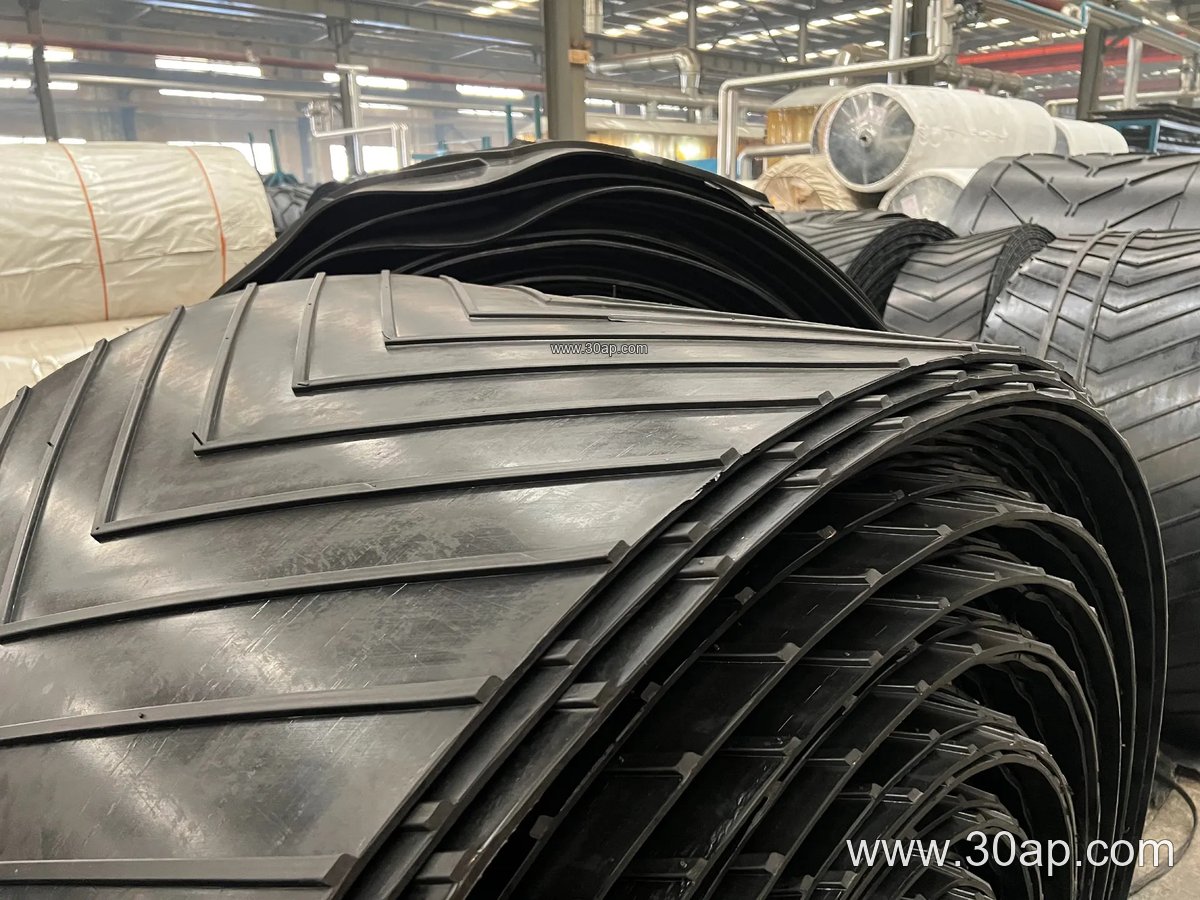
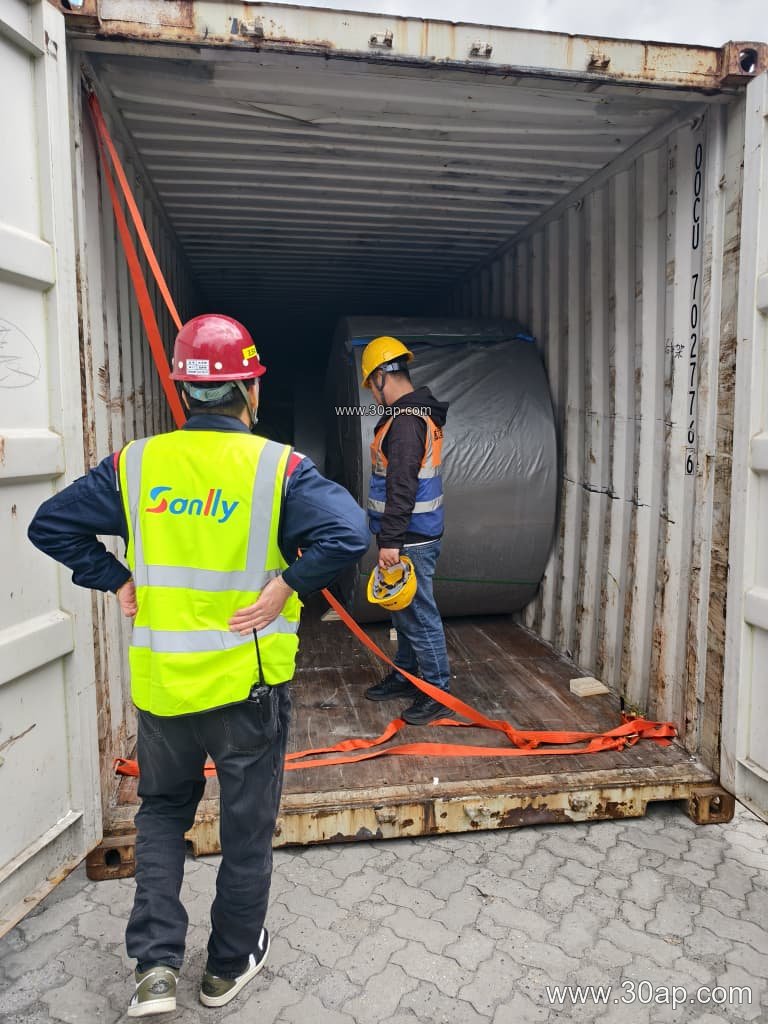
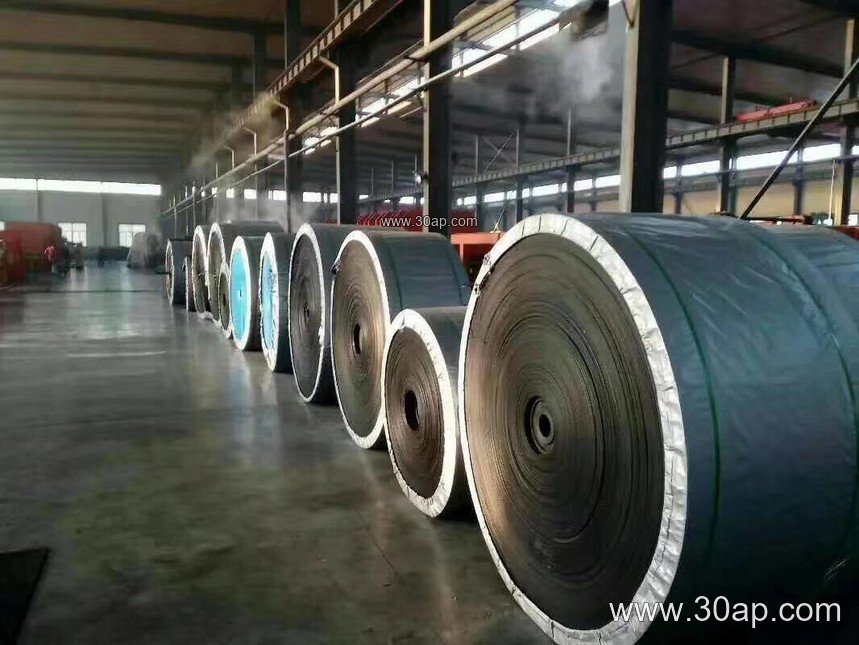
Technical Specifications and Structure
Understanding the dimensional and structural parameters is essential for proper integration into existing industrial layouts. A typical EP630 Conveyor Belt features multiple fabric plies combined with protective top and bottom rubber covers. The structural configuration can vary based on specific operational demands in quarries, aggregate plants, and power stations. Below is a reference table outlining typical structural and dimensional ranges found in industrial applications:
| Parameter Type | Common Industrial Range / Options |
|---|---|
| Tensile Strength Rating | EP630 (Other classes include EP400, EP500, EP800) |
| Available Band Widths (B) | B500, B650, B800, B1000, B1200, B1400, B1600, B1800, B2000 mm |
| Cover Rubber Thickness | Top cover: 3 to 8 mm; Bottom cover: 1.5 to 3 mm (e.g., 4+2, 5+2, 6+2 mm) |
| Fabric Ply Count | Typically 2 to 6 plies depending on design requirements |
| Rubber Compound Types | Abrasion resistant, flame retardant, oil resistant, or heat resistant |
Operational Application Across Industries
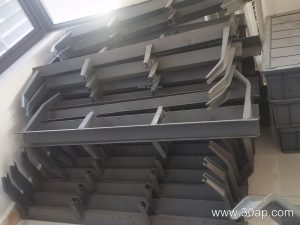
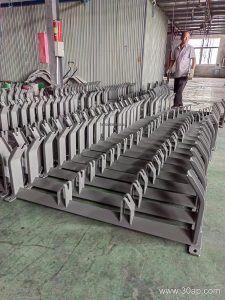
The versatility of the EP630 Conveyor Belt allows it to perform reliably across diverse heavy industries. In underground coal mining and surface quarries, it moves sharp rocks, abrasive ores, and crushed aggregates efficiently. When integrated with a strong conveyor bracket framework and supported by smooth idler roller setups, it reduces friction and energy consumption. Unlike lighter alternatives such as standard EP Conveyor Belt grades with lower breaking loads, the EP630 variant handles higher tension demands over extended center-to-center distances without excessive stretching.
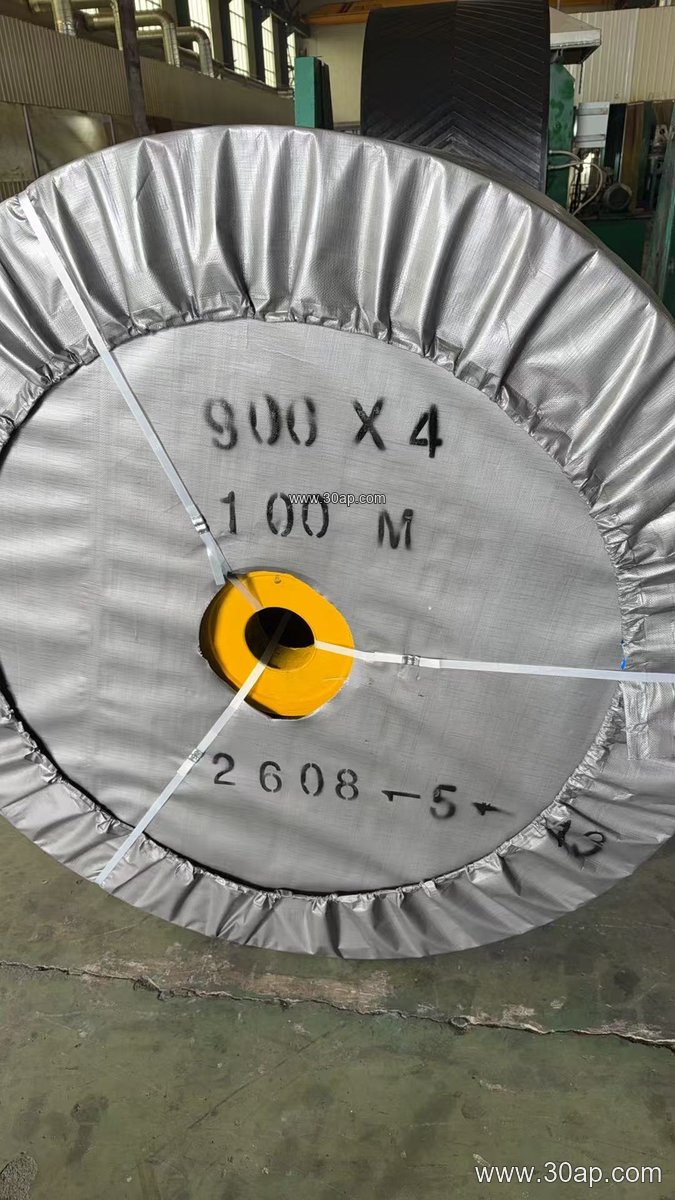
Selection and Maintenance Guidelines
Proper selection requires evaluating the specific load weight, material lump size, and environmental conditions of the facility. Engineers must calculate the required tension and match the belt with appropriate drive and tail conveyor pulley components to prevent slippage. Routine inspection of the conveyor belt surface helps identify premature cover wear, gouges, or impact damage early. Ensuring that tracking systems and idler roller arrays remain clean and correctly adjusted will extend the service life of the entire bulk material handling system.