What a Guide Pulley Does on a Conveyor
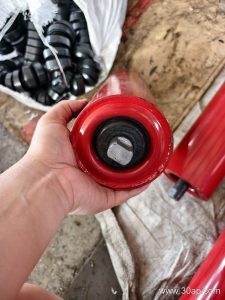
A guide pulley is a small to medium-diameter roller that keeps the conveyor belt on track, controls belt wrap, or redirects the belt between main pulleys. In aggregate plants, cement kiln feed lines, and coal handling systems, it often works behind the scenes, but its position and surface condition directly affect belt alignment and wear. Unlike a drive pulley that transmits torque, or a tail pulley that sets belt tension at the return end, a guide pulley usually carries light to moderate loads and is selected for geometry and belt contact rather than power transmission.
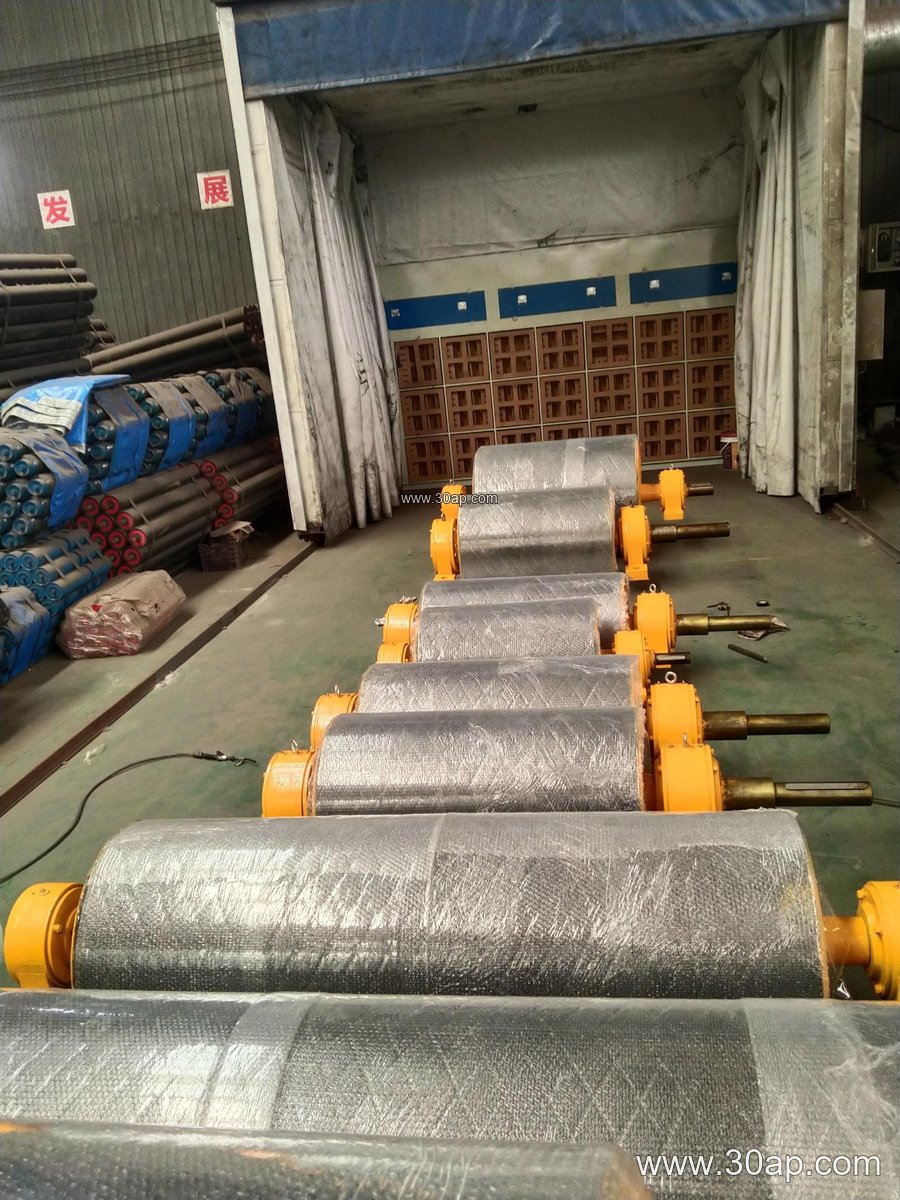
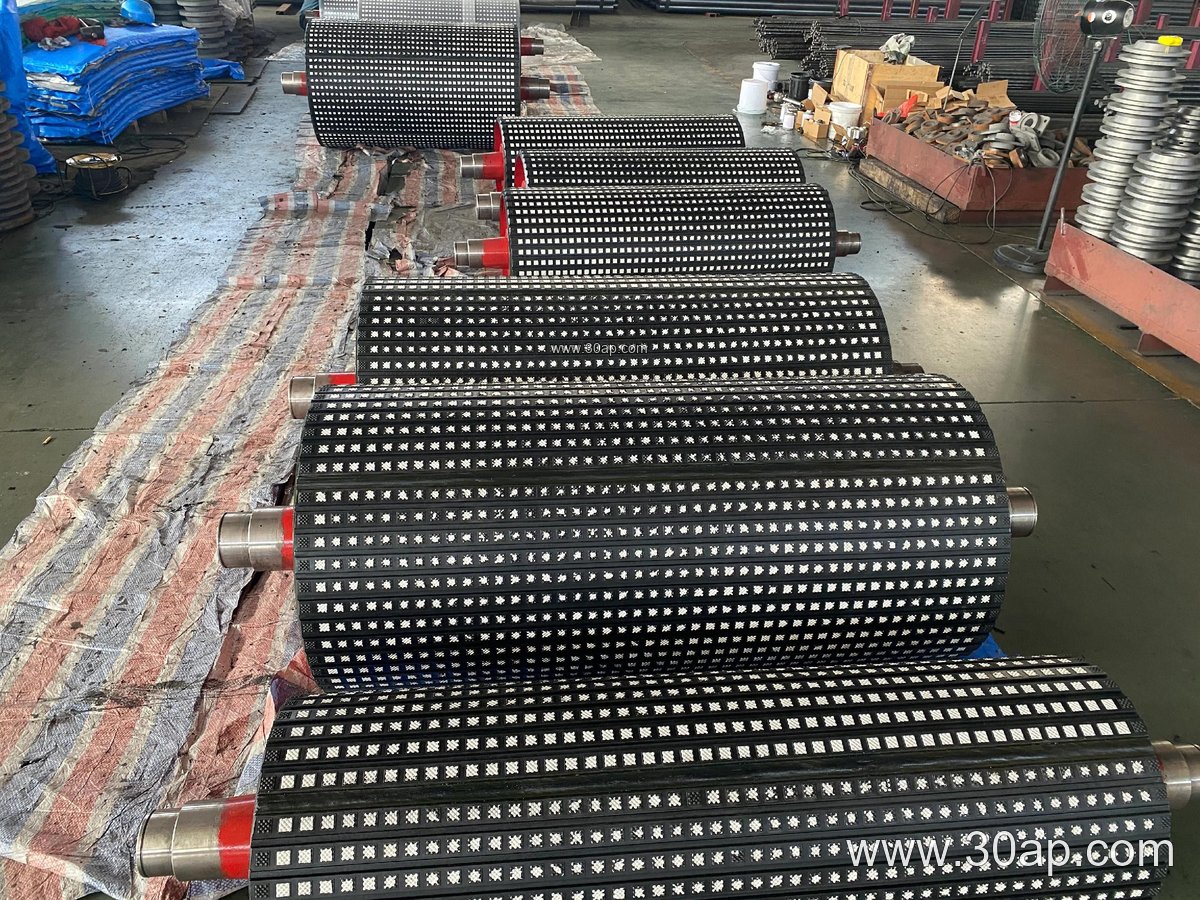
Construction and Surface Options
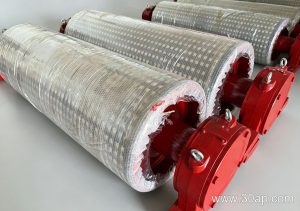
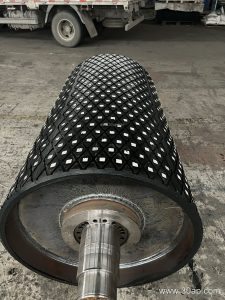
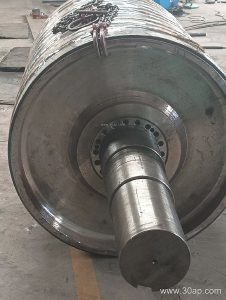
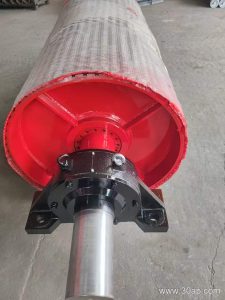
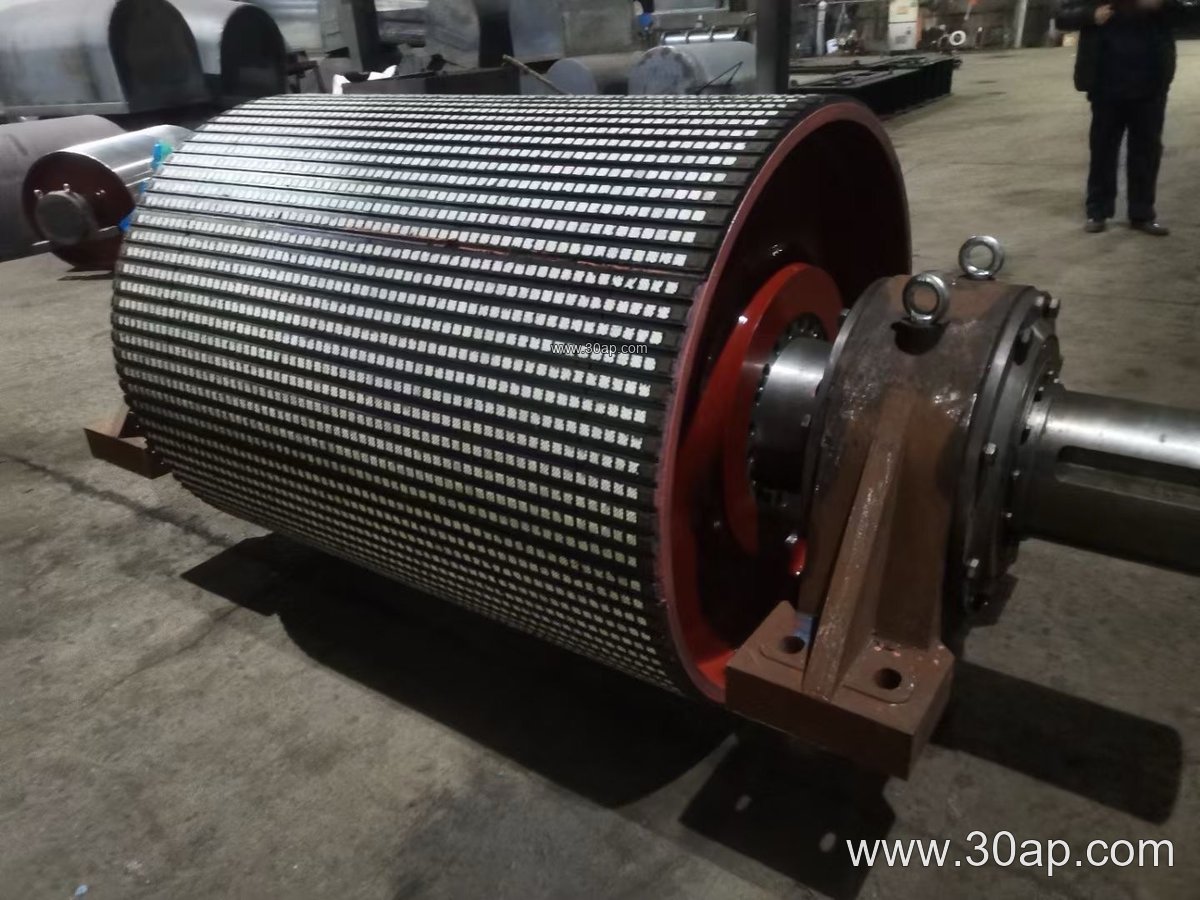
The body is typically a steel drum with welded end discs and a through shaft. Common shaft diameters include Ø50, Ø60, Ø70, Ø80, Ø90, Ø100, Ø120, Ø140, Ø160, Ø180, and Ø200, chosen by torque and bearing load rather than belt width alone. Drum diameters often range from Ø200 to Ø630 for guide duty, while larger sizes may appear when the pulley also acts as a bend or snub point. Surface finish matters: a plain face suits light contact, while cast rubber, cold-bonded rubber, hot-vulcanized rubber, diamond grooving, or ceramic lagging can improve grip and shed fines. Lagging thickness is commonly 8, 10, 12, 15, or 20 mm depending on the duty.
Where It Fits in the Conveyor Layout
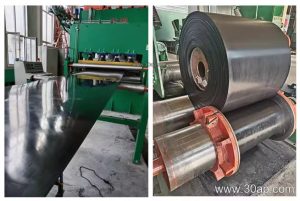
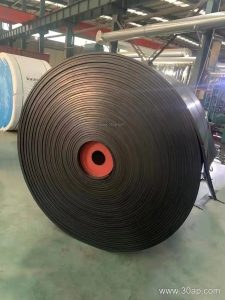
Guide pulleys appear at transfer points, before and after crushers, and along the return strand where the belt needs a slight change of direction. In a quarry or sand and gravel line, they help keep a Rubber Conveyor Belt centered after a drop point. In a coal preparation plant or power station coal yard, they may work with a Flame Retardant Conveyor Belt where fire safety is a concern. They are not a substitute for a bend pulley or a take-up pulley; those roles belong to dedicated components, and mixing them up can lead to poor belt tracking or premature cover wear.
Matching Pulley Face to Belt Width
Face width is usually a little wider than the belt. For reference, B400 may use about 500 mm face, B650 about 750 mm, B800 about 950 mm, B1000 about 1150 mm, B1200 about 1400 mm, B1400 about 1600 mm, and B1600 about 1800 mm. These are common starting points, not fixed rules. A B800 × Ø500 guide pulley and a B1200 × Ø1000 unit can both exist in the same plant for different positions. The table below shows typical reference combinations; final sizing should follow the conveyor design.
Reference Size Examples
| Belt Width | Approx. Face Width | Common Guide Pulley Diameter | Typical Shaft Range |
|---|---|---|---|
| B500 | 600 mm | Ø250–Ø400 | Ø50–Ø80 |
| B650 | 750 mm | Ø315–Ø500 | Ø60–Ø90 |
| B800 | 950 mm | Ø400–Ø630 | Ø70–Ø100 |
| B1000 | 1150 mm | Ø500–Ø800 | Ø80–Ø120 |
| B1200 | 1400 mm | Ø630–Ø1000 | Ø90–Ø140 |
| B1400 | 1600 mm | Ø800–Ø1250 | Ø100–Ø160 |
Do not assume one belt width matches only one pulley diameter. The same B1000 conveyor may use different guide pulley sizes at different points, and shaft diameter must be calculated from torque and bearing load.
Buyer Checklist
- Confirm the pulley’s function: guide, snub, bend, or take-up. Drive, tail, and bend pulleys are not interchangeable names.
- Check belt width, face width, and available space before choosing diameter.
- Select lagging for the environment: rubber for general grip, ceramic for abrasive ore, plain for light contact.
- Review bearing type, shaft size, and mounting brackets together with the conveyor pulley supplier.
- Consider the belt it will run with, such as an EP Conveyor Belt in a cement plant or a Heat Resistant Conveyor Belt near clinker transfer.
Guide pulleys are simple components, but they influence belt life and tracking. Get the position, face width, and surface right, and the rest of the conveyor runs more smoothly.