What a Terminal Conveyor Idler Does
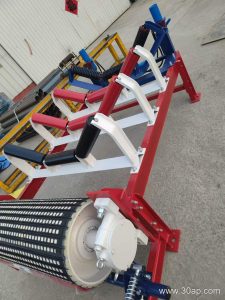
A terminal conveyor idler is the last carrying or return roller at the discharge or tail end of a conveyor. It supports the belt as it leaves the last transition zone or enters the first load point, helping keep the belt path stable when the conveyor is under load. In quarry and aggregate lines, this idler often sits close to the head chute, where material drops onto a crusher conveyor belt or a transfer point feeding a screen. The same component appears in cement plants and power plant coal handling, where dust and fines demand a sealed bearing arrangement.
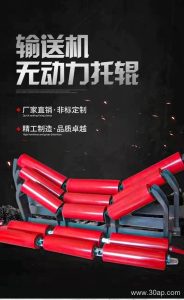
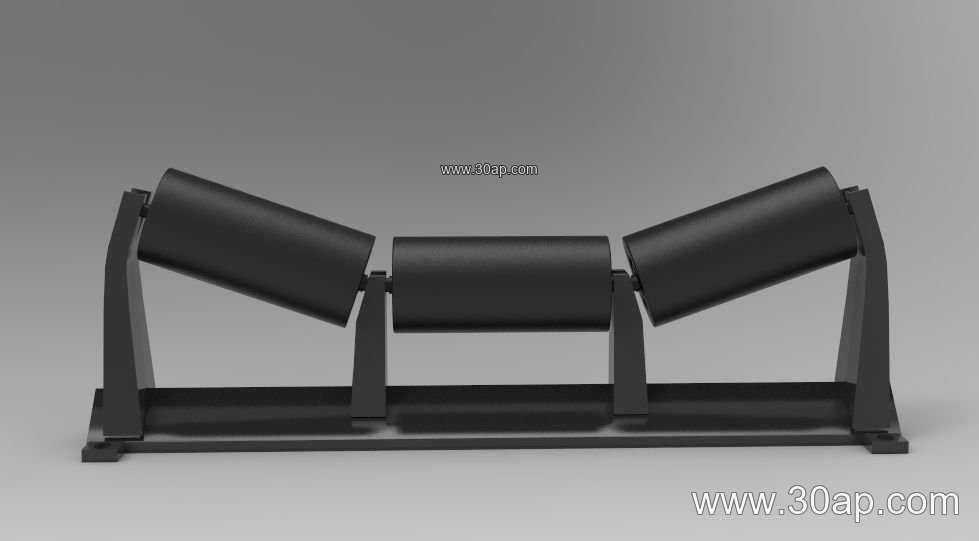
The name is specific: it is a terminal idler, not a drive pulley or a bend pulley. Those pulleys transmit power or change belt direction and are not interchangeable with an idler. For comparison, a troughing idler in the middle of the run carries the belt in a three-roll arrangement, while a terminal idler at the end may be a single-roll or two-roll unit depending on the transition design.
Construction and Common Arrangements
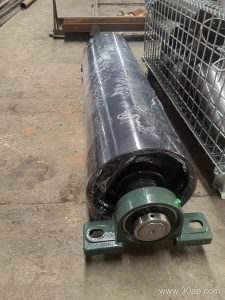
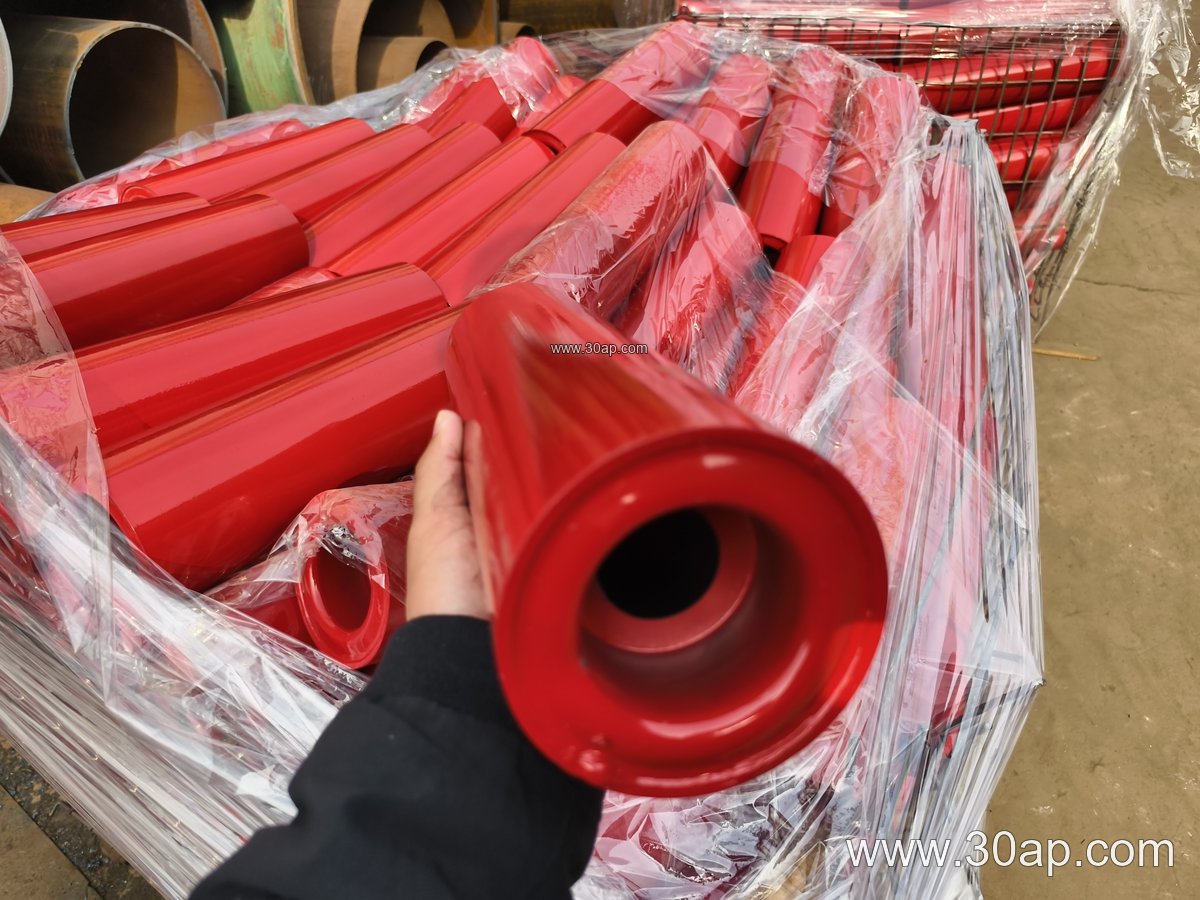
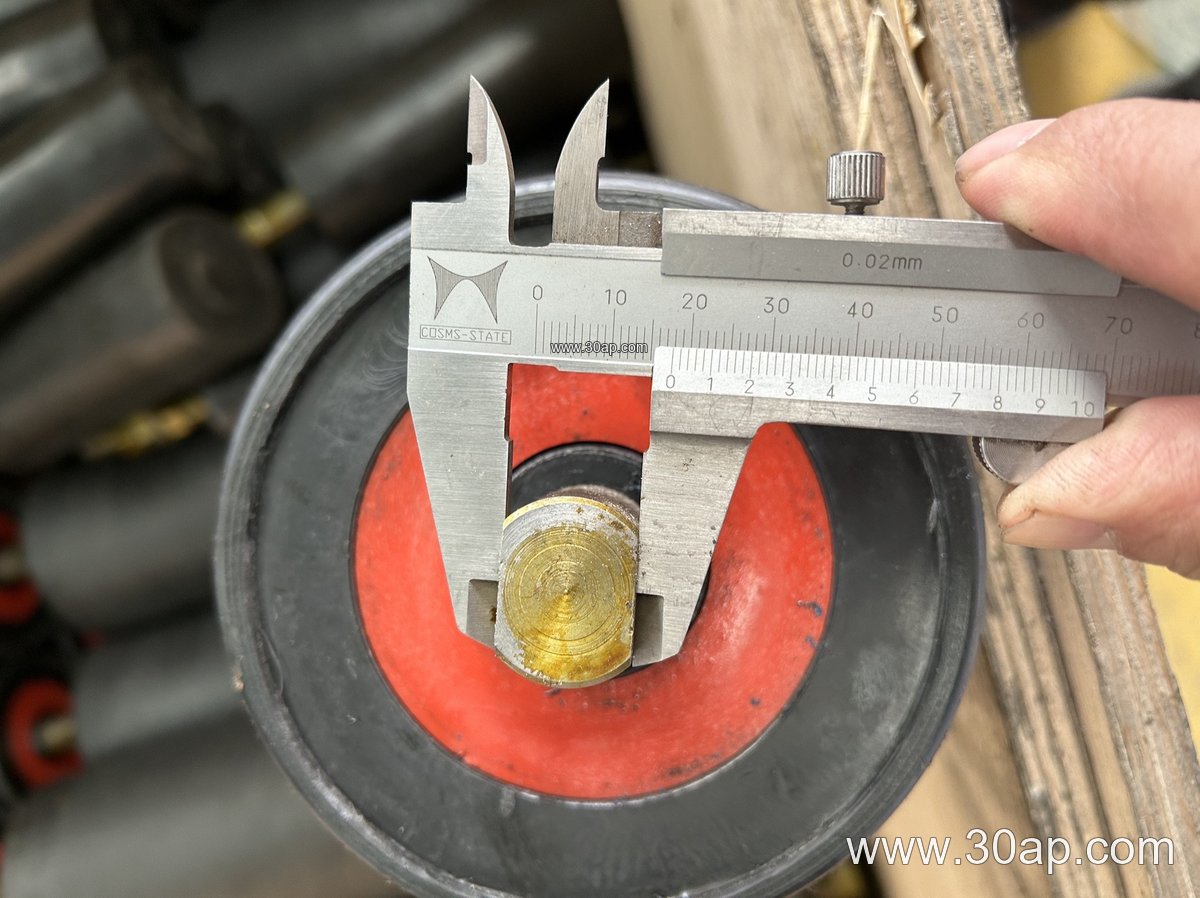
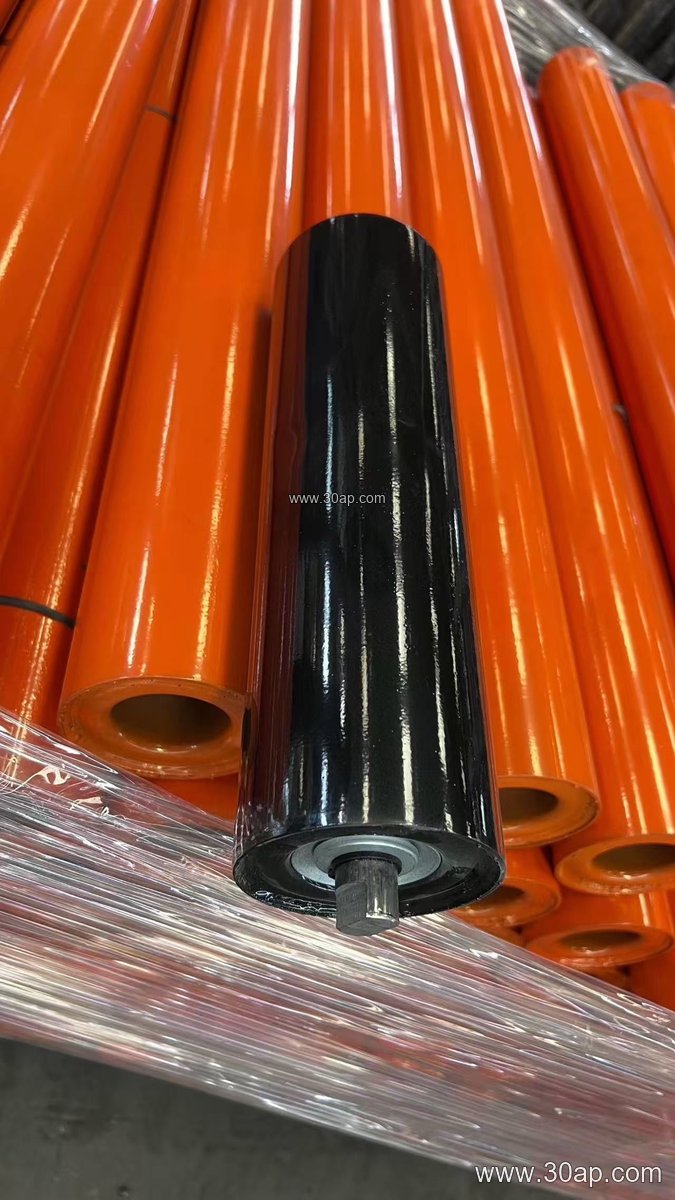
Most terminal conveyor idlers use a steel tube shell with pressed bearing housings at each end. The shaft is fixed, and the shell rotates on deep-groove ball bearings. Common bearing sizes include 6204, 6205, 6305, 6306, 6308 and 6310, but the bearing is selected by load and speed, not by belt width alone. Roll diameters often fall in the range Ø63 to Ø219 mm, with Ø89, Ø108, Ø127, Ø133 and Ø159 being frequent choices in bulk handling. Roll face can be plain steel, nylon, ceramic or rubber ring, and the choice depends on whether the terminal position sees impact, build-up or abrasion.
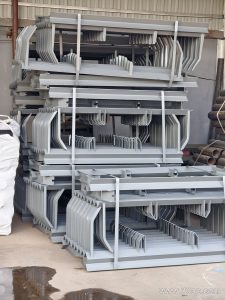
At a discharge end, the terminal idler may be a flat return idler under the belt or a V-return idler that helps center the belt before the head pulley. At a tail end, a buffer idler with rubber rings can absorb impact from a loading chute. These are not replacements for the terminal idler itself; they are forms of it used where the belt meets the last support before or after the terminal pulley. A conveyor bracket holds the idler shaft and sets the height and angle, so the bracket and idler should be ordered as a matched set for the transition.
Where It Fits in the Line
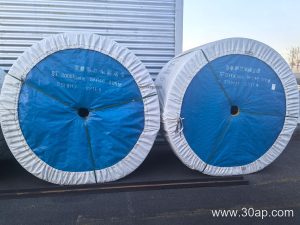
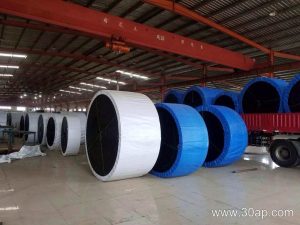
In a limestone quarry, the terminal idler may sit just before the head pulley on a crusher conveyor belt that carries run-of-mine rock. In a coal washing plant, a flame retardant conveyor belt runs over terminal idlers near the discharge chute, where spillage and fine coal can pack around the bearing if seals are poor. In an iron ore or copper ore concentrator, the terminal position often sees heavy, abrasive load, so a thicker shell and a contact seal are worth considering. The same part appears in sand and gravel plants, cement clinker lines, and port ship loading conveyors.
Belt width matters because the idler length must suit the belt and the trough angle. For reference, a three-roll troughing set commonly uses a roll length of about 200 mm for B500, 250 mm for B650, 315 mm for B800, 380 mm for B1000, 465 mm for B1200, 530 mm for B1400, 600 mm for B1600, 670 mm for B1800 and 750 mm for B2000. These are examples only; side rolls and center rolls can differ, and the terminal idler may use a different length than the mid-run troughing set. Belt widths from B400 to B2400 are common across mining and bulk terminals, and wide belts such as 1800 mm or 2000 mm need carefully matched idler stations.
Selection Notes for Buyers
Start with the belt width, the trough angle (20, 30, 35 or 45 degrees), and the load at the terminal point. Then confirm the shaft end type and bracket dimensions, because a terminal idler that does not fit the existing conveyor bracket will not install. Check the seal design for dusty or wet service, and ask for the bearing size and shell thickness rather than assuming them from belt width. For a belt that carries hot clinker or sinter, a heat resistant conveyor belt may be used, and the idler bearing lubricant should match the temperature. For a food or fertilizer line, a food grade conveyor belt and a cleanable idler surface may be needed.
Buyers should also ask whether the terminal idler is supplied with a forward tilt for training, and whether the roll surface is plain steel or rubber covered. A rubber ring buffer idler can reduce impact at a tail load point, but it is a different duty from a standard terminal carrying idler. Keep spare idlers in the two or three most common roll diameters on site, and record the bearing number and bracket hole spacing for each station. That simple record saves downtime when a terminal idler fails during a shift.
- Confirm belt width and trough angle before ordering.
- Match the shaft and bracket, not just the roll diameter.
- Specify seal type for dust, water or fines.
- Use buffer or impact forms only where the load point requires them.