What a V-Type Idler Bracket Does
A V-Type Idler Bracket is a support frame that holds two idler rollers in a V-shaped trough beneath the return strand of a conveyor. Instead of letting the belt sag between widely spaced supports, the bracket lifts the belt into a shallow V, which helps centre the belt and shed loose material that would otherwise build up on the rollers. In a quarry or a stone crushing line, this small frame often decides whether the return side runs clean or turns into a maintenance headache.
The same component is also called a V-return idler bracket or V-shaped idler support frame. Those names describe the identical item; they are not separate products. It should not be confused with a troughing bracket on the carrying side, an impact bracket at the loading point, or a self-aligning bracket, all of which serve different positions on the conveyor.
How the Bracket Is Built
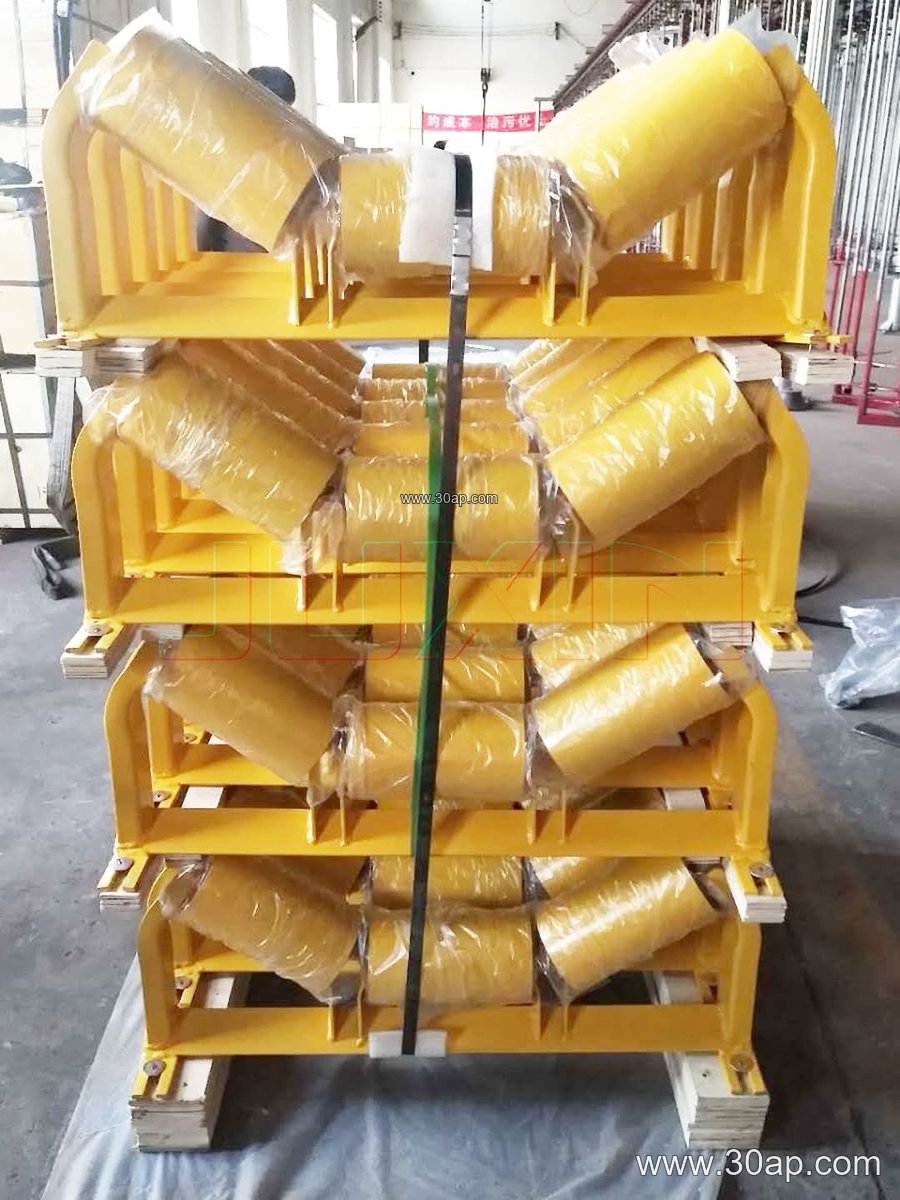
Most V-Type Idler Brackets are fabricated from angle steel, channel steel, or folded steel plate. Two inclined arms meet at a central low point, and each arm carries a mounting position for an idler roller. The included angle is usually 10 to 20 degrees per side, giving the belt a gentle V that guides it back toward the centre line without adding much running resistance.
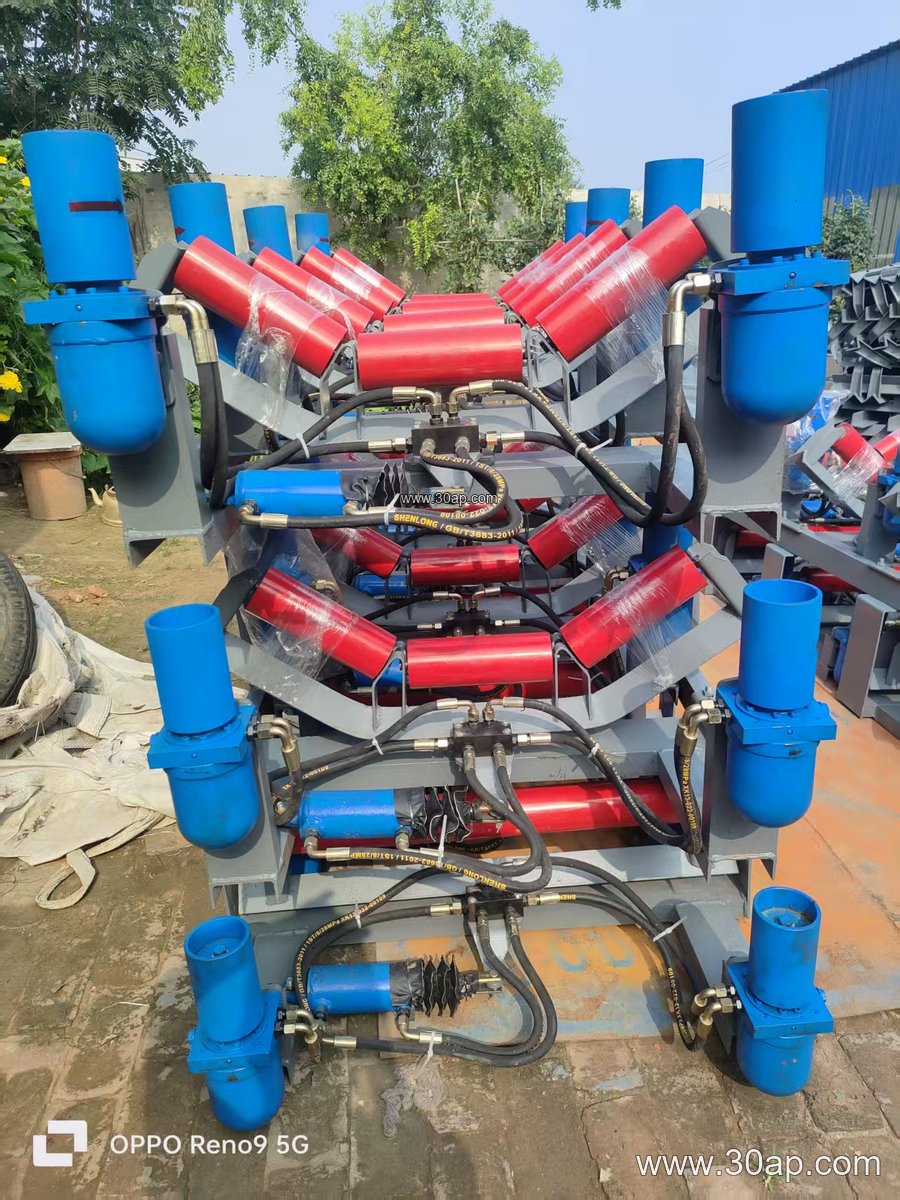
Fabrication details matter more than the shape alone. Weld quality at the apex, hole spacing on the arms, and the flatness of the mounting faces all affect how evenly the rollers sit against the belt. A bracket that is twisted will wear one roller faster and pull the belt sideways. Buyers should ask for the mounting hole pitch and overall beam length to be confirmed against their belt width and roller diameter, because these dimensions change with the design rather than following one fixed number.
Common reference dimensions
The values below are typical references, not universal specifications. Final dimensions are confirmed by design for each conveyor.
- Belt width range: B500, B650, B800, B1000, B1200, B1400, B1600, B1800, B2000, B2200
- Roller diameter options: Ø89, Ø108, Ø133, Ø159, Ø194
- V angle: commonly 10 to 20 degrees per side
- Materials: angle steel, channel steel, folded steel plate
Example combinations such as B800 with Ø108 rollers, B1200 with Ø133, or B650 with Ø89 are common in practice, but no single belt width is locked to one roller diameter or one angle. The bracket is matched to the belt, the roller, and the frame height together.
Where It Fits on the Conveyor
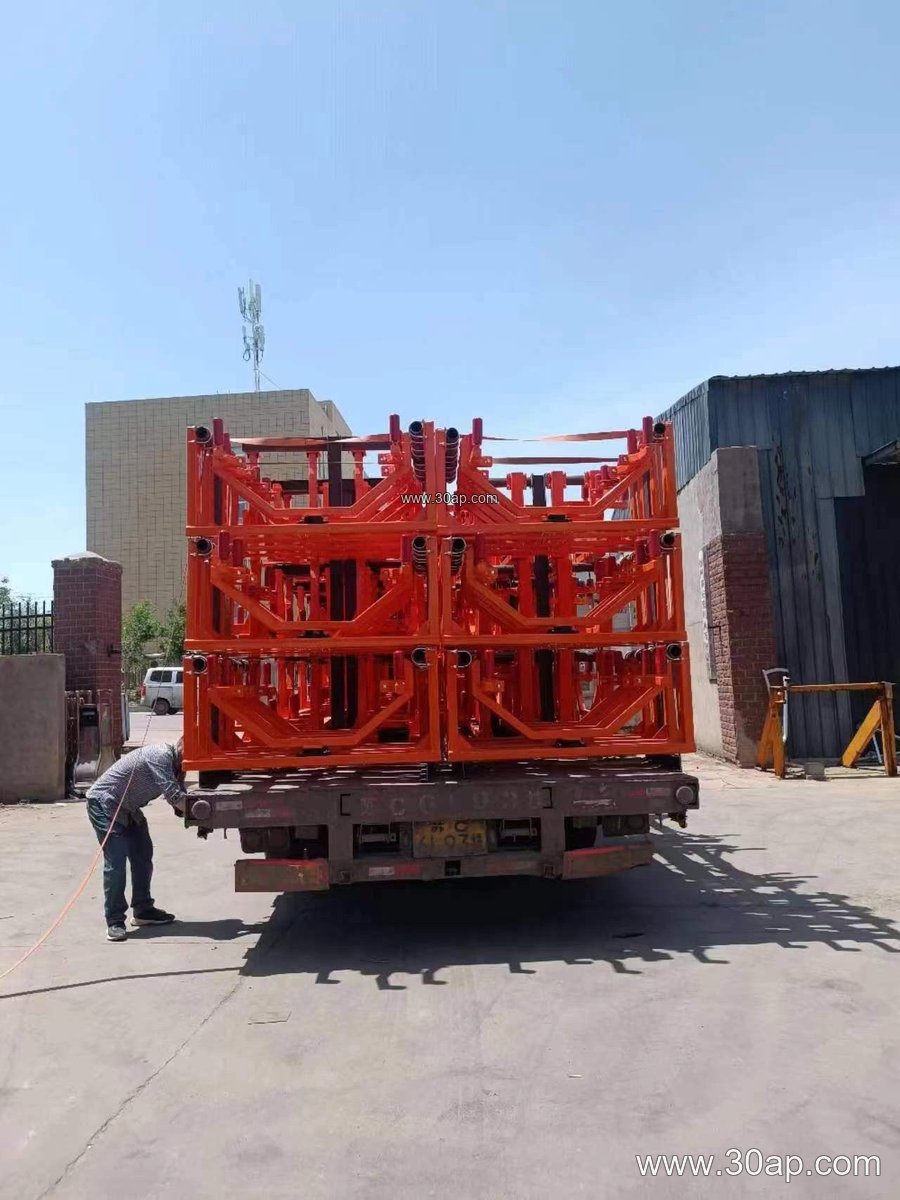
The bracket is bolted to the return-side stringers, spaced at intervals along the return run. In a coal washing plant or a power plant coal handling system, it is often placed just behind the bend pulley and at regular intervals toward the tail pulley, keeping the empty belt trained before it reaches the next loading point.
Because the V shape pushes spilled material toward the centre, the frame is popular in dusty operations such as cement plants, limestone mines, and aggregate yards. It also works well in tunnel spoil removal and in fertilizer or grain silo conveyors where fine material tends to cling to the belt. In these settings it is usually paired with a rubber conveyor belt or an abrasion resistant conveyor belt on the carrying side, while the return side benefits from the self-cleaning effect of the V arrangement.
Selection Points for Buyers
Start with belt width and roller diameter, then confirm the V angle and the mounting height. A wider belt generally needs a longer cross beam and heavier section steel, while a narrow belt on a short conveyor can use a lighter frame. Check that the bracket fits the existing stringer hole pattern, or plan to drill new holes during installation.
Also consider the environment. In a steel plant or sintering area, heat and grit call for sturdy welds and adequate clearance around the rollers. In a port or ship loading conveyor, salt air argues for proper surface treatment. For heavy ores such as iron ore or copper ore, the bracket should be sized to carry the roller load without flexing, and it should be inspected together with the idler roller and conveyor pulley during routine maintenance.
Installation and upkeep
- Align the bracket square to the belt centre line before tightening bolts.
- Check roller rotation by hand after installation; a binding roller points to a misaligned arm.
- Remove built-up material from the V pocket during scheduled stops.
- Replace bent brackets rather than straightening them repeatedly.
Used alongside a fabric core conveyor belt or a steel cord conveyor belt on the carrying side, a well-chosen V-Type Idler Bracket keeps the return strand stable and reduces edge damage. It is a modest part, but in continuous haulage from a crusher to a stockpile, that stability is what keeps the whole line running.