What Is a Cold Resistant Conveyor Belt
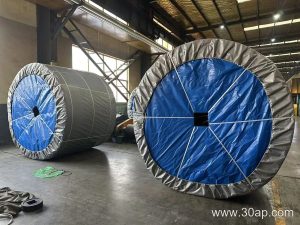
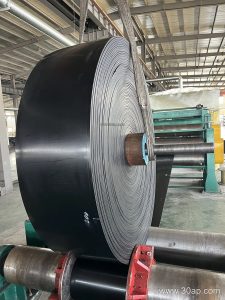
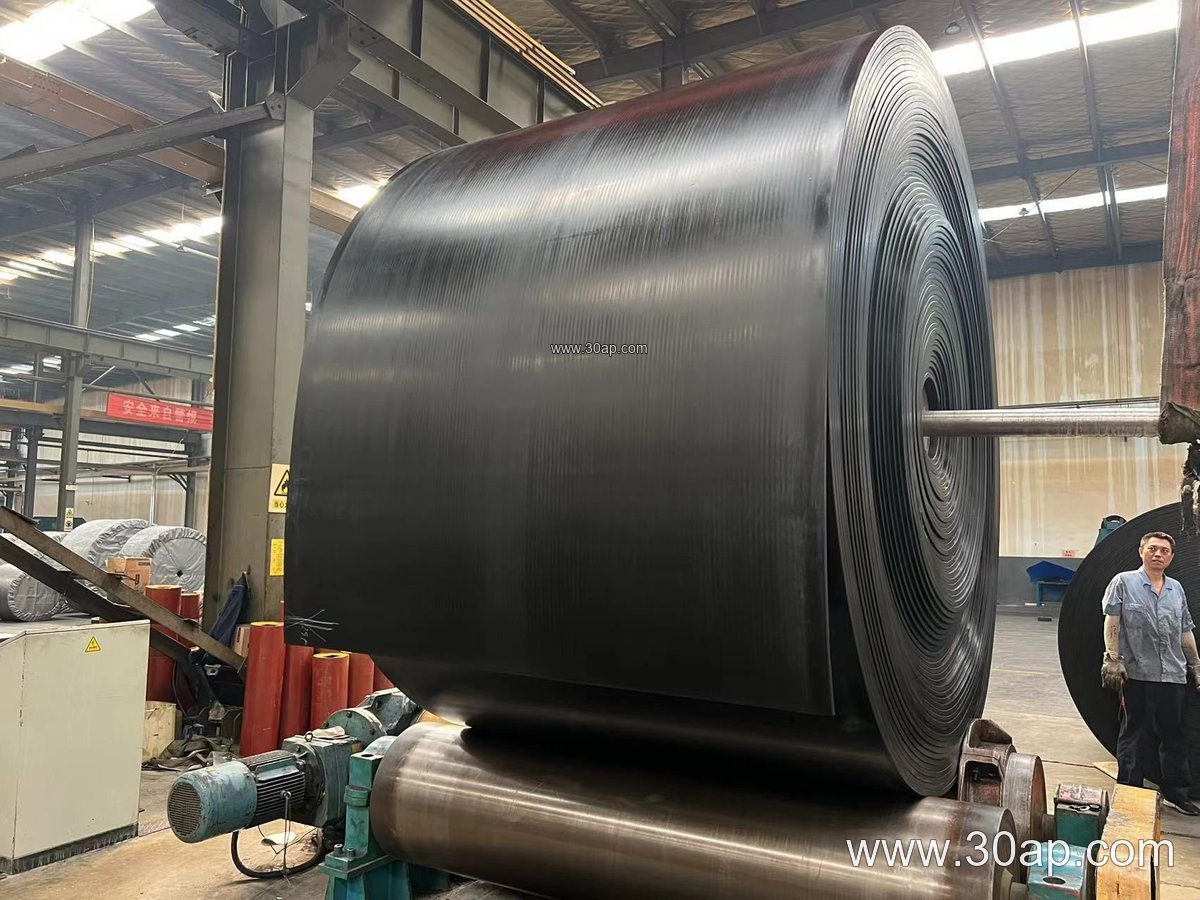
A cold resistant conveyor belt is a type of Rubber Conveyor Belt engineered to remain flexible and operational in sub-zero environments. Unlike standard belts that may stiffen and crack when temperatures drop, this belt uses specialized rubber compounds and reinforcement structures that maintain elasticity, reducing the risk of breakage and extending service life in cold climates. It is commonly used in mining, coal, cement, power plants, and quarry operations where winter conditions or refrigerated processes demand reliable material handling.
Construction and Key Components
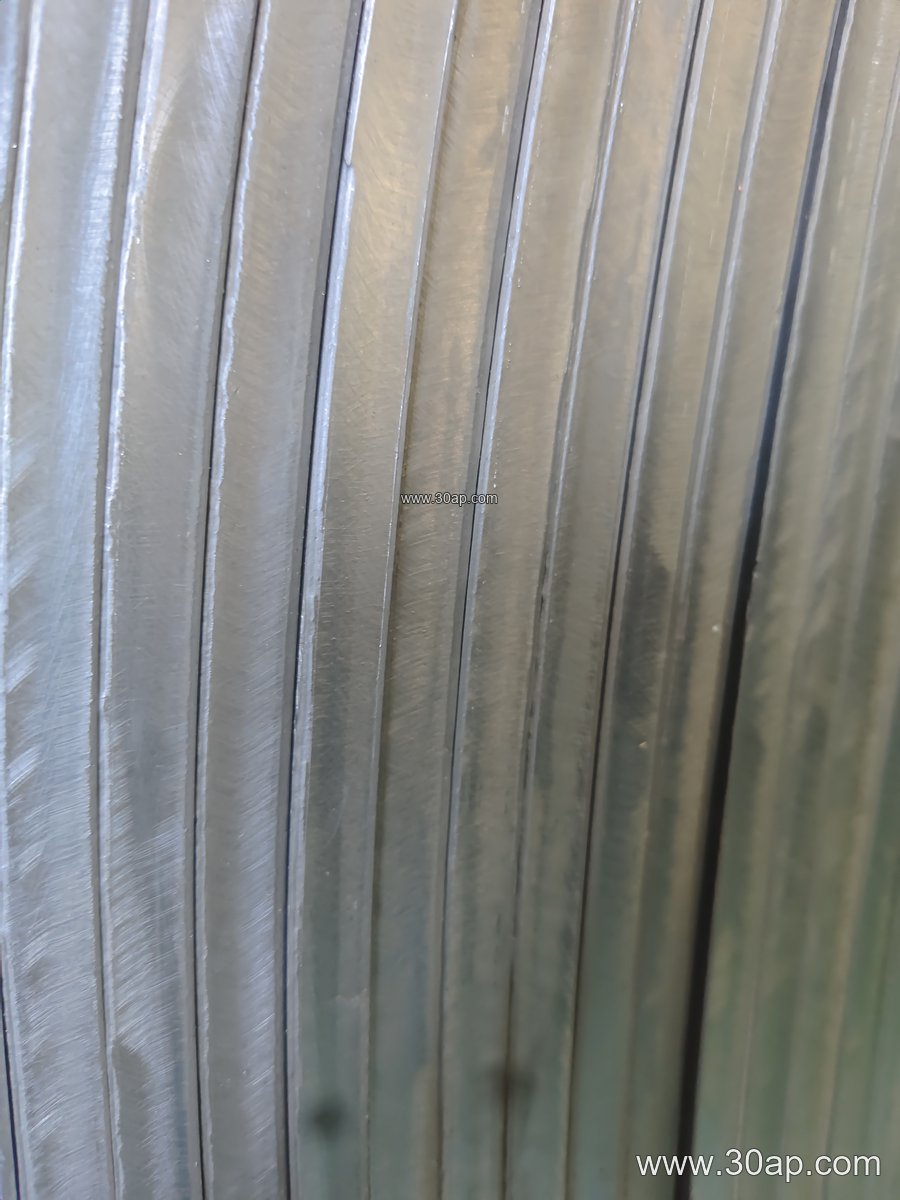
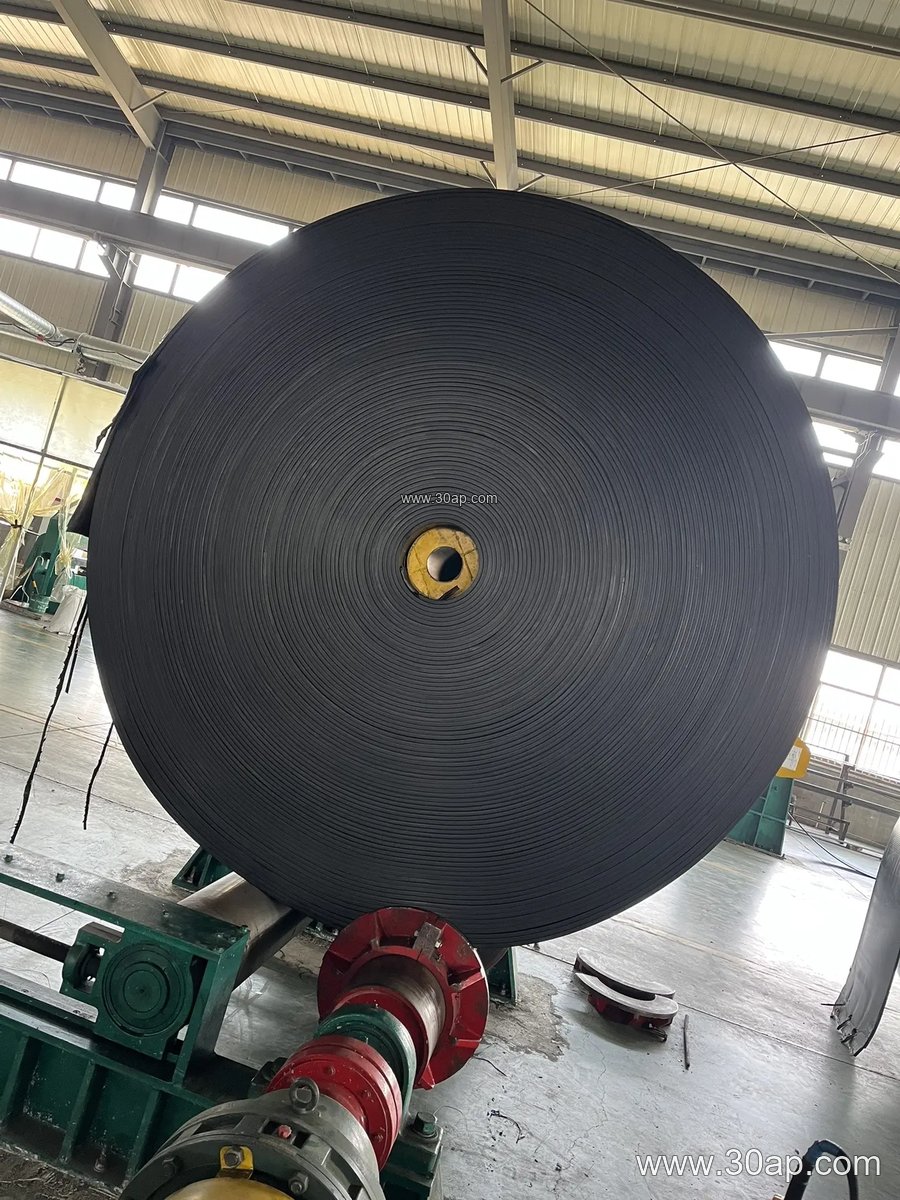
The belt typically consists of a fabric core (such as EP or NN) or steel cord carcass, covered with cold-resistant rubber on both sides. The cover compound often includes polymers that resist hardening at low temperatures, while the core provides tensile strength and load support. Common constructions include multi-ply fabric cores like EP Conveyor Belt or NN Conveyor Belt, and for higher strength applications, Steel Cord Conveyor Belt may be used. The belt edges and splices are also designed to withstand thermal cycling without delamination.
Typical specifications for cold resistant belts include:
| Parameter | Common Range |
|---|---|
| Belt width (B) | B500 to B2000 |
| Tensile strength (EP) | EP200 to EP2000 |
| Cover thickness | 3+1.5 mm to 8+3 mm |
| Number of plies | 2 to 6 |
| Operating temperature | Typically -40°C to +60°C (varies by compound) |
These values are indicative; actual specifications should be confirmed with the manufacturer based on the specific application.
Where Cold Resistant Belts Are Used
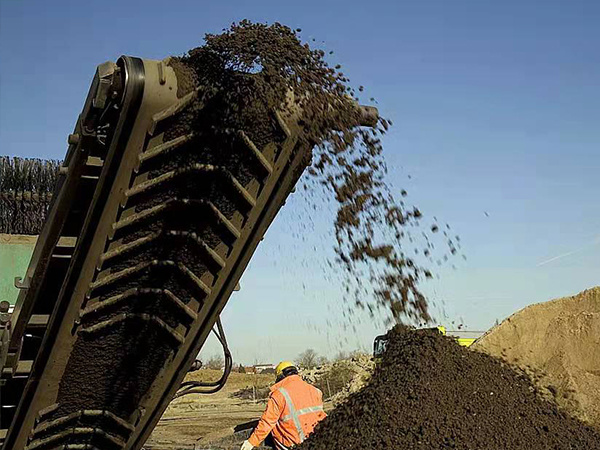
This belt is essential in industries where conveyors operate outdoors or in unheated facilities. In Mining Conveyor Belt systems, especially in open-pit mines or underground operations in cold regions, the belt must handle frozen ore and rock without cracking. Coal mining operations in northern latitudes rely on cold resistant belts to transport coal from pits to processing plants. Cement plants and power plants in cold climates use them for limestone, clinker, and coal handling. Quarries and aggregate operations also benefit during winter months. Additionally, cold storage and food processing facilities may use cold resistant belts where hygiene and low-temperature flexibility are required.
Selection and Maintenance Tips
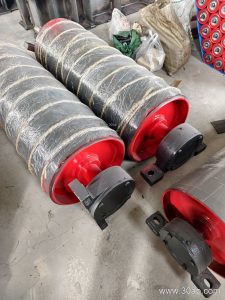
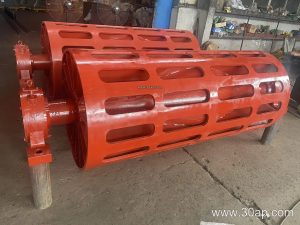
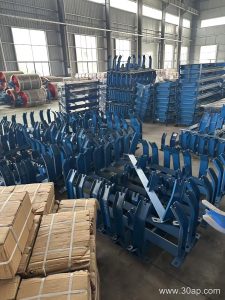
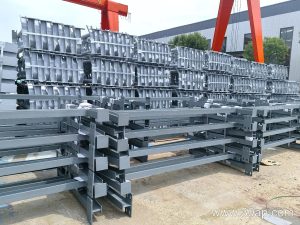
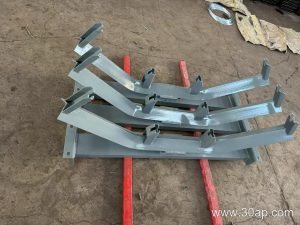
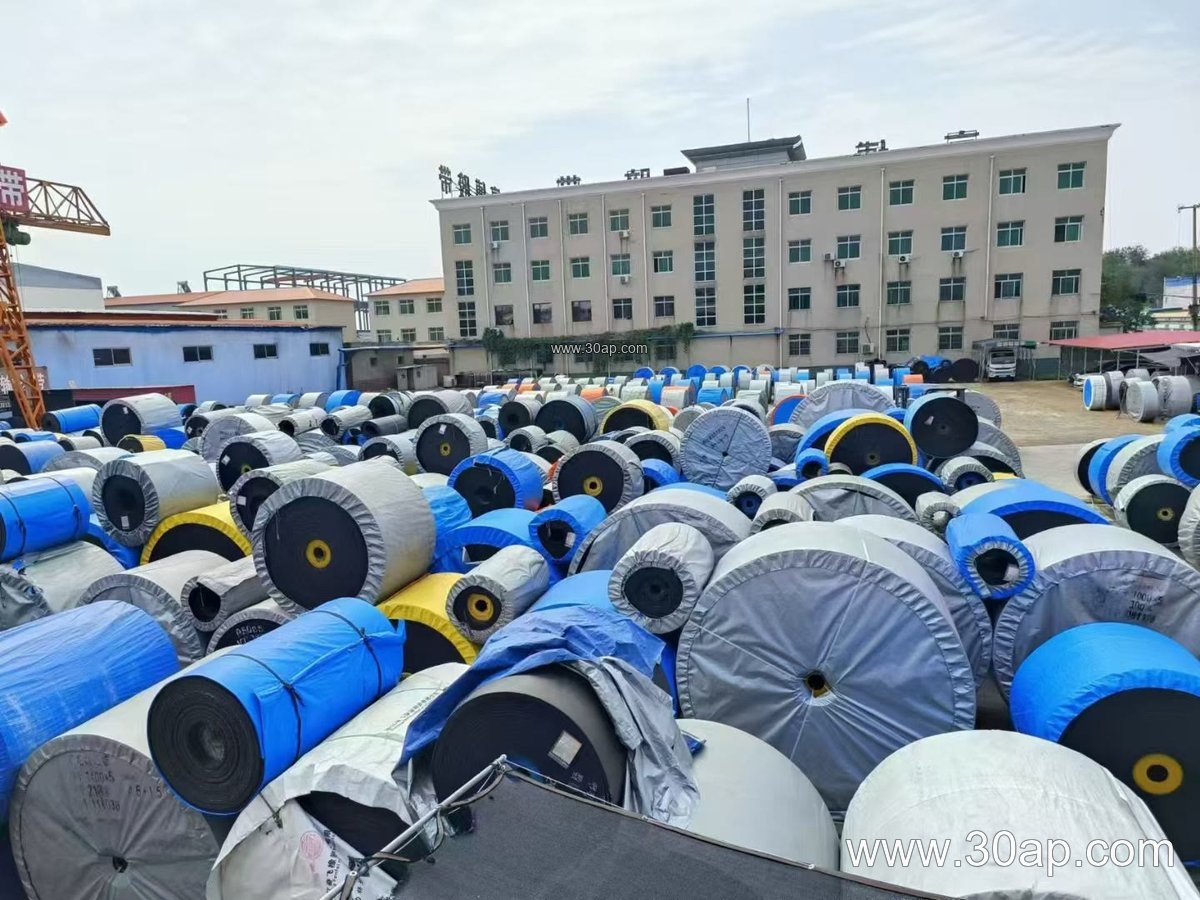
When choosing a cold resistant conveyor belt, consider the minimum operating temperature, load weight, and belt speed. The belt should be matched with appropriate conveyor pulley and idler roller components that are also rated for cold conditions to prevent unnecessary wear. Proper tensioning and alignment are critical; a belt that is too tight may crack in cold weather. Regular inspection of splices and edges helps detect early signs of brittleness. For conveyors with inclined sections, a Chevron Conveyor Belt pattern may be beneficial, but the cold-resistant property must be specified in the cover compound. Ensure that the conveyor bracket and structure are also suitable for thermal contraction. Avoid sudden impacts on the belt when frozen materials are loaded; use buffer idlers or impact beds if necessary.
Buyer’s Checklist
- Confirm the lowest ambient temperature the belt will encounter.
- Verify the belt’s cold flexibility rating (e.g., -40°C) with the supplier.
- Check compatibility with the existing pulley and idler roller diameters.
- Consider the type of material conveyed (abrasive, oily, etc.) and select cover grade accordingly.
- Review splice design for cold conditions—vulcanized splices are generally preferred over mechanical fasteners.
- Ensure the belt meets any relevant safety and quality standards for the industry.
By focusing on these factors, operators can achieve reliable performance and minimize downtime in challenging cold environments.