What an 800mm Diameter Conveyor Pulley Is
An 800mm diameter conveyor pulley is a large-diameter drum used to drive, tension or redirect a conveyor belt in heavy bulk handling systems. With a nominal shell diameter of Ø800, it sits in the upper-middle range of common pulley sizes, above Ø630 and below Ø1000. This diameter is often chosen where belt tension and wrap angle need to be balanced against the space available in the conveyor frame.
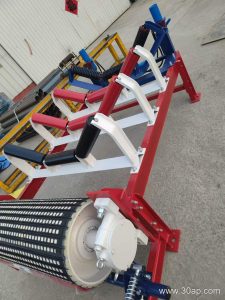
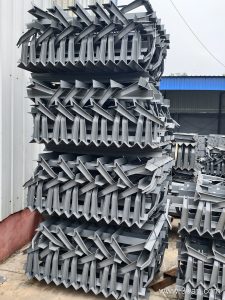
The pulley is not a standalone item. It works with the conveyor belt, idler rollers, conveyor brackets and the drive unit. In a quarry, cement plant or power plant coal yard, an 800mm diameter pulley may serve as a drive pulley at the head, a tension pulley on the take-up, or a bend pulley where the belt changes direction.
How the Pulley Is Built
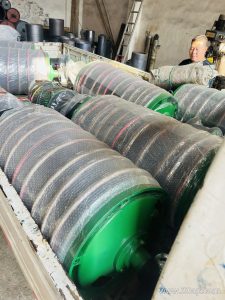
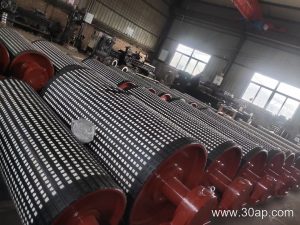
A typical Ø800 conveyor pulley uses a welded steel shell, two end discs, a shaft and bearing housings. The shell may be plain or covered with rubber, ceramic or other lagging. Common surface forms include plain, cold-bonded rubber, hot-vulcanized rubber, diamond lagging, herringbone lagging and ceramic lagging, with lagging thickness often 8, 10, 12, 15 or 20 mm.
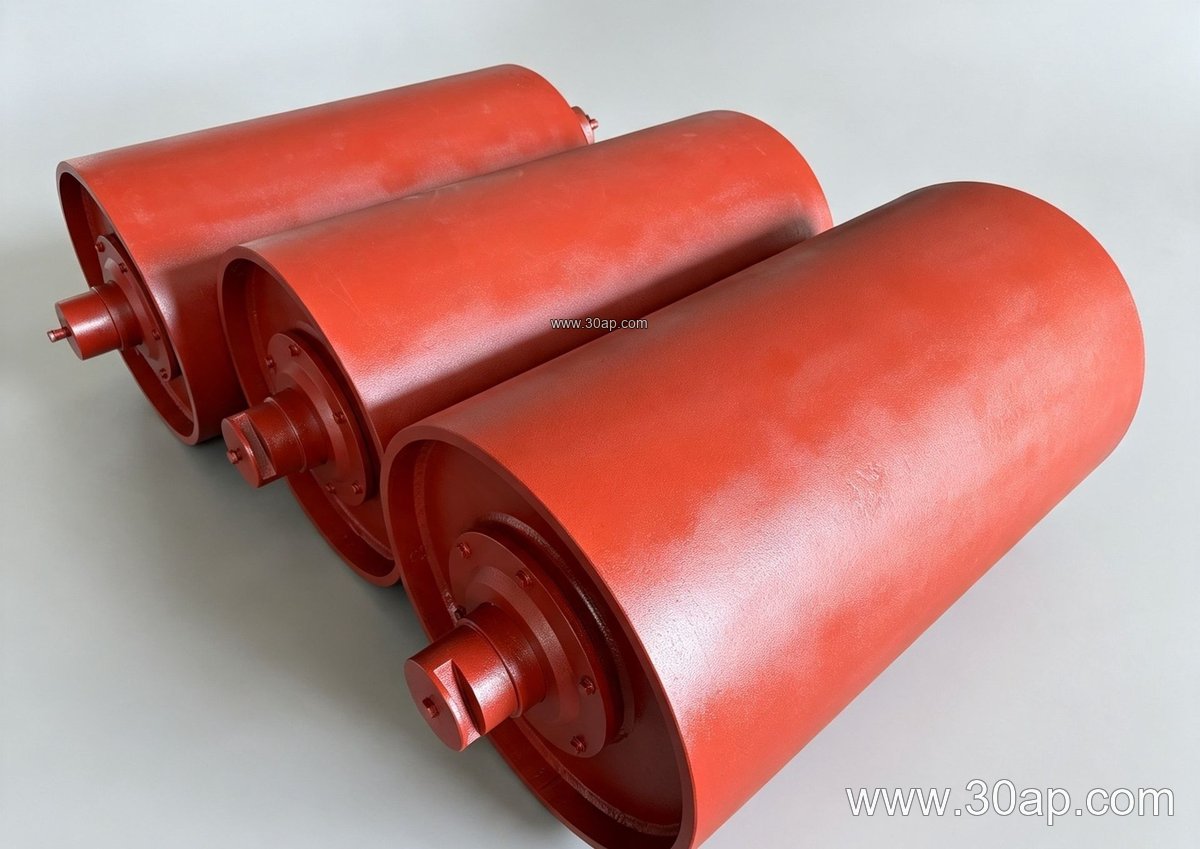
The shaft diameter is determined by torque and load, not by belt width alone. Common shaft sizes range from Ø50 to Ø200 depending on the duty. For an 800mm diameter pulley, the shaft and bearing assembly must be sized for the actual belt pull, which is why buyers should provide the conveyor’s power, speed and tension data rather than ordering by diameter only.
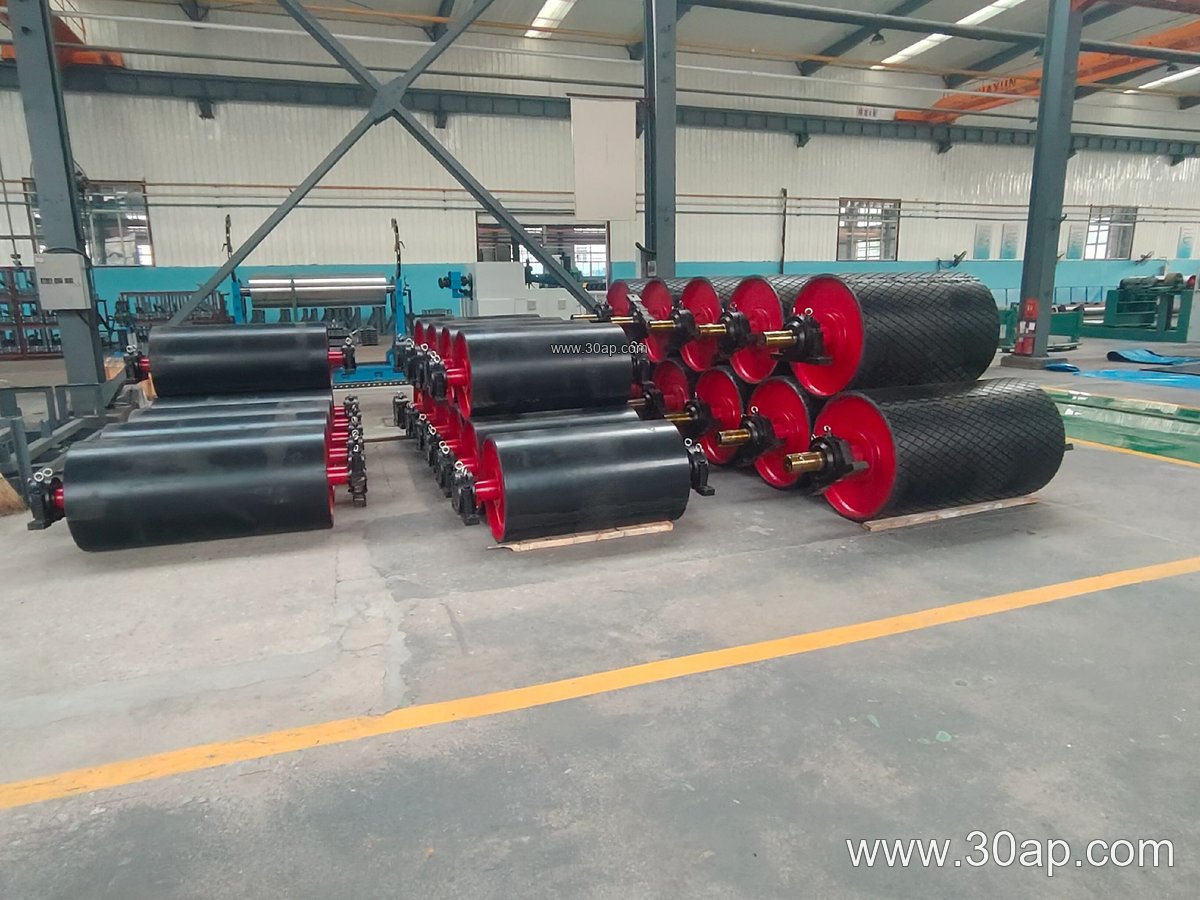
Common reference combinations
The table below shows typical pulley face widths in relation to belt width. These are reference values, not fixed rules. A B800 belt usually runs on a pulley face around 950 mm, but the final face width is set by the conveyor designer.
- B650 belt: face width about 750 mm
- B800 belt: face width about 950 mm
- B1000 belt: face width about 1150 mm
- B1200 belt: face width about 1400 mm
- B1400 belt: face width about 1600 mm
An 800mm diameter pulley can be paired with different belt widths. A B1000 × Ø800 or B1200 × Ø800 arrangement is common, but one belt width does not force a single diameter. The choice depends on wrap angle, belt tension and the space in the head or tail station.
Where It Fits in a Conveyor
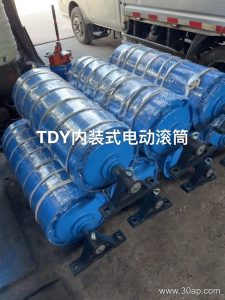
Position matters. A drive pulley at the head transfers power to the belt and usually carries the highest tension. A tail pulley at the loading end supports the belt and may be smaller. A bend pulley redirects the belt without driving it, while a tension pulley maintains belt slack. An 800mm diameter pulley is often used as a drive or tension pulley in long overland conveyors, stockyard systems and crushing plants.
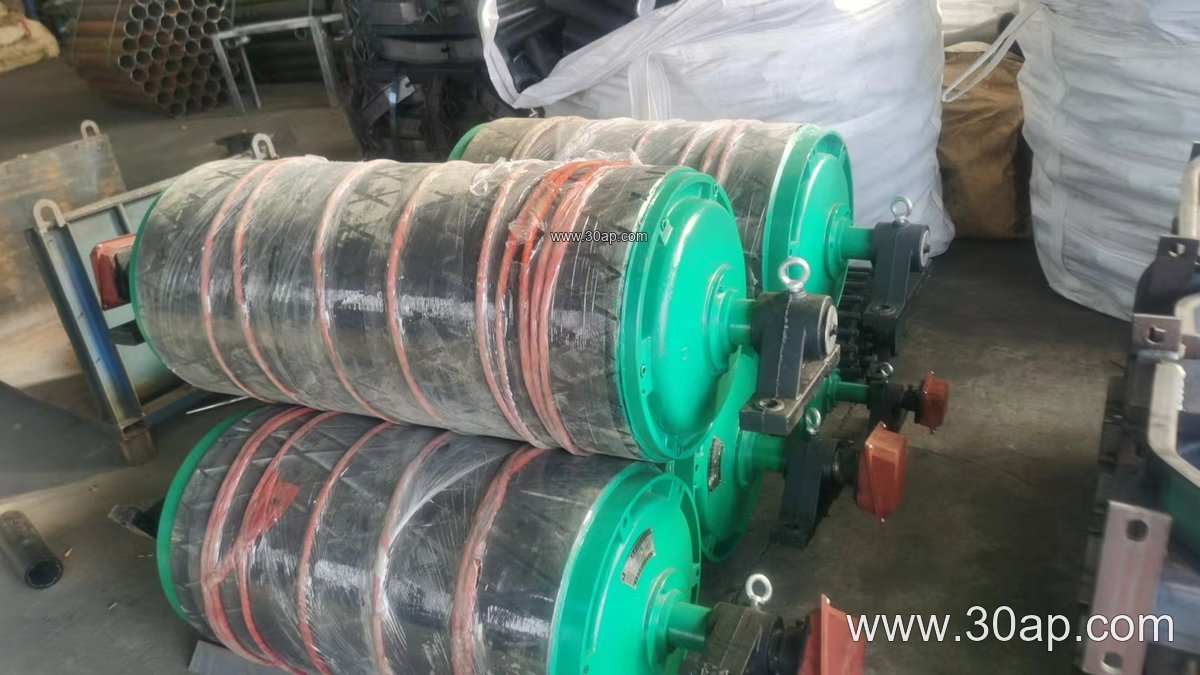
In a coal mining or underground mining setup, flame retardant and anti-static properties of the belt are critical, and the pulley lagging must match the environment. In a cement plant or limestone quarry, abrasion resistant belt covers and wear-resistant lagging help extend service life. In a port or ship loading system, a large pulley helps control belt tracking under high tension.
Buyer Checklist
Before ordering an 800mm diameter conveyor pulley, confirm the belt width, belt type, required lagging, shaft size, bearing type and mounting position. Provide the conveyor’s power, speed and tension. If the pulley is a drive pulley, specify the motor and gearbox arrangement. If it is a bend or tension pulley, state the wrap angle and take-up travel.
Also check the pulley face width against the belt width and confirm the pulley brackets fit the existing frame. A pulley that is correctly sized in diameter but wrong in face width or shaft size will cause tracking problems and premature bearing failure. Matching the pulley to the belt, whether an EP conveyor belt, steel cord conveyor belt or heat resistant conveyor belt, is the basis of reliable operation.