What a Single Drive Pulley Does
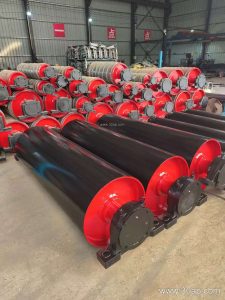
A single drive pulley is the head-end drum that transfers torque from one drive unit to the conveyor belt, pulling the loaded belt forward. In many layouts the same drum is called a head pulley or an unloading pulley, because it both drives the belt and discharges material at the transfer point. It is one of the most heavily loaded components on a conveyor, so its build quality matters as much as its diameter.
This drum is not interchangeable with a tail pulley or a bend pulley. A tail pulley mainly supports and redirects the return side at the feed end, while a bend pulley changes belt direction to suit the profile. Only the drive pulley carries the main driving torque from the gearbox or motor.
Construction and Surface Options
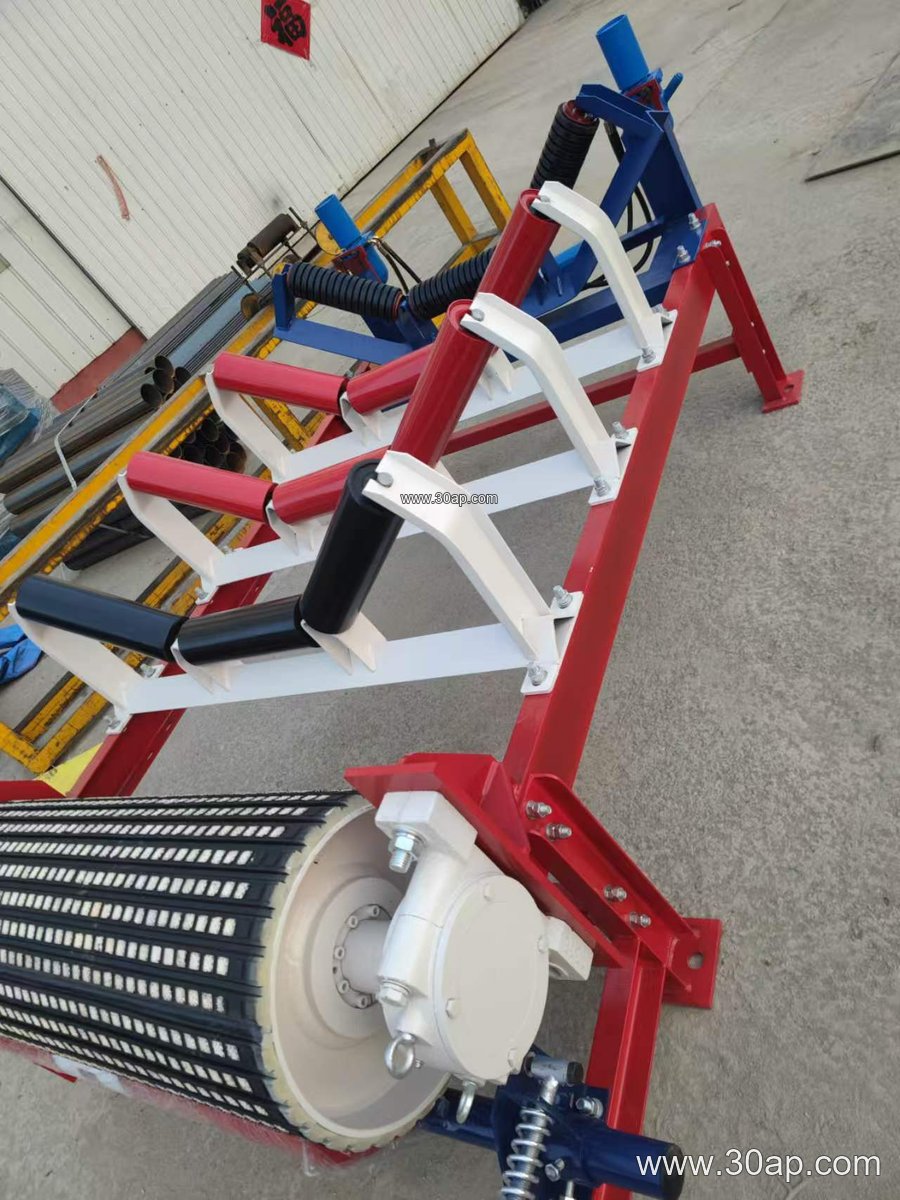
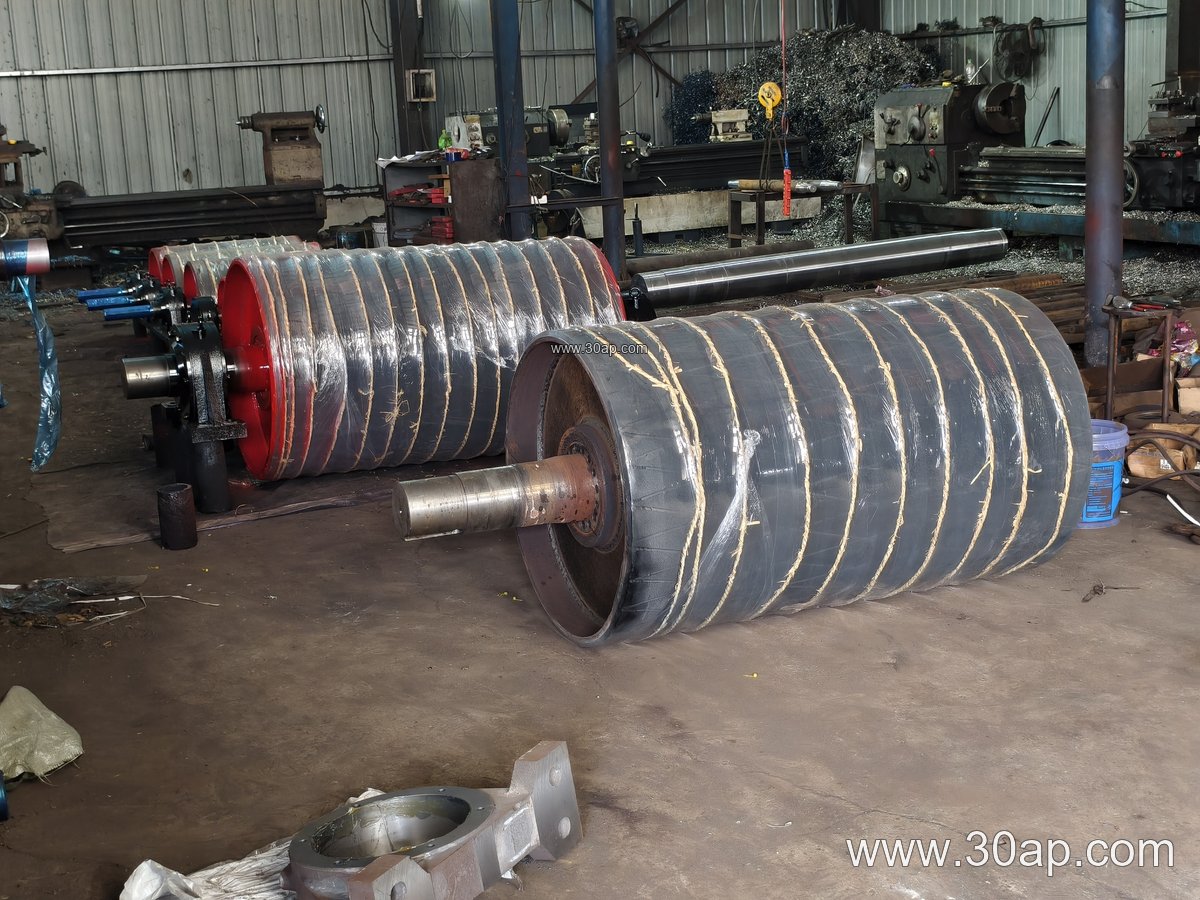
A typical single drive pulley combines a steel shell, end discs, a shaft and hub assemblies, with bearing housings mounted on a frame or conveyor bracket. Larger units are often welded and then machined so the shell runs true. Surface treatment is a key choice for grip and belt life.
- Plain shell for light duty or where slip is not a concern
- Rubber lagging applied cold or hot vulcanized
- Diamond or herringbone grooved lagging for wet, dusty conditions
- Ceramic lagging for high-traction, abrasive service
Lagging thickness commonly ranges from 8 mm to 20 mm, depending on duty and belt tension. In a quarry or sand and gravel line, diamond rubber lagging is often chosen to shed grit; in a coal handling plant, flame retardant belting may be paired with a suitably specified drum surface.
Matching Belt Width and Pulley Diameter
The shell face width is usually wider than the belt to keep the belt centered. Reference examples include B800 with roughly 950 mm face width, B1000 with about 1150 mm, and B1200 with about 1400 mm. Diameter is selected from belt tension, wrap angle, belt thickness and the minimum bend radius recommended for the belt construction. Common diameters include Ø500, Ø630, Ø800, Ø1000 and Ø1250. A B1200 × Ø1000 arrangement is common in medium-duty plants, while a B1400 × Ø800 may suit other profiles. There is no fixed rule that one belt width matches only one diameter.
Shaft diameter is determined by torque and load, not by belt width alone. Typical shaft sizes run from Ø80 to Ø200, with Ø120 or Ø140 appearing in many mid-size drives. The final value should come from the conveyor designer.
Where It Is Used
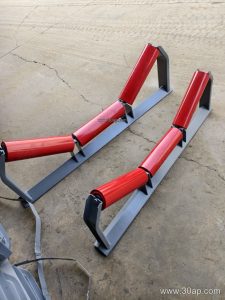
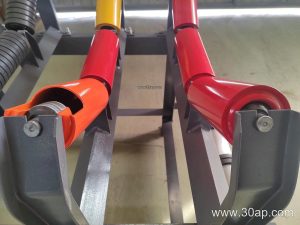
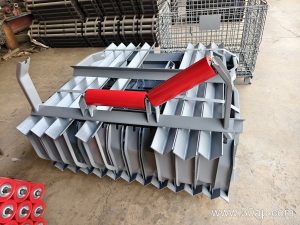
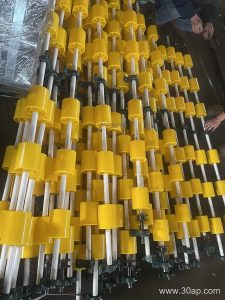
Single drive pulleys appear in limestone mines, cement plants, power station coal yards, iron ore handling and port bulk terminals. They are also found in crushing and screening circuits, where a crusher conveyor belt must start under load, and in tunnel muck removal where space is tight. In these duties the drum works with an idler roller set on the carry side and return side, and with a sturdy conveyor bracket at the bearing seats.
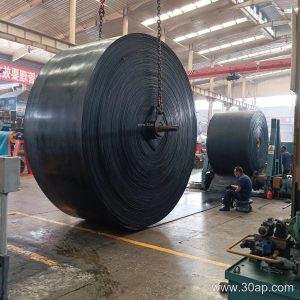
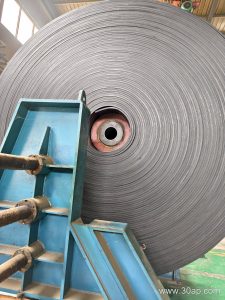
The belt itself may be an EP conveyor belt, a steel cord conveyor belt, or a flame retardant conveyor belt for underground coal mining. A heavy-duty mining conveyor belt with high abrasion resistance is common where rock and ore are moved continuously.
Buyer Checklist
Before ordering, confirm the belt width, the required face width, the pulley diameter, the shaft diameter and the lagging type. Ask how the drum will be balanced and whether the bearing housings suit the existing frame. Check that the surface form matches the material: oil resistant or heat resistant belts may need different lagging attention than a standard rubber conveyor belt. Also confirm the drive arrangement, since a single drive pulley with one gearbox is simpler to align than a dual-drive head.
Finally, keep spare lagging and bearing parts on hand. A worn drive pulley can slip, mistrack the belt and shorten the life of every idler roller downstream. Regular inspection of the shell, lagging and shaft runout keeps the whole conveyor stable.