Understanding Fire Resistant Conveyor Belts
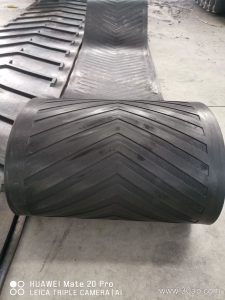
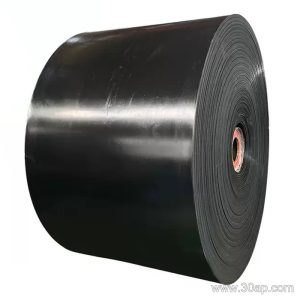
A Fire Resistant Conveyor Belt is a specialized conveyor belt designed to resist ignition and slow the spread of flame, making it a critical component in industries where combustible materials or high-risk environments are present. Also known as a flame retardant conveyor belt, this product is engineered to enhance safety in mining, coal handling, power generation, and other demanding applications. Unlike standard Rubber Conveyor Belt types, fire resistant belts incorporate specific compounds and constructions that meet rigorous safety standards.
These belts are essential in Mining Conveyor Belt systems, particularly in Coal Mining Conveyor Belt and Underground Mining Conveyor Belt operations, where the risk of fire is elevated. The primary function is to prevent the belt from acting as a fuel source and to minimize the potential for fire propagation along the conveyor line.
Construction and Key Components
The construction of a fire resistant conveyor belt involves a careful selection of materials and design features. The belt typically consists of a carcass made from fabric or steel cord, covered with rubber compounds that include fire-retardant additives.
Carcass Types
The skeleton or carcass provides tensile strength and load support. Common carcass materials include:
- EP Conveyor Belt (polyester-nylon) fabric, offering high strength and low elongation.
- NN Conveyor Belt (nylon-nylon) fabric, known for excellent flexibility and impact resistance.
- Steel Cord Conveyor Belt, used for very high strength and long-distance conveying.
For fire resistance, the fabric core may be treated or the rubber cover compounded with halogenated or non-halogenated flame retardants. The cover grade is often specified as flame retardant, and may also include anti-static properties to prevent sparks.
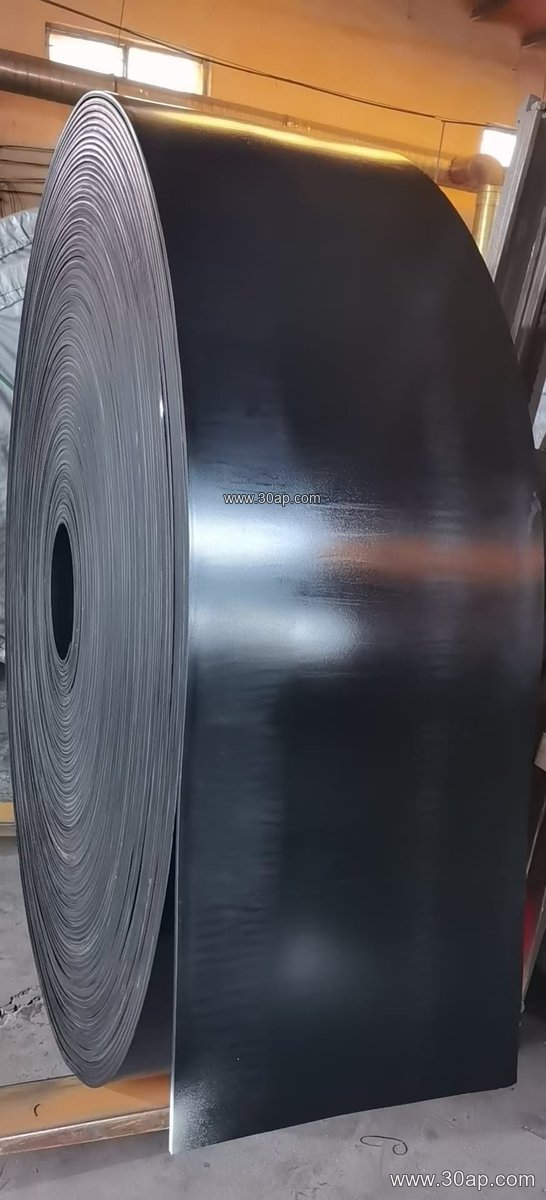
Cover Compounds
The cover rubber is formulated to resist flame and may also provide additional properties such as Abrasion Resistant Conveyor Belt characteristics or oil resistance. Typical cover thicknesses range from 3+1.5 mm to 8+3 mm, with common configurations including 4+2 mm and 5+2 mm for heavy-duty applications. The number of fabric plies usually varies from 2 to 6, depending on the required strength.
Applications in Industry
Fire resistant conveyor belts are deployed across various sectors where safety is paramount. Key industries include:
- Coal Mining: For underground and surface transport of coal, where methane and coal dust create explosive atmospheres. Underground Coal Mining Conveyor Belt systems rely on these belts to reduce fire risks.
- Power Plants: In coal handling plants, belts transport fuel to boilers. Power Plant Conveyor Belt systems use fire resistant belts to safeguard against spontaneous combustion.
- Cement Plants: Though less prone to fire, Cement Conveyor Belt applications may use flame retardant belts where hot materials or kiln exhaust pose ignition hazards.
- Ports and Terminals: For loading and unloading of bulk materials, including coal and ores, where fire safety regulations apply.
- Steel Plants: In coke handling and other high-temperature zones, fire resistant belts complement Heat Resistant Conveyor Belt solutions.
Other applications include Quarry Conveyor Belt operations, Aggregate Conveyor Belt systems, and Recycling Conveyor Belt lines where combustible waste is processed.
Specifications and Selection Guide
When selecting a fire resistant conveyor belt, buyers should consider several parameters to ensure compatibility with the conveyor system and operational demands.
Strength and Width
Belt strength is typically rated by the carcass type and number of plies. For EP belts, common strength grades include EP200, EP400, EP630, EP800, EP1000, and EP1250. Steel cord belts are rated by ST numbers such as ST1000, ST1600, and ST2000. Belt widths are specified in millimeters, with standard widths including B500, B650, B800, B1000, B1200, B1400, B1600, B1800, and B2000. The width should match the conveyor pulley and idler roller dimensions to ensure proper tracking.
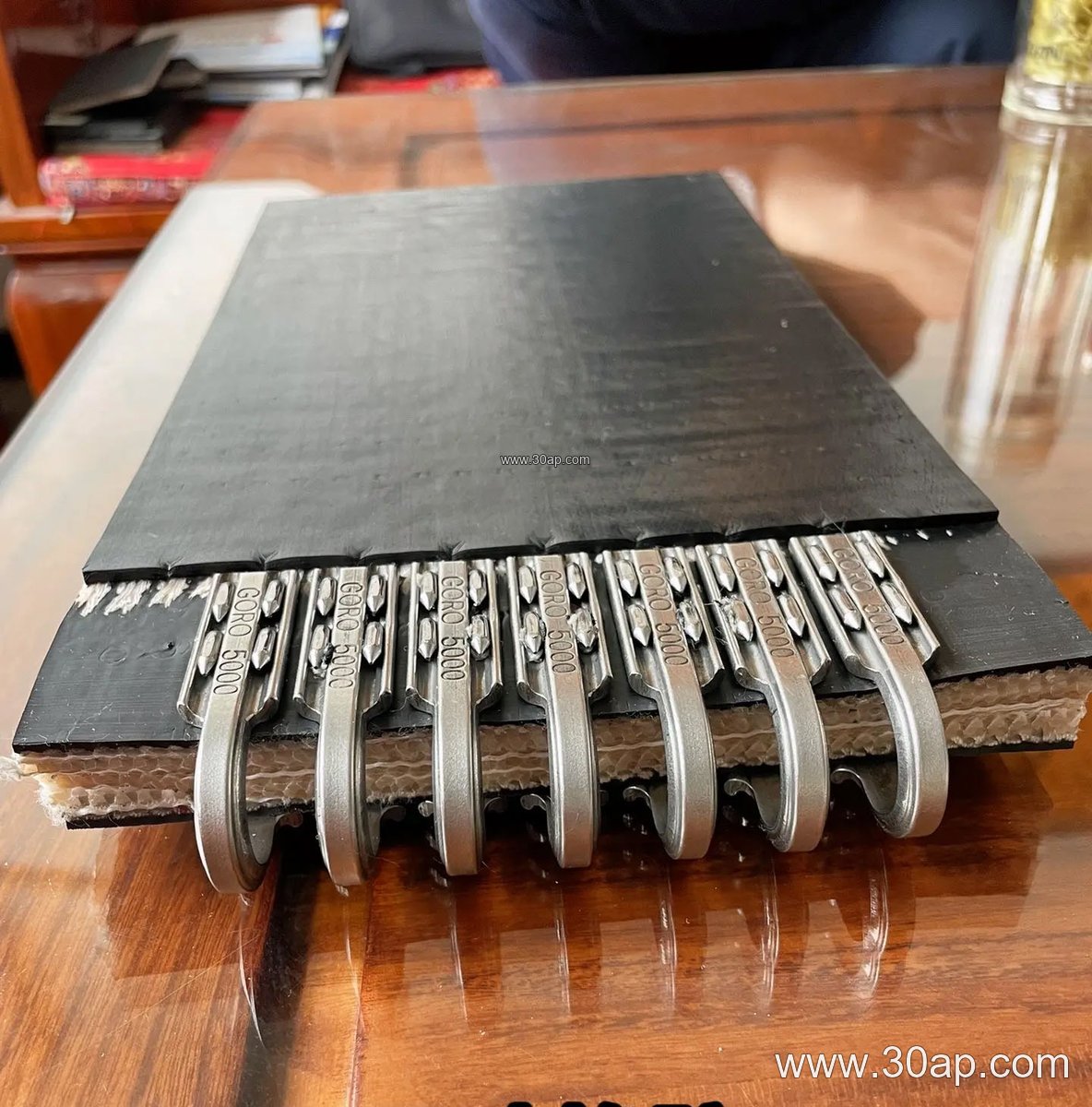
Cover Grade and Thickness
The cover rubber grade must be fire resistant, often designated as FR or similar. Thickness combinations like 4+2 mm or 6+2 mm are common, but the exact specification should be determined by the material being conveyed and the environmental conditions. For instance, a Mining Fire Resistant Conveyor Belt may require thicker covers for impact resistance.
Additional Properties
In some cases, the belt may need to be anti-static to prevent static electricity buildup. This is particularly important in underground coal mining. Belts may also be required to meet specific flame test standards, such as those outlined by MSHA or other regulatory bodies, though certifications should be verified with the manufacturer.
Compatibility with Conveyor Components
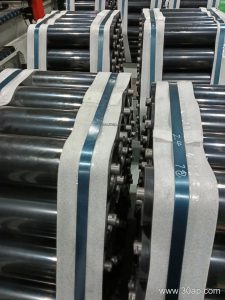
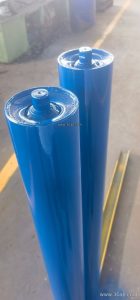
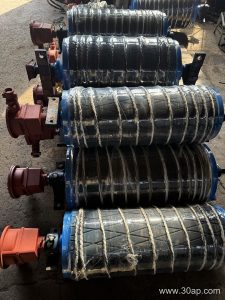
The belt must work seamlessly with conveyor pulley, idler roller, and conveyor bracket components. Proper alignment and tensioning are critical to prevent belt damage and ensure reliable operation. Drive, tail, and bend pulleys each play distinct roles and must be sized appropriately for the belt width and load.
Buyer Checklist
Before purchasing a fire resistant conveyor belt, consider the following:
- Verify the required flame resistance standard for your industry and region.
- Determine the maximum load and select an appropriate carcass type and strength grade.
- Choose a cover thickness and grade that balances fire resistance with other needs like abrasion or oil resistance.
- Ensure the belt width matches the conveyor system, including pulley and idler dimensions.
- Consider environmental factors such as temperature, moisture, and chemical exposure.
- Consult with the manufacturer for specific recommendations and to confirm that the product meets your safety requirements.
By understanding the construction, applications, and selection criteria, buyers can make informed decisions to enhance safety and efficiency in their material handling operations.