What a Conveyor Idler Bracket Does
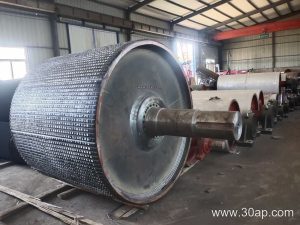
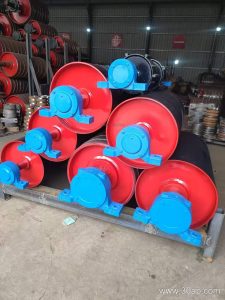
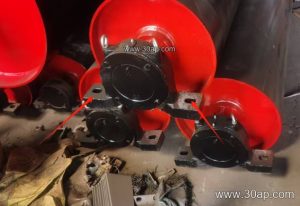
A conveyor idler bracket is the structural component that holds the idler roller in position along a conveyor belt. It sets the trough angle, carries the load, and keeps the belt tracking properly. In a quarry, cement plant, or power plant coal yard, these brackets are the quiet workhorses behind every meter of material movement. The bracket itself is not a pulley — drive, tail, and bend pulleys serve different functions — but it works alongside the conveyor pulley to keep the belt path stable.
Construction and Common Materials
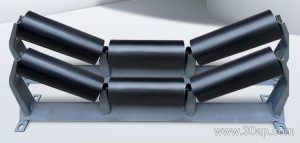
Most brackets are fabricated from angle steel, channel steel, or folded steel plate. The design depends on whether the bracket is fixed or adjustable. Fixed brackets hold a specific trough angle, while adjustable brackets allow changing the angle as needed. Common bracket types include trough brackets, transition brackets, return brackets, and self-aligning brackets. Each type has a distinct role in supporting the belt and managing load.
Trough Angles and Roller Diameters
Trough angles typically range from 20 to 45 degrees. A 35-degree trough is common in many bulk handling operations. Roller diameters often include 89 mm, 108 mm, 133 mm, 159 mm, and 194 mm. The bracket must match the roller diameter and the belt width for proper fit. For example, a B800 belt with a 35-degree trough may use 108 mm idlers, while a B1200 belt with a 45-degree trough might use 133 mm idlers. These are common pairings, not fixed rules — final selection depends on load, belt speed, and design.

Where These Brackets Are Used
You will find conveyor idler brackets in limestone mines, iron ore operations, coal washing plants, and aggregate crushing lines. In a cement plant, they support belts carrying clinker and raw meal. In a power plant coal yard, they keep the coal conveyor belt aligned through long runs. The bracket works with the idler roller and the conveyor belt to maintain smooth material flow. Proper bracket selection also helps extend the life of the belt, whether it is a heavy-duty mining conveyor belt or a heat resistant conveyor belt in a sinter plant.
Buyer Checklist for Conveyor Idler Brackets
When specifying a bracket, confirm the belt width, trough angle, and roller diameter. Also check the mounting hole spacing and crossbeam length — these vary with belt width and trough angle. Consider whether you need a fixed or adjustable bracket. For transition zones near a conveyor pulley, a transition bracket may be appropriate. For return runs, a V-return bracket can help with belt training. If the belt is a pipe conveyor belt or a corrugated sidewall conveyor belt, bracket requirements may differ, so always review the conveyor layout.
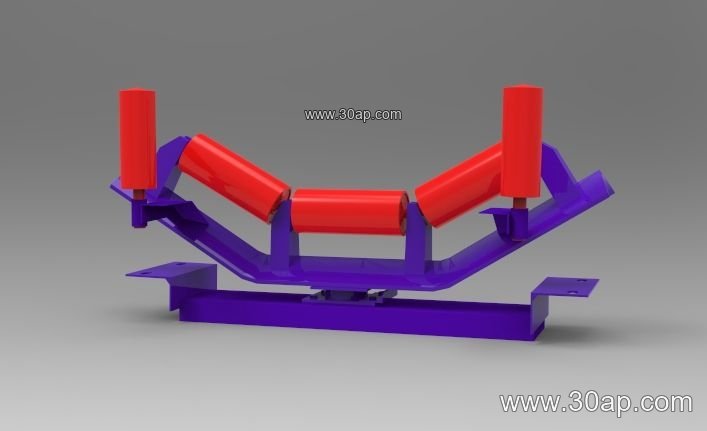
Matching Brackets to Belt and Roller
Do not assume one belt width matches one roller diameter. A B650 belt may use 89 mm or 108 mm idlers depending on load. A B1000 belt might use 108 mm or 133 mm rollers. The bracket must accommodate the chosen roller and maintain the correct trough angle. For abrasive materials, consider impact-resistant brackets near loading points. In coal mining, flame retardant conveyor belt and anti-static conveyor belt are common, and the bracket should support proper grounding and alignment.
Maintenance and Long-Term Reliability
Inspect brackets for wear, corrosion, and loose fasteners during routine maintenance. A bent or misaligned bracket can cause belt mistracking and premature idler failure. Use the correct grade of hardware and check that the bracket sits square to the belt line. In dusty environments such as a stone crushing plant or a fertilizer handling facility, keep the bracket area clean to prevent buildup that affects roller rotation.
For more information on conveyor components, visit conveyor belt and idler roller resources, or explore conveyor pulley options to complete your system design.