What a Vertical Roller Is
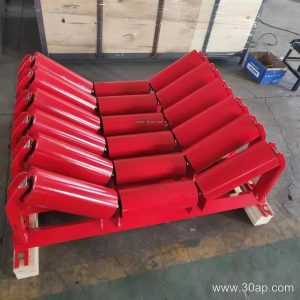
A vertical roller is a carrying idler mounted at a steep angle or in a near-vertical position, usually as part of a transition or guide arrangement on a belt conveyor. In plant drawings and maintenance lists it may also appear as a vertical guide roller or vertical side roller. It is not a drive pulley, a tail pulley, or a bend pulley, and it should not be confused with those components. Its job is to support or guide the belt edge where the belt changes shape, changes direction, or passes a transfer point.
In a quarry, a limestone mine, or a crusher discharge line, a vertical roller is often used to keep the belt aligned as it opens from a flat or troughed profile into a wider trough. It works together with the conveyor belt, the frame, and the conveyor bracket that holds the assembly in place.
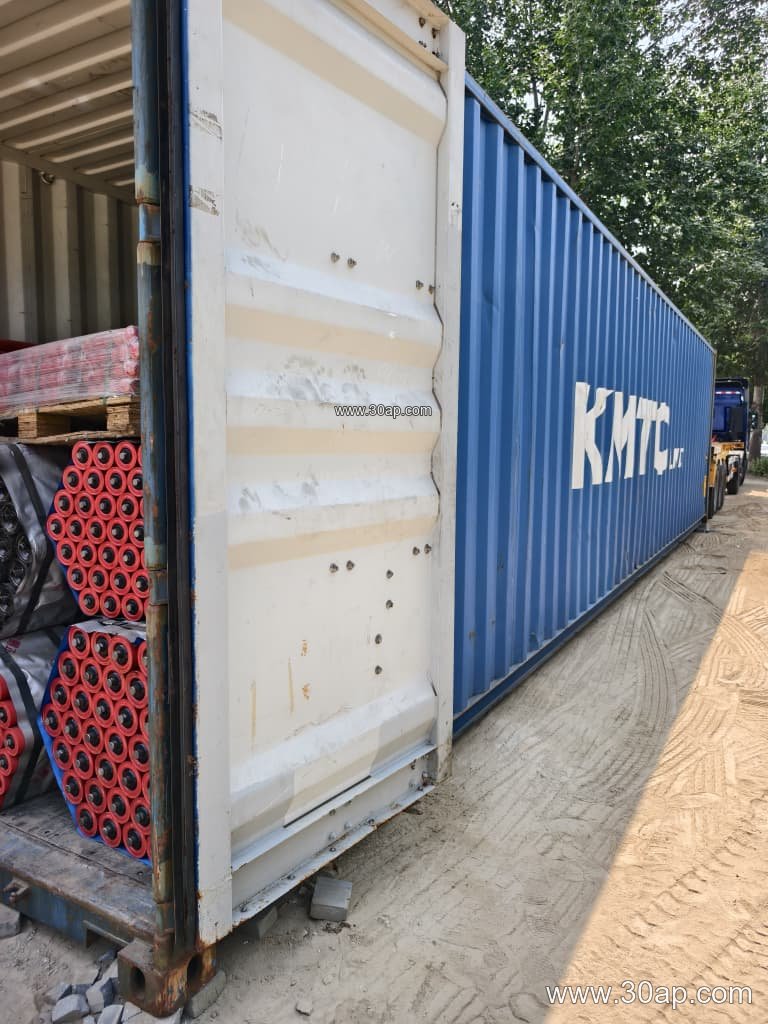
Construction and Common Forms
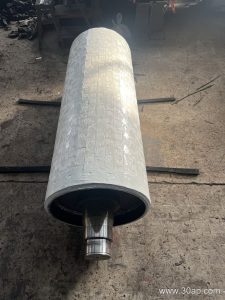
The roller body is normally a steel tube with a shaft through the center, sealed bearings at each end, and a protective shell or ring on the outside. Roller surfaces can be plain steel, nylon, ceramic, or rubber rings, depending on whether the priority is abrasion resistance, belt protection, or material build-up control. Common bearing sizes include 6204, 6205, 6305, 6306, 6308, and 6310. A given bearing number is not tied to one roller diameter, and the final match depends on load, speed, and seal design.
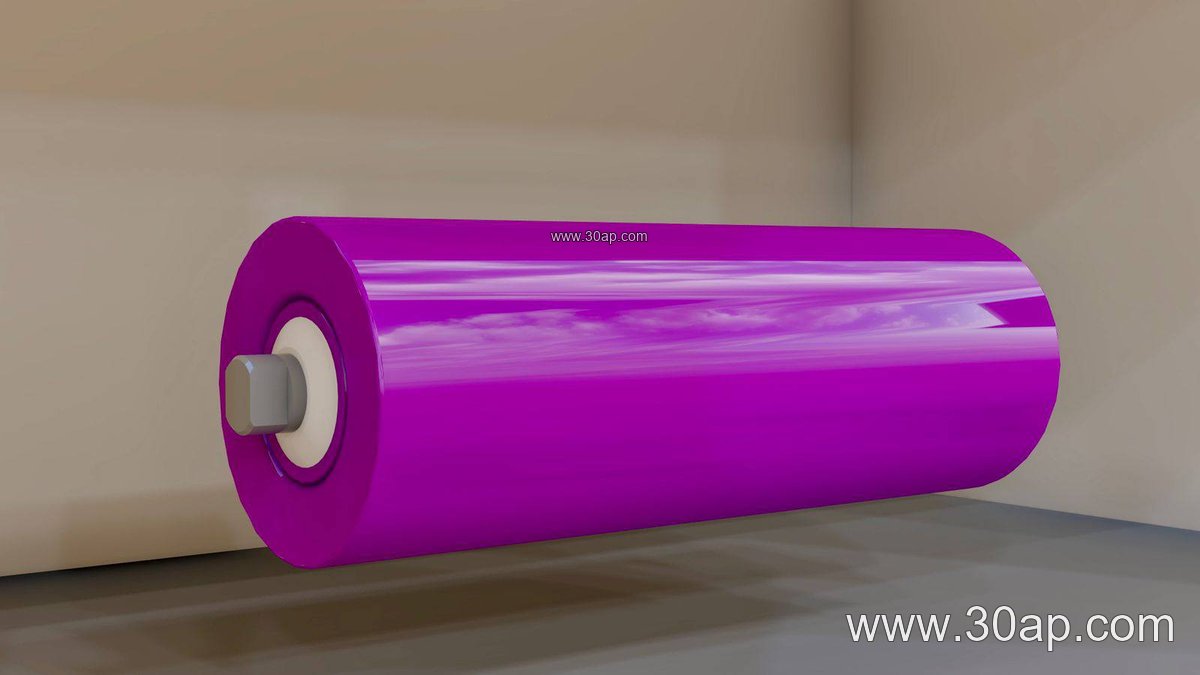
Common roller diameters include Ø63, Ø76, Ø89, Ø102, Ø108, Ø127, Ø133, Ø159, Ø178, Ø194, and Ø219 mm. A vertical roller is usually a smaller-diameter unit because it sits close to the belt edge and must not create a sharp contact point. The roller length is set by belt width, trough angle, and the geometry of the transition zone.
Typical reference dimensions
| Belt width | Common roller length (three-roll trough, example) | Typical trough angle |
|---|---|---|
| B500 | about 200 mm | 20 to 35 degrees |
| B650 | about 250 mm | 20 to 35 degrees |
| B800 | about 315 mm | 30 to 35 degrees |
| B1000 | about 380 mm | 30 to 35 degrees |
| B1200 | about 465 mm | 30 to 45 degrees |
| B1400 | about 530 mm | 30 to 45 degrees |
| B1600 | about 600 mm | 35 to 45 degrees |
| B1800 | about 670 mm | 35 to 45 degrees |
| B2000 | about 750 mm | 35 to 45 degrees |
These are reference values only. Side rollers and center rollers often differ in length, and the vertical roller position is fixed by the transition design rather than by belt width alone. Do not assume that one belt width can only match one pulley diameter or one shaft size.
Where It Fits on the Conveyor
The most common position is the transition zone between a flat pulley and the first troughed idler set. Here the belt is being forced from a flat shape into a deep trough, and the edges can lift or rub. A vertical roller at each side controls that movement. The same idea appears at loading points in a cement plant, a power plant coal yard, or a sand and aggregate line, where a skirted belt needs edge guidance.
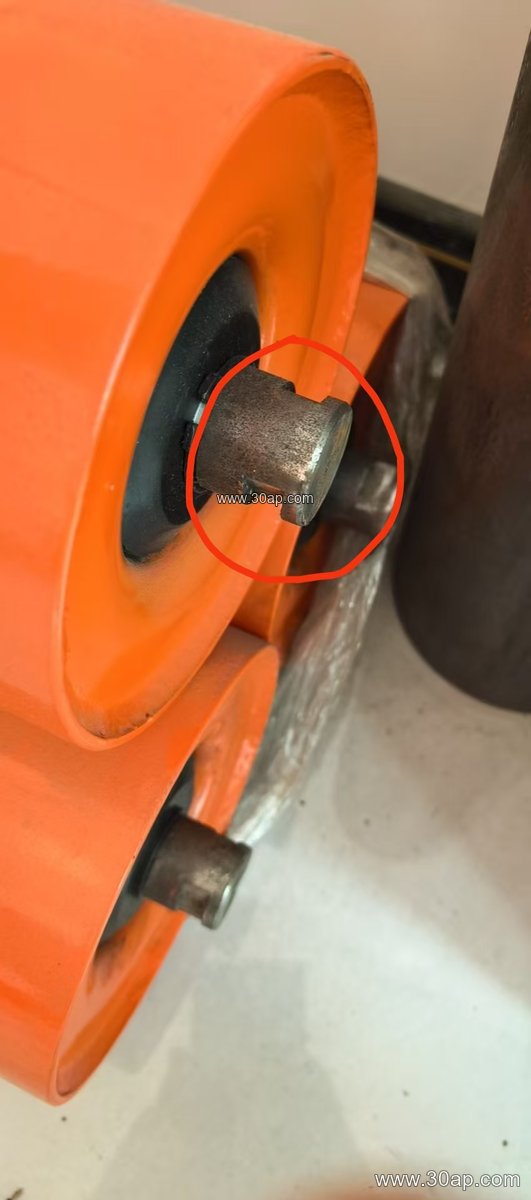
The vertical roller is different from a troughed carrying idler, a return roller, or a self-aligning idler. Those units carry the belt from below or correct tracking along the run. The vertical roller works at the side, and it is often paired with an idler roller set just upstream or downstream. Its position is a design decision, not a universal rule.
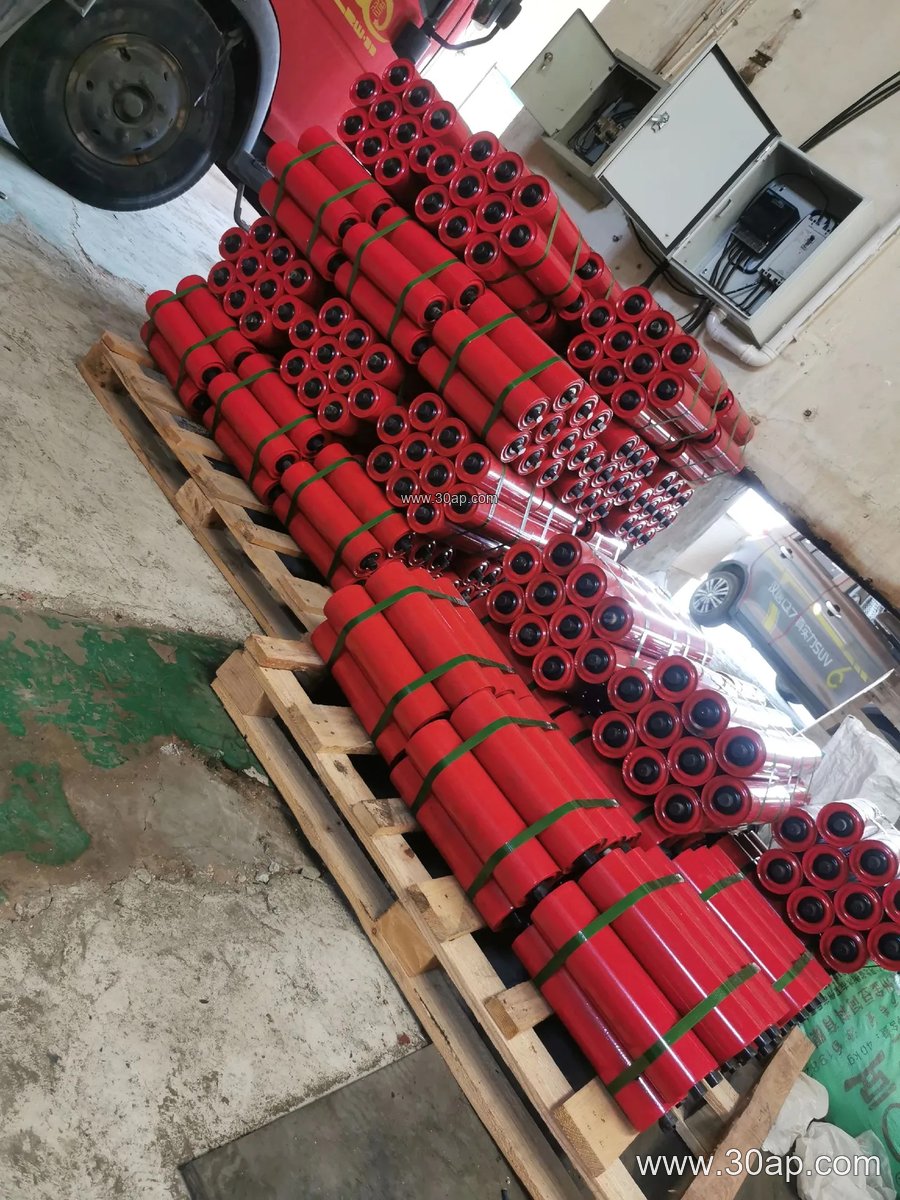
Selection Notes for Buyers
- Belt width and trough angle: confirm the transition geometry before ordering. A 30-degree trough and a 45-degree trough need different side clearances.
- Roller diameter: smaller diameters suit tight edge spaces; larger diameters handle higher loads and longer spans.
- Surface form: rubber rings reduce belt wear and noise, while ceramic or nylon surfaces may suit abrasive or sticky material.
- Sealing and bearing: dusty sites such as a coal preparation plant or an iron ore yard need good labyrinth seals and a bearing size matched to the load.
- Mounting: check the bracket, shaft end, and frame hole pattern. A vertical roller is only as stable as its mounting.
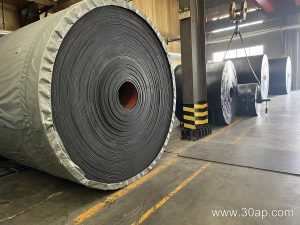
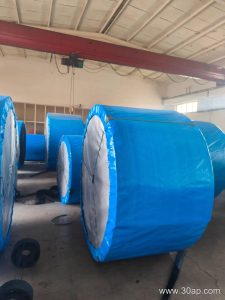
When the conveyor handles abrasive bulk material, the belt itself may be an Abrasion Resistant Conveyor Belt or a heavy-duty mining belt. In a coal mine, a Flame Retardant Conveyor Belt is often specified for safety reasons. The vertical roller does not replace those choices, but it helps protect the belt edge and keeps the belt seated in the transition.
Maintenance and Inspection
Check the vertical roller for free rotation, seal leakage, and shell wear at each scheduled shutdown. A seized roller can wear a groove into the belt edge within a short time. Keep the roller surface clean, and confirm that the bracket bolts remain tight after the first weeks of operation. On a long overland line or a port conveyor, a small alignment error at the transition can grow into edge damage over hundreds of meters, so inspection of this small component is worth the effort.
Match replacement parts to the original drawing where possible. If the drawing is missing, record the belt width, trough angle, roller diameter, roller length, and mounting pattern before ordering. That information is more useful than a generic size list, and it keeps the vertical roller working as intended in the conveyor system.