What a 10mm EP belt is
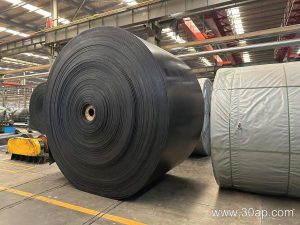
An EP conveyor belt, 10mm thick, is a fabric-core belt built on polyester warp and nylon weft (EP) plies, with a total carcass-plus-cover thickness of about 10 mm in the common configurations sold today. That thickness is the headline figure buyers use when they compare a belt against a pulley geometry, a troughing profile, or a wear budget — but it is only one number in a larger specification. The full name for this product family is an EP rubber conveyor belt, and the same item is often ordered as an EP fabric core conveyor belt when the buyer wants to stress that the tension members are textile, not steel.
The 10 mm figure is a working reference, not a fixed rule. Two belts can both be 10 mm thick and still differ in ply count, cover grade, and breaking strength. A buyer who asks only for thickness has described the belt’s envelope, not its capability.
How the thickness is assembled
In an EP belt the thickness comes from three parts stacked together: top cover, fabric plies, and bottom cover. A typical 10 mm construction might use a 5+2 mm cover split over three or four plies, or a 6+2 split over a lighter carcass. The cover gauges below are representative references, not a supply promise.
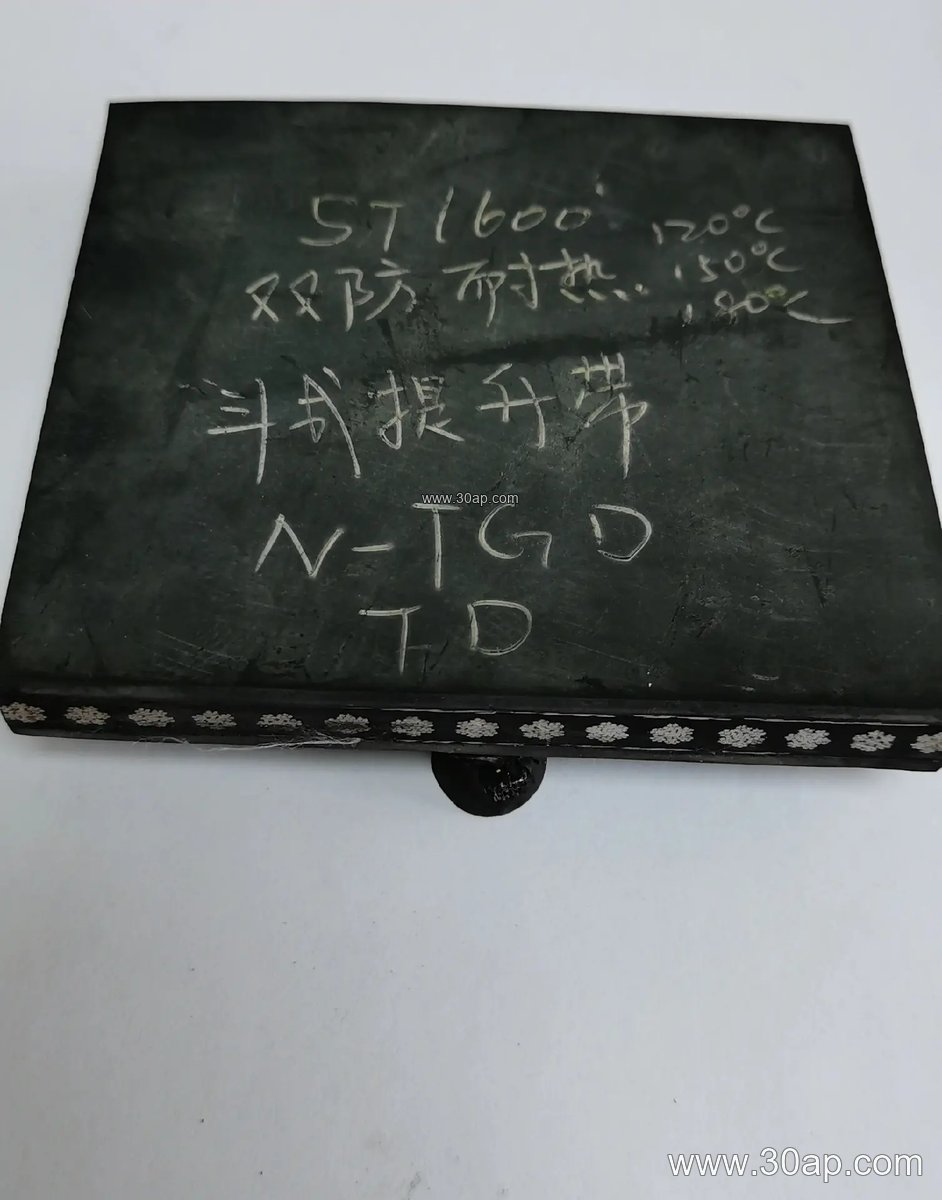
- Top cover, common gauges: 3, 4, 5, 6, 8 mm
- Bottom cover, common gauges: 1.5, 2, 3 mm
- Carcass plies, common range: 2 to 6
Cover compound choice is what turns a general-purpose belt into a job-specific one. Abrasion resistant grades suit hard rock and clinker; heat resistant grades suit cement and sinter; flame retardant and anti-static grades are usual in coal mining and underground work; oil resistant and acid resistant grades appear in plants handling oily scrap or chemical feedstock. The EP carcass gives good strength-to-weight ratio and low elongation under load, which is why it appears so often on long overland runs and in-plant circuits.
Where a 10mm belt fits on the conveyor
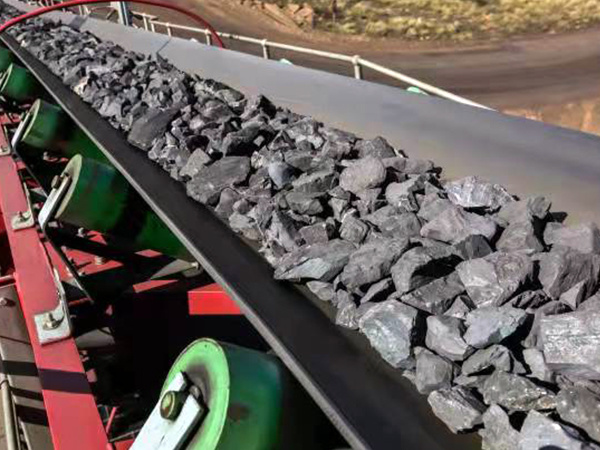
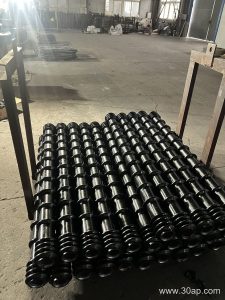
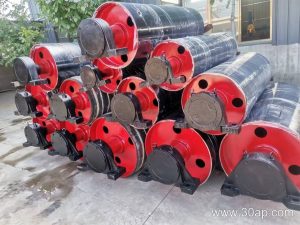
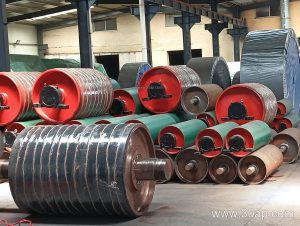
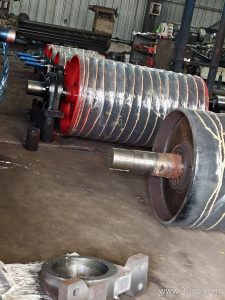
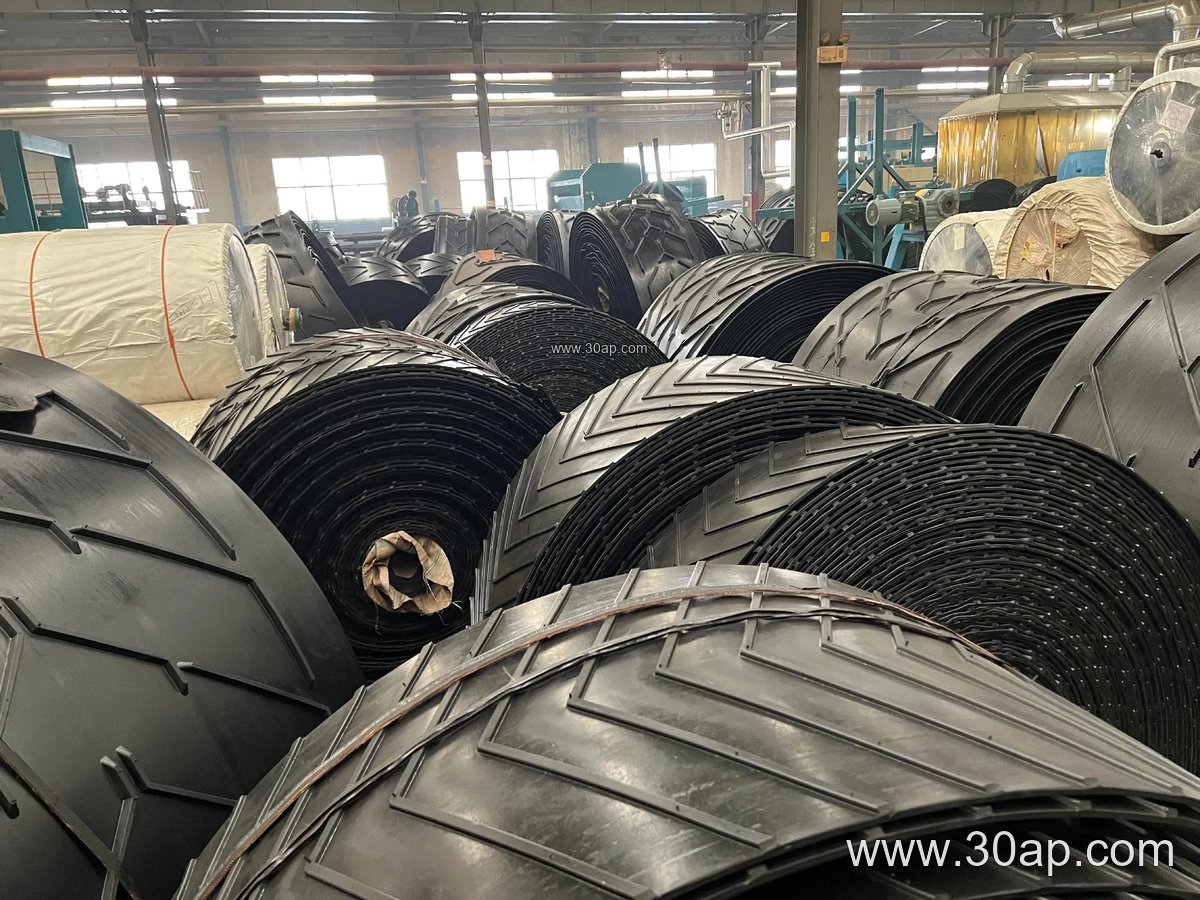
This belt is at home in heavy bulk service: a mine conveyor belt moving ore from the pit, a coal mining conveyor belt on a transfer house, a quarry conveyor belt feeding a primary crusher, or an aggregate conveyor belt carrying screened stone to stockpile. Cement plants, power plants, steel plants, ports, and sand making plants all use the same family. In each case the belt runs over idler rollers that set the trough shape, around a head or drive pulley that transmits the pull, and a tail pulley that returns it. Bend pulleys and take-up arrangements manage wrap and tension. None of those pulleys is interchangeable with another — the drive pulley does the work, the tail pulley sets the loading point, and a bend pulley only changes direction.
At 10 mm, the belt is stiff enough to bridge small gaps and resist impact at a transfer point, yet still flexible enough to trough cleanly on three-roll idler sets. That balance is why it is a popular choice for mixed-duty plants rather than a single extreme.
Strength grades and widths a buyer will meet
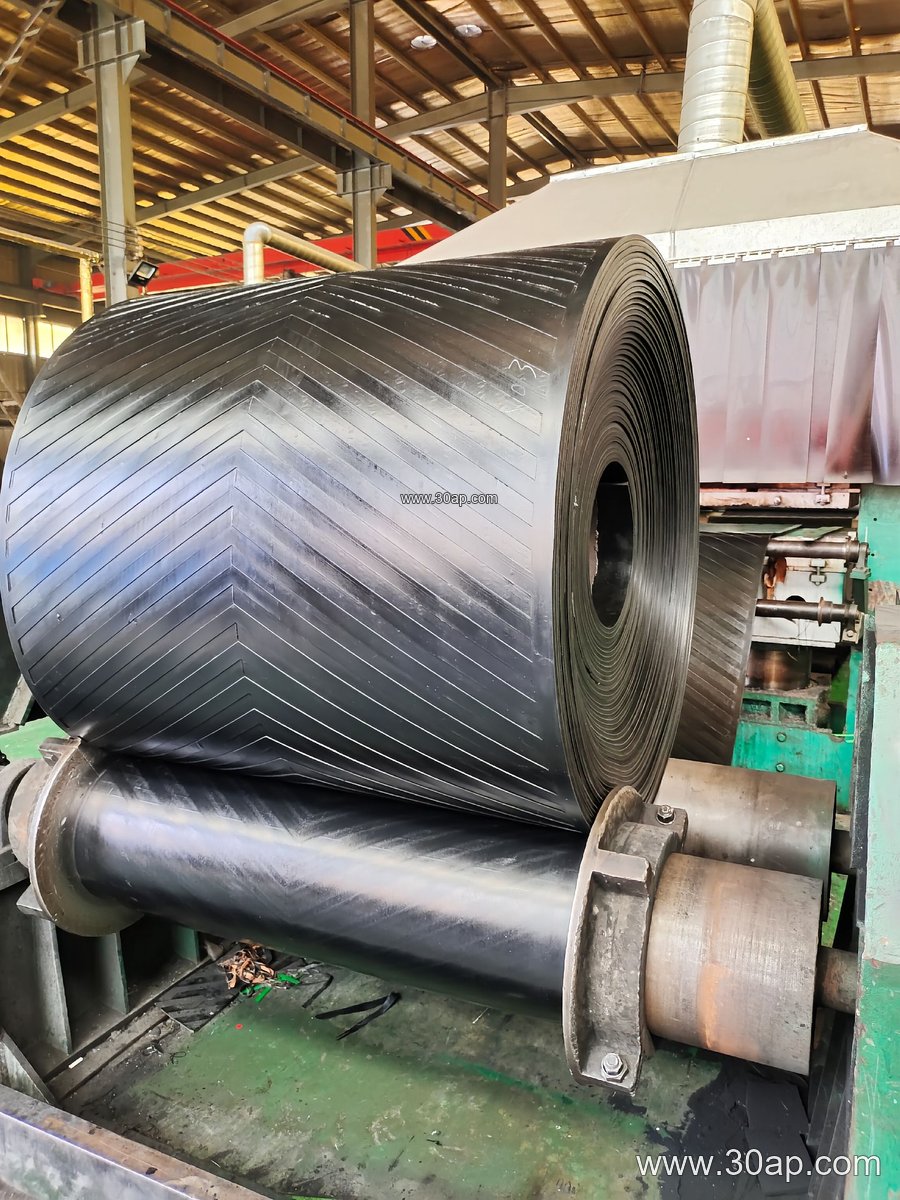
EP belts are usually ordered by carcass strength. Reference grades include EP200, EP315, EP400, EP500, EP630, EP800, EP1000, EP1250, EP1600, and EP2000. A heavier grade does not automatically mean a thicker belt; the 10 mm figure is achieved by adjusting ply count and cover gauges, so the same thickness can hide quite different strength classes.
Common belt widths in this product family include:
| Width reference | Typical setting |
|---|---|
| B500, B650, B800 | Small to medium in-plant lines, feeders, screens |
| B1000, B1200, B1400 | Main haulage, crusher feed, cement and power plant circuits |
| B1600, B1800, B2000 | High-tonnage primary crushing and port loading |
A belt width is matched to the conveyor design — tonnage, lump size, trough angle, and pulley face width — not to a single pulley diameter. Wider belts do not require one fixed pulley size, and the same 1,000 mm belt may run on very different pulleys in two plants.
Selection and upkeep points
When comparing quotes, ask for the ply count, the cover gauges, the cover grade, and the strength class behind the 10 mm thickness. Check that the pulley diameters in the existing conveyor suit the carcass flexibility, and confirm that the conveyor bracket and idler roller spacing are in good order, since a worn idler set will damage a new belt faster than any load. Store the roll out of sunlight, splice with the correct step length for the ply count, and track the belt after the first few shifts.
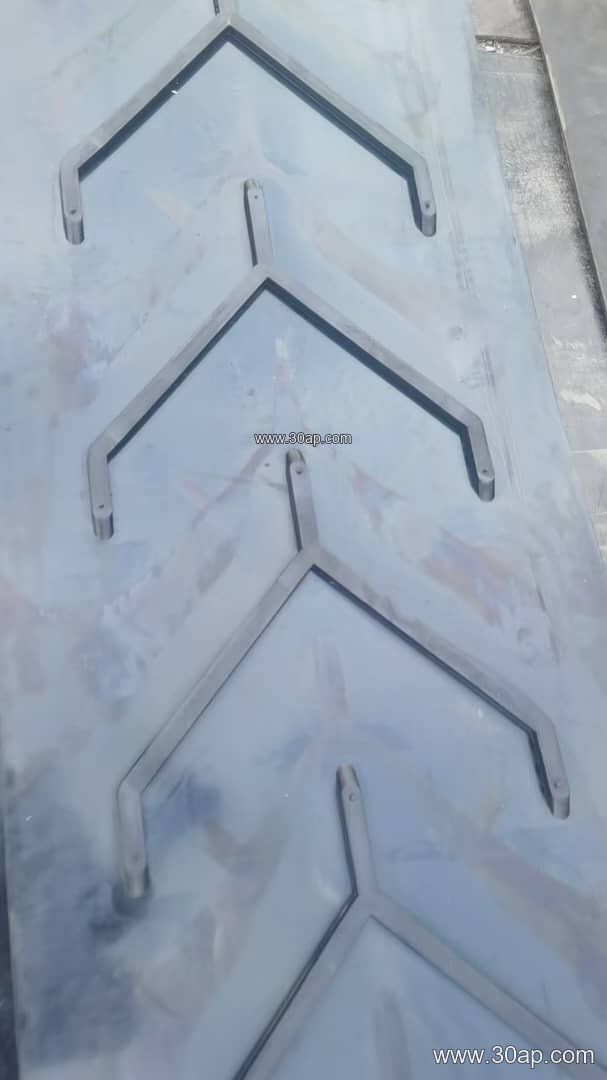
Other constructions are worth knowing only for contrast. An NN conveyor belt uses nylon in both warp and weft and is more stretchy; a steel cord conveyor belt carries much higher tension but demands larger pulleys; chevron, skirted, and corrugated sidewall belts solve incline and containment problems that a flat 10 mm EP belt cannot. Those are different tools, not substitutes.
For a plain, robust, general heavy-duty circuit, a 10 mm EP belt remains a sensible starting point — provided the specification behind the thickness is written down and checked against the conveyor it will run on.