What a Conveyor Belt Support Frame Does
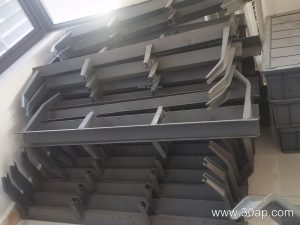
A conveyor belt support frame is the structural backbone that holds idlers in place, keeps the belt in shape, and carries the load from the belt to the ground. In a quarry, cement plant, or coal handling system, this frame is often the difference between a belt that tracks cleanly and one that spills material or wears unevenly. The frame itself does not move, but its geometry and strength directly affect how the belt, idlers, and pulleys work together.
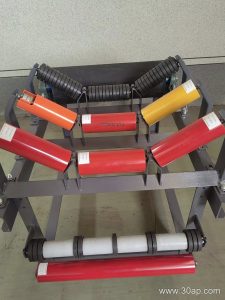
The term covers several positions along the conveyor: upper troughing frames that support the carrying side, return frames under the empty belt, transition frames near pulleys, and impact frames at loading points. Each position has its own demands, and the frame must match the belt width, idler diameter, and trough angle used on that section.
Construction and Common Materials
Most support frames are built from angle steel, channel steel, or folded steel plate. The choice depends on load, span, and the environment. In a limestone mine or a power plant coal yard, channel steel frames are common because they resist bending over longer spans. Folded plate frames are lighter and often used where corrosion protection and clean surfaces matter.
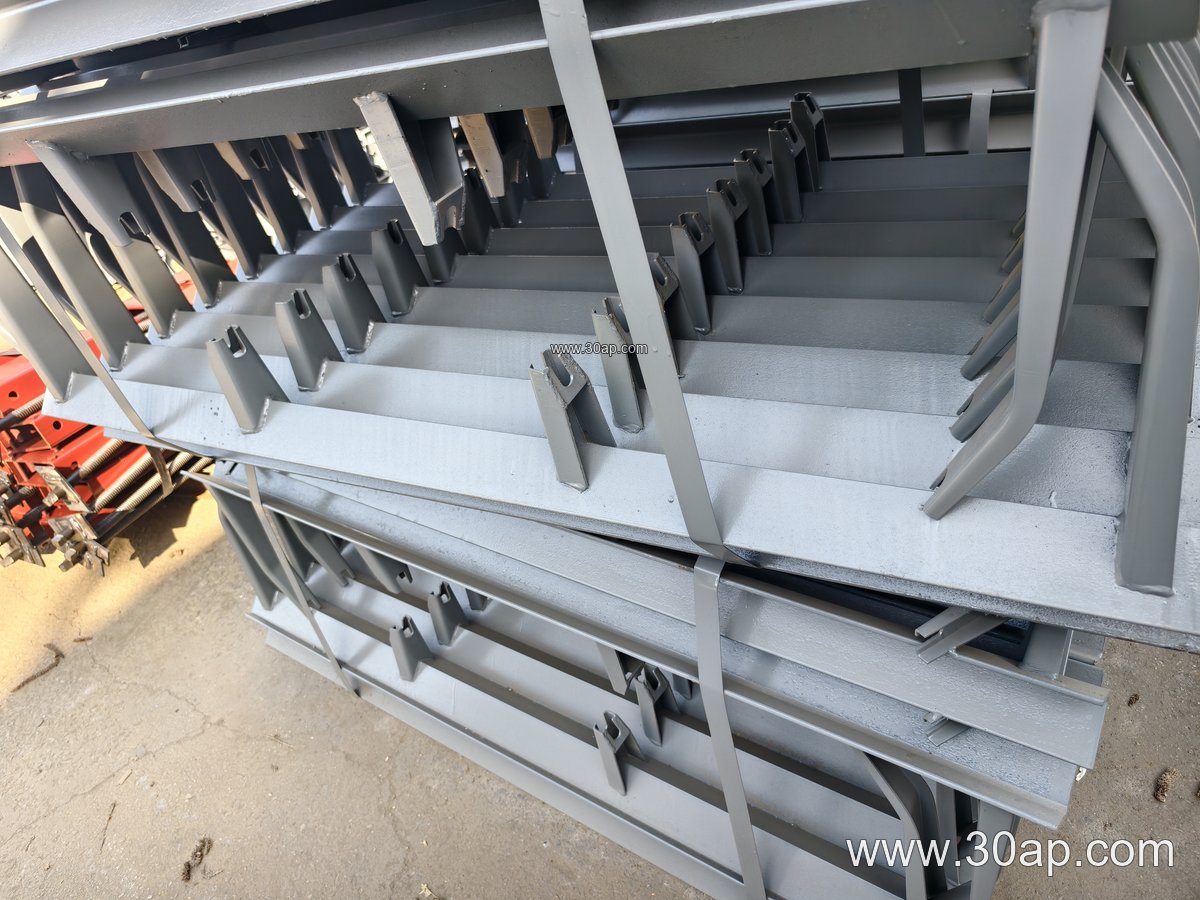
The frame includes mounting slots or holes for idler brackets, and the hole spacing changes with belt width and trough angle. A B800 frame with a 35-degree trough is not the same as a B1200 frame with a 45-degree trough, even if the material looks similar. Buyers should confirm the mounting dimensions against the actual idler and conveyor bracket rather than assuming a standard layout.
Typical frame types and reference data
| Frame Type | Common Belt Width Range | Typical Trough Angle | Common Idler Diameter |
|---|---|---|---|
| Troughing frame (upper) | B500 to B2200 | 20°, 30°, 35°, 45° | Ø89, Ø108, Ø133, Ø159 |
| Transition frame | B650 to B1800 | 20° to 35° | Ø108, Ø133, Ø159 |
| Return frame (flat or V-return) | B500 to B2000 | — | Ø89, Ø108, Ø133 |
| Impact frame | B800 to B1600 | 30° to 45° | Ø133, Ø159, Ø194 |
| Adjustable frame | B650 to B1600 | Adjustable across 20°–45° | Ø89 to Ø159 |
These values are reference examples, not fixed combinations. A B1000 conveyor may use a 30-degree trough with Ø108 idlers in one plant and a 35-degree trough with Ø133 idlers in another, depending on belt speed and material.
Where It Fits in the Conveyor System
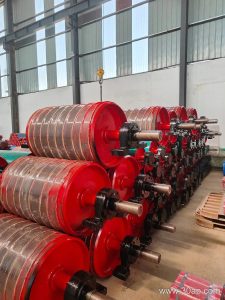
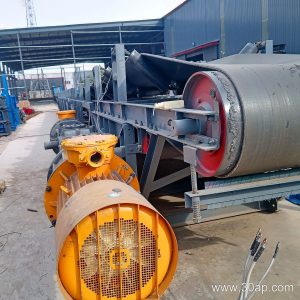
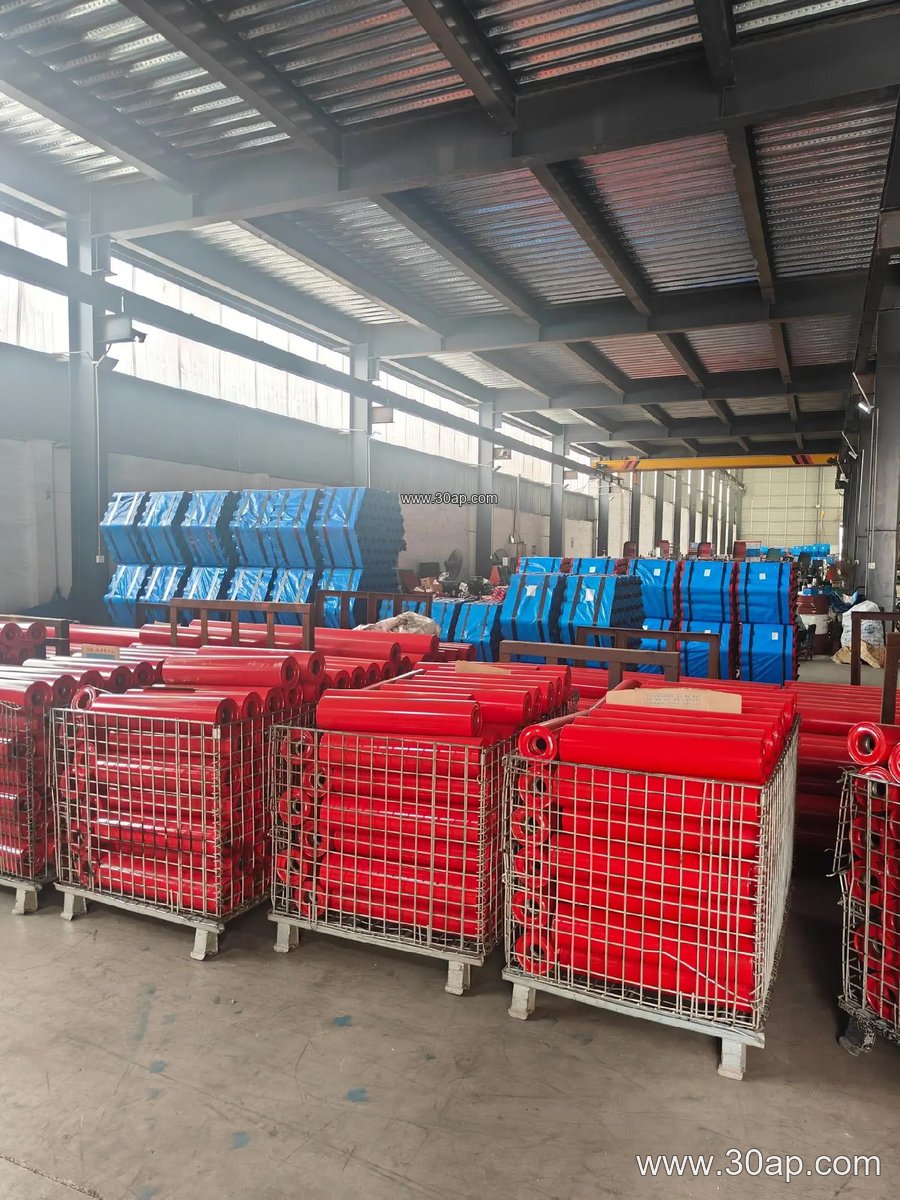
The support frame works with the conveyor belt, idler roller, and conveyor pulley. At the head and tail, transition frames guide the belt from the flat pulley shape into the trough. In a crusher discharge or a sinter plant, impact frames with rubber or spring idlers absorb the drop energy before the belt settles into normal troughing. Return frames keep the empty side aligned and reduce belt sag.
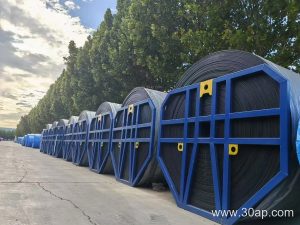
In an underground coal mining conveyor, flame retardant conveyor belt and anti-static properties matter, but the frame must also fit tight galleries and allow quick idler replacement. In a port ship loading line, wide frames for 1800mm or 2000mm belts are common, often paired with steel cord conveyor belt or heavy-duty fabric core belt.
Selection Points for Buyers
Start with the belt width and trough angle, then confirm the idler diameter and bracket type. A 35-degree trough is common for bulk material, while 45-degree frames are used where material must be contained at higher speeds. Adjustable frames allow a plant to fine-tune the trough angle between 20 and 45 degrees, but they are not a substitute for correct frame strength.
Check the frame material against the environment. In a fertilizer or chemical plant, oil resistant or chemical resistant belt may be used, and the frame coating should match. In a foundry or cement kiln area, heat resistant belt and heat-resistant frame treatment may be needed. The frame should also allow the idler roller to be removed without cutting the belt.
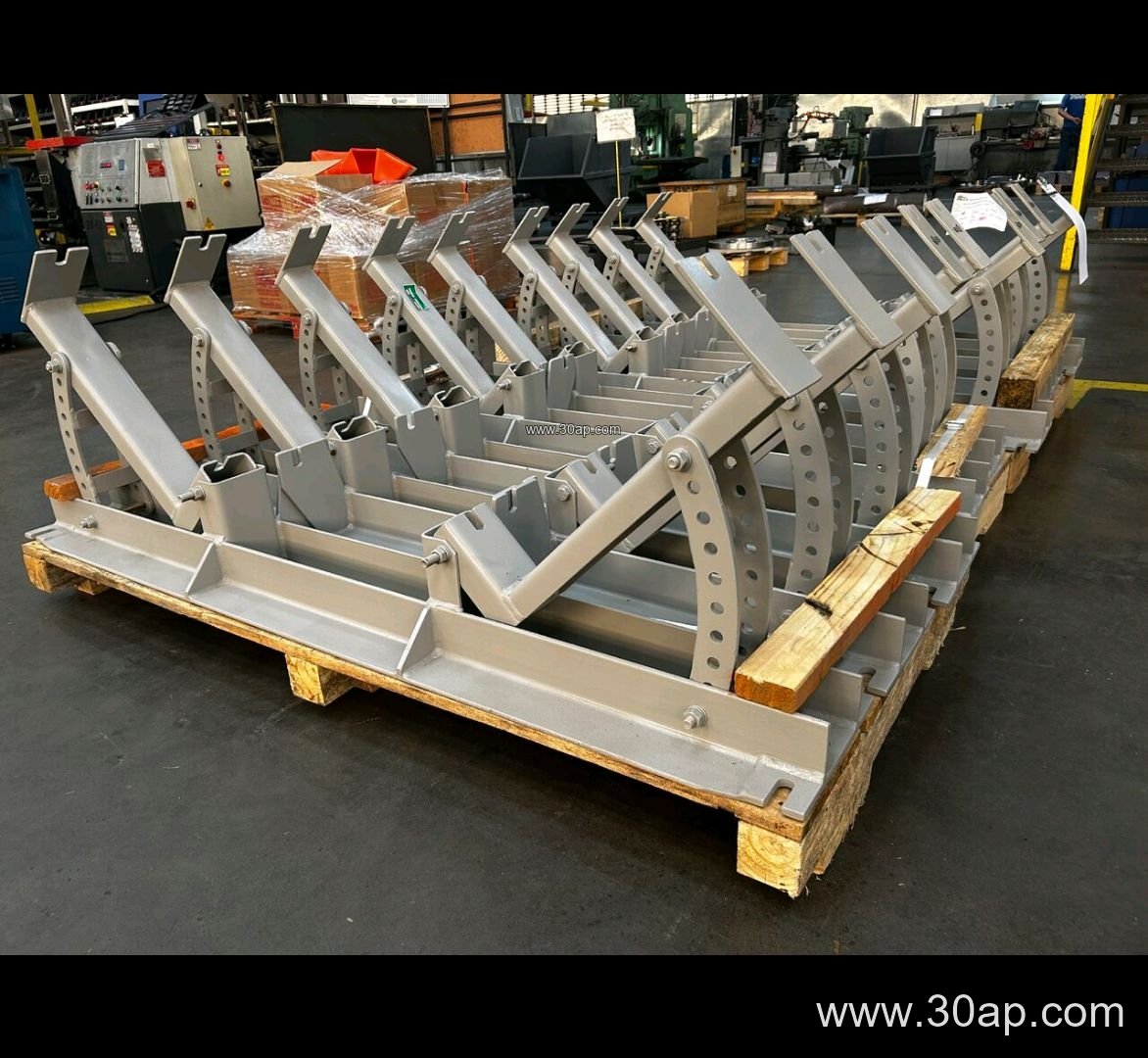
Do not select a frame by belt width alone. Mounting hole spacing, crossbeam length, and bracket height vary by design. Ask for a dimension drawing and compare it with the conveyor bracket and pulley layout. For a new project, the frame, idler, and pulley should be reviewed together so the transition distance and trough angle are consistent.
Maintenance and Installation Notes
Install frames square to the conveyor centerline. A twisted frame causes belt misalignment that no amount of idler adjustment will fully fix. Check bolt torque after the first week of operation, especially on impact frames in a crusher or screening plant. Replace bent frames rather than straightening them repeatedly, because fatigue cracks can develop at the mounting holes.
Keep spare frames for the most loaded positions, such as the feed point and the transition zone. In a sand and gravel line, impact frames and return frames are often the first to need attention. A simple inspection of frame alignment and idler seating during routine belt checks can prevent edge damage and premature wear on the conveyor belt.