What a V-Type Idler Bracket Does on a Conveyor
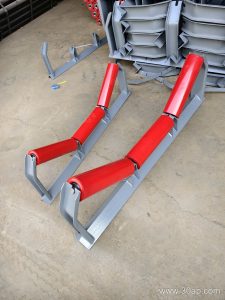
A V-Type Idler Bracket is a return-side support frame that holds two idler rollers in a shallow V configuration beneath the belt. Instead of a single flat roller, the bracket carries a pair of rollers angled inward, so the belt rests in a slight trough even on the empty strand. This arrangement helps center the belt, sheds loose material that would otherwise build up on a flat return, and keeps the belt edges from wandering during long runs. Maintenance crews in a limestone quarry or a coal handling plant often recognize the part simply as a V return bracket or V-return idler frame.
The bracket is not a pulley and should never be confused with one. A conveyor pulley drives, tensions, or redirects the belt at the ends of the machine, while this bracket sits between them and supports the returning belt. Likewise, it is not a troughing bracket for the carrying side; the two work at opposite ends of the same circuit.
How the Bracket Is Built
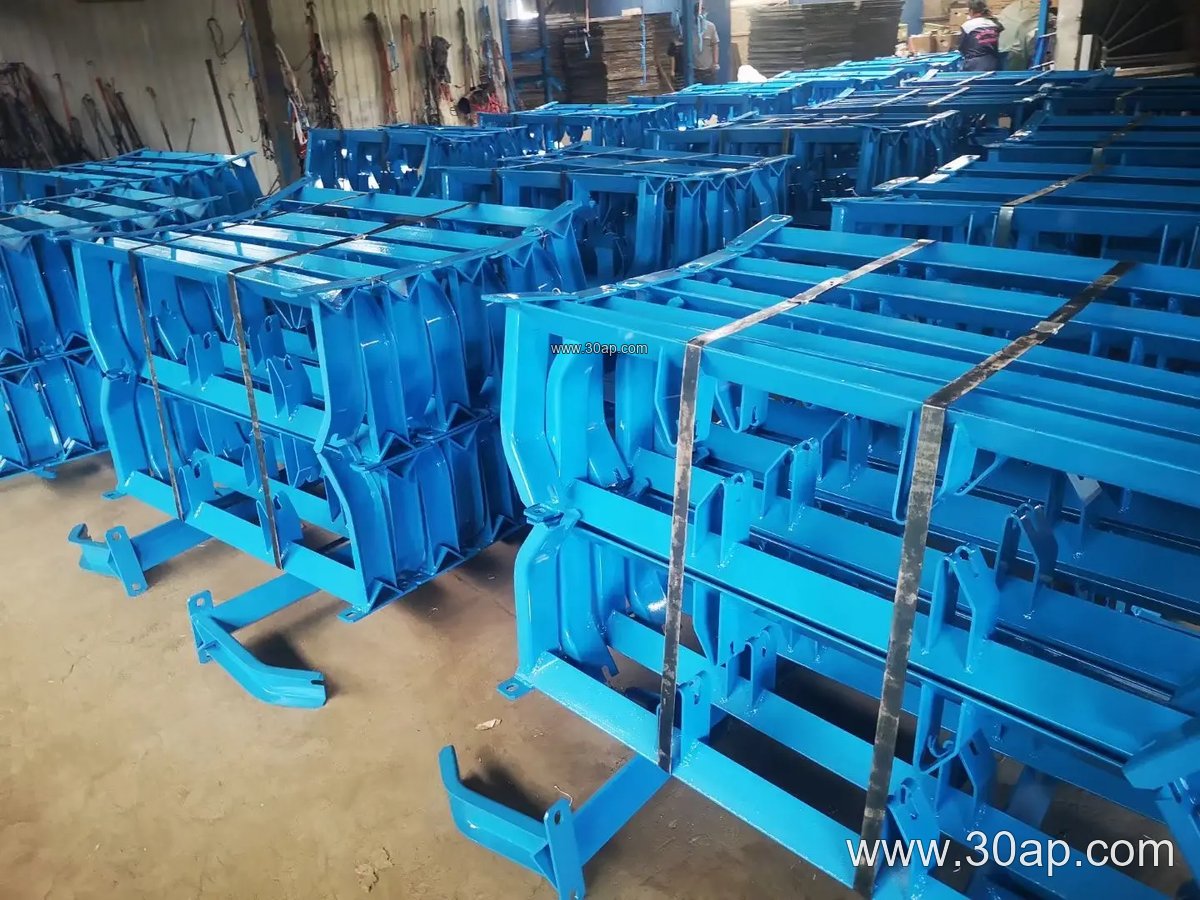
Most units are fabricated from angle steel, channel steel, or folded steel plate, welded into a rigid V-shaped cradle. Two mounting arms locate the idler shafts at a fixed included angle, and the whole frame bolts to the conveyor stringers. Depending on the design, the bracket may be fixed or adjustable, and some versions allow the V angle to be altered during installation.
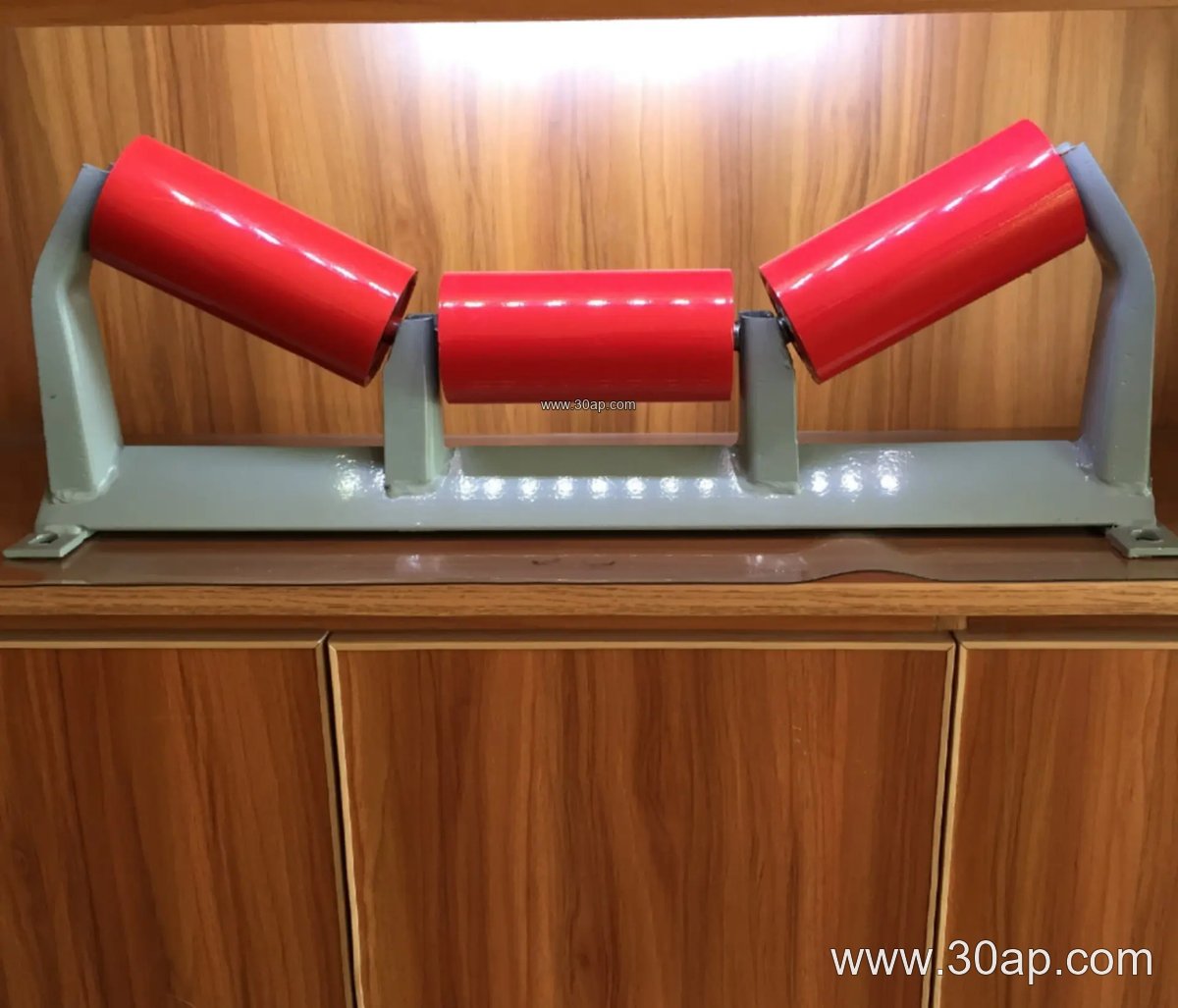
- Fabricated angle or channel frame, welded construction
- Two idler seats set at a fixed or adjustable V angle
- Bolt-on mounting to the return stringer
- Optional rubber or polymer contact pads to reduce wear
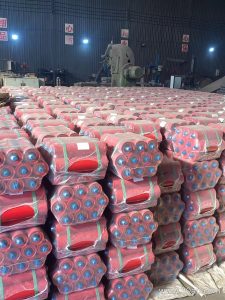
Because the frame carries the return strand, it is usually matched to the belt width and the chosen return roller diameter. Common belt widths in the reference range include B500, B650, B800, B1000, B1200, B1400, B1600, and B1800, while return roller diameters such as Ø89, Ø108, Ø133, and Ø159 are frequently selected. These are reference values, not fixed pairings; the final combination is set by the conveyor designer.
Where It Fits in the Line
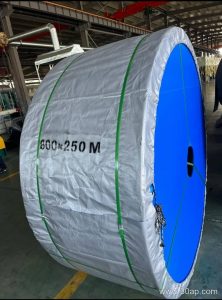
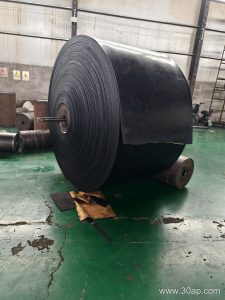
Typical installations include aggregate plants, cement works, power station coal yards, and ore handling circuits. On a long overland conveyor carrying EP conveyor belt, a series of V brackets spaced along the return run keeps the belt centered and reduces edge damage. In a quarry feeding a crusher, the same bracket protects the return side from spillage that would otherwise grind against a flat roller. Belt tracking is the main reason engineers specify this frame rather than a simple flat return bracket.
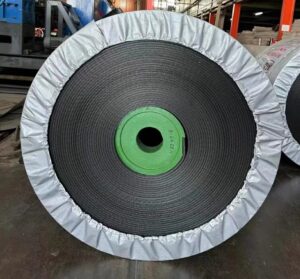
It is equally at home under a heavy-duty steel cord conveyor belt on a high-tonnage line, where return-side stability matters as much as carrying capacity. Where sticky material is a problem, the V shape encourages fines to fall away instead of packing between the rollers.
Selection Points for Buyers
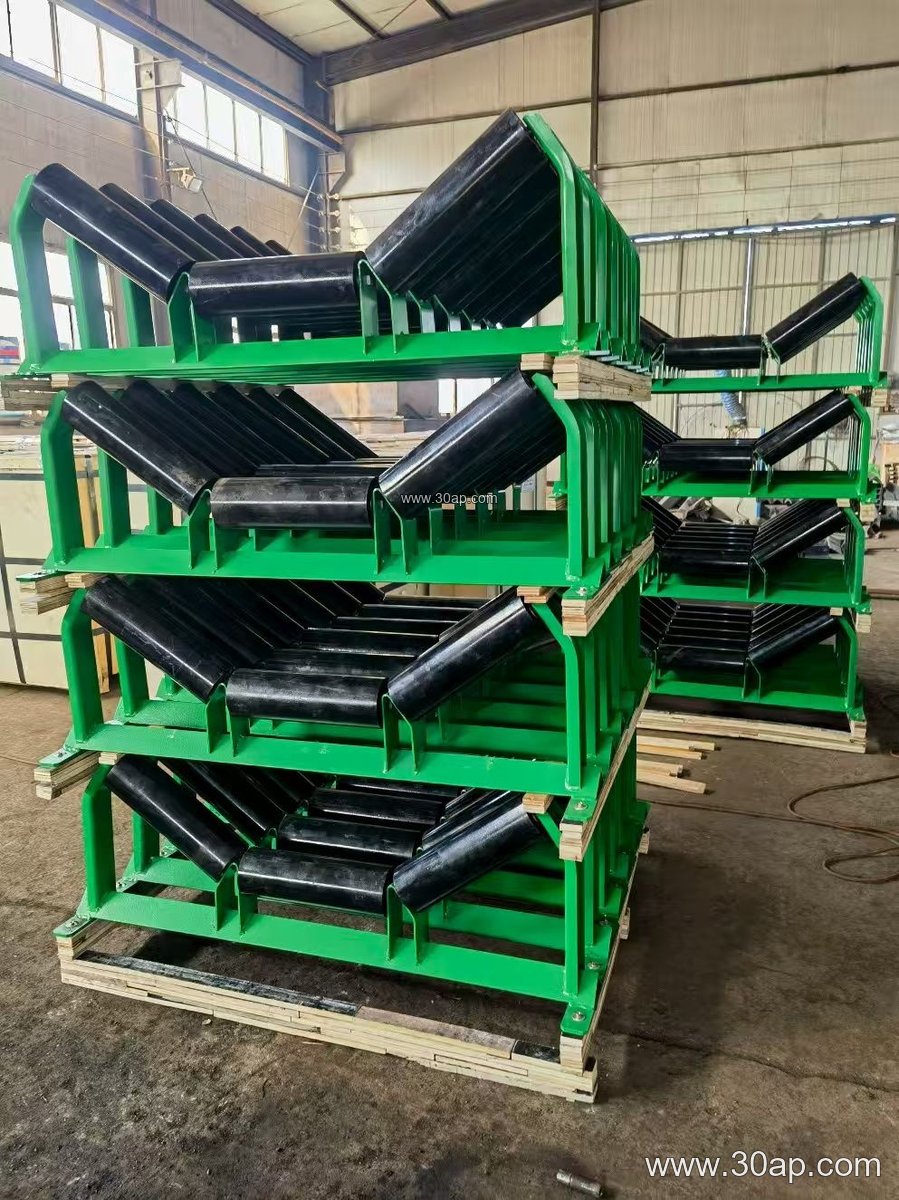
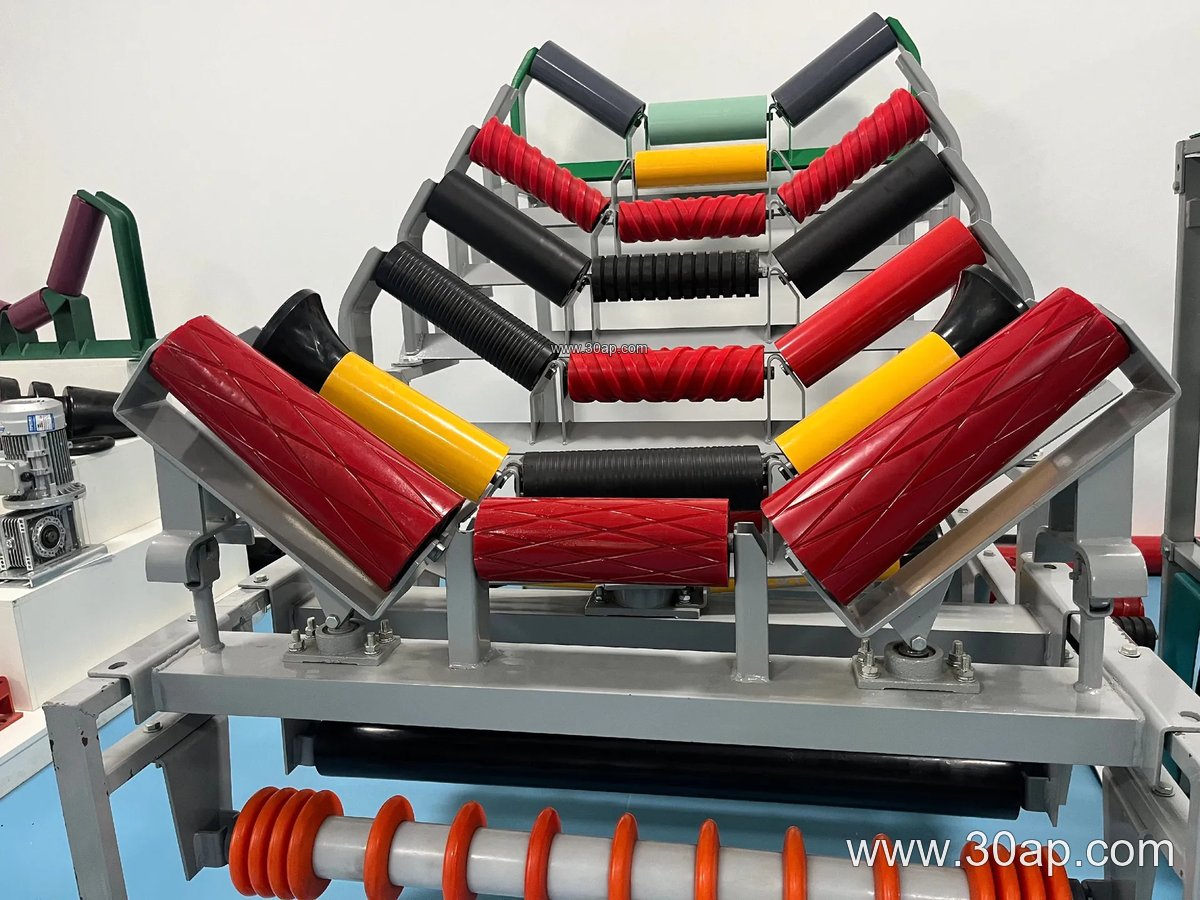
Before ordering, confirm four things: belt width, return roller diameter, required V angle, and mounting hole spacing. The last item varies with belt width and frame design and should be taken from the conveyor drawing rather than assumed. Adjustable brackets suit lines where the return angle may need fine-tuning after commissioning; fixed brackets are simpler and often preferred where the geometry is already settled.
| Parameter | Common Reference Range | Notes |
|---|---|---|
| Belt width | B500 to B1800 | Match to conveyor design |
| Return roller diameter | Ø89, Ø108, Ø133, Ø159 | Depends on load and belt speed |
| V angle | Commonly 10 to 20 degrees | Fixed or adjustable |
| Frame material | Angle, channel, folded plate | Coating to suit site conditions |
Also check that the bracket is compatible with the idler roller shaft ends and that the mounting height matches the existing stringer. On a belt carrying abrasion resistant conveyor belt in a sand and gravel line, a well-aligned V frame reduces both belt edge wear and roller load.
Installation and Maintenance Notes
Set the bracket square to the belt centerline, since a skewed frame will steer the belt rather than center it. Tighten mounting bolts evenly and confirm both rollers turn freely before running the belt. During routine inspections, look for material buildup in the V, worn roller seats, and loose bolts. Replacing a worn roller early is cheaper than replacing a damaged belt, particularly on a flame retardant conveyor belt used underground or in a coal yard.
Keep spare brackets and rollers on hand for critical lines, and record the frame spacing so replacements match the original layout. With correct alignment and reasonable inspection, a V-Type Idler Bracket gives long, quiet service on the return strand.