What a Heavy-Load Idler Actually Does
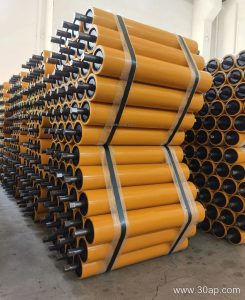
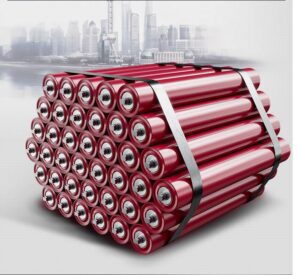
A heavy-load idler is the roller that carries the belt and the material on the most punishing sections of a conveyor. In a quarry, a coal preparation plant or an iron ore transfer point, the load per meter can be several times what a standard roller is asked to take. The heavy-load idler is not simply a thicker tube; it is a combination of larger shaft, stronger bearing housing, tighter seal and heavier roller shell that keeps the belt turning without overheating or seizing.
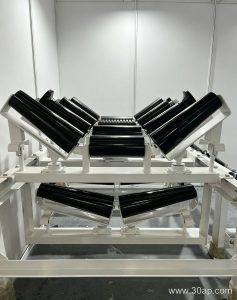
In most installations the heavy-load idler works as part of a troughing set, usually a three-roll arrangement, on the carrying side. On the return side the same duty level may be met with a heavy-load return roller or a V-shaped return set. The job is the same: support the conveyor belt, keep the trough shape, and let the belt run with minimum resistance under a full load.
How the Roller Is Put Together
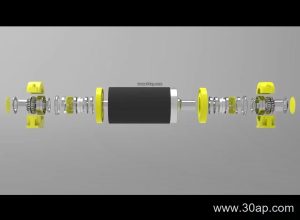
The construction follows a simple logic. A thicker wall steel tube resists bending and impact. A larger diameter shaft limits deflection where the load is highest. Bearings are selected with more capacity, and the housing is machined to hold alignment. Sealing is the part that decides service life in dusty plants, so a heavy-load idler usually uses a multi-stage labyrinth seal with a grease barrier.
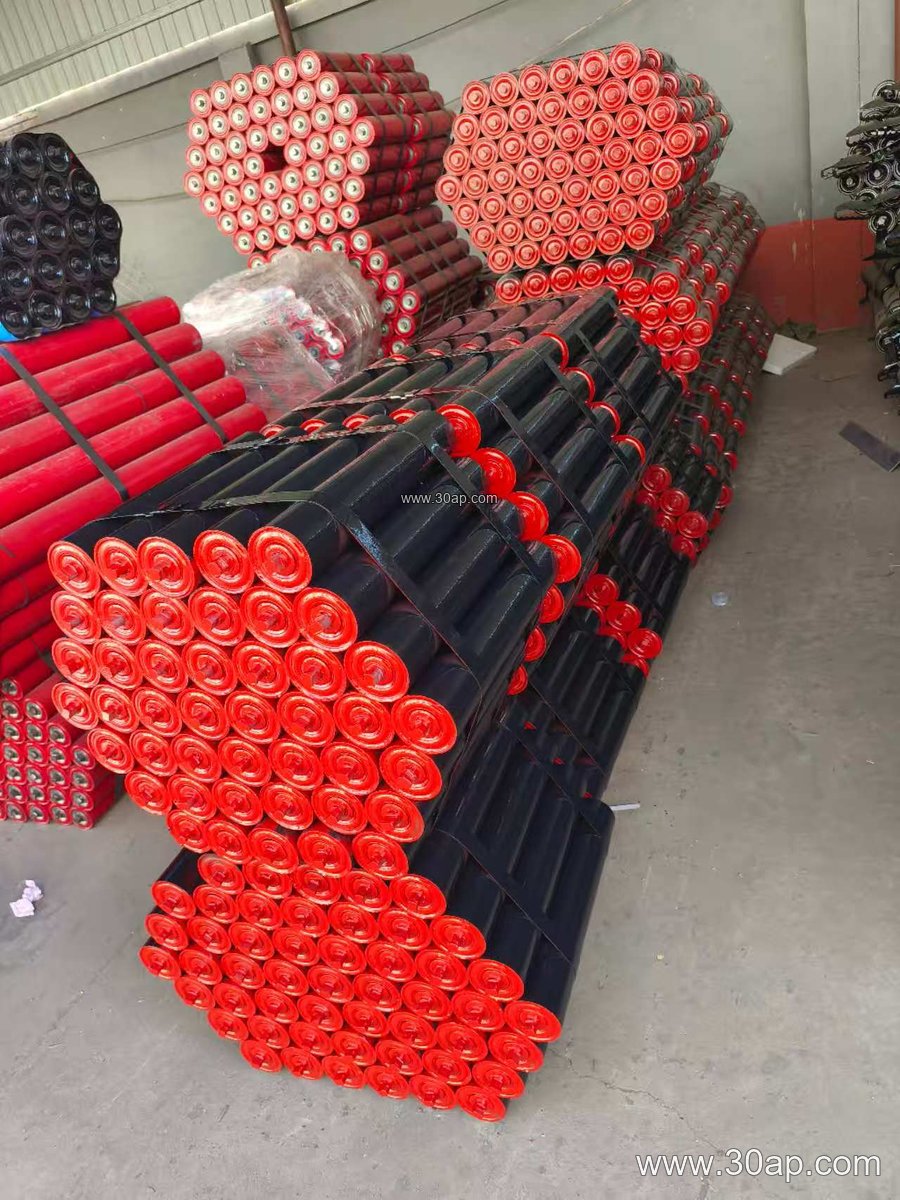
Typical shell diameters for heavy-duty service run from Ø127 mm and Ø133 mm up through Ø159 mm, Ø178 mm, Ø194 mm and Ø219 mm. The larger sizes suit wider belts and higher belt speeds. Bearing choices commonly include 6308, 6310 and larger, depending on the shaft and load calculation. Roller length follows belt width and trough angle, so a heavy-load idler for a B1200 belt is not the same length as one for a B1800 belt.
Common Reference Dimensions
The figures below are reference examples only; final length and diameter are set by the conveyor design.
| Belt width | Typical idler diameter | Reference roller length (three-roll trough) |
|---|---|---|
| B800 | Ø108–Ø133 mm | approx. 315 mm |
| B1000 | Ø127–Ø159 mm | approx. 380 mm |
| B1200 | Ø133–Ø159 mm | approx. 465 mm |
| B1400 | Ø159–Ø178 mm | approx. 530 mm |
| B1600 | Ø159–Ø194 mm | approx. 600 mm |
| B1800 | Ø178–Ø219 mm | approx. 670 mm |
These are common pairings, not fixed matches. A wide belt can be served by more than one diameter, and the shaft size is calculated from load and span, not from belt width alone.
Where the Heavy-Load Idler Is Used
The clearest applications are the loading and transfer zones of a stone crushing line and the main haulage conveyors in a copper or gold mine. At a crusher discharge, the belt receives lumpy rock with sharp edges, so impact-resistant rollers and rubber-disc impact idlers may be used at the chute, while heavy-load carrying idlers take over immediately downstream. In a cement plant, the same roller type supports clinker and limestone belts where dust is constant and restart loads are high.
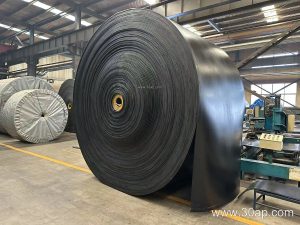
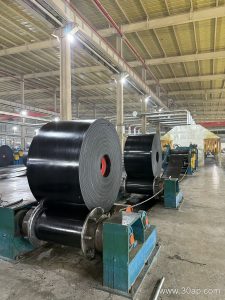
The belt itself matters to the roller choice. A stiff steel cord conveyor belt on a long overland route needs rollers that hold a steady trough and resist misalignment, while a flexible fabric belt in a smaller plant may be served by a lighter roller series. Either way, the heavy-load idler is chosen for the load case, not for the belt name alone.
Selection Points for Buyers
- Check the actual load per idler station, including material weight, belt weight and any surge at the feed point.
- Confirm the trough angle, normally 20, 30, 35 or 45 degrees, because it changes the roller length and the side-roll position.
- Ask about seal design and grease arrangement; in dusty or wet conditions the seal determines working life more than the tube thickness.
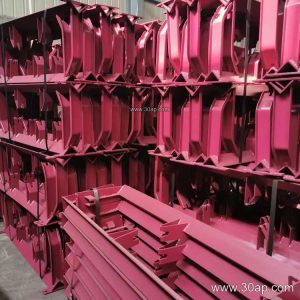
- Match the conveyor bracket and frame height to the idler, so the roller sits at the correct height and the belt does not pinch.
- Review the pulley side of the system as well. Drive pulleys, tail pulleys and bend pulleys are separate components and are not interchangeable with each other or with idlers.
- For hot material such as sinter or clinker, consider heat-resistant roller seals and bearings; for coal, verify flame-retardant requirements of the belt and the electrical classification of the area.
A heavy-load idler is a small part of the conveyor cost but a large part of its availability. Choosing by load, environment and maintenance access is more reliable than choosing by diameter alone. Where the duty is extreme, a heavier roller series and a properly rated conveyor pulley together keep the whole line running.