A Large Pulley for High-Tension Conveyor Systems
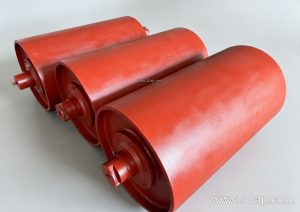
A 1000mm diameter conveyor pulley is a heavy-duty drum component used where a conveyor needs high belt tension, long center distances, or a large wrap angle around the drum. With a nominal face diameter of one meter, this size sits in the upper range of standard pulley dimensions, above the common Ø630 and Ø800 sizes and below the larger Ø1250 and Ø1400 units. It is often specified as a drive pulley, head pulley, or tension pulley on main haulage conveyors in mining conveyor belt systems, where the belt carries ore, coal, or aggregate at high capacity.
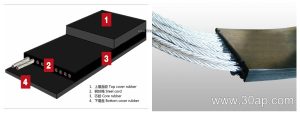
Because the drum is large, the belt bends gently around it. That reduces bending stress in the carcass and helps extend service life, which matters when the belt is a steel cord or high-strength fabric type.
How the Drum Is Built
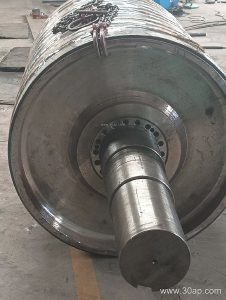
The pulley usually consists of a cylindrical shell, two end discs, a hub, and a shaft. For a 1000mm diameter unit, the shell is commonly rolled from steel plate and machined or ground on the outside to keep runout within tolerance. The shaft is sized by torque and radial load rather than by belt width alone; typical shaft diameters in this class range from Ø120 to Ø200, but the final value comes from the drive calculation.
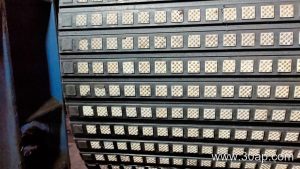
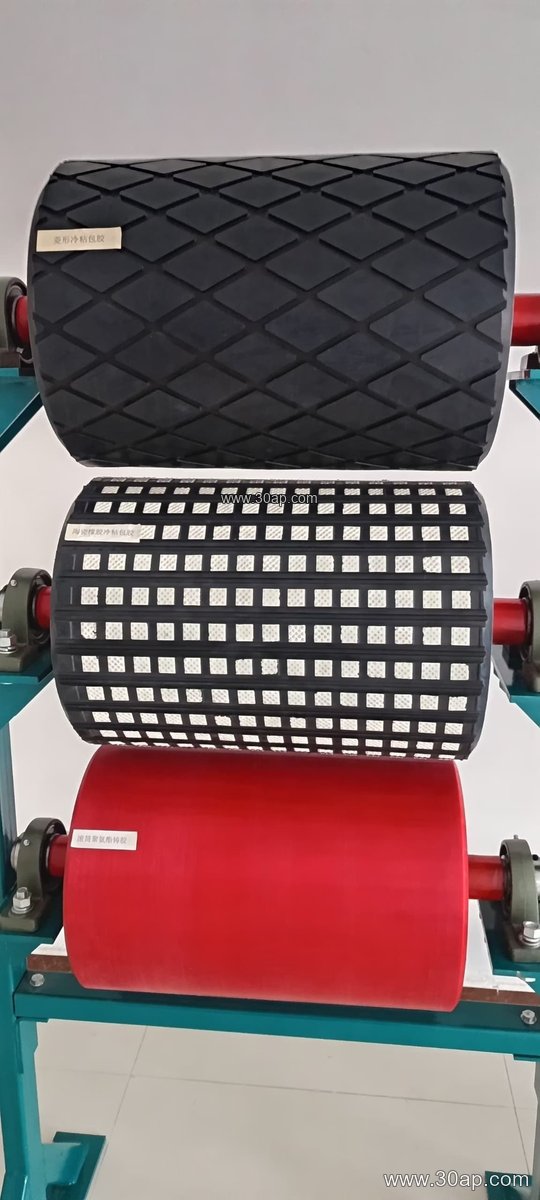
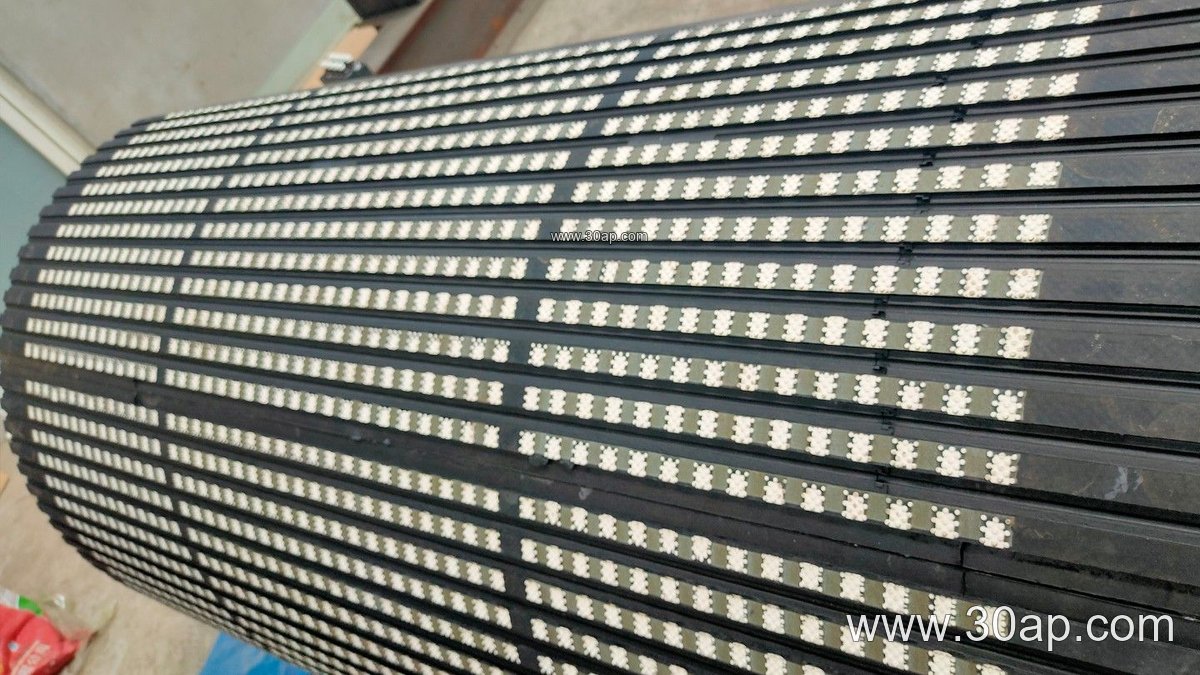
Surface finish is a key choice. Plain finish suits some non-drive positions, while lagging improves grip on drive pulleys. Common lagging options include cold-bonded rubber, hot-vulcanized rubber, diamond grooving, herringbone grooving, and ceramic tiles, usually in thicknesses of 8, 10, 12, 15, or 20 mm. A drive pulley handling wet, dusty material often benefits from grooved rubber lagging to shed water and improve traction.
Typical Working Positions
The same 1000mm diameter drum can serve different roles. As a head or drive pulley, it transmits power to the belt at the discharge end. As a tail pulley, it supports the return side and helps control belt tracking. As a tension or take-up pulley, it maintains belt slack in the take-up system. A bend pulley of this size may be used where the belt path changes direction under load.
These positions are not interchangeable. A drive pulley needs lagging and a robust hub connection for torque, while a bend pulley mainly carries belt tension and redirects the belt. Buyers should state the position clearly so the supplier can size the shaft, bearings, and lagging correctly.
Where It Fits in the Plant
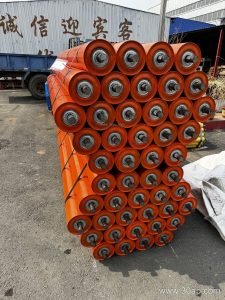
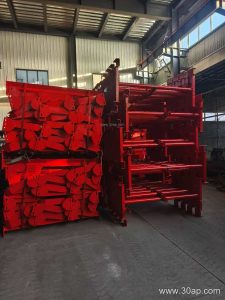
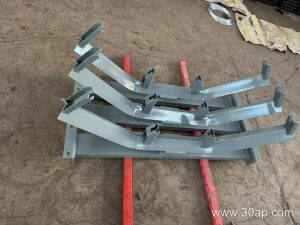
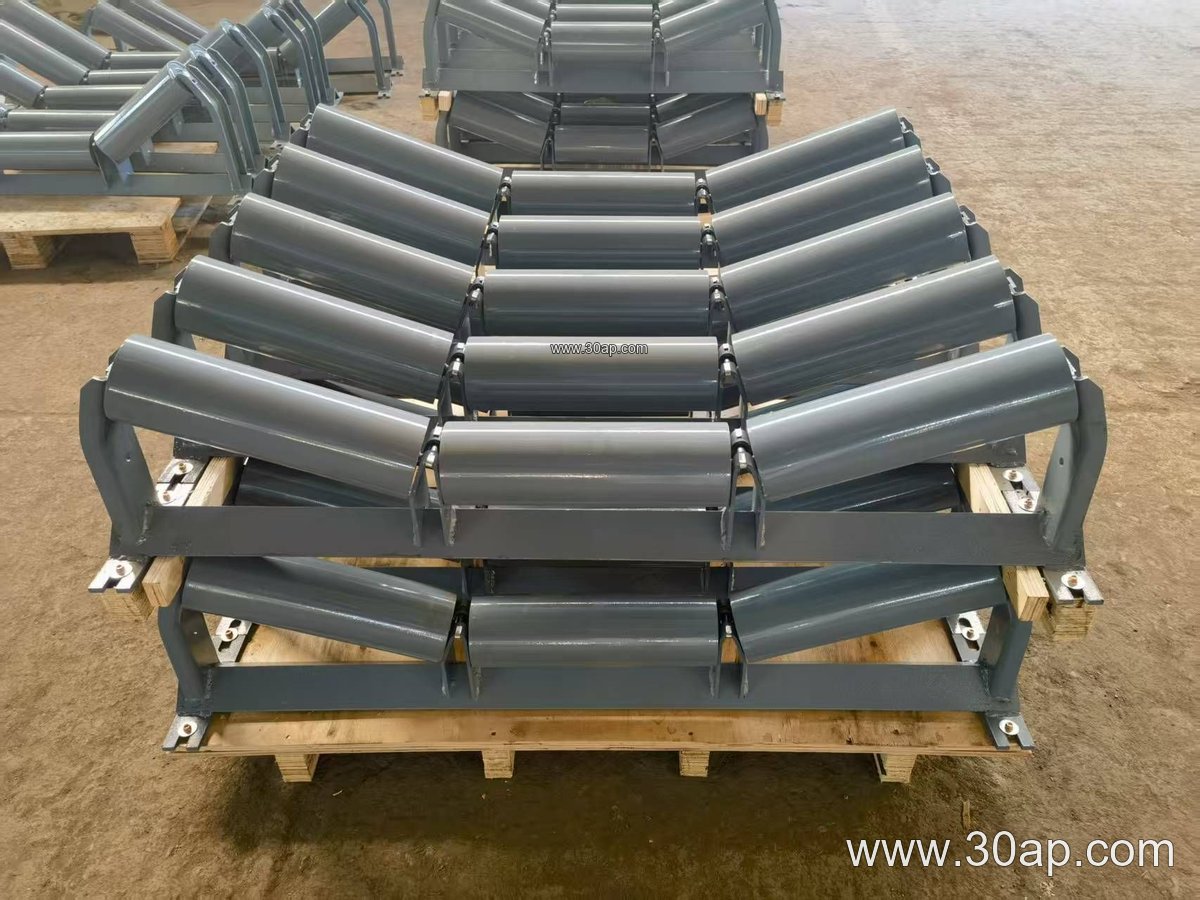
Large-diameter pulleys appear in quarry and aggregate lines feeding crushers, in coal preparation plants, in cement plants moving clinker and raw meal, and in power plant coal handling. They also suit port bulk terminals and steel plant sinter lines. In these settings, the pulley works together with the conveyor belt, idler roller, and conveyor bracket to keep the system aligned and running smoothly.
Belt width and pulley diameter are matched by design, not by a fixed rule. A B1200 belt may run on a Ø1000 drive pulley in one plant and a different diameter in another, depending on tension, wrap angle, and space. The table below gives common reference combinations, not mandatory pairings.
Reference Dimensions
| Belt width | Typical pulley face width | Common diameter range |
|---|---|---|
| B800 | about 950 mm | Ø500 to Ø800 |
| B1000 | about 1150 mm | Ø630 to Ø1000 |
| B1200 | about 1400 mm | Ø800 to Ø1000 |
| B1400 | about 1600 mm | Ø800 to Ø1250 |
| B1600 | about 1800 mm | Ø1000 to Ø1400 |
Face width is normally greater than belt width so the belt is fully supported. Shaft diameter is determined separately from torque and load, with Ø120, Ø140, Ø160, Ø180, and Ø200 being common in this size class.
What Buyers Should Confirm
- Pulley role: drive, tail, bend, or tension, since each has different loading.
- Belt width and belt type, including whether it is an EP conveyor belt or a steel cord belt.
- Lagging type and thickness, especially for drive pulleys in wet or dusty service.
- Shaft diameter, bearing size, and hub connection based on the drive calculation.
- Balancing and runout requirements for high-speed or long-span installations.
- Environmental conditions such as heat, oil, or flame risk, which may call for a heat resistant conveyor belt or a flame retardant belt in the same system.
A 1000mm diameter conveyor pulley is a substantial component, so matching it to the belt, the duty, and the surrounding structure early in the project avoids rework later. Confirm the drawing dimensions, lagging specification, and shaft details before ordering, and keep spare pulleys consistent with the original design.